







Introduction:Americano coffee is highly favored by those looking to reduce fat due to its extremely low calorie content, but adding sugar, milk, or other flavorings can lead to astonishingly high calorie differences. This article delves into the calorie composition and historical background of pure Americano, while also recommending five classic and specialty espresso blends from renowned roasters. Ranging from rich body to bright fruity acidity, these beans help readers choose the right one based on taste preferences and master healthy consumption and brewing tips.
Thanks to its very low calorie count, Americano has become a daily choice for many health-conscious individuals. However, once sugar, milk, cream, or alcoholic flavorings are added, its calorie content skyrockets. For example, a typical mocha can contain nearly as many calories as a bowl of white rice. Therefore, understanding the calorie makeup of pure Americano and how to choose suitable coffee beans is crucial for controlling calorie intake.
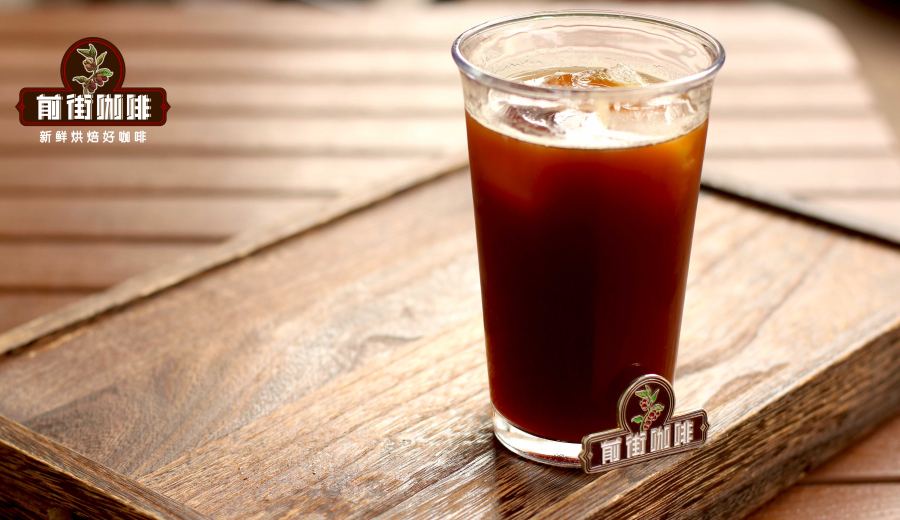
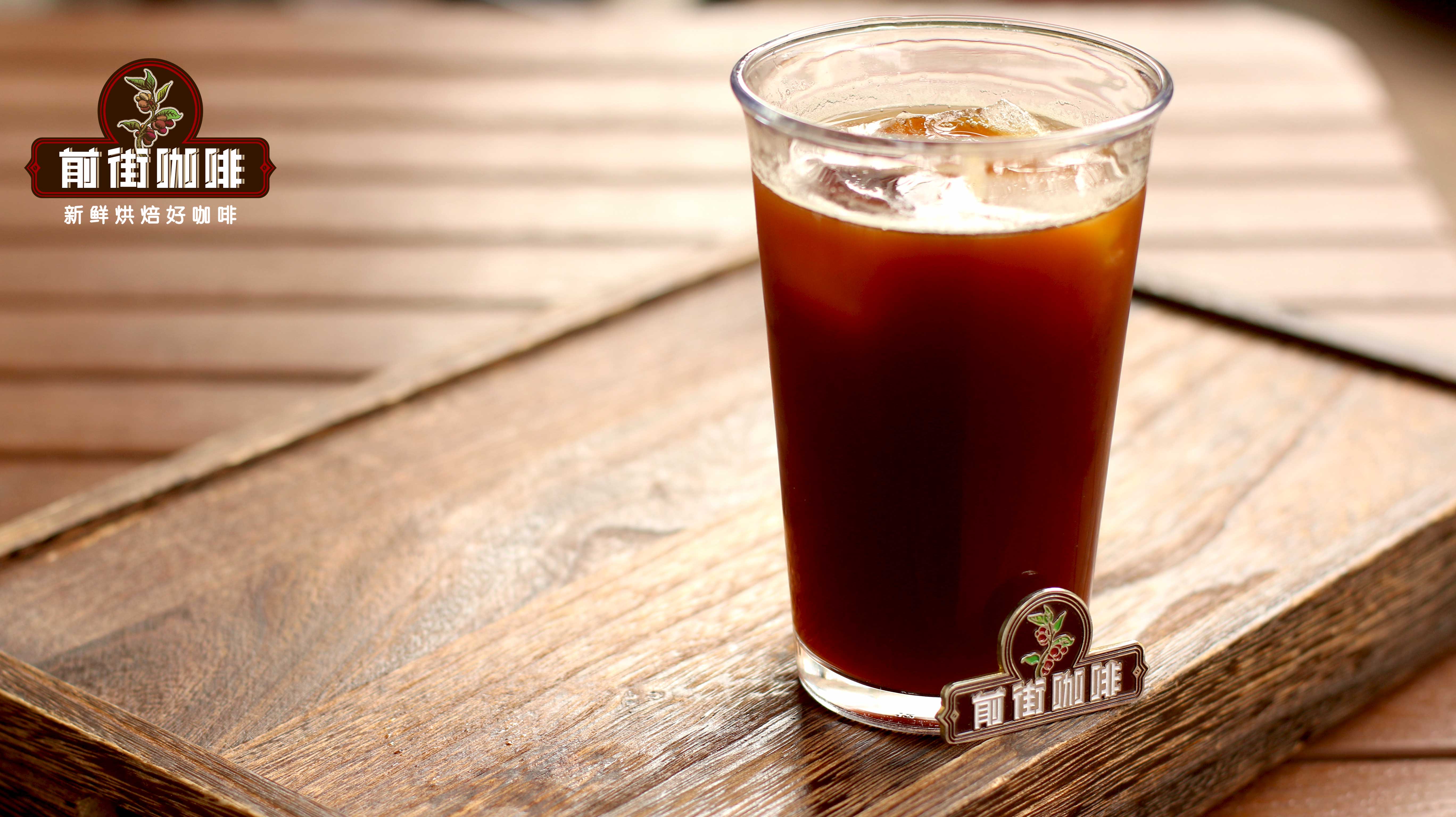
A cupof pure Americano coffee without any additivescontains only about20 calories. This type of coffee is extremely simple in composition, requiring just two ingredients: espresso and hot water. Espresso is a high-concentration extraction method originating from Italy, where the term “espres” means “fast,” indicating the ability to produce a strong black coffee in a short amount of time.
< >
The drinking culture of Americano can be traced back to 18th-century America. At that time, Americans were dissatisfied with Britain’s high tea taxes, leading to a trend of boycotting tea and switching to coffee. By the late 19th century, the U.S. accounted for about one-third of global coffee bean imports. During World War II, American soldiers diluted espresso with hot water to stay alert and alleviate the monotony of battlefield life. This practice gradually evolved into today’s “Americano.”
Since Americano contains no milk or sugar, it better highlights the inherent flavors and aromas of the coffee beans, thus placing higher demands on bean quality and freshness. Below are five espresso blends and single-origin beans (SOEs) suitable for making Americano, each showcasing distinct flavor profiles for coffee enthusiasts to choose from based on personal preference.
1. Classic Espresso Blend
This blend is based on the popular "Mandheling–Brazil" formula from Taiwan in earlier years (a combination of Indonesian Mandheling and Brazilian beans), with the addition of Robusta to enhance the coffee's crema and body. It’s suitable for home use or latte art.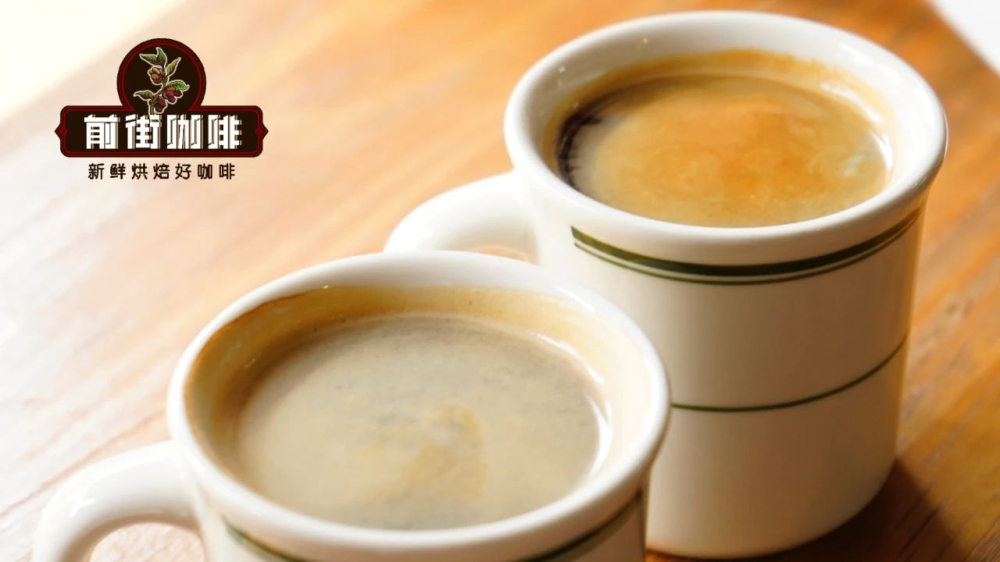
2. Premium Espresso Blend
Combining beans from Brazil and Colombia, two well-known producing regions, the former brings nutty and balanced flavors, while the latter adds notes of chocolate and roasted aroma. The overall flavor is as mellow as butter cookies, ideal for consumers who prefer less pronounced acidity. Commonly used for Americano or latte preparation.
3. Strawberry Candy Espresso
Made with medium-roasted beans from Central and South America, including Costa Rica Tarrazú and Ethiopian beans, along with a small amount of Colombian beans, it delivers soft berry tones and sweetness, reminiscent of strawberry taffy. The resulting crema is fine and the texture is smooth, suitable for those who enjoy fruity and sweet-sour balance. It can also be used in Americano or latte.
4. Bird of Paradise SOE
Using Typica variety from Papua New Guinea, whose top leaves are bronze-colored—also known as "red-top coffee." This SOE features a clean profile, showcasing notes of toasted bread, nuts, and a natural sugarcane-like sweetness. Ideal for coffee lovers seeking subtle and delicate flavors.
5. Queen Estate SOE
From a yellow Bourbon variant grown in São Paulo State, Brazil, its fruits turn orange-yellow when ripe. This bean’s flavor is dominated by nuts and chocolate, with gentle and balanced acidity, mild bitterness, and a long-lasting finish with a rich mouthfeel. Suitable for those who prefer low acidity and full-bodied textures.
The above content is compiled by CoffeeHunters, a coffee news website.


