








Introduction:Gain an in-depth understanding of the washed G1 grade coffee beans from Kochere, Yirgacheffe, Ethiopia—from the regional background, processing methods to the unique flavor profile—in one go to master the core characteristics of this specialty coffee. This article details Kochere’s geographical environment, smallholder farming model, washed processing techniques, and ECX grading system, helping you fully understand this high-altitude coffee with its refreshing flavor and distinct layers, from origin to cup.
Yirgacheffe has long been a representative specialty coffee region in Ethiopia, and Kochere is one of its sub-regions renowned for its refined washed processing. The coffee here is mostly grown at altitudes between 1,900 and 2,000 meters, where the cool climate and significant day-night temperature variations allow the coffee cherries to ripen slowly, accumulating richer flavor compounds. The coffee in the Kochere area is primarily cultivated by hundreds of smallholder farmers, with each household farming less than two hectares on average. The varieties they grow are mainly Typica and local landrace (Heirloom) beans, which have adapted over time to express the bright acidity and complex aromas unique to the Yirgacheffe region.
Although the sample coffee beans introduced in this article are labeled as "Natural Yirgacheffe G1 Red Cherry," they actually come from Chelelektu village within the Kochere region and are processed using the washed method. The batch of coffee was supplied by approximately 500 local family-run smallholder farms that provided red cherries, which were then delivered to a nearby washed processing facility for refinement. This batch of washed G1 grade coffee beans once scored as high as 94 points in cupping—not only excelling in cleanliness and sweetness but also showcasing intense fruity aromas and a sweet caramel finish.
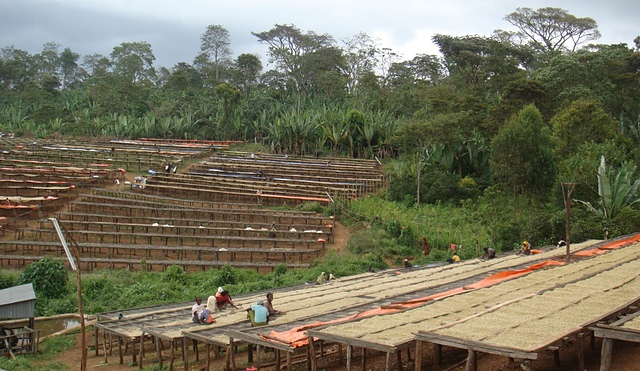
The Kochere region introduced modern washed processing techniques starting in the 1970s and has gradually developed a mature processing procedure and infrastructure. Local processing facilities first select high-quality red cherries, which are then depulped, fermented, and washed. The parchment coffee is subsequently placed on raised drying beds for prolonged shade drying, with moisture content controlled below 12% to ensure bean stability and quality. This refined washed processing method results in Kochere-produced coffee generally exhibiting clear citrus notes, honey-like sweetness, and a noble acidity—making it ideal for coffee enthusiasts who enjoy layered, refreshing profiles.
These coffee beans were graded as the highest level G1 according to the grading standards of the Ethiopian Commodity Exchange (ECX). The ECX system, implemented since 2008, serves as the main trading platform for Ethiopian coffee exports. Through rigorous cupping evaluations, assessments of green bean appearance, and consistency, the coffee is divided into five grades from G1 to G5, with G1 representing the top-tier quality. This batch not only demonstrated elegant floral aromas and bright citrus acidity in cupping, but also featured a complex flavor profile of rich berries, raisins, and caramel, with a delicate and long-lasting aftertaste.
Although Yirgacheffe is a small town under the Sidama region, its uniquely flavored coffee has long carved out a distinctive place in the global specialty coffee market. The three surrounding micro-regions—Wenago, Kochere, and Gelena Abaya—were also incorporated under the Yirgacheffe designation by the ECX in 2009 due to their similar flavor profiles, further enhancing market recognition and grading precision. Kochere is one of them, and its washed beans often exhibit fresh floral notes, bright acidity, and fruity aromas, making them a top choice for many pour over coffee enthusiasts.
If you are a beginner or advanced practitioner of pour over coffee, this Kochere washed G1 coffee bean is an excellent subject for practice and tasting. It is recommended to use a medium-light roast, with a grind size around medium-fine (for example, if using a V60 dripper, adjust to a medium-fine grind similar to granulated sugar), and water temperature controlled between 90–92°C. Employ a staged extraction method—for instance, start with a 30-second bloom using 30 grams of water, then proceed with staged pours up to a total of 240 grams, with a total extraction time ideally between 2 minutes 30 seconds and 3 minutes—to fully highlight its layers of citrus, berries, and caramel.
In summary, the washed G1 grade coffee beans from Ethiopia’s Kochere region, with their mastered washed processing techniques, dedicated cultivation by smallholders, and the stringent ECX grading system, create a specialty coffee that is refreshing in flavor, balanced in acidity and sweetness, and rich in layers. Whether as a daily drinking bean or an introductory choice for exploring the terroir of Yirgacheffe, it is an outstandingly representative recommendation.
The above content is compiled by CoffeeHunters, a coffee news website.


