







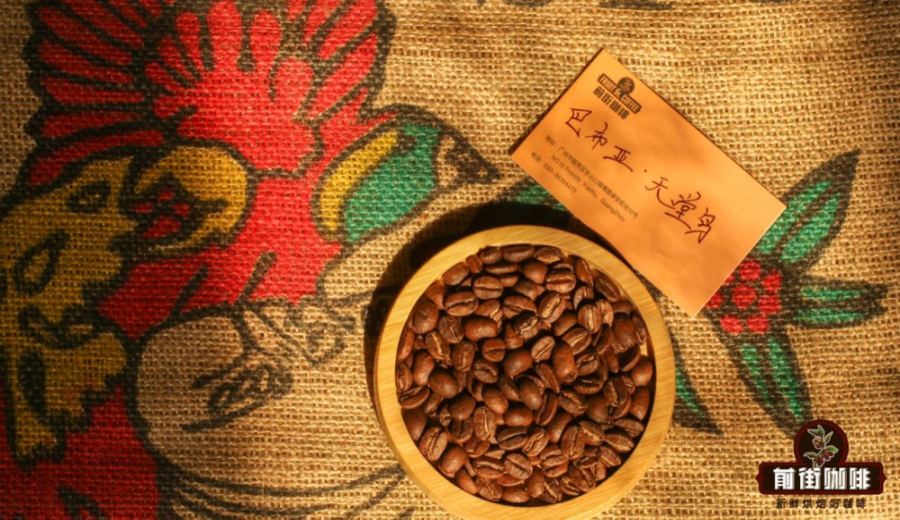
Introduction:Although Papua New Guinea coffee is not a mainstream origin, it produces high-quality beans with distinctive floral and fruity notes, thanks to its unique volcanic soil and highland climate. This article takes an in-depth look at the country’s most representative estate—Sigri Estate’s Bird of Paradise coffee. From regional background and processing methods to practical pour over parameters, it helps coffee enthusiasts master this Asia-Pacific-flavored bean that balances well and features a crisp acidity.
Located in the southwest Pacific, Papua New Guinea may not be a popular coffee region on the global map, but its unique geographical environment gives rise to a truly distinctive coffee flavor. This island nation boasts active volcanic zones and dense rainforests, providing coffee trees with mineral-rich volcanic soil and consistently humid climates. As a result, the coffee produced here generally exhibits bright acidity, sweet floral and fruity aromas, and stands in stark contrast to the commonly heavy-bodied Indonesian beans.
The country’s coffee industry dates back to the 1920s, when the Blue Mountain Typica variety, introduced from Jamaica, became an important foundation. Uniquely, over 80% of PNG’s (Papua New Guinea’s abbreviation) coffee comes from smallholder farmers’ own “coffee gardens.” Though each household’s planting scale is small, meticulous management often results in surprisingly delightful flavors. Most of these coffees are processed using the washed method, yielding clean tastes and soft acidity—perfect for drinkers who prefer refreshing profiles.
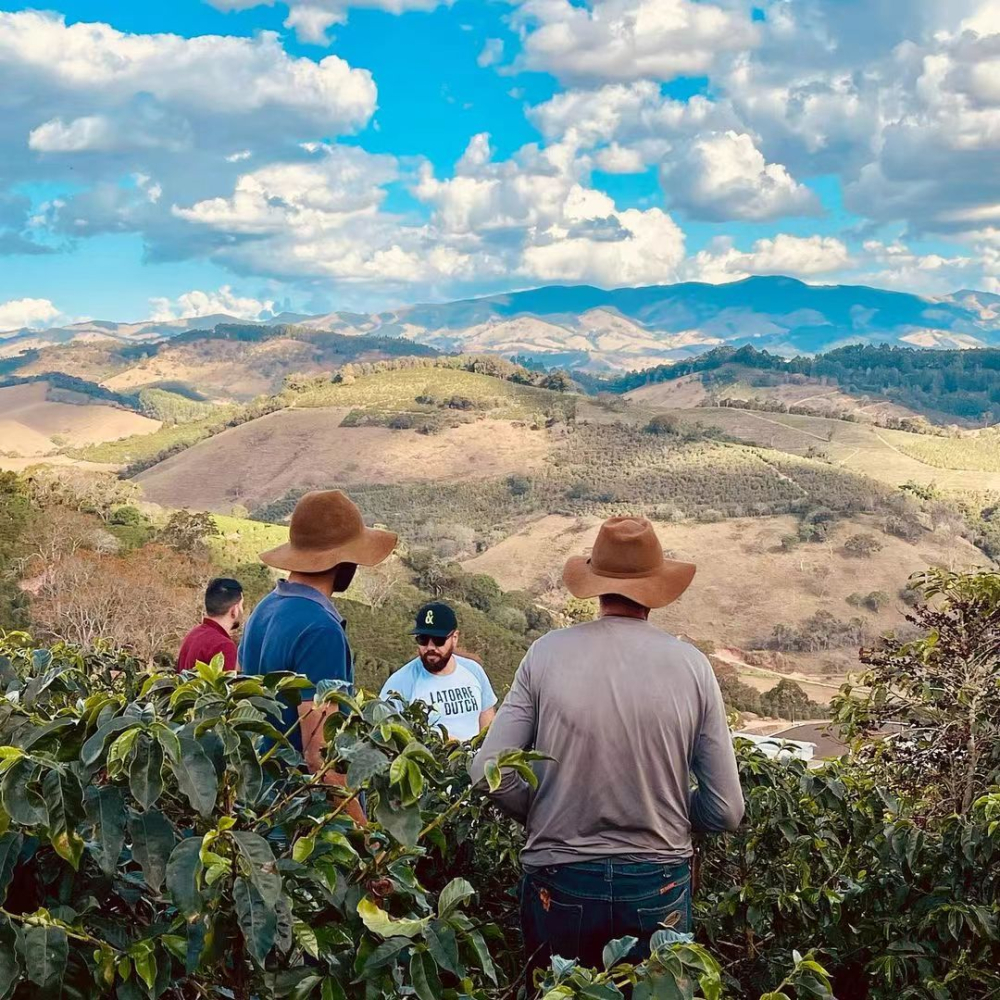
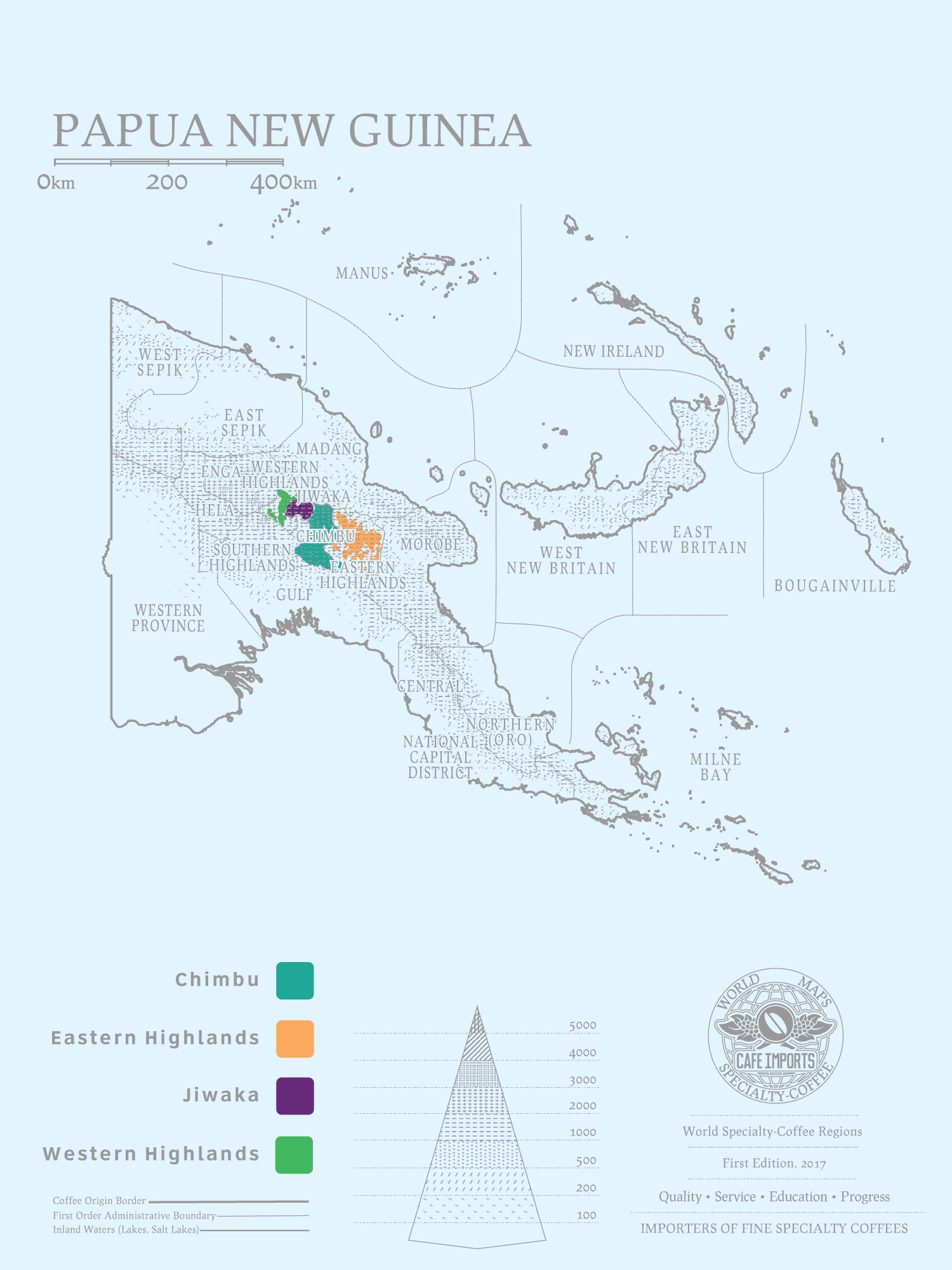
Papua New Guinea’s coffee-growing regions are mainly located in the Western Highlands and Eastern Highlands. Among them, the Waghi Valley, situated in the Western Highlands Province, is one of the well-known high-quality producing areas. With elevations generally ranging between 1,600 and 1,800 meters, the region not only enjoys a cool climate but also benefits from exceptionally well-drained volcanic soil, offering ideal conditions for coffee cultivation. The area has stable annual temperatures and distinct wet and dry seasons, which help coffee cherries ripen slowly and accumulate richer flavor compounds.
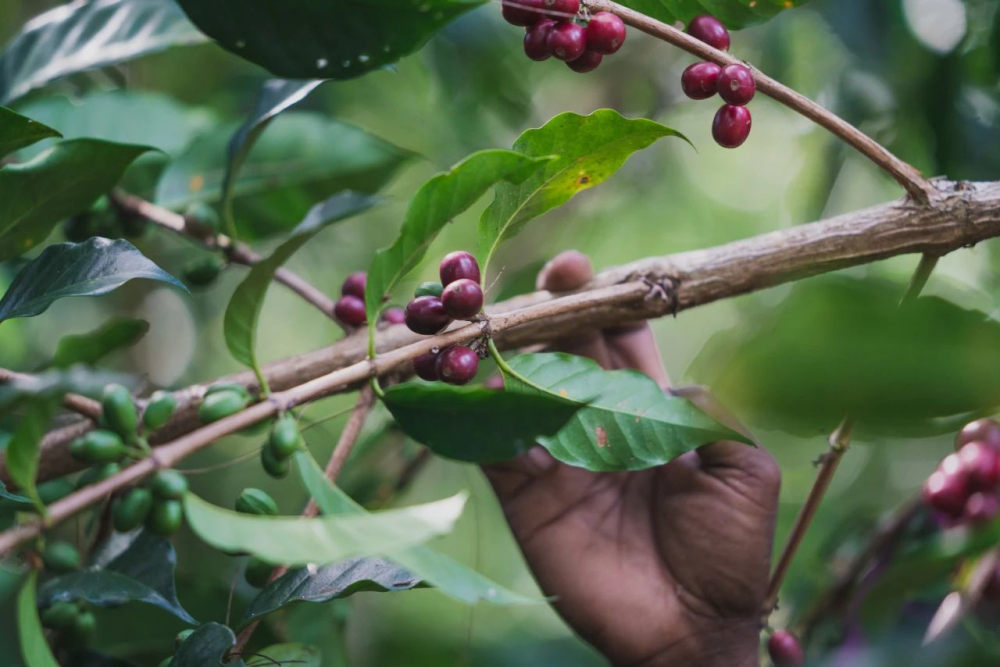
Sigri Estate is a representative farm located in this prime zone. Since the 1950s, it has been dedicated to growing and processing specialty coffee. With a history of over 60 years, it is one of the pioneers in Papua New Guinea to engage in professional coffee production. During the harvest season (April to September), the estate only picks fully ripe, red coffee cherries and insists on hand-sorting to ensure every bean meets high standards. In addition, Sigri places great emphasis on sustainable practices, completely banning the use of pesticides and preserving the surrounding ecosystem. Up to 90 bird species have been observed within the estate, including the country’s national bird—the Bird of Paradise—hence the name “Bird of Paradise Estate.”
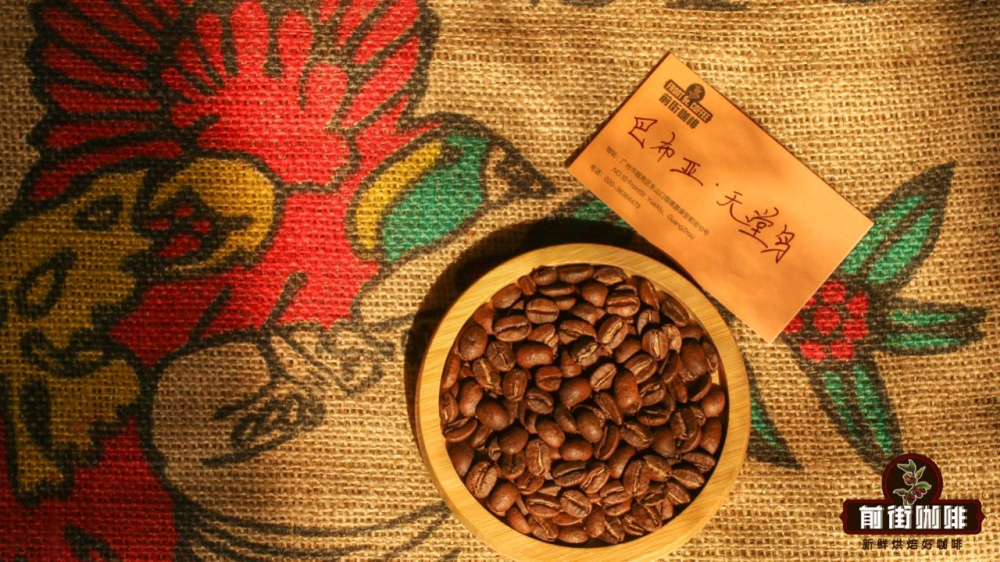
The Bird of Paradise coffee beans introduced here are produced at Sigri Estate. The variety is the classic Typica, grown at an altitude of approximately 1,600–1,800 meters, and processed using the washed method. This processing style effectively highlights the coffee’s cleanliness and bright acidity, while retaining delicate sweetness and complex layers. According to cupping results, this bean offers a well-balanced flavor profile. At lower temperatures, you can perceive a soft citrus acidity; at medium temperatures, caramel and dark cocoa notes are released; and the finish leaves behind hints of almond and nuts. Overall, it’s highly suitable for exploring through pour over brewing.
In terms of quality grading, Papua New Guinea uses multiple criteria, including bean size (Screen Size), defect rate, bean shape, green bean color, aroma, roast performance, and cup quality. Among these, beans larger than screen 18 are classified as the top-grade AA—the most popular grade in the market. Bird of Paradise coffee falls into this grade, indicating its uniform size, minimal defects, and the consistency and high potential expected of specialty coffee.
For home brewers looking to try this coffee, the following practical parameters are recommended: water temperature should be controlled between 88–89°C, with a coffee-to-water ratio set at 1:15. Grind size can be similar to sugar granules, and using a KONO filter cone helps achieve a stable extraction of flavors. For the specific steps: first, use about 30 grams of hot water for a 30-second bloom to awaken the coffee grounds; then pour water steadily with a small stream until the water level reaches 125 grams for the first pour; once the water level drops slightly and is about to expose the coffee bed, continue pouring to reach a total of 225 grams to complete the extraction. This parameter setup helps balance sweetness and acidity, showcasing clear layering, and ultimately delivers a creamy smooth mouthfeel with a gentle chocolatey aftertaste.
In summary, Papua New Guinea’s Bird of Paradise coffee beans, thanks to their unique terroir, traditional washed processing, and the rigorous management of Sigri Estate, have created a specialty coffee that combines fresh fruitiness with a rich aftertaste. Whether you’re a beginner in pour over brewing or a seasoned coffee enthusiast seeking new flavors, this bean from the Pacific island is well worth adding to your daily coffee lineup to experience the distinctive charm of Asia-Pacific coffee.
The above content is compiled by CoffeeHunters, a coffee news website.


