







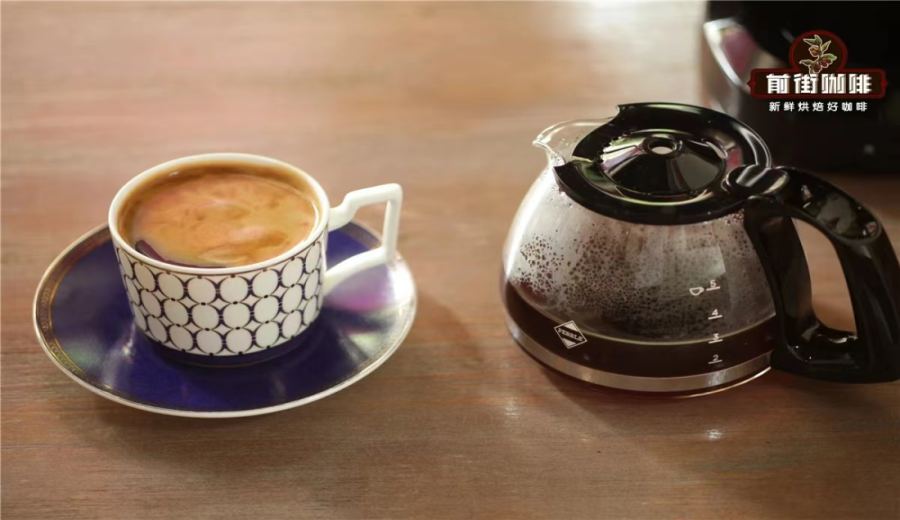
Introduction:Have you ever wondered what the real differences are between Americano and espresso? The two differ significantly in brewing methods, flavor profiles, caffeine content, and even calorie count. This article will delve into the core distinctions between these two common types of coffee, including their brewing principles, suitable scenarios, flavor expressions, and supplementing with insights on how coffee bean freshness affects extraction—helping you make a more informed choice based on your needs.
Coffee has become an indispensable part of many people’s lives, whether it's office workers busy at their desks or those accustomed to staying up late—all often rely on a cup of coffee to boost their energy. However, when faced with the wide variety of coffee options available on the market, many still confuse “Americano” with “espresso.” These two seemingly similar drinks actually differ markedly in preparation methods, flavor characteristics, and caffeine levels. This article will compare the two from multiple perspectives, helping you understand their differences in depth, while also providing practical brewing advice so you can drink with clarity and choose what suits you best.
Among the many types of coffee, Americano is arguably one of the most common and widely accepted choices. So-called Americano is typically made by drip filtration, pour over, or by diluting espresso with water. Its hallmark is a light taste, with almost no added milk or sugar, hence it is also referred to as “black coffee.” If strictly categorized, Americano can be seen as an extension of espresso, as it is often based on espresso and then diluted with water to adjust strength. Since it uses only coffee grounds and water, the calorie content of Americano is almost negligible, making it highly suitable for consumers who are mindful of calorie intake. Americano is especially popular in the United States, where coffee drinking tends to be more casual. Common home models such as drip coffee makers only require adding coffee grounds and pressing a button to start automatic extraction. However, extraction results can vary depending on the amount of coffee used, water volume, and brewing time—which is also the main reason each cup may taste slightly different.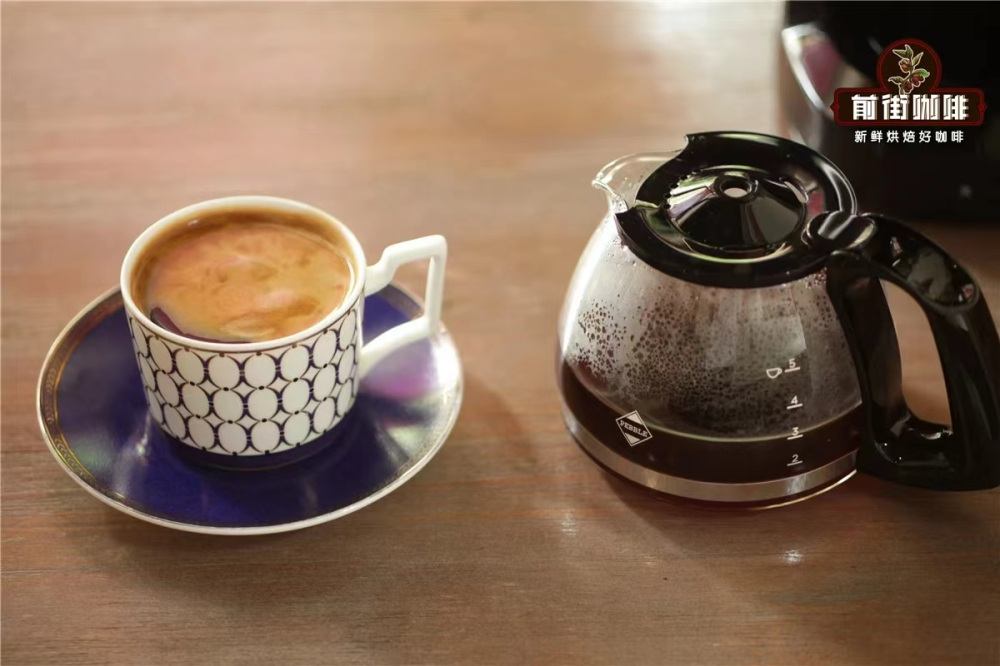
As for espresso, it refers to a concentrated coffee extracted rapidly using high pressure and hot water, the most representative example being ESPRESSO. This type of coffee originates from Italy and is known for its intense flavor and robust body. It is made by forcing extremely hot (but not boiling) water through finely ground coffee under high pressure (about 9 atmospheres), typically taking just 25 to 30 seconds to extract around 30 milliliters of concentrated liquid. This high-concentration coffee liquid serves as the base for many classic coffee drinks such as lattes, cappuccinos, and caramel macchiatos. Espresso is usually made using a professional espresso machine or a moka pot, which not only preserves the original flavors of the coffee but also showcases the unique crema layer, adding richness to the overall taste.
So, what are the specific differences between Americano and espresso? Below is a comparison from several key aspects:
1. Brewing Methods and Usage Scenarios Differ
Americano machines are mostly used in environments requiring bulk brewing, such as homes or offices, and can only brew using coffee powder. When selecting one, it is recommended to pay attention to the machine’s material (stainless steel is better, black plastic is preferable if choosing plastic for its stain resistance), the design of the outlet holes (at least 9 holes or more are advised to ensure even extraction), and whether it has timer and auto-on/off features to enhance usability.
Espresso machines, on the other hand, are geared toward small-batch, high-quality production, suiting users with higher demands for coffee quality. When choosing one, look for stability and a tight seal (to avoid leaks), support for automatic grinding and switching between various coffee bean types, whether it includes a milk frothing function, and boiler power (higher power means faster heating). Additionally, the moka pot is also an economical option for making espresso-style coffee.
2. Differences in Taste and Flavor Expression
Espresso excels in boldness and intensity, offering a strong coffee flavor and layered complexity in a single sip, making it ideal for those who prefer a heavier taste. Americano, on the other hand, is diluted, resulting in a lighter overall flavor with a paler, clearer color—you can sometimes even see the coffee color at the bottom of the cup—making it suitable for those who enjoy a lighter mouthfeel or simply want to savor the pure taste of coffee.
3. The Truth About Caffeine Content
Many people assume that espresso always contains more caffeine than Americano, but in reality, the caffeine levels in both mainly depend on the type of coffee beans used and the degree of roasting. Generally speaking, Arabica beans, considered specialty coffee, contain about 1.2% caffeine, which is relatively low, while Robusta beans can contain 2.4% to 4%. In addition, roasting temperature and duration also affect caffeine content: high-temperature, long-duration roasting can damage some cellular structures, slightly reducing caffeine levels—so dark roast coffee isn’t necessarily higher in caffeine than light roast. In other words, the caffeine difference between the two isn’t absolute but influenced by multiple factors.
No matter which type of coffee you prefer,the freshness of the coffee beans is the most critical factor affecting flavor. Freshly roasted coffee beans retain the most aroma and flavor compounds. It’s recommended to choose beans roasted within 5 days and to let them rest for 4 to 7 days after receiving them—this is when the flavor often reaches its peak. Furthermore,once coffee is ground, its flavor deteriorates quickly, so it’s best to buy whole beans and grind them fresh before brewing to fully experience the original charm of the coffee.
The above content is compiled by CoffeeHunters, a coffee news website.


