







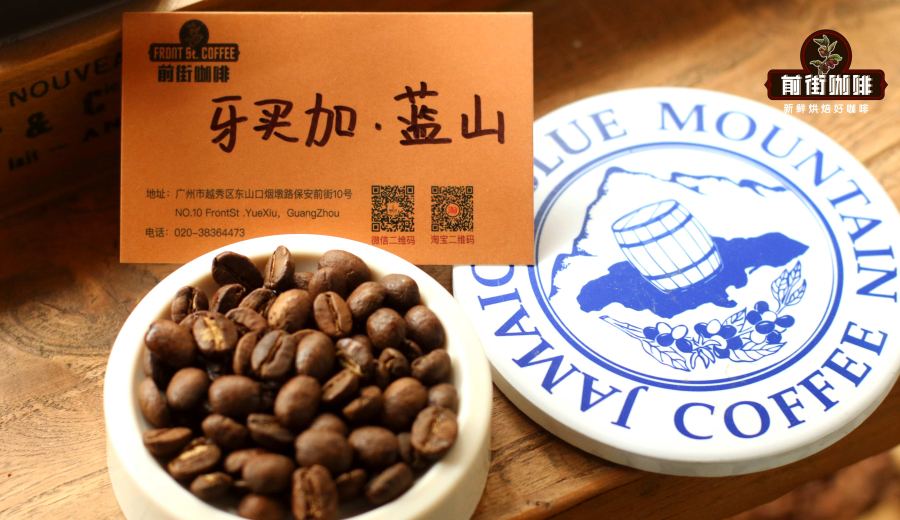
Introduction:Blue Mountain coffee is often regarded as the pinnacle of the coffee world, but its high price and the many "Blue Mountain-flavored" products on the market often confuse consumers. This article delves into the historical background of Blue Mountain coffee, particularly how Japan’s once-exclusive purchasing rights were terminated in 2012, and takes you through the true production regions, grading standards, and certification methods of genuine Jamaican Blue Mountain No. 1. It also provides professional pour over recommendations and parameters to help you brew a top-tier Blue Mountain coffee with balanced acidity and sweetness, as well as a rich and smooth body at home.
When it comes to Blue Mountain coffee, many people’s first impression is “high price” and “rarity.” But where does this impression come from? In fact, prior to 2012, due to the limited production of Jamaican Blue Mountain coffee and Japan’s exclusive purchasing rights—granted in recognition of its assistance to Jamaica during natural disasters that led to reduced yields—up to 90% of Blue Mountain coffee beans were exported to the Japanese market at the time, making it extremely rare internationally and driving prices up significantly.
However, starting in 2012, the Jamaican government revoked Japan’s exclusive purchasing rights, and the distribution of Blue Mountain coffee gradually became more international. Although the price remains relatively high, it is no longer an extremely hard-to-obtain delicacy, and average consumers now have the opportunity to taste the unique flavor of this “King of Coffees.”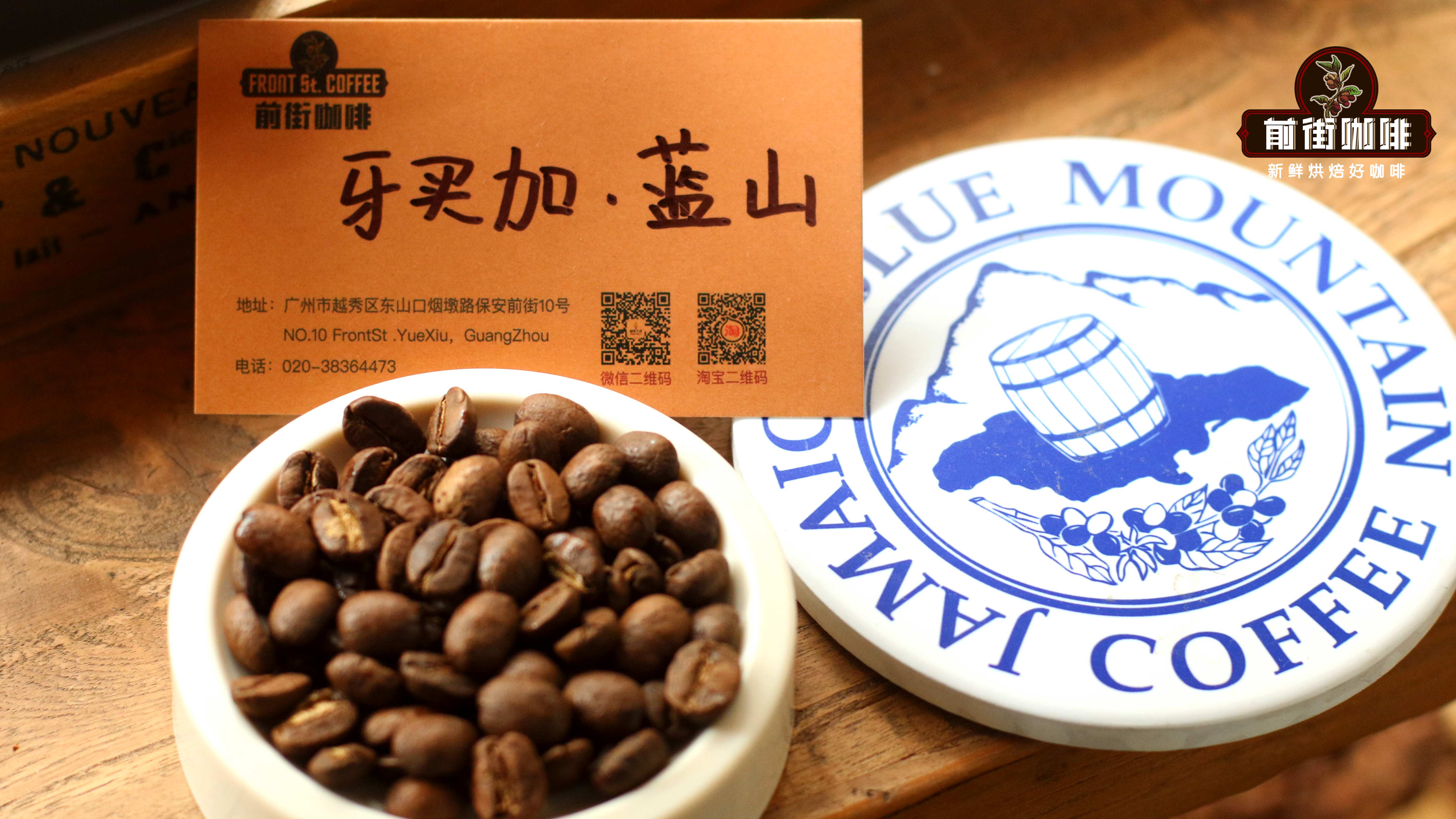
So, what exactly qualifies as “Blue Mountain coffee”? By definition, authentic Jamaican Blue Mountain coffee must be 100% grown in the Blue Mountains of Jamaica, at elevations between 910 and 1700 meters, and of the Typica variety. These conditions contribute to the distinctive delicate, sweet-and-acidic balance, and rich mouthfeel of Blue Mountain coffee. Among them, “Blue Mountain No. 1” is the highest grade, requiring bean size between 17 and 18 mesh, a defect rate of no more than 2%, and beans that are plump, uniform, and naturally semi-oval in shape.
It’s worth noting that many instant coffees, canned drinks, or blended beans on the market that claim to be “Blue Mountain-flavored” or “Blue Mountain blends” do not use genuine Blue Mountain No. 1 green beans. They only simulate the flavor, and consumers should pay special attention to origin and grade labeling when making purchases.
Authentic Blue Mountain green coffee beans are exported in whole wooden barrels, which is not only to protect the quality of the beans but also part of the certification process. If you purchase first-hand green beans, you can apply to the Jamaica Coffee Industry Board (CIB) or the producing estate for an official certification certificate, which serves as important proof of authenticity. In physical stores, you may even see these wooden barrels and certificates on display.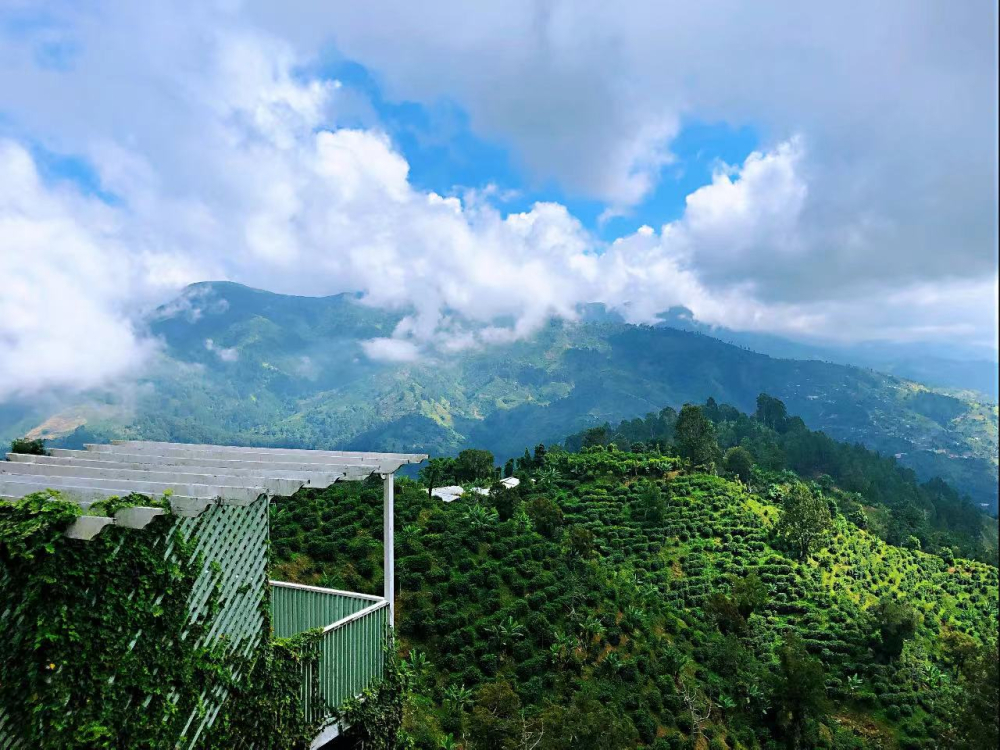
To allow more coffee enthusiasts to experience the charm of authentic Blue Mountain No. 1, many specialty coffee shops choose beans from the historic Clifton Estate in the Blue Mountains. This coffee is typically sold at a price of 158 yuan per 100 grams, which means brewing a cup costs around 60 yuan, allowing people to enjoy top-tier flavor within a reasonable budget.
In terms of roasting, to fully showcase the characteristic richness and delicate balance of Blue Mountain coffee, most specialty shops opt for a medium-dark roast and ensure that the beans are shipped within five days of roasting completion. This guarantees that customers receive freshly roasted beans, which has a significant impact on the final extraction flavor.
If you want to brew a cup of Blue Mountain coffee with balanced acidity and sweetness and a smooth mouthfeel at home, the following parameters are recommended: water temperature of about 88°C, 15 grams of coffee grounds, a 1:15 coffee-to-water ratio, medium-coarse grind (recommended using a 20-mesh sieve with about 70% extraction rate), and brewing with a Kono filter to help achieve even extraction and flavor expression.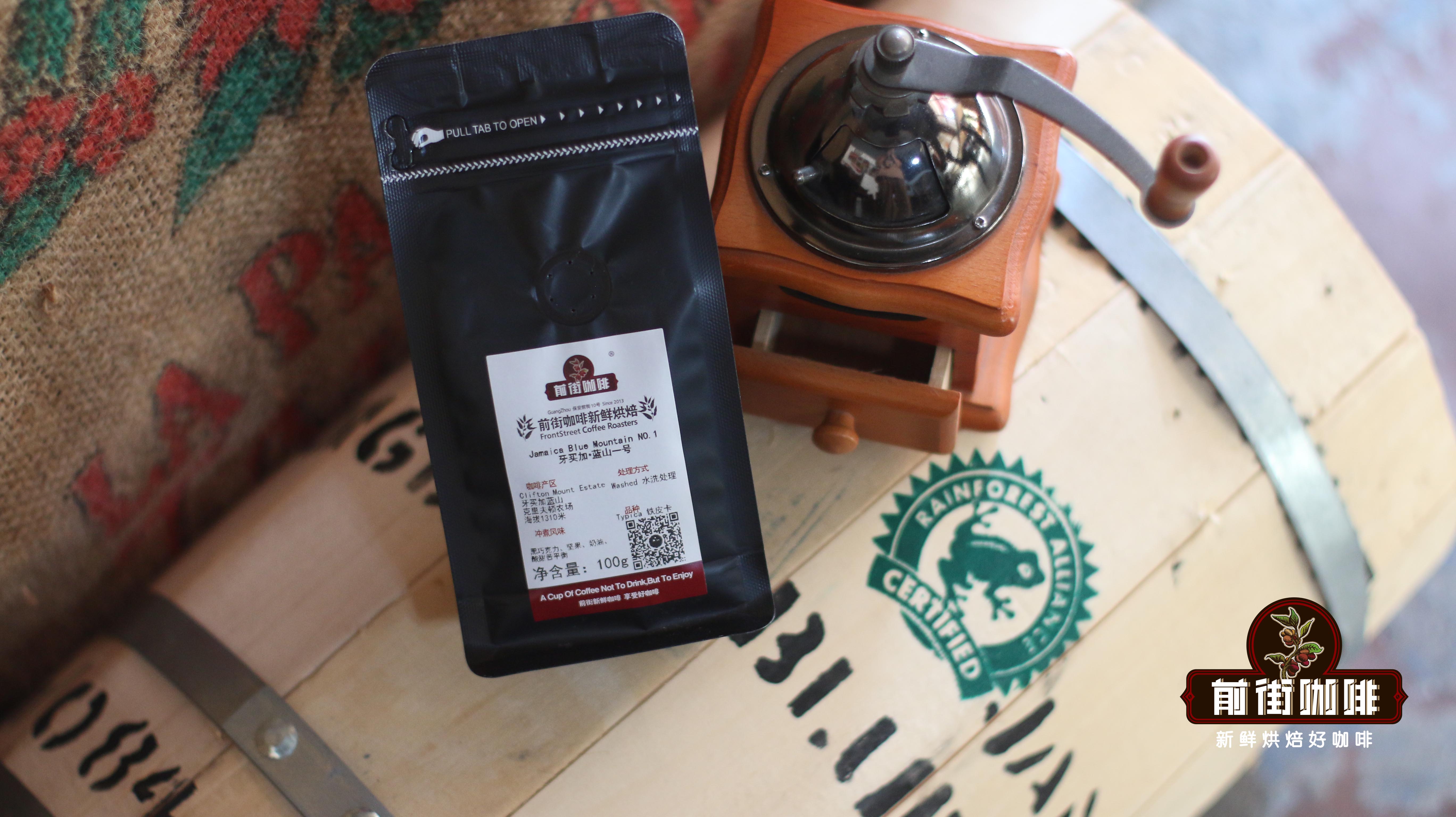
The specific pour over steps are as follows: First, pour about twice the amount of coffee grounds’ weight in water for the bloom, which is about 30 grams of water for 30 seconds. This step helps release carbon dioxide from the coffee grounds, ensuring more stable extraction afterward. Then, pour water in small circular motions. When the total water volume reaches 125 grams, perform the first pour. Continue pouring until you reach 225 grams, then stop. Once all the water has dripped through the filter, remove the filter. The total extraction time should be controlled to around 2 minutes and 10 seconds. Finally, it’s recommended to gently swirl the brewed coffee before pouring it into the cup to enjoy a more balanced flavor experience.
The flavor profile of a Jamaican Blue Mountain No. 1 pour over typically showcases rich notes of dark chocolate and nuts, with a silky-smooth mouthfeel, bright yet non-aggressive acidity, and a perfect balance with sweetness and a full body. It is considered a “dream coffee” by many coffee experts.
The above content is compiled by CoffeeHunters, a coffee news website.


