








Introduction:A deep dive into the origin, variety characteristics, and wet-hulled processing of Sumatra Tiger Mandheling, uncovering the sources of its pine-like aroma and full-bodied flavor. This article begins with the geographical background of the Aceh region, guiding you through the 19-mesh selection standard, the traits of Typica and Catuaí varieties, and detailing a certain coffee shop’s medium-dark roast profile and Kono dripper brewing parameters. It’s an essential practical guide for both beginners and advanced enthusiasts looking to explore the flavors of Indonesian Mandheling.
Sumatra Mandheling has long been an iconic product of Indonesian coffee, and among them, Tiger Mandheling—named after the endangered Sumatran tiger—has garnered widespread attention for its rarity and refined processing. This coffee from the Aceh region in northern Sumatra is meticulously selected using a 19-mesh standard, featuring Typica and Catuaí varieties. Processed via the wet-hulled method, it delivers unique pine, agarwood, and high sweetness profiles, making it a classic favorite among many coffee lovers.

As a key producing area of Sumatra Mandheling, Aceh is located at the northernmost tip of the island. Once marked by turmoil due to political and religious factors, it has now entered a period of peaceful development, leading to a flourishing coffee industry. The renowned Lake Tawar and Lake Laut Tawar near Lidng are hailed as the “Twin Lakes of Two Mandhelings,” not only offering stunning scenery but also nurturing uniquely flavored coffees. Notably, the quality and yield of Mandheling from Aceh in recent years have gradually surpassed those from Lintong, drawing increasing international attention from prominent green bean traders.
As for this coffee named “Tiger Mandheling,” its name is derived from the Sumatran tiger—the iconic endangered species of Indonesia, symbolizing strength and nobility. These coffee beans are carefully selected to be 19-mesh in size and undergo three rounds of hand-picking, retaining only mature, plump coffee cherries. Hence, they are hailed as “Sumatran tiger-grade” premium beans. Cupping results show that the beans exhibit high body, smooth mouthfeel, and pronounced agarwood and sweetness notes, with a long-lasting aftertaste that evokes the steady aura of a tiger moving low to the ground.
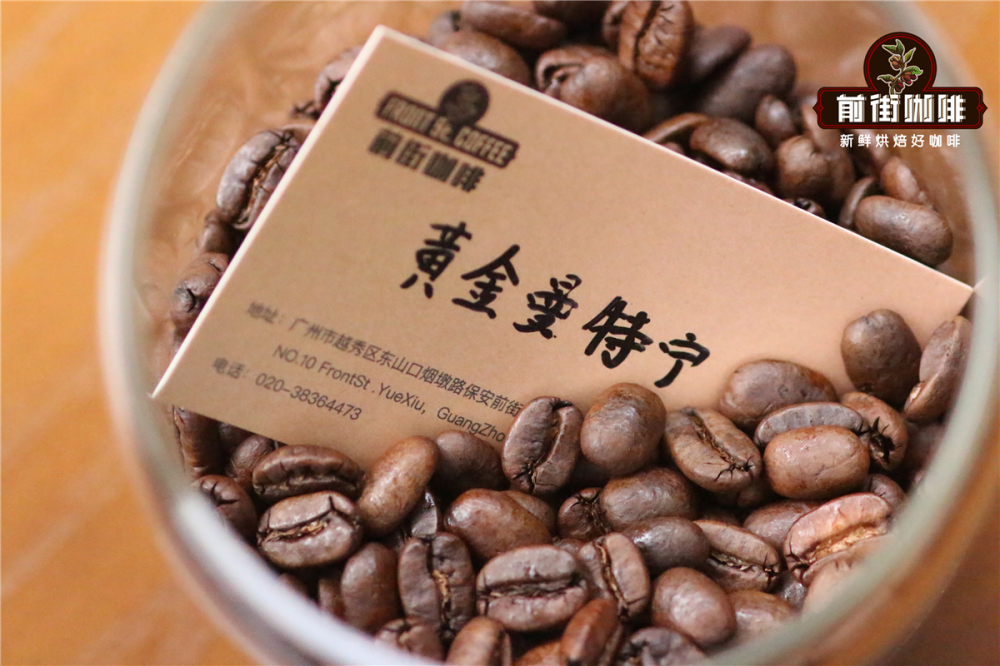
Another highlight of Tiger Mandheling is its distinctive pine and agarwood aroma, which is not commonly found in typical Mandheling and becomes a key feature that sets it apart in the market. This unique aroma is closely related to its variety selection and the wet-hulled processing method.
In terms of variety, Tiger Mandheling primarily uses two classic Arabica varieties: Typica and Catuaí. Typica features bronze-colored top leaves, with beans that are slightly elliptical or thin-pointed in shape. It offers delicate and layered flavors but is relatively weaker in disease resistance and lower in yield. Catuaí, a Bourbon mutation, has slender, slightly curved beans. It not only has higher productivity and stronger disease resistance but also delivers bright acidity and good sweetness. The combination of these two varieties provides a rich flavor foundation for this coffee.
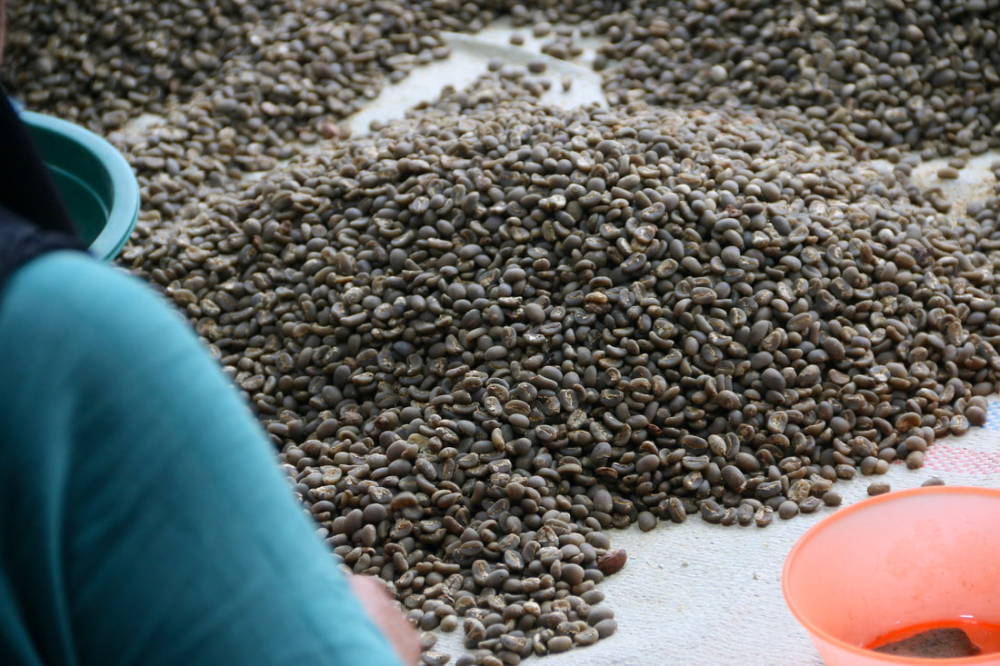
In processing, Tiger Mandheling employs Indonesia’s highly representative wet-hulled method. This technique first removes the skin and pulp, followed by a brief fermentation and sun drying. Then the mucilage and parchment layers are removed, and the beans are continuously dried until the moisture content reaches around 12%. Since the overall drying time is only two to four days, the fermentation period is significantly shortened, resulting in noticeably reduced acidity. In exchange, this yields higher body and intense caramel, herbal, grassy, and even woody notes, creating the signature full-bodied flavors of the Sumatra region.
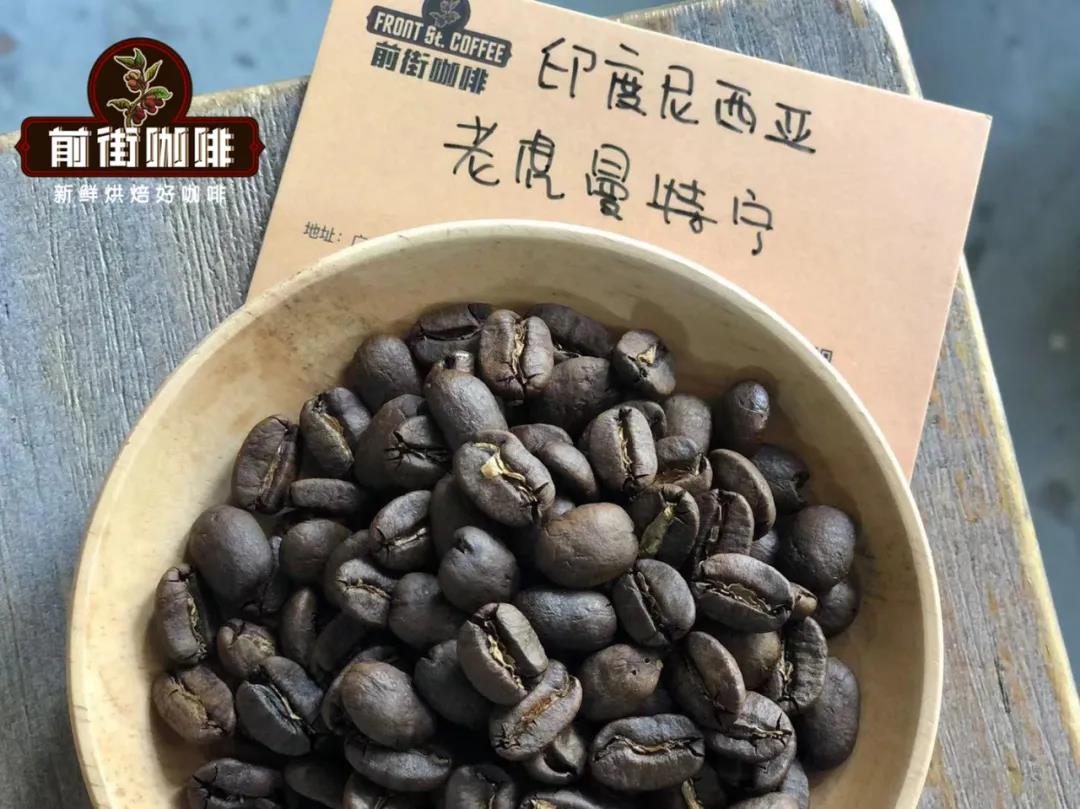
When roasting this Tiger Mandheling, a certain coffee shop observed that the green beans were round and plump, with a greenish-yellow hue, good uniformity, and relatively high moisture content. Therefore, the goal was set for a medium-dark roast to fully showcase its bold character while balancing the acidity. The specific roasting profile is as follows: charge at 200°C with the fan at level 3. After 30 seconds, reduce the heat to 160°C, keeping the fan unchanged. The turning point occurs at 1 minute and 45 seconds, after which the heat is maintained. At 5 minutes and 18 seconds, when the bean surface turns yellow and the grassy smell dissipates, entering the drying phase, the heat is reduced to 140°C and the fan is adjusted to level 4. By 7 minutes and 30 seconds, the drying is complete, and the bean surface gradually shows wrinkles and dark spots, releasing a toasted bread aroma, followed by a distinct coffee fragrance. Around the 9-minute mark, first crack begins. The heat is adjusted to 110°C, the fan is fully open, and development continues for 4 minutes after first crack, with the roast finishing at 203°C.
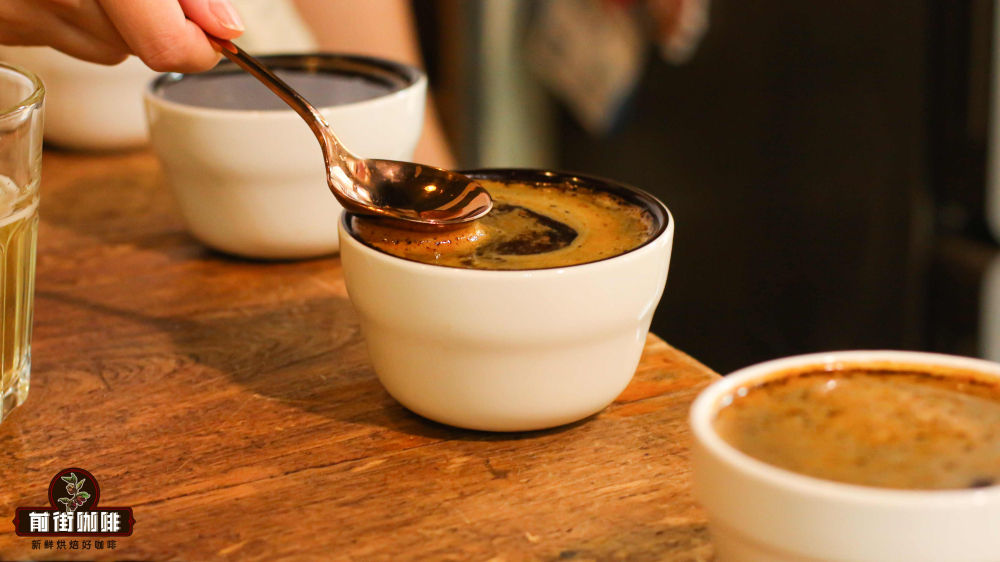
Cupping results indicate that this coffee’s dry aroma carries herbal and pine notes, while the wet aroma showcases rich traditional Chinese herbal and caramel scents. On the palate, the dominant flavors are herbal, nutty, creamy, and dark chocolate, delivering an overall full-bodied profile with notable sweetness. The aftertaste is clean and clear, representing a classic interpretation of Sumatra flavors.
For this medium-dark roasted coffee bean, if you want to fully bring out its bold texture and layered complexity, it is recommended to use the Kono dripper for pour over. The Kono dripper features ribs concentrated at the bottom, allowing the filter paper to adhere more tightly, effectively controlling airflow speed, and extending the water-to-coffee contact time. This enhances extraction efficiency and body. Its immersion effect also helps release more coffee compounds, resulting in a more intense and balanced overall flavor.
Recommended brewing parameters are as follows: use 15 grams of coffee grounds, with a brew ratio of 1:15, water temperature controlled at 88°C, and grind size at medium-coarse (approximately 73% passing through a standard 0.85mm sieve). The specific steps are: start with a 30-gram bloom for 30 seconds, then pour in a small circular motion until reaching 125 grams for the first pour. When the water level is about to uncover the coffee bed, pour again up to 225 grams, then stop and wait until the water level drops close to uncovering the coffee layer before removing the dripper. Total brew time is approximately 2 minutes and 5 seconds, yielding a cup of Tiger Mandheling with clear flavors, prominent sweetness, and distinct layers.
In summary, Tiger Mandheling not only has a story-rich name, but its origin background, variety selection, processing method, and brewing approach all showcase the unique charm of Sumatra coffee. Whether you’re a beginner just starting out or an advanced enthusiast seeking the classic Mandheling flavor, this coffee is definitely worth trying.
The above content is compiled by CoffeeHunters, a coffee news website.


