







Introduction:Have you often heard the terms “single-origin coffee beans” and “espresso blend beans,” but aren’t quite sure what sets them apart? This article will delve into the definitions, roasting strategies, and practical applications of both, explaining why espresso typically favors blends—and guiding you through the key principles and techniques of blending. Whether you’re new to coffee or a flavor enthusiast, you’ll gain useful knowledge on selecting beans and brewing methods.
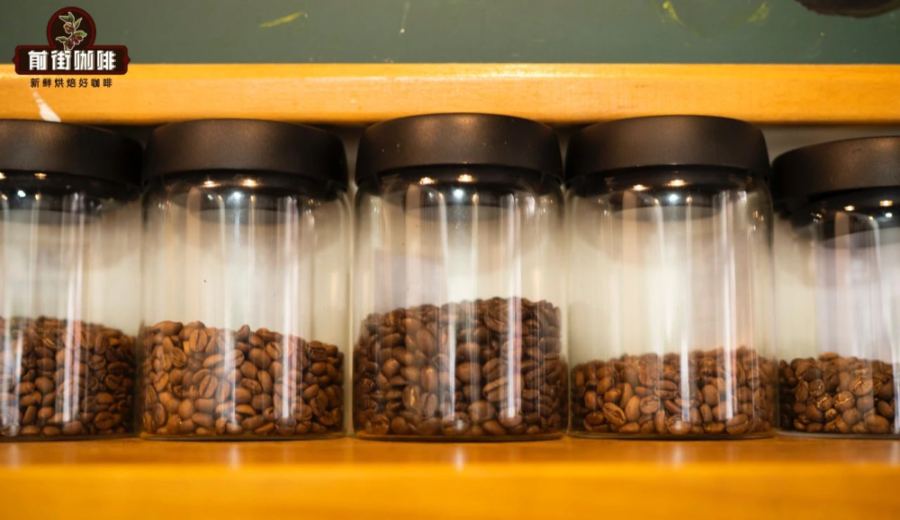
In the world of coffee, “single-origin coffee beans” and “espresso blend beans” are two commonly mentioned yet easily confused concepts. Simply put, single-origin beans come from a specific region, and can even be traced to a particular farm or cooperative—offering high traceability and commonly found in the specialty coffee scene. On the other hand, blend beans are carefully crafted from two or more beans sourced from different regions or countries, blended with a specific goal in mind to create a more balanced and layered flavor profile.
Many pour over enthusiasts prefer single-origin beans because they highlight the unique terroir characteristics of their origin—for example, the bright acidity and floral notes of Ethiopian beans, or the rich earthy tones of Sumatra from Indonesia. For espresso, however, blends are usually the go-to choice among most professional cafés due to their stable and multifaceted flavor profiles. It’s worth noting that while it’s technically possible to make espresso with single-origin beans, doing so often leads to issues such as unbalanced flavors, overly pronounced acidity, or insufficient body in practice.
When it comes to roasting strategies, single-origin beans usually follow different roasting directions based on their regional traits. For instance, Ethiopian coffee beans are often medium-light roasted to preserve their inherent fruity acidity and floral notes, whereas Indonesian Mandheling beans are typically medium-dark roasted to enhance their bold nutty, chocolatey, and caramel-rich characteristics. These roasting choices also directly influence the extraction performance and flavor release afterward.
As for blend beans, a lot more professional judgment and repeated testing are involved. To successfully create a well-performing blend, one must first clarify the theme and desired flavor profile of the blend—for example, whether it emphasizes bright acidity, creamy smoothness, or a rich caramel and chocolate finish. Next, understanding the individual character of each single-origin bean is crucial, including its acidity, sweetness, body, and aftertaste—qualities that usually require extensive cupping experience to grasp.
When blending, it’s recommended to follow several basic principles: first, choose beans with complementary traits, avoiding too many origins or processing methods with similar flavor profiles; second, select beans based on three dimensions—origin, processing method, and flavor profile—with common choices including Brazil, Colombia, and Yemen Mocha; third, control the number and ratio of beans in the blend, typically aiming for 2 to 6 types, ensuring there’s a primary and secondary balance to prevent flavors from canceling each other out. Additionally, you can experiment by mixing the same bean at different roast levels, or combining fresh beans with aged beans to create a richer layering effect.
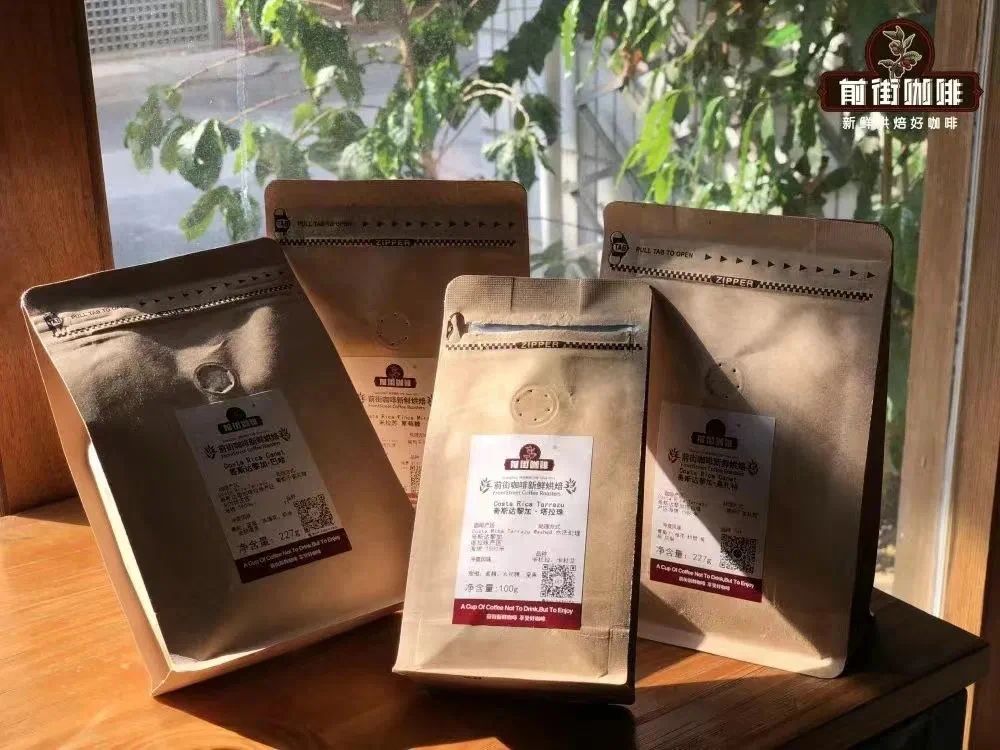
In practice, blender often need to continuously adjust and experiment, using a systematic blending plan and cupping cycles to find the most suitable combination. This is why many well-known blend recipes have only emerged after countless trials and refinements. For example, a blend suitable for both pour over and espresso might incorporate high-altitude sundried beans to add fruitiness and acidity, paired with medium-dark roasted beans with nutty characteristics to balance the overall flavor and body.
Taking some real-world classic blends as examples, some are designed specifically for espresso machines or moka pots, emphasizing rich crema and sweet aftertastes; others cater to pour over preferences as well, showcasing more delicate layers. These blends not only meet the demands of various brewing methods, but also accommodate consumers’ budgets and taste preferences—offering suitable options for both beginners and advanced coffee drinkers.
In summary, single-origin beans and blend beans each hold their own unique value and ideal use cases. Single-origin beans are perfect for coffee lovers eager to explore regional characteristics and terroir flavors, especially shining in pour over and filtered brewing methods where their subtle qualities can be fully appreciated. Meanwhile, blend beans serve as the stable foundation for espresso and everyday coffee, achieving balanced flavors and rich complexity through professional formulation. If you want to try making espresso with single-origin beans, it’s advised to opt for medium-dark roasted options with a pronounced body, and pay attention to extraction stability and flavor harmony—but in general, it’s still recommended to use blends specifically designed for espresso to achieve the most desirable results.

The above content is compiled by CoffeeHunters, a coffee news website.


