







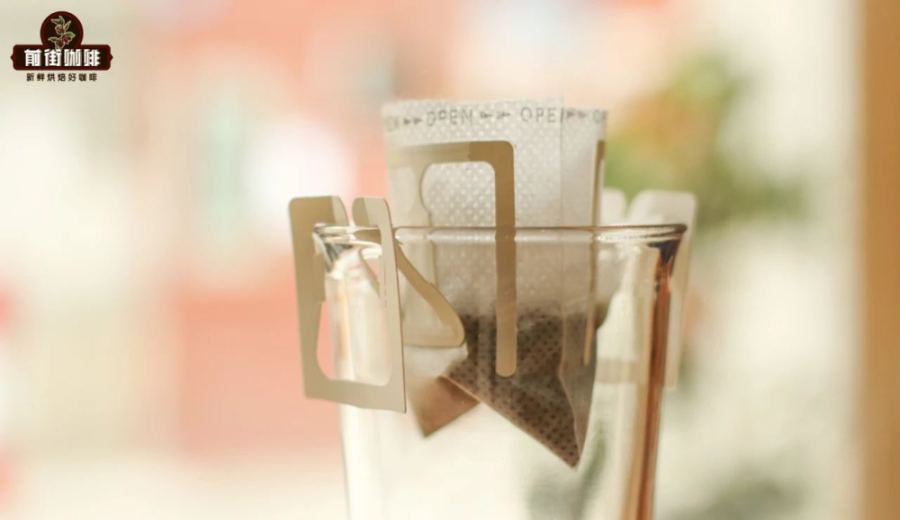
Introduction:Drip bags are the ideal choice for those who love specialty coffee but don’t want to bother with manual pour-over brewing. This article delves into the brewing essentials of drip bags, from coffee-to-water ratio, water temperature, to pouring techniques—step-by-step guidance to help you brew a low-acid, rich, and non-bitter black coffee. Additionally, based on different flavor profiles, we recommend several drip bags including Yirgacheffe, Natural Hualuxiang, PWN Golden Mandheling, and Brazilian Queen Estate, helping you find your perfect match.
For coffee enthusiasts who love specialty coffee but feel intimidated by the intricate steps of manual brewing, drip bags offer a convenient solution that still preserves the original flavors of the coffee. While some may argue that drip bags can't compare to freshly ground coffee, as long as you choose high-quality beans, ensure the packaging is oxygen-proof, and consume them within the optimal flavor window, the difference between drip bags and pour-over is actually minimal.
Take certain market brands that insist on fresh-roasted and freshly-ground coffee as an example—they thoroughly clean their grinding equipment before producing each batch of drip bags to avoid flavor contamination between different bean varieties. Moreover, to reduce extraction inconsistencies and over-extraction caused by excessive fine particles, these brands have tested repeatedly and set the grind size of their drip bags to medium-fine, which helps stabilize the flow rate and improve overall extraction efficiency.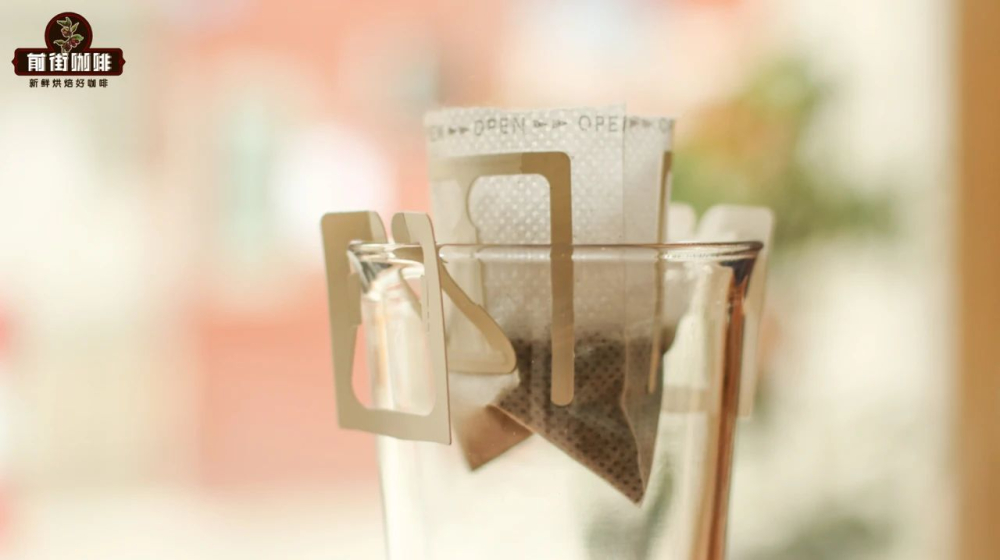
When selecting the right drip bag for yourself, it’s recommended to focus on the following key points: First is freshness—coffee beans gradually lose flavor over time after roasting, so it’s best to choose products with clearly marked roast dates, and the fresher, the better. Second is information transparency—the ideal drip bag should clearly display details such as coffee bean variety, origin, grind size, and roast date to help consumers make informed choices. Lastly is flavor profile—choose a taste that matches your personal preferences.
For example, if you prefer a refreshing profile with floral-fruity aromas and bright acidity, consider trying a current-season Yirgacheffe drip bag from Ethiopia. Its flavor often features white floral notes, citrus, honey, and a light tea-like body—perfect for those who enjoy high-acid and bright-tasting coffees.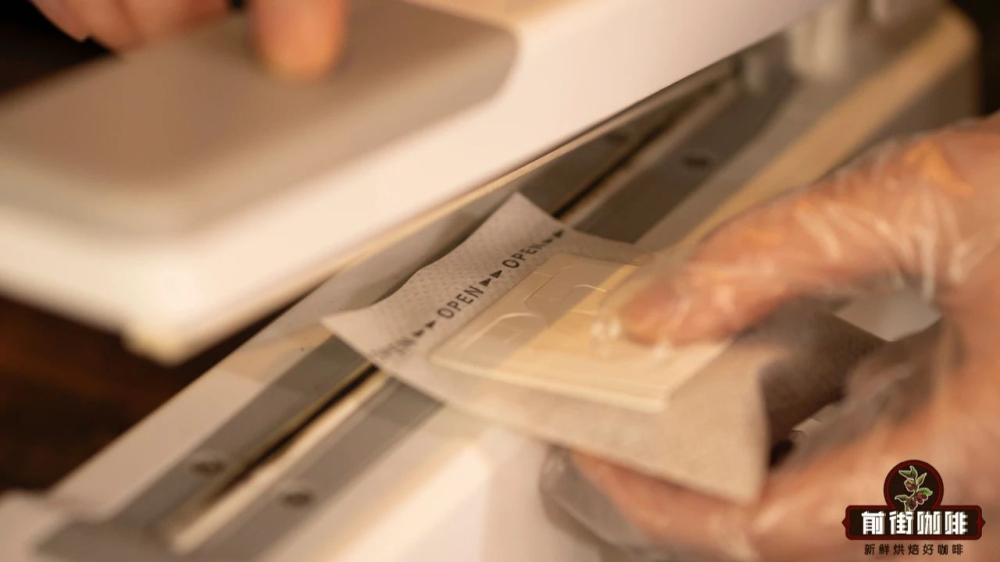
If you lean more toward intense tropical fruit flavors, a Natural-processed Huakui drip bag would be a great choice. This coffee typically showcases creamy strawberry, dried mango, guava, and caramel-like sweet richness, with a layered and enjoyable flavor profile.
For those who prefer low-acid and full-bodied tastes, the PWN Golden Mandheling drip bag is a must-try. It typically presents classic spice, caramel, and dark chocolate notes, with a smooth mouthfeel and a long-lasting finish—ideal for those who appreciate a mellow flavor.
Finally, if you’re looking for a balanced, non-intense cup with a round body, the Brazilian Queen Estate drip bag is the ideal option. This coffee usually exhibits a combination of nutty, creamy, and dark chocolate flavors, with low acidity and no bitterness—perfect for everyday enjoyment.
Next, we’ll share a standard drip bag brewing method. By controlling just a few key parameters, you can easily get started:
1. Typically, a single drip bag contains10 gramsof coffee grounds, saving you the trouble of weighing them yourself.
2. It is recommended to use acoffee-to-water ratio of 1:15 to 1:16, which means using 140–150 milliliters of water per 10 grams of coffee grounds, with water temperature controlled at around90°C. If you don’t have a temperature-controlled kettle, you can turn off the heat once the water boils and let it sit for about 2–3 minutes (when room temperature is around 28°C) to reach the desired temperature.
3. Before brewing, you can preheat your cup. Then, tear open the drip bag, unfold the two “ears,” hang it securely on the rim of the cup, and gently shake it to evenly distribute the coffee grounds.
4. Begin with a small initial pour to just wet the coffee grounds evenly, then let it bloom for about30 seconds. This step helps release the coffee's aroma and aromatic compounds.
5. After blooming, start the main pour. It’s recommended to use a slow, steady stream, pouring in a circular motion from the inside out and then from the outside in to evenly saturate the grounds until you reach a total of140–150 millilitersof water. Then remove the drip bag and enjoy your coffee.
6. For more precise control over water volume, you can also pre-fill your pour-over kettle with150–160 milliliters of water, pour it all into the drip bag, and wait until the dripping finishes to complete the brew. The entire process takes about one minute.
It’s worth noting that since drip bags contain pre-ground coffee, compared to whole beans, their flavor deteriorates more quickly. It’s recommended to consume them soon after purchase to fully experience their best flavor.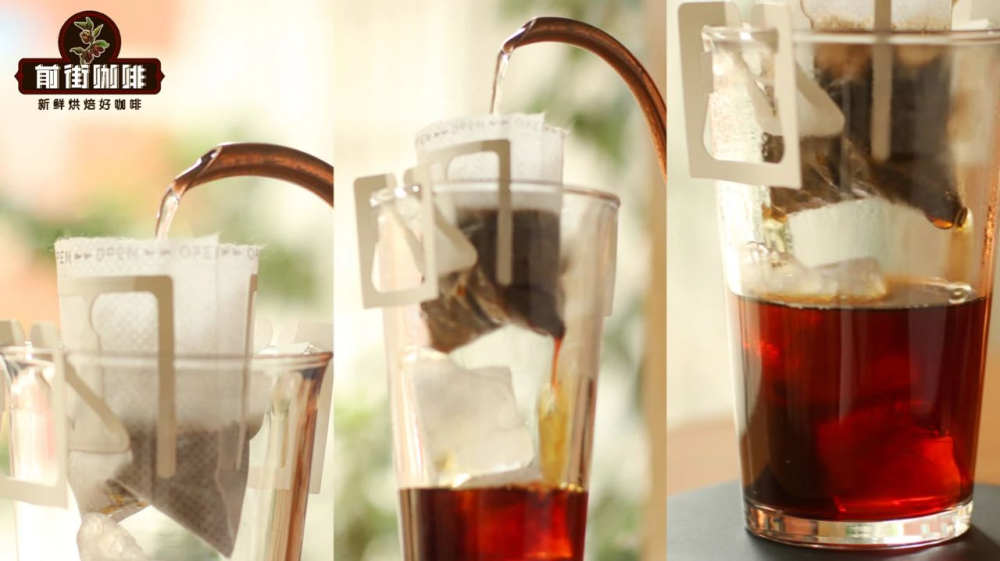
The above content is compiled by CoffeeHunters, a coffee news website.


