







Introduction:Did you know? There is a rare variety in nature with naturally occurring caffeine content as low as 0.5% — the Laurina Bourbon. Once on the brink of extinction due to genetic flaws, it was revived thanks to the efforts of Japanese experts and even won an international competition by defeating Geisha. This article delves into its historical origins and varietal characteristics, and provides tested pour over parameters and flavor notes to introduce you to this legendary coffee bean that combines low stimulation with delicate taste.
When it comes to low-caffeine coffee, many people’s first thought is products where caffeine is removed through chemical or physical means. However, there is actually a naturally occurring coffee variety with inherently very low caffeine content — Laurina Bourbon, which contains only about 0.5% caffeine. Not only does it offer outstanding flavor, but its rarity has also made it a focal point among coffee enthusiasts. This brand will take you to explore the unique qualities of this naturally low-caffeine coffee.
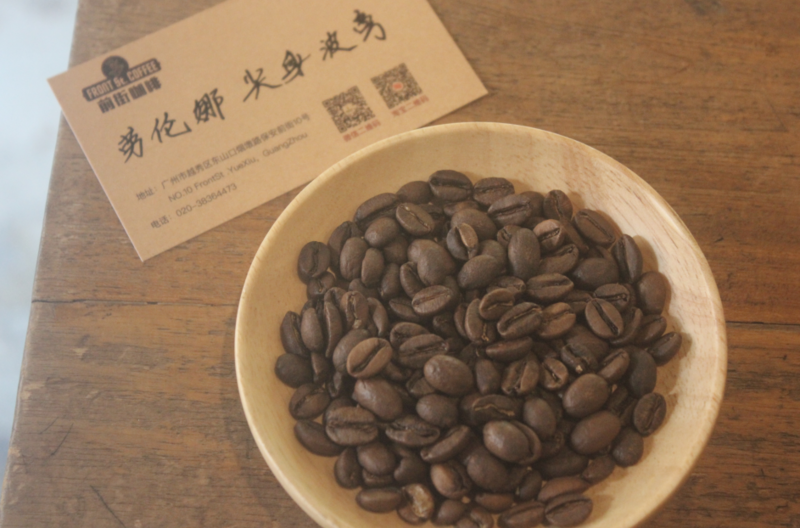
In academic classification, Laurina Bourbon is also known as 'Coffea Laurina', or Laurina coffee. The common name 'Bourbon Pointu' comes from its unique bean shape: compared to regular coffee beans, it is more elongated with pointed ends, hence the name 'Laurina Bourbon'.
The reason Laurina Bourbon has such low caffeine content is not due to artificial processing, but rather a natural phenomenon of genetic degeneration. This genetic mutation results in its caffeine content being inherently lower than that of common Bourbon varieties, while at the same time retaining or even enhancing its flavor complexity. However, due to its genetic traits, it has very low yield and poor resistance to diseases, especially being highly susceptible to leaf rust and coffee berry disease. These factors are the main reasons for its rarity and high price. In the past, this variety could mostly only be cultivated on a small scale in laboratory environments.
Going back to the 18th century, Laurina Bourbon was once favored by European nobility and literati. It is said that French King Louis XV and the famous writer Honoré de Balzac were both loyal fans. Between the 18th and 19th centuries, the French colony of Bourbon Island extensively cultivated this variety, with annual production reaching as high as 4,000 metric tons in the year 1800. However, subsequent disasters such as hurricanes, ant infestations, and leaf rust led to a continuous decline in planting areas. By 1942, the last batch of Laurina Bourbon shipped back to France amounted to just 200 kilograms. Since then, the variety had almost disappeared from the market and was even once thought to be extinct.
Decades later, Japanese UCC coffee expert Yoshiaki Kawashima heard rumors in El Salvador that “low-caffeine coffee trees might still exist on Bourbon Island.” Determined to search for them, he visited the island in 1999 while on a trip to Africa to study coffee. However, local young people knew nothing about it, and he had to leave his contact information and return disappointed.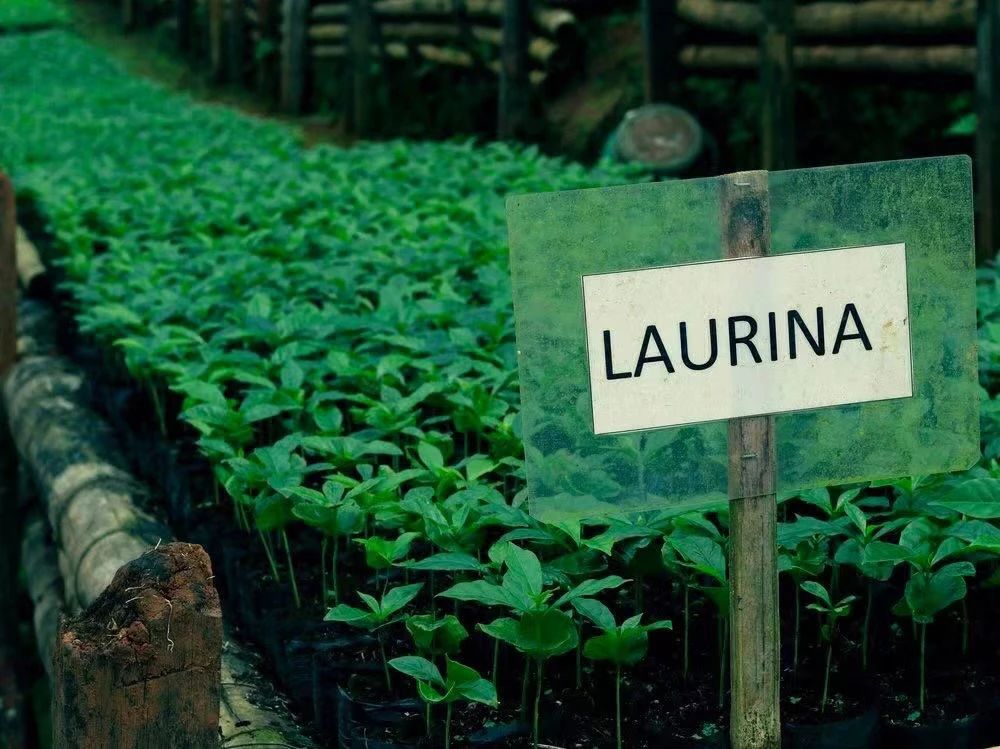
It wasn’t until 2001 that Kawashima finally received word from farmers on Bourbon Island that around thirty unknown coffee trees had been discovered in the wild. After expert identification, these turned out to be the long-lost Laurina Bourbon. Subsequently, French scientists and Japan’s UCC collaborated on a revitalization project. It wasn’t until 2006 that the first small batch of Laurina Bourbon coffee beans was successfully harvested, and the beans were officially launched on the market in 2007, primarily for Japanese consumers. Due to extremely limited production, it was rumored that the price at the time was four times higher than that of premium Blue Mountain coffee.
At the 2018 World Brewers Cup, Swiss competitor Emi Fukahori used a Laurina Bourbon coffee bean from Brazil’s Daterra Estate, processed using a semi-carbonic maceration method, to defeat numerous Panamanian Geishas and claim the championship, marking an important page in the competition’s history.
The beans she used were Laurina Bourbon from the Cerrado region of Brazil. Emi shared during the competition that this variety contains 50% less caffeine than typical Arabica varieties and about 20% less chlorogenic acid, resulting in significantly reduced bitterness. She described its flavor profile as including layers of red grape, orange blossom, pineapple, rum, and green apple, ultimately impressing the judges with her outstanding performance.
The Laurina Bourbon plant also has distinctive physical characteristics. Its tree resembles a small Christmas tree, with short branches and narrow leaves. Its caffeine content is only 0.5%. However, due to its genetic traits, it has weak resistance to leaf rust and coffee berry disease, and its red fruit ripens relatively early, making it difficult to increase yields. Although Laurina Bourbon is no longer as prohibitively expensive as in the past, it remains an extremely rare and precious coffee variety.
So, what is the actual flavor performance of this expensive and rare Laurina Bourbon? Below are the tested pour over parameters and flavor notes using sun-dried Laurina Bourbon.
【Brewing Parameters】
Bean variety: Sun-dried Laurina Bourbon
Coffee dose: 15 grams
Filter: Hario V60
Water temperature: 90°C
Grind size: Medium-fine
Coffee-to-water ratio: 1:15
【Brewing Technique】
Using a blooming and pulsed pouring method: Begin with a 30-gram bloom, ending when the surface of the coffee bed transitions from wet to dry (about 30 seconds); then pour with a small stream centered to reach 125 grams for the first pulse, and when the liquid level is about to expose the coffee bed, pour again to 225 grams before removing the filter (total brew time approximately 2 minutes).
【Flavor Profile】
The dry aroma presents pronounced notes of fermentation, spices, nuts, and tropical fruits; the wet aroma emits pleasant floral scents. On the palate, the texture is smooth, with flavors of red fruits, plums, and pine nuts, followed by a lasting sugarcane sweetness in the aftertaste. The overall cup is delicate with clear layering.
The above content is compiled by CoffeeHunters, a coffee news website.


