








Introduction:In the summer coffee market, although both iced Americano and cold brew are iced beverages, their prices often differ by more than double. So what makes cold brew more expensive? This article delves into the low-temperature steeping extraction principle of cold brew, explores its fundamental differences from iced coffee, and reveals the key factors behind its high cost—time-intensive craftsmanship and carefully selected beans. It also offers flavor recommendations for several types of coffee beans ideal for cold brew, helping you create richly layered cold brew coffee at home.
As temperatures rise, chilled coffee drinks become a top choice for many to beat the heat, with iced Americano and cold brew being particularly popular items in coffee shops. However, many consumers notice that cold brew often costs twice as much as iced Americano. If both are iced coffees, why is there such a significant price gap? The key lies in their vastly different brewing methods and flavor pursuits.
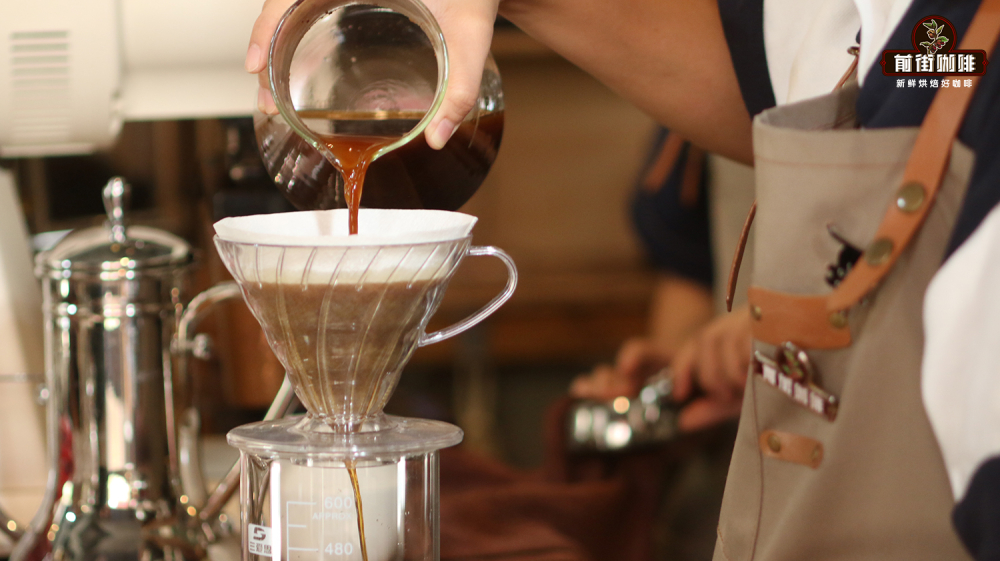
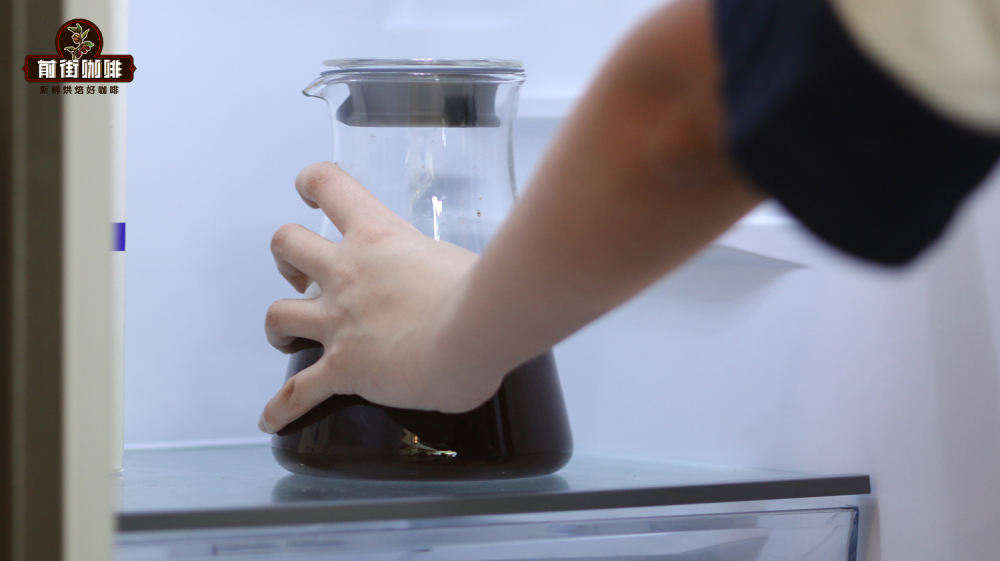
Cold brew is made by using room temperature or colder water for a long period of low-temperature steeping extraction. The usual method involves mixingmedium-fine groundcoffee powder (about 75% passing rate through a Chinese standard No. 20 sieve, with a coarseness similar to white sugar) with cold water, sealing it, and then placing it in the refrigerator for refrigeration. After8 to 12 hoursof steeping, the coffee grounds are filtered out. Since the entire process avoids high temperatures, the kinetic energy of water molecules is reduced, slowing down the rate at which coffee flavor compounds are dissolved, thus requiring a longer time to achieve optimal extraction.

This characteristic of long-duration, low-temperature extraction means that cold brew usually has a higherTotal Dissolved Solids (TDS)content compared to regular hot-brewed or iced drip coffee—meaning a more concentrated solution of coffee components dissolved in water, including caffeine and other flavor compounds. As a result, many people choose to dilute it with water or milk to adjust the strength. It's worth noting that cold brew is not the same as common "iced coffee"—the latter is typically made by quickly extracting with hot water and then rapidly cooling with ice, belonging to a method where hot-brewed coffee is cooled afterward.
When exploring why cold brew tends to be more expensive, the primary factor is the time cost involved. In contrast, iced Americano is made by diluting highly concentrated espresso extract (completed in about 25–30 seconds), making it quick to produce; whereas cold brew needs to steep overnight, occupying equipment and space for a longer period. Secondly, there’s also a major difference in the selection of coffee beans: most iced coffee drinks aim for flavor stability and often use blended beans from different regions, which are relatively lower in cost; cold brew, on the other hand, emphasizes showcasing the unique flavors of single-origin beans, often using high-qualitysingle-origin coffee beans, naturally resulting in higher raw material costs.
If you want to try making cold brew at home, selecting freshly roasted single-origin beans is key. Cold brew-friendly coffee beans can be diversely chosen based on personal taste preferences:If you prefer bright fruit acidity and floral-fruity sweetness,consider beans with citrus, berry, and black tea notes; if you enjoymellow fermentation and gentle sweetness,beans with raisin, honey, and nut flavors are a good choice; those seekingrich, smooth, and nearly acid-freetaste can opt for beans with roasted peanut and dark chocolate profiles; and for drinkers looking forbalanced sweetness and multi-layered fruity floral notes,options with rose floral and strawberry gummy flavors can be tried. By experimenting with different bean varieties, you can experience the diverse flavor charm of cold brew coffee.
The above content is compiled by CoffeeHunters, a coffee news website.


