








Introduction:Latte is the first step for many people entering the world of coffee, but in fact, making a latte with balanced flavor and smooth texture involves quite a bit of knowledge—from selecting the right coffee beans, mastering extraction parameters, to steaming milk and the technique of integrating it all. This article provides a detailed breakdown of the history of lattes, the characteristics of suitable coffee bean varieties, recommended coffee bean choices, as well as practical steps for making espresso and milk foam, helping you progress from beginner to expert and craft professional-level lattes.
Latte is not only a best-selling drink in cafés but also a classic that many coffee enthusiasts enjoy trying at home. This beverage, which combines a large amount of milk with espresso, offers a mild and versatile flavor. However, to make a truly great latte, every step— from bean selection and roast level, to milk preparation and integration techniques—holds key details.
Looking back at history, the combination of coffee and milk has been popular in Europe since the 17th century. The term "latte" at the time simply meant "milk" in Italian. It wasn’t until the advent of the espresso machine and the widespread use of steam wands that the modern latte began to take shape. In the 1980s, baristas in Seattle, USA, started adding latte art to their drinks, giving this beverage a completely new experience—both in taste and in appearance.

A standard latte mainly consists of espresso and steamed milk, with a ratio typically ranging between 1:6 and 1:7, which can be slightly adjusted according to taste preference. For example, a common recipe uses 40 grams of espresso paired with 260 grams of milk, roughly a 1:6.5 ratio, achieving an excellent balance between the richness of the coffee and the silkiness of the milk.
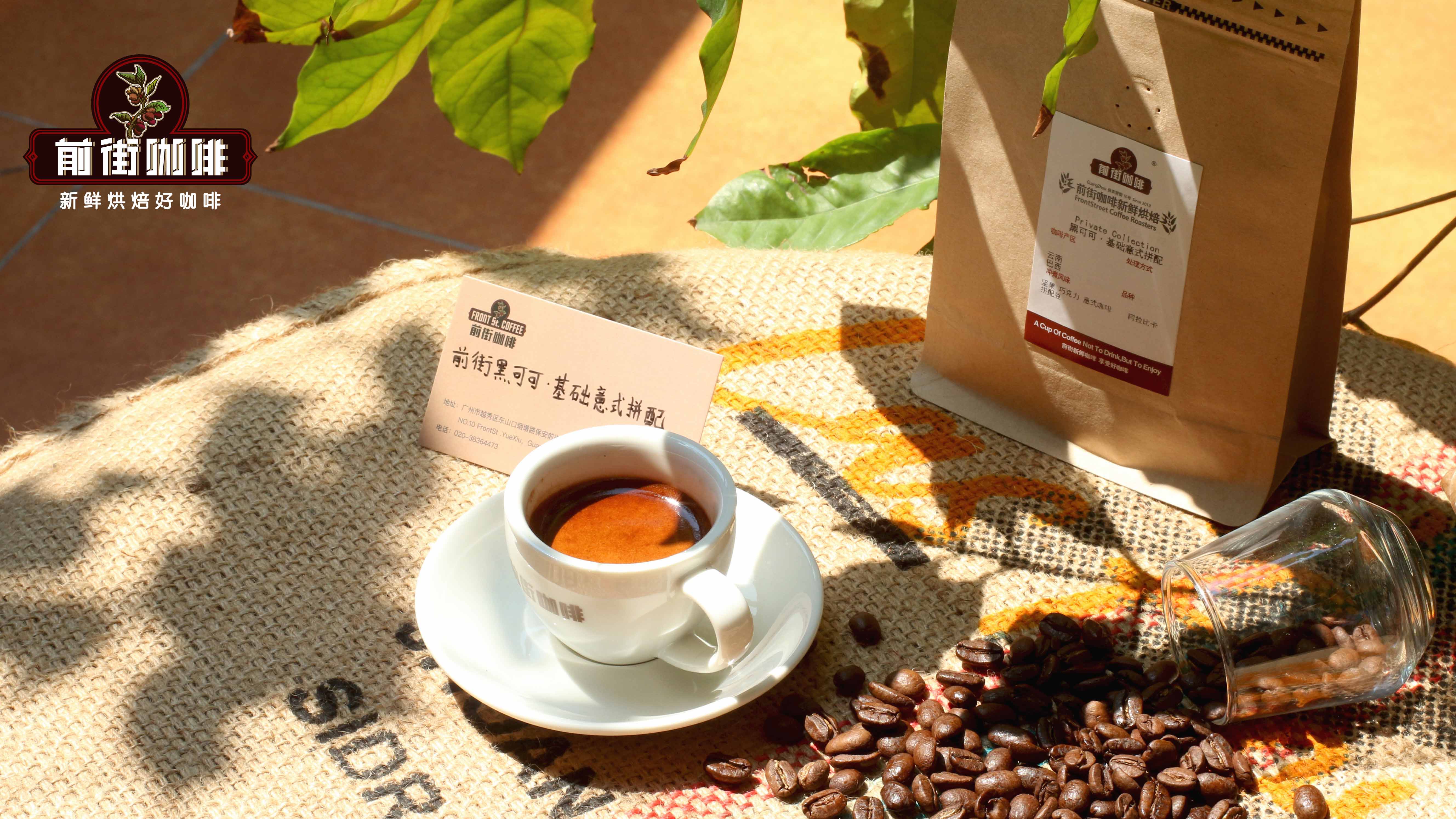
When it comes to bean selection, because of the high proportion of milk in a latte, medium to dark roasted blends or single-origin espresso (SOE) beans are generally recommended. These types of beans can bring out rich caramel, creamy, and chocolatey notes that complement the sweet layers of the milk. For those seeking a stable and cost-effective option, medium to dark roasted blends are the best choice for beginners—they are not only rich in crema but also carry aromas of roasted nuts and butter.

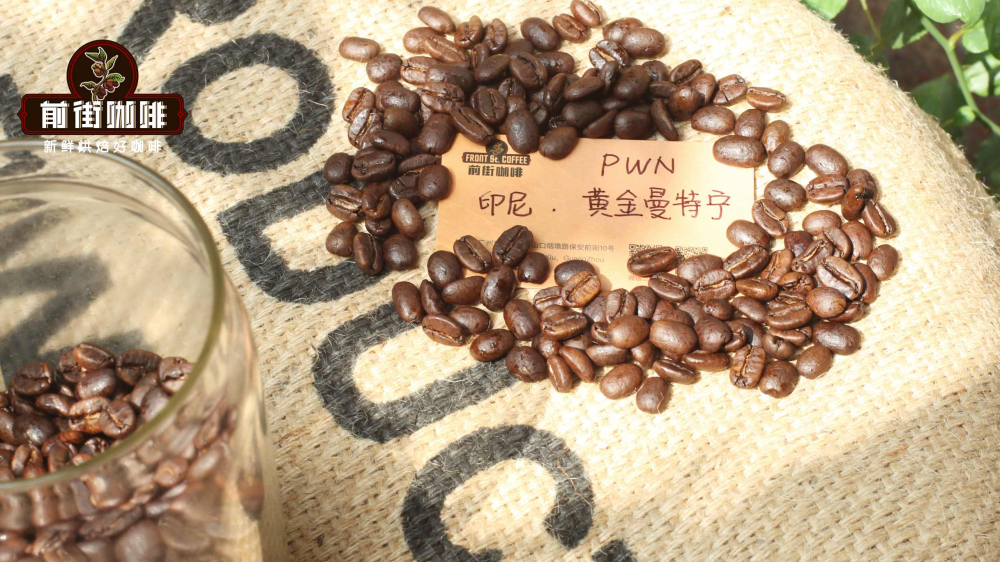
If you’d like to explore the unique flavors of single-origin beans, you can choose varieties such as Queen Estate SOE or Golden Mandheling, which have pronounced caramel and chocolate traits. When paired with milk, they can present a more layered taste contrast. For drinkers who prefer fresh fruitiness and lighter acidity, medium or medium-light roasted beans such as Strawberry Sugar Espresso or Huakui SOE are also great alternative choices, offering floral-fruity notes and a soft sweetness.
The first step in making a latte is extracting the espresso base. Using a common recipe as an example, 20 grams of coffee grounds are used to extract 40 grams of espresso in 27 seconds. This extraction time and coffee-to-water ratio can stably release a rich and balanced coffee flavor, laying a solid foundation for the subsequent integration with milk.

Next comes the milk foam, which is also a crucial part of making a latte. It’s recommended to use full-fat fresh milk that is chilled, as it helps create finer and denser foam while preserving more of the milk’s aroma and sweetness. When steaming milk, it’s advisable to fill the pitcher to about 40% to 60% of its total capacity. For example, using a 550 ml pitcher, injecting around 250 ml of milk is the most suitable amount for ease of handling.
When using the steam wand, first purge it to release any condensation in the line. Then insert the steam wand diagonally into the milk at about a 45-degree angle, positioned slightly to the right of the center of the milk surface, forming a counterclockwise whirlpool. During the frothing stage, you’ll hear a distinct hissing sound—this is when air is being incorporated into the milk to form microfoam. This phase lasts about 3 seconds, increasing the milk volume to about 60% full and creating the ideal foam thickness for a latte.
In the texturizing stage, the steam wand should be fully submerged into the foam, stopping the intake of air and focusing on heating and refining the milk foam. The milk temperature should be controlled between 55–65°C, with the optimal temperature being around 60°C. Exceeding this temperature may cause protein denaturation, affecting the texture and mouthfeel of the foam. During texturizing, keep the steam wand within the foam layer and avoid touching the bottom to ensure that larger bubbles are sufficiently refined.
Finally, it’s time for integration and latte art. Slowly pour the steamed milk into the espresso, starting from the center and gradually expanding outward, allowing the milk and coffee to integrate evenly and avoiding noticeable layering or off-flavors. A well-integrated latte will feel smoother on the palate with distinct flavor layers. Once integration is complete, you can proceed to pour latte art according to your personal preference, adding a visual touch of beauty.
Overall, a successful latte depends not only on choosing the right beans and mastering extraction and foaming techniques, but also on the details of integration, which greatly affect the final flavor. A classic latte recipe, based on a medium to dark roasted blend, delivers a rich main profile of chocolate and caramel. Paired with dense foam, it results in a smooth texture and a long-lasting sweet aftertaste—a very classic and beginner-friendly flavor combination.


The above content is compiled by CoffeeHunters, a coffee news website.


