







Introduction:The Geisha coffee from Panama's Hacienda La Esmeralda is renowned for its three grades: Red Label, Green Label, and Blue Label. However, many coffee enthusiasts often find it confusing to understand the differences among them when making a purchase. This article provides an in-depth analysis of the regional distribution, altitude, processing methods, cupping profiles, and flavor characteristics of the three main Geisha grades from Hacienda La Esmeralda, along with practical pour over recommendations and parameters. This will help you easily choose the most suitable Geisha coffee beans based on your budget and taste preferences.
The Geisha coffee from Panama’s Hacienda La Esmeralda has long been a top-tier variety eagerly sought after by specialty coffee lovers around the world. However, when faced with the three common grades — Red Label, Green Label, and Blue Label — many consumers often don’t know where to start. What exactly are the differences between these three labels? How do they vary in terms of region, altitude, processing techniques, and flavor? This article will take you through the grading logic of Hacienda La Esmeralda’s Geisha coffees and provide expert pour over recommendations to help you find the one that suits you best.
The history of Hacienda La Esmeralda dates back to 1964, when American banker Rudolph A. Peterson retired and moved to Panama, purchasing the estate located in the Boquete region. Initially, it was primarily used for livestock farming. It wasn’t until 1987 that his son, Price Peterson, abandoned his medical career to manage the farm and introduced two major coffee varieties: Caturra and Catuaí. In 1994, the estate built its own wet mill, and in 1996, it acquired the neighboring Jaramillo farm — a terroir-rich area that would later become the cradle of world-class Geisha.
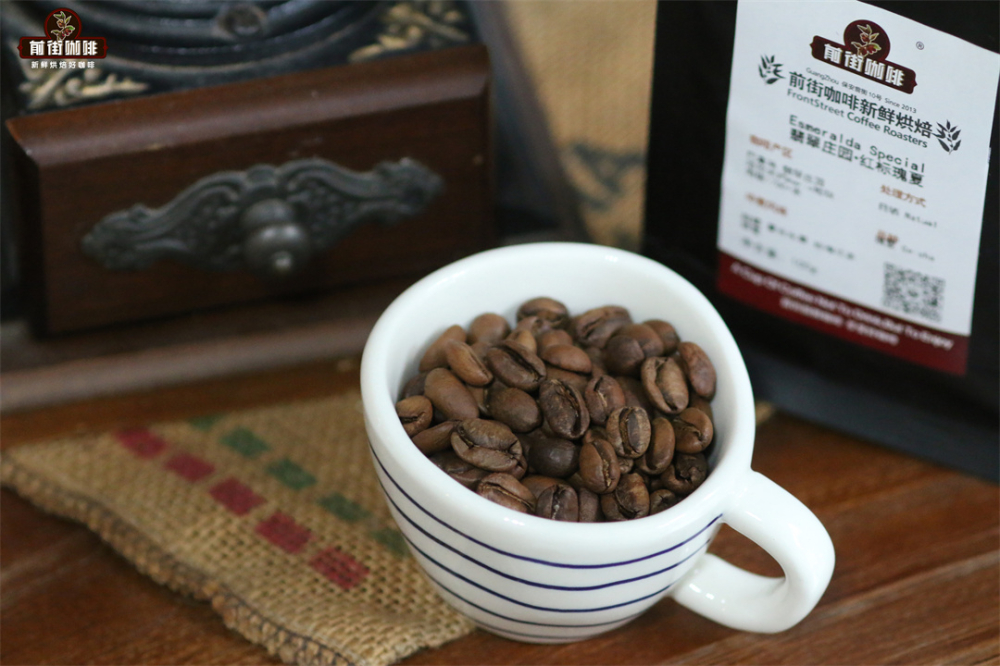
Hacienda La Esmeralda categorizes its products into multiple brand grades based on cupping scores, variety, and planting altitude. Among them, the Geisha variety is mainly divided into three key series:Red Label (Esmeralda Special),Green Label (Private Collection)andBlue Label (Geisha 1500). Each grade not only differs in altitude, but also in region and processing method, resulting in unique flavor profiles.
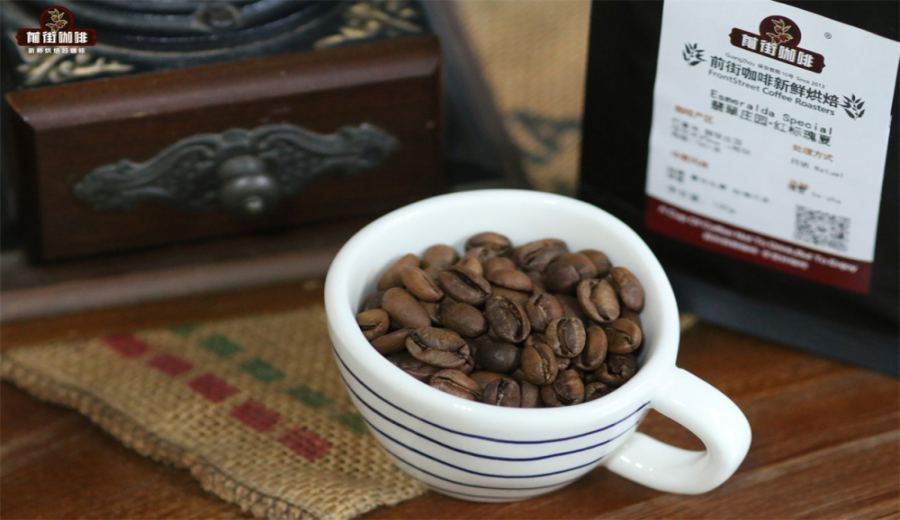
Red Label Geisha, also known as the “Esmeralda Special,” is the flagship representation of Hacienda La Esmeralda. These beans are selected from the Jaramillo and Cañas Verdes lots, grown at altitudes between 1600 and 1800 meters,and must achieve a cupping score of 90 or above. Red Label is exclusively available through Hacienda La Esmeralda’s annual independent auction, sourced from designated auction lots. There are also non-auction versions of Red Label available on the market, sourced from the same regions but not entered into the auction. These have similar flavors but are relatively more affordable. Processing methods may include either natural (sun-dried) or washed, with flavor profiles often showcasing bright citrus, rose tea, honey, and complex fruit notes.
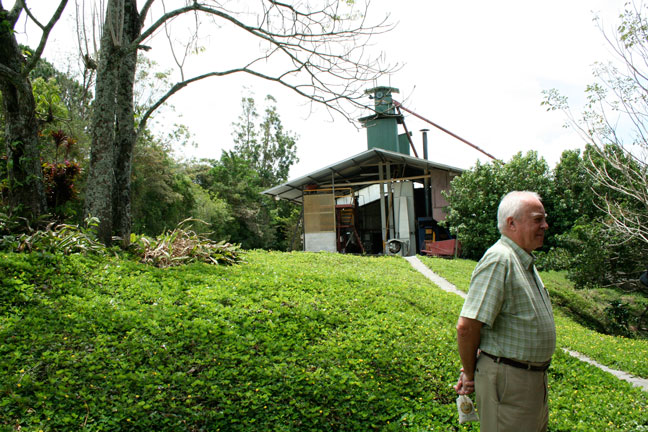
Green Label Geisha, also called “Private Collection,” while not part of the auction series, also comes from high-altitude regions, grown at elevations between 1600 and 1800 meters, spanning micro-lots such as Jaramillo and Cañas Verdes. This grade consists of beans harvested from multiple plots, thusthe exact origin of a single lot cannot be specified. As a result, flavor may vary slightly between batches. However, Green Label still retains the classic Geisha traits of bright citrus acidity, floral-fruity aromas, and a full body. It is mostly processed using the washed method and is considered an excellent value-for-money option by many coffee enthusiasts.
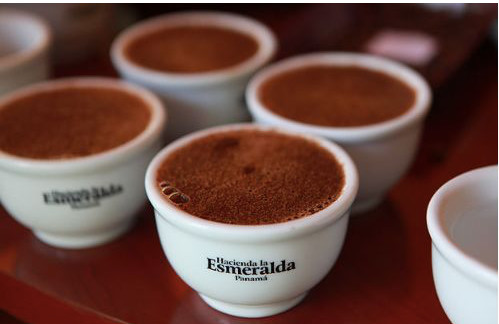
Blue Label Geisha, also known as “Geisha 1500,” is grown at relatively lower altitudes of about 1400 to 1500 meters, and includes beans from three regions: Jaramillo, Cañas Verdes, and the newer El Velo. Blue Label is typically a blend of batches, offering a fresher flavor profile with notes of lemon, oolong tea, cane sugar, and peach. It has softer acidity and a clean, refreshing taste, making it suitable for those who prefer milder flavors. Processing methods include both washed and natural, with the natural version being introduced in small quantities only since the end of 2019.

The most significant differences among these three Geisha grades lie in their altitude and the selectivity of the beans.Generally, the higher the altitude, the richer the aroma and the more layered the sweetness and acidity. As a result, Red Label and Green Label are widely regarded as premium choices, whereas Blue Label appeals to the market with its accessible price and fresh flavor. Moreover, Red Label emphasizes single-lot origin and auction exclusivity, Green Label is a blend of multiple lots, and Blue Label is sourced more broadly across all three regions, leading to distinct differences in price and flavor expression.
Within Hacienda La Esmeralda, the Geisha-growing areas are further divided into three main farms: Jaramillo, Cañas Verdes, and El Velo. Jaramillo and Cañas Verdes are known for their high altitudes and stable microclimates, serving as the primary sources for Red Label and Green Label. Jaramillo receives up to 4000 mm of rainfall annually, with significant day-night temperature variations and an average altitude of 1600 to 1700 meters, divided into five sub-lots. Cañas Verdes has nine sub-lots at altitudes of 1600 to 1800 meters, also featuring climate conditions highly favorable for Geisha cultivation.
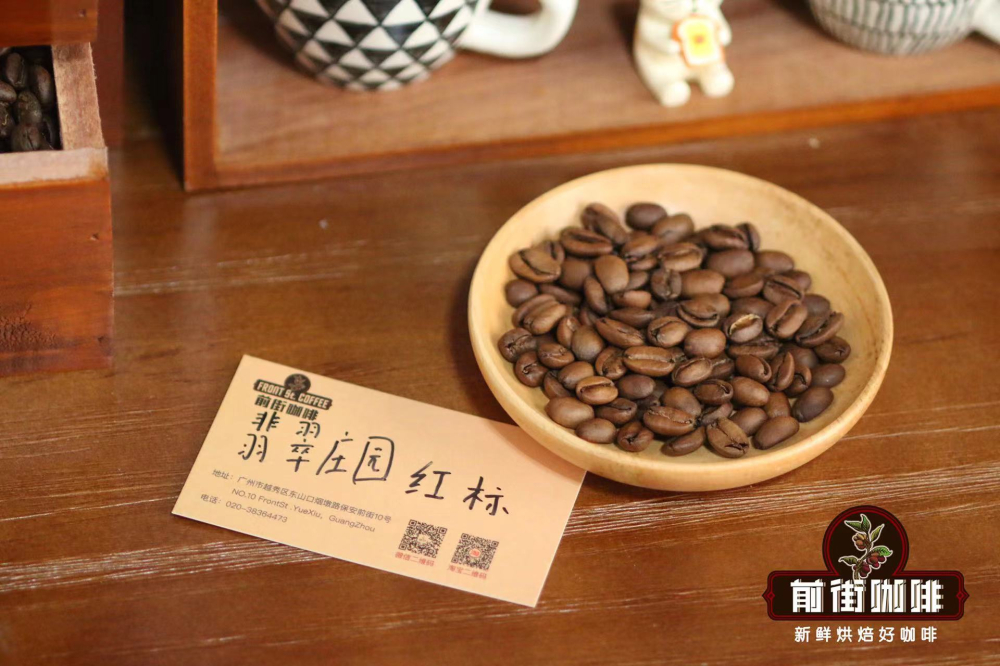
El Velo is a high-altitude area recently acquired by Hacienda La Esmeralda, with an average elevation of 1700 to 1900 meters. Currently, in addition to Geisha and Catuaí, it also grows varieties such as Laurina, Pacamara, Mocha, and SL28, and is expected to show great potential in the future.
For brewing recommendations, professional pour over parameters can be referenced as follows: use a Hario V60 filter, control water temperature at 90°C, use 15 grams of coffee, with a 1:15 coffee-to-water ratio, and a grind size recommended to be medium-fine (approximately BG#6S). Use a pulse pouring technique — start with a 30-second bloom using 30 grams of water, then pour in a slow stream to reach 125 grams for the first pour. After the water level drops, continue pouring to 225 grams. The total brew time is about 2 minutes, which helps fully express the delicate flavor layers of Geisha.

In terms of flavor, Red Label Geisha is characterized by vibrant rose and citrus aromas, accompanied by notes of berries, apricot, honey, and roasted rice, with a rich and layered mouthfeel. Green Label offers intense jasmine floral notes, with balanced acidity and sweetness, featuring complex flavors of citrus, berries, cream, and green tea, and a long aftertaste. Blue Label has a cleaner and brighter profile, starting with citrus and grapefruit acidity, gradually revealing gentle aftertastes of oolong tea, cane sugar, and honey as it cools, overall presenting a crisp and refreshing character.
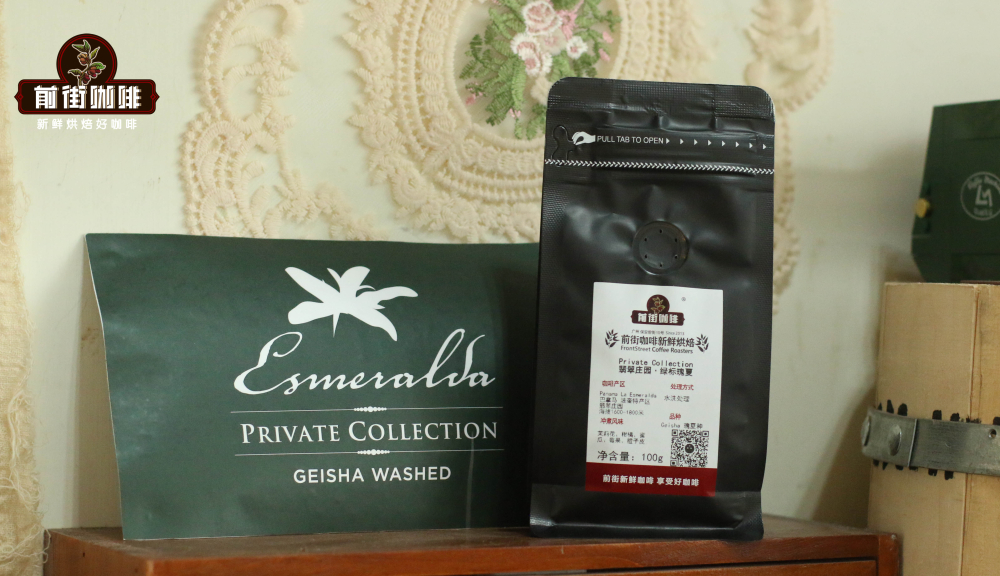
In summary, if you’re seeking ultimate flavor and collectible value, Red Label is the top choice. If you want to balance quality and budget, Green Label offers excellent value. Blue Label is ideal for those trying Geisha for the first time or who prefer a lighter, refreshing taste. By understanding the differences among the grades, you’ll be able to choose the Hacienda La Esmeralda Geisha coffee that best suits your taste.
The above content is compiled by CoffeeHunters, a coffee news website.


