







Introduction:Although drip bags are convenient, brewing a cup of coffee with balanced flavors and a rich body hinges on choosing the right cup and mastering the correct brewing technique. This article takes you step-by-step through common drip bag parameters, suitable brewing tools, and the flavor profiles of five renowned producing regions, helping you choose the drip bag coffee that suits you best and master professional-level extraction skills.
Drip bag coffee is a convenient everyday choice for many coffee enthusiasts, but to truly savor the nuanced layers of coffee, good beans alone are not enough.Cup selection and brewing methodare also key factors that affect the final flavor presentation. This article not only introduces the basics of drip bag coffee and the correct brewing method, but also provides a detailed analysis of the characteristics of drip bags from five classic producing regions — Ethiopia, Kenya, Brazil, Panama, and Indonesia — to help you find the one that suits your taste best.
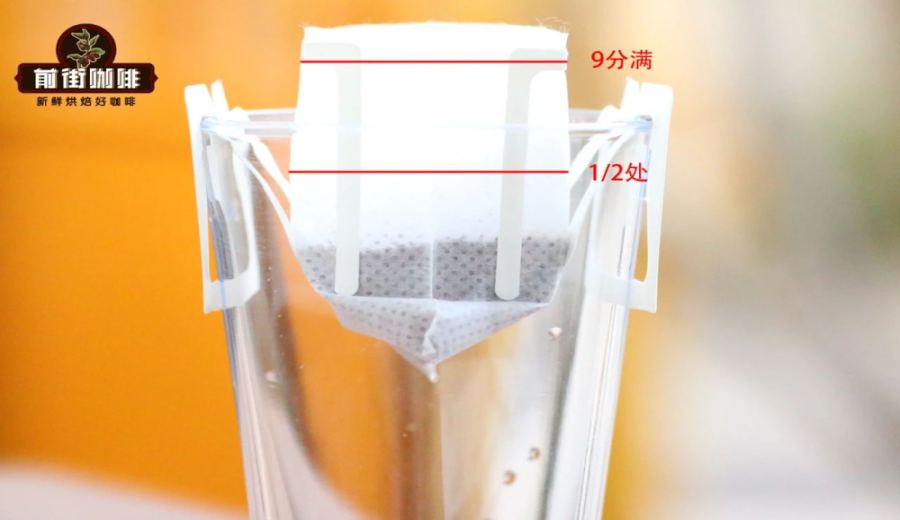
Typically, commercially available drip bag coffee weighs about10 to 12 gramsper pack, and the official recommendation is to use180 to 200 milliliters of hot waterfor brewing. This ratio maintains just the right level of intensity. If you place the drip bag directly into a large-capacity mug and pour in too much hot water, it can easily result in an overly diluted coffee liquid, losing the desired rich mouthfeel. Therefore, for enthusiasts who have certain quality expectations for their coffee, it is generally recommended to choose a taller cup made of glass or ceramic that has good aroma retention. This not only reduces the chance of the filter bag being soaked for too long, but also helps fully release the coffee’s aroma.
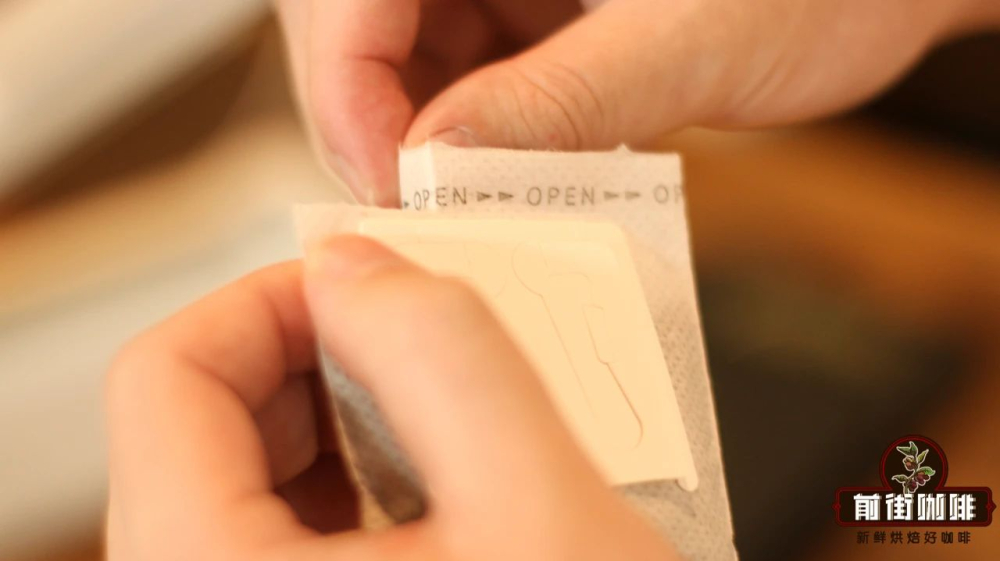
So, what is the correct brewing process for drip bag coffee? First, prepare a kettle of freshly boiled hot water, a pour over kettle, your favorite cup, and a pack of drip bag coffee. Taking a common 10-gram drip bag as an example, it can usually yieldabout 120 to 130 milliliters of coffee liquid. After removing the drip bag from its sealed packaging, tear open the non-woven fabric seal along the dotted line, gently unfold both sides of the ear loops, and hang them securely on the rim of the cup.
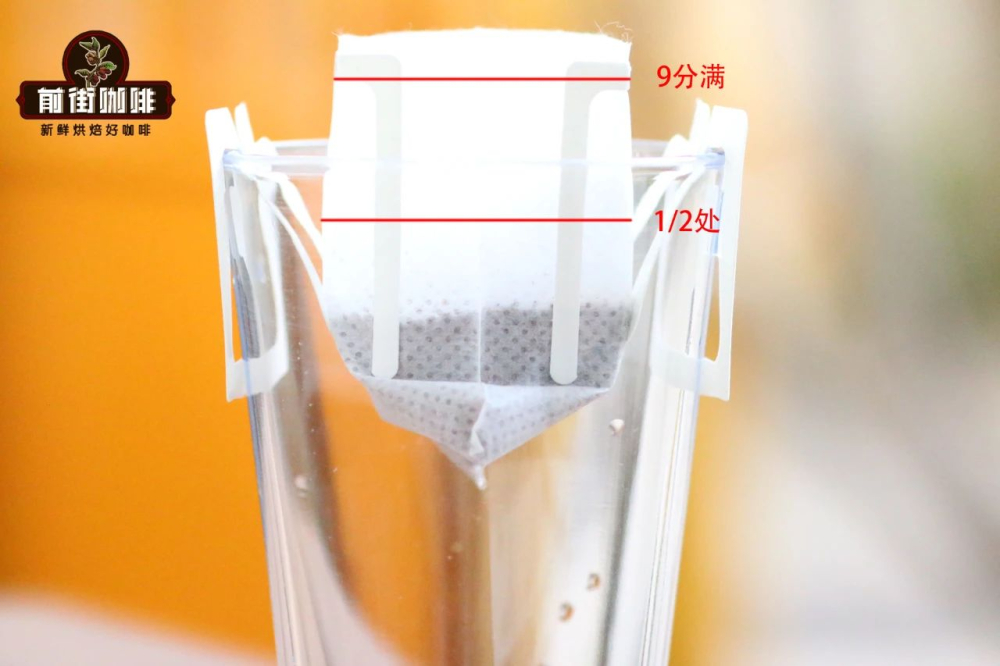
The first step is blooming. Start by pouring a small amount of hot water (about 20 to 30 milliliters) to evenly wet all the coffee grounds, then let it sit for10 to 20 secondsto help release carbon dioxide and establish a solid foundation for subsequent extraction. Next, switch to a fine stream of water and pour at a steady and slow pace until the water level nears the rim of the cup. Then wait for the water level to naturally drop until the coffee liquid has completely dripped through. Finally, add more hot water until the total brew volume reachesabout 150 gramsto complete the extraction process more fully. Once the coffee liquid in the filter bag has completely dripped out, the brewing is done.
It is recommended to gently swirl the brewed coffee to evenly distribute the flavors before tasting. If you prefer black coffee, you can directly enjoy its pure flavor; if you like it flavored, you can also add an appropriate amount of milk or sugar according to your personal taste. This brewing process maximizes the presentation of the original layers and details of the drip bag coffee.
To allow coffee beginners to explore flavors from around the world, many brands offer drip bag samplers that combine multiple producing regions. For example, the Classic Five Regions series includes renowned origins such as Ethiopia, Kenya, Brazil, Panama, and Indonesia. Each drip bag comes with a roast level ranging from light to dark, and processing methods include washed, natural, and others — offering diverse flavors and making it a great choice for entry-level tasting.
It is recommended to taste them in order of roast darkness: start with the medium-dark roasted Indonesian Mandheling to experience its rich herbal and nutty tones; next is the Honduran washed Caturra, showcasing a creamy texture and chocolatey aftertaste; then try the Panamanian Geisha (Floral Notes), with its soft balance of citrus, honey, and tea-like notes; followed by the Ethiopian Yirgacheffe Red Cherry, enjoying its bright citrus and fruity-wine-like aromas; and finally, the Kenyan AA, experiencing its vibrant berry and cherry tomato flavors. This sequence allows your palate to gradually adapt to the different intensities of coffee characteristics.
Although drip bag coffee is convenient, because the coffee grounds are pre-ground, compared to freshly ground coffee,the rate of aroma volatilization is faster, so it is recommended to consume it withinone month after purchaseto achieve the best flavor performance. Whether you’re a busy office worker or a frequent traveler who loves coffee, as long as you master the correct brewing method and use the right cup, you can easily enjoy a high-quality pour over-level drip bag coffee.
The above content is compiled by CoffeeHunters, a coffee news website.


