







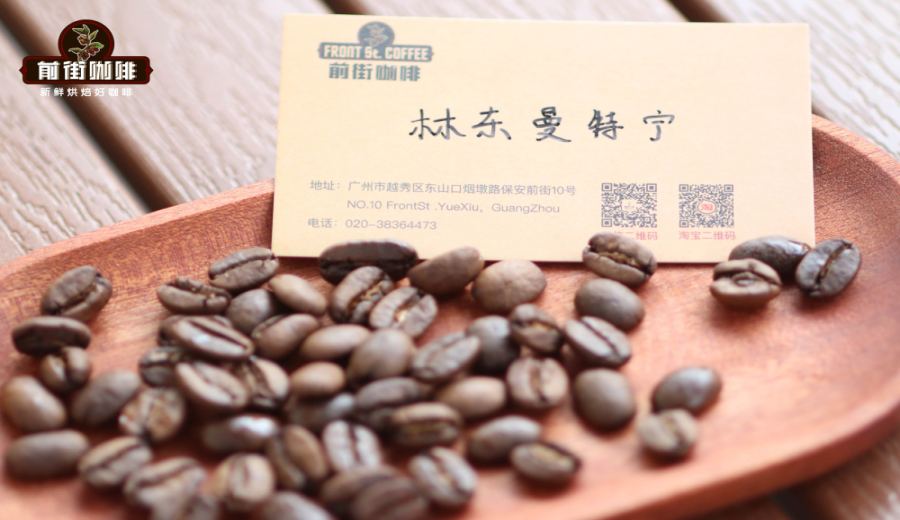
Introduction:Gold Mandheling is one of Sumatra’s most iconic specialty coffees, beloved for its full-bodied, low-acid profile, caramel sweetness, and distinctive herbal notes. This article delves into the terroir characteristics of its key producing regions such as Gayo in Aceh and Lintong in Central Sumatra, introduces the selection criteria and trademark origins of the PWN company, and details the steps and flavor impacts of the wet-hulled processing method. It also provides new-season roasting curve designs, cupping observation points, and pour over parameter suggestions suitable for dark-roasted Mandheling, helping coffee enthusiasts gain a more comprehensive understanding of this classic bean variety.
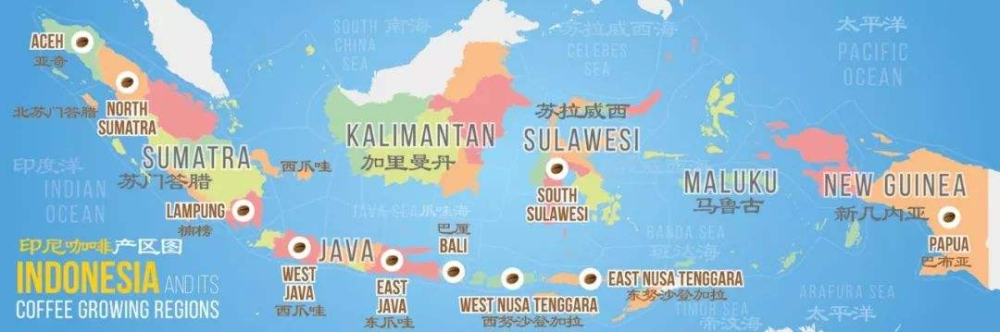
The Indonesian island of Sumatra is the birthplace of Gold Mandheling. This coffee is world-renowned for its full-bodied taste, low acidity, and captivating caramel and herbal aromas. To deeply understand Gold Mandheling, one must first explore its main producing areas, including the Gayo Mountains in Aceh Province, as well as the Lintong and Lake Toba regions in South Sumatra. These areas, with their varying altitudes, microclimates, and soil conditions, impart distinctly different flavor profiles to the coffee beans.
Among these regions, coffee from the Gayo Mountains is often regarded as “green coffee” or “organic coffee,” as local farmers generally adopt chemical-free, environmentally friendly farming practices. The name Gayo originates from the indigenous tribal people of the region, located in North Sumatra, which not only enjoys moderate altitude but also boasts a healthy ecological environment, contributing to the unique character of the coffee. In contrast, Lintong is considered the classic core producing area of Mandheling coffee, where local varieties such as Sidikalang, Bergendar, Siborong-borong, and Telok Sanggul are often seen as synonymous with high quality.
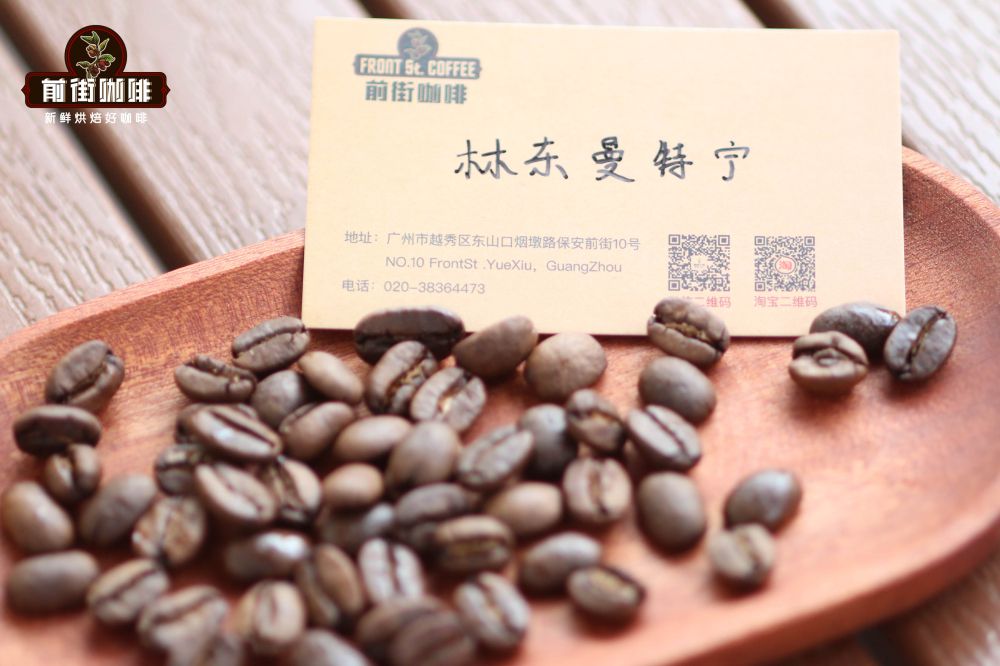
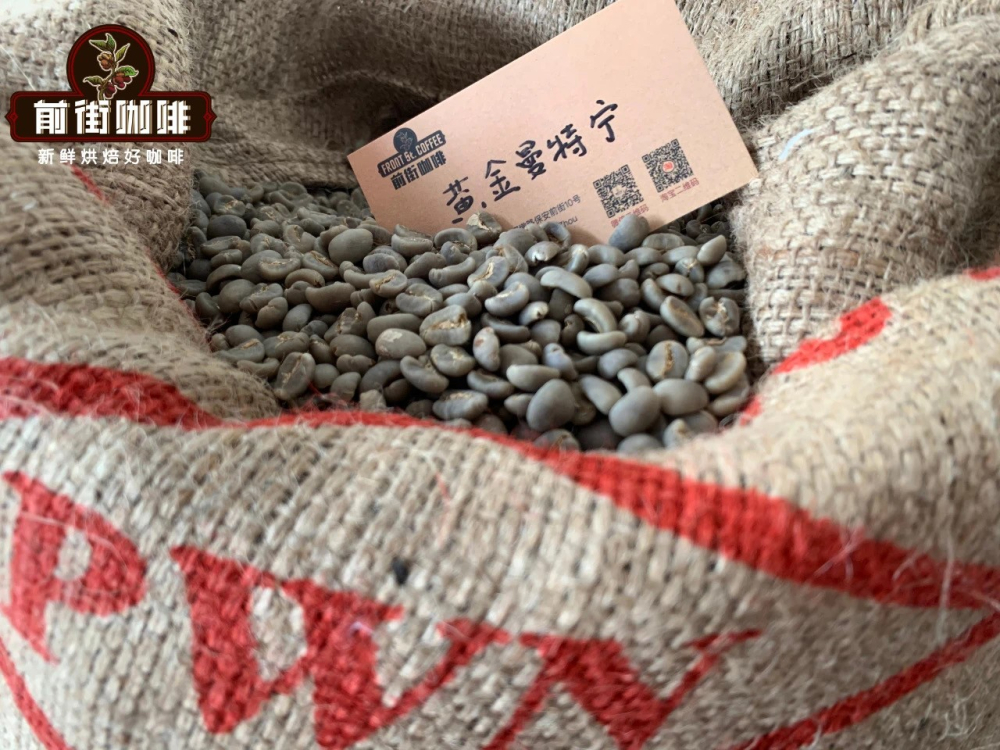
The so-called “Gold Mandheling” takes its name from the renowned Indonesian coffee trader PWN Company (Pwani Coffee Company). PWN has long been deeply involved in the procurement of premium Sumatran coffee and has a high level of control over regional resources. Gold Mandheling refers to high-quality Mandheling that has undergone strict hand-selection and defect removal by PWN, with each batch going through multiple manual screening processes to retain only plump, flawless green beans. It is important to note that “Gold Mandheling” is a registered trademark of PWN. Many products on the market that claim to be “Gold Mandheling” but are not sourced from PWN are actually regular premium Mandheling, and there are differences in quality control and consistency between the two.
When discussing the unique flavors of Gold Mandheling, one cannot overlook the traditional processing method it employs—wet-hulled processing (Giling Basah, also known as wet hulling). Although its name is similar to washed processing, its actual operation and flavor profile are vastly different. Wet-hulled processing imparts a richer, fuller cup with distinctive earthy and smoky characteristics.
The main steps of wet-hulled processing are as follows: First, harvested coffee cherries undergo floatation to remove low-density defective cherries that float on the water’s surface. Then, the outer skin and pulp are removed, and the beans enter the fermentation stage, usually soaked for 12 to 36 hours to break down the mucilage layer. At this point, the process is still similar to washed processing. The next step is to place the parchment-covered beans under the sun to dry for 1 to 2 days until the moisture content drops to 30–50%, leaving the beans in a semi-soft state. The most critical step is that before the beans are fully dried, a hulling machine is used to remove the parchment, after which they continue drying until the moisture content reaches approximately 12% to complete the process.
The adoption of wet-hulled processing is closely related to Indonesia’s unique climatic environment. With high humidity year-round and many areas receiving up to 2,000 mm of annual rainfall, the moist weather makes the drying process for coffee beans extremely challenging. Conventional washed processing requires drying the beans with parchment slowly to prevent rapid moisture loss that could cause cracking, but in Indonesia, this could prolong drying time and increase the risk of mold. Wet-hulled processing accelerates drying efficiency by removing the parchment earlier, ensuring that the beans can be processed within a certain timeframe even under unpredictable rainy conditions.
In addition, wet-hulled processing also has economic considerations. As early as the 17th century during the Dutch colonial period in Indonesia, this method was widely adopted to achieve quick returns and reduce production costs due to its shorter processing time and relatively lower labor requirements. However, because hulling is performed when the beans still have high moisture content (around 20–24%), the bean structure is more fragile and prone to defects such as “goat hoof beans” or “horse hoof beans” (known locally as kuku kambing) during hulling. To reduce defect rates, processing facilities typically conduct secondary or even tertiary hand-sorting to ensure the final green beans meet high quality standards.
In terms of flavor, due to the short fermentation time and rapid drying, wet-hulled processing often results in a low-acid, full-bodied taste with a slightly heavy mouthfeel, and common flavor descriptors include earthiness, tobacco, chocolate, and woody notes. Some attribute this to specific varieties (such as the Timor and Catimor hybrids with Robusta lineage), while others attribute it to organic cultivation environments and microbial activity during processing.
Currently, the main variety planted for Gold Mandheling is Ateng, which is actually a well-adapted Catimor variety in Indonesia, with its name derived from the abbreviation of “Aceh Tengah” (Central Aceh). After years of cultivation and selection, this variety has significantly reduced earthy flavors and is widely planted across various Sumatran producing regions.
In terms of roasting application, Gold Mandheling green beans generally have higher moisture content compared to typical natural process beans, so special attention needs to be paid to controlling the drying phase during the initial stages of roasting. It is recommended to close the air vent tightly for steaming after loading the beans, and once the bean surface turns light green or white, gradually adjust the air vent and flame to stabilize the temperature rise curve. It is generally advised to meticulously record the beans’ moisture content, density, origin information, and processing method during roasting, while also observing changes in roasting environment temperature and humidity, which helps in recreating an ideal roasting curve in the future.
A common example of a roasting curve is as follows: load the beans at 200°C with the air vent at 3, then reduce the flame to 160°C after one minute, keeping the air vent unchanged; around 5 minutes and 40 seconds, when the temperature reaches 148°C, the bean surface turns yellow and grassy notes fade, then adjust the flame to 140°C and the air vent to 4; by 9 minutes and 40 seconds, the bean surface shows wrinkles and black spots, the coffee aroma becomes richer, and it enters the pre-first crack stage, with first crack starting around 9 minutes and 54 seconds. At this point, reduce the flame to 60°C and open the air vent wider, finally finishing roasting at 204.5°C.
For cupping, Gold Mandheling is evaluated 8 hours after fresh roasting. It often exhibits a cleaner taste than typical Lintong Mandheling, with significantly reduced off-flavors such as herbal notes, earthiness, and woody tones, while caramel sweetness and fruit acidity brightness become more prominent. It’s worth noting that Gold Mandheling can deliver good sweetness and clarity whether roasted just before or after first crack, offering more flexible roasting interpretation possibilities.
For pour over recommendations, since Gold Mandheling is mostly dark roasted, the following parameters are suggested to enhance its full-bodied characteristics: 15 grams of coffee, 1:15 coffee-to-water ratio, 70% extraction through a #20 sieve, water temperature around 87°C, paired with a Kono filter and a three-stage pouring method. The specific process is as follows: the first stage involves a 30 ml bloom pour to moisten the coffee grounds and promote degassing; the second stage involves pouring 100 ml to extract golden crema and core flavors; the final stage involves a gentle 95 ml center pour to enhance sweetness and body. Total extraction time is controlled around 2 minutes, highlighting layers of caramel, nuts, and chocolate.
The above content is compiled by CoffeeHunters, a coffee news website.


