








Introduction:As a representative specialty coffee region in Ethiopia, Yirgacheffe is defined by two distinct processing methods—natural and washed—that create vastly different flavor profiles. This article delves into the differences between the two techniques, exploring everything from regional background and processing steps to cupping performance, while also offering practical purchasing advice to help you find your preferred flavor direction.
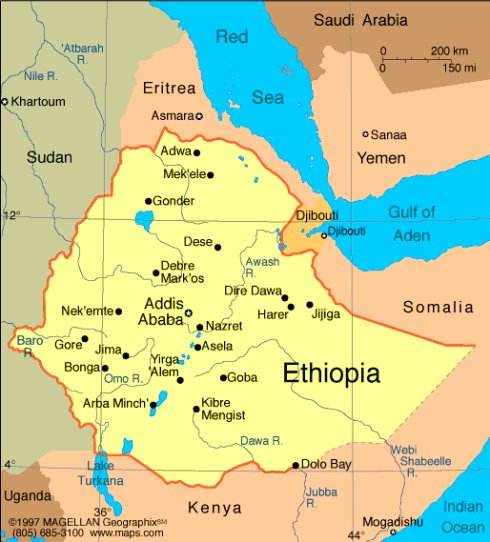
Yirgacheffe is one of the most renowned specialty coffee regions in southern Ethiopia, famous for its unique citrus notes and floral-fruit aromas. Smallholder farmers here typically deliver their harvested coffee cherries to cooperatives for unified processing, ensuring a stable and high-quality supply of green beans. The region is primarily located at elevations between 1650 and 1800 meters above sea level, with a dry climate and significant day-night temperature variations—ideal conditions for coffee cultivation.
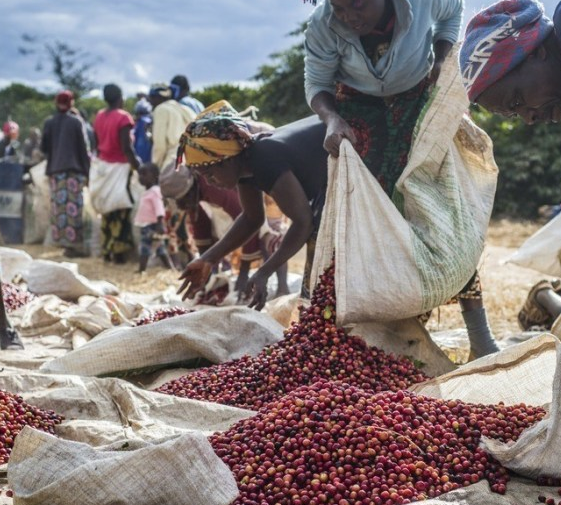
Following the 1995 administrative division, Yirgacheffe became part of the Gedeo Zone. Among its important micro-regions, Kochere stands out not only for its moderate altitude but also for its advanced processing facilities and extensive farming expertise, making it a coffee hub of the area. The main harvest season runs from November to December, with most cherries picked manually and chemical inputs largely avoided, so the coffee produced here can generally be considered organically grown.
Among processing methods, washed and natural are the two most common approaches in Yirgacheffe, each delivering markedly different flavor characteristics. Washed processing requires significant amounts of water and involves removing the pulp and fermenting the beans to enhance clarity of acidity and aromatic complexity, often described as having a "clean" flavor profile. In contrast, natural processing allows the coffee cherries to ferment fully on the bean, resulting in a richer sweetness, heavier body, and more complex fermented aromas.
The Fundamental Differences Between Natural and Washed Processing Methods
Processing is a key factor influencing coffee flavor. Natural processing involves drying the coffee cherries directly in the sun for about four weeks. During this period, the sugars and aromatic compounds from the fruit pulp penetrate the seed, creating a rich sweetness and wine-like notes. Washed processing, on the other hand, removes the skin and pulp using water tanks, followed by fermentation and washing, then drying the beans still encased in their parchment layer. This method emphasizes bright acidity and pure aroma.
Differences in Bean Appearance and Dry Aroma
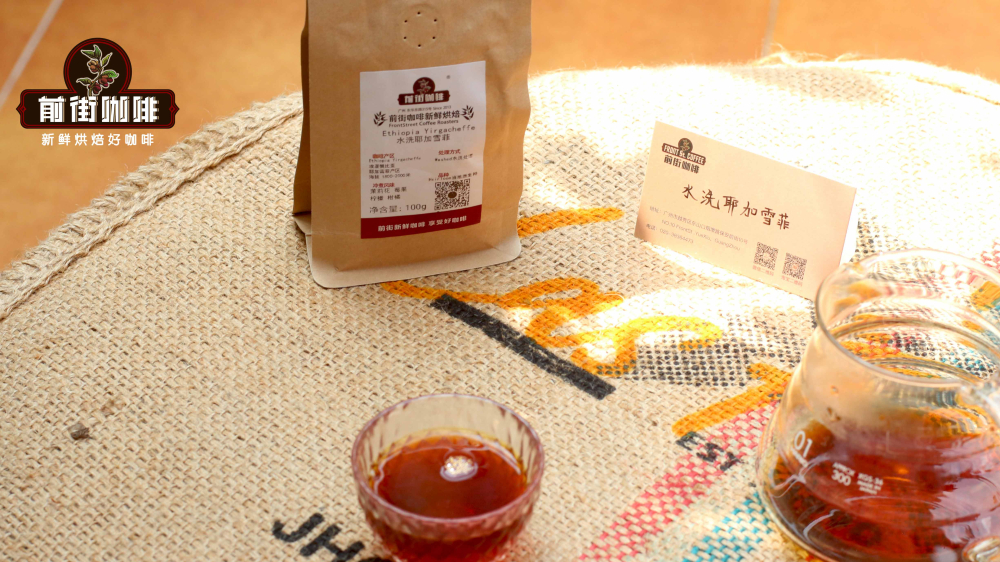
Visually, washed green beans usually exhibit a vibrant green color, while natural beans tend toward yellow-green. For roasted beans, washed Yirgacheffe typically has more silverskin, whereas natural Yirgacheffe has relatively less. During cupping—using 8 grams of coffee and 150 ml of water at 94°C, steeped for 3 to 4 minutes—the aroma paths become clear: natural Yirgacheffe gives off light fermented wine notes and spicy hints, while washed Yirgacheffe highlights jasmine floral and lemony acidity.
Contrasting Mouthfeel and Flavor Profiles
In terms of mouthfeel, natural Yirgacheffe presents complex layers, blending light fermented wine notes, caramel sweetness, and spicy undertones, with a full body and lingering aftertaste. In contrast, washed Yirgacheffe leads with bright lemony acidity, showcasing fresh citrus aromas, and finishes with a soft tea-like sensation akin to black tea, overall offering a crisper flavor profile.
Both processing methods feature fruity acidity, commonly including bright notes like lemon and citrus, but their expressions differ. Natural flavors are richer and sweeter, while washed emphasizes freshness and a well-structured acidity profile.
Practical Purchasing Advice and Classic Bean Options
When selecting Yirgacheffe, you can choose a processing method based on personal taste preference: those who enjoy intense sweet aromas and complex flavors may prefer natural-processed beans; if you favor bright acidity and high aromatic expression, washed processing is the better choice. Additionally, paying attention to green bean grade and microclimatic differences within the region can further refine your selection.
Common misconceptions include overemphasizing high altitude or a single dominant flavor trait. In reality, the charm of Yirgacheffe lies in its diversity and the flexible use of processing methods. By understanding the characteristics of different processing techniques, you can more accurately discover a coffee experience that suits your personal taste.
The above content is compiled by CoffeeHunters, a coffee news website.


