







Introduction:While Yirgacheffe is renowned for its bright acidity, there are also options with captivating sweetness. This article delves into the origins of Ethiopia’s Red Cherry Project, analyzes how whole red cherry harvesting and hand selection enhance quality, and explains how sun-dried processing influences flavor. It also provides pour over parameters and techniques for a well-known brand’s Yirgacheffe Red Cherry, helping you better understand this classic coffee that balances sweetness and aroma.
As the birthplace of coffee, Ethiopia has been a major global supplier of specialty coffee for centuries. The region’s high-altitude terrain and unique microclimates produce beans with rich flavor layers and delicate aromas. Many coffee enthusiasts start their pour over journey with Ethiopian beans precisely because they offer an unforgettable combination of floral-fruity notes and clean taste profiles.
Among the many producing regions and processing methods, Yirgacheffe has long been celebrated for its bright acidity and citrusy character—exemplified by its classic washed process versions. However, if you prefer a coffee with stronger sweetness and a rounder flavor, then the sun-dried Yirgacheffe Red Cherry is definitely worth trying. In addition to retaining some of its fresh fruity notes, this coffee showcases enticing layers of peach, berries, honey, and cocoa, offering a smooth mouthfeel and a long-lasting finish.
When discussing the outstanding quality of Yirgacheffe Red Cherry, one must mention the “Red Cherry Project (Operation Cherry Red, ORC).” Launched in 2007 by the Dutch specialty green coffee trader Trabocca, the initiative was designed to identify and elevate high-quality coffee beans from smallholder Ethiopian farmers. At its core, the project mandates the strict harvesting of only fully red, ripe coffee cherries and insists on 100% handpicking to ensure uniform fruit maturity.
But the Red Cherry Project goes beyond setting harvesting standards—it also provides smallholder farmers with financial loans, technical guidance, and advanced equipment to help improve their production conditions. Under the program, farmers are required to handpick approximately 1500 to 3000 kilograms of whole red coffee cherries within designated microclimate zones. As long as the final green beans score 88 points or abovein cupping sessions held in both Addis Ababa, Ethiopia, and Amsterdam, the Netherlands, Trabocca will purchase them at premium prices, significantly boosting farmers’ income and motivation to grow quality coffee.
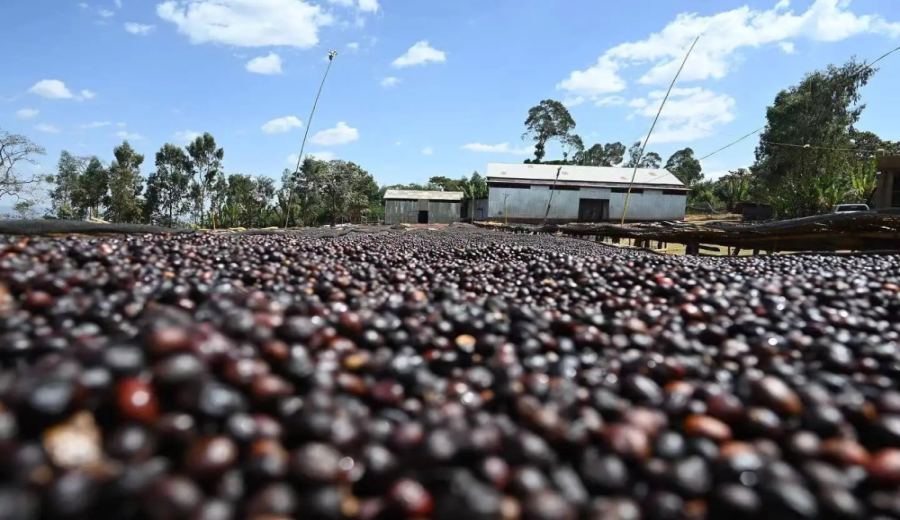
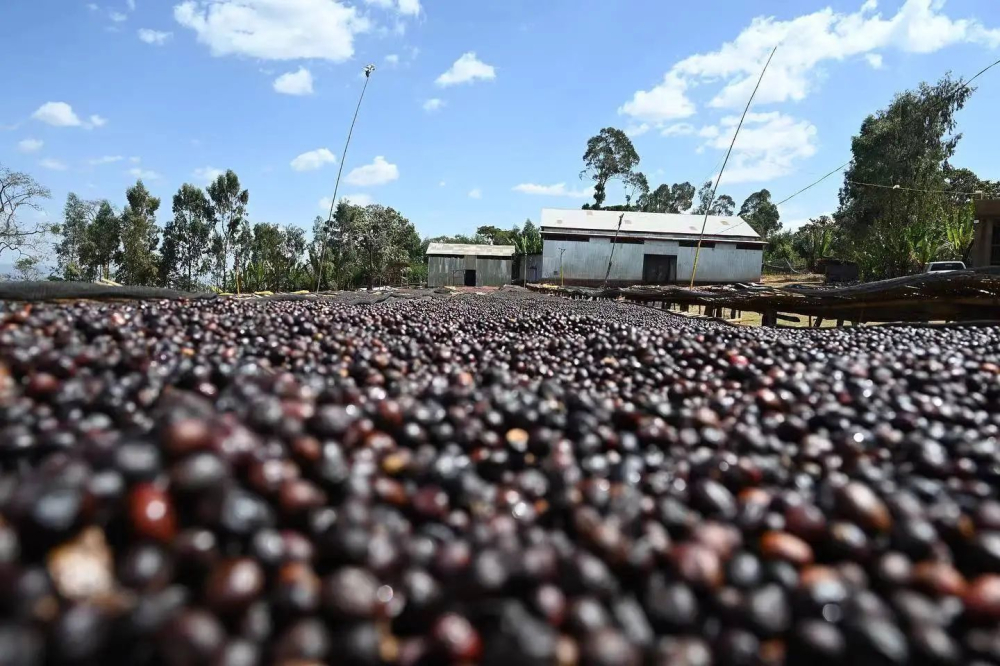
To achieve a coffee with delicate flavors and pronounced sweetness, the processing method is also key. A well-known brand’s Yirgacheffe Red Cherry employs the natural sun-dried method (Natural / Dried-in-the-Fruit), one of the most traditional coffee processing approaches. In this method, harvested coffee cherries are not de-pulped but are instead dried with their fruit flesh intact for about four weeks. Frequent turning is required during this period to ensure even heat distribution and prevent uneven fermentation that could lead to off-flavors.
The sun-drying process demands very specific climatic conditions—it must be carried out in dry, sun-rich environments so that the coffee beans can slowly ferment within the fruit pulp, thereby developing intense tropical fruit and sweet aromatic notes. This processing method gives Yirgacheffe Red Cherry a rich, full-bodied mouthfeel while preserving fine layers and natural sweetness, making it stand out distinctly from other Yirgacheffe processing styles.

In terms of roast level, a well-known brand’s Yirgacheffe Red Cherry is medium-light roasted to fully highlight its inherent floral and fruity characteristics. All coffee beans are shipped within five days post-roast to ensure freshness and are suitable for brewing with various devices, including pour over, cold brew, drip bags, and French press. For those who prefer espresso, the same brand also offers an SOE (Single Origin Espresso) version of this bean, medium roasted, yielding prominent tropical fruit, caramel, and citrus notes along with ample berry sweetness when brewed. It’s ideal for home espresso machines or moka pots.
If you choose to enjoy a well-known brand’s Yirgacheffe Red Cherry via pour over, it is recommended to use a Hario V60 filter, with water temperature controlled at 90-93°C, a coffee-to-water ratio of 1:15, and a grind size roughly equivalent to 80% passing through a Chinese No. 20 sieve—similar to the coarseness of fine sugar. The specific brewing method is as follows: begin with a 30-second bloom using 30 grams of water, then pour up to 125 grams for the first extraction phase. When the water level drops and is about to expose the coffee bed, pour again up to 225 grams before stopping the pour. The total brew time is around 2 minutes. These parameters effectively highlight the coffee’s fruity and sweet profiles, making it suitable for both beginners and experienced coffee enthusiasts.
The above content is compiled by CoffeeHunters, a coffee news website.


