







Introduction:Pourover alternatives don’t get much better than drip bags — they’re perfect for travel, commuting, or office environments. But many assume that just pouring hot water over a drip bag is enough to get great flavor, when in fact factors like water temperature, pouring technique, and brew ratio are key to a quality extraction. This article delves into the history of drip bags, how they differ from pourover, and breaks down everything from the steps to parameter control to help you master the brewing technique, ensuring each cup delivers a rich and layered cup profile.
Thanks to their convenience and portability, drip bags have become a top choice for busy individuals or frequent travelers seeking a pourover-like coffee experience. However, many make the mistake of treating them like tea bags — simply steeping them in hot water — which often results in a loss of aroma and complexity. In reality, with the right brewing method, drip bags can deliver a flavor performance that rivals traditional pourover.
This guide will take you through the origins of drip bags, compare them to traditional pourover methods, and walk you through the full process — from opening the pouch and hanging the filter to performing the multiple pour steps. We’ll also focus on three critical elements: water temperature range, pouring control, and brew ratio, all of which are essential to shaping the final taste. Additionally, we retain descriptions of eight popular flavor profiles, including their origin regions and characteristics, to help readers choose based on taste preferences.
For black coffee enthusiasts, it’s not always practical to carry a full pourover setup while traveling, at the office, or when a sudden coffee craving hits. Drip bags fill this gap, offering a coffee experience close to pourover without the need for complicated equipment. As the self-brewing culture grows, more consumers are beginning to value every step of the coffee journey — from green bean to cup.
Although drip bags aren’t difficult to use, improper techniques — such as steeping them like ordinary tea bags — can lead to under-extraction and flat flavors. In truth, drip bags aren’t just “convenient coffee” — they’re thoughtfully designed products that simulate the drip effect of pourover. Understanding their mechanics and proper usage is the only way to truly unlock the potential of the coffee grounds.
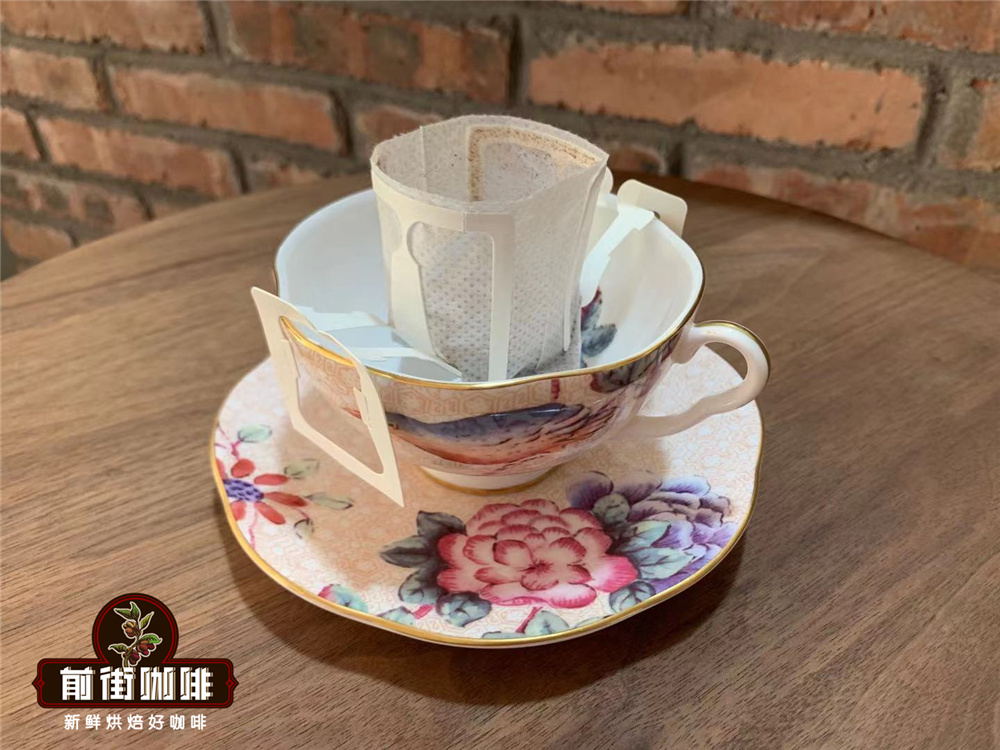
The term “drip bag” comes from its unique structural design. This type of coffee tool was first developed in 1990 by Japan’s Yamasan Industry Co., Ltd., drawing inspiration from tea bags with strings. The designer’s goal was to allow people to enjoy a pourover-like drip effect even without professional equipment. Specifically, pre-ground coffee is placed in a non-woven fabric filter bag, with cardboard “ears” attached to both sides of the bag so it can be securely hung over the edge of a cup. In 2002, the design was officially patented and launched on the market, gradually becoming a widely favored form of convenient coffee.
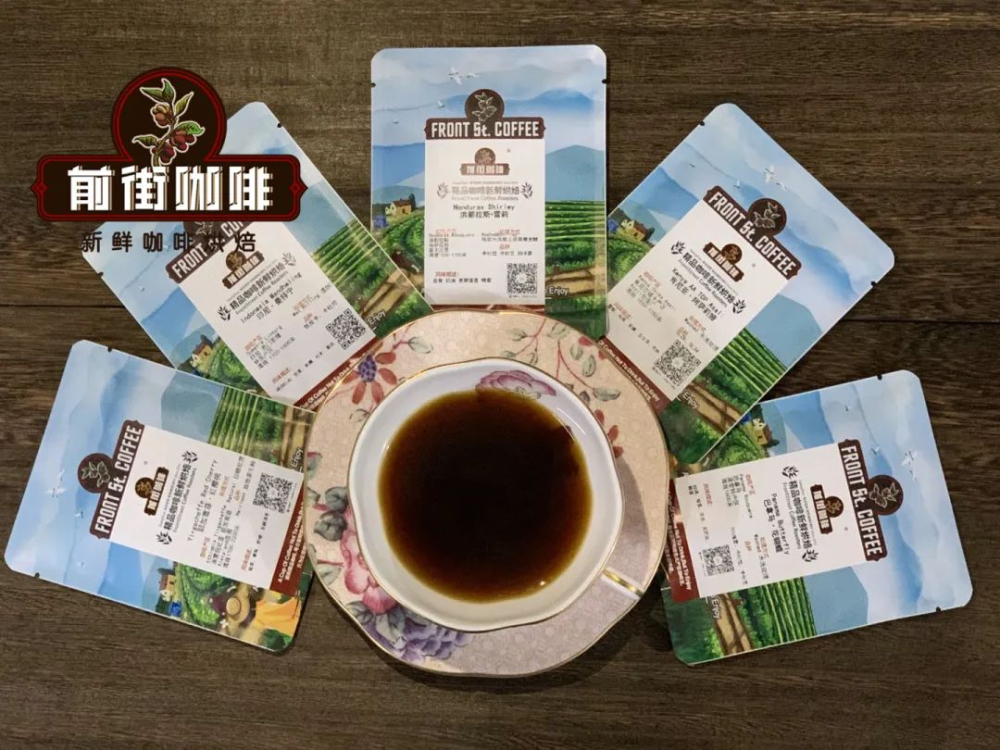
Drip bags are essentially products where freshly ground coffee is sealed inside a filter bag. For example, common varieties on the market use freshly roasted beans that are ground and packaged right away to ensure optimal flavor. Like traditional pourover, they employ a filtration-style extraction method, but drip bags eliminate the need for a pourover kettle, dripper, grinder, or thermometer — all you need is a cup and manual pouring to complete the brew.
That’s why drip bags are also called “on-the-go coffee” or “portable coffee.” They’re ideal for frequent movers or those prioritizing convenience. While they may not offer the flexibility or flavor depth of technique-driven pourover, drip bags can still produce satisfying cups when you control the key parameters well.
In practice, making drip bag coffee is relatively straightforward. Taking a common 10g drip bag as an example, the recommended brew ratio of 1:15 suggests a total water volume of around 150ml. Of course, you can adjust the ratio to suit your taste — use less water for a stronger cup or more for a milder one.
Here’s the standard process: First, prepare a clean cup or server and a gooseneck kettle with flow control. Next, tear open the outer pouch of the drip bag and carefully open the filter bag along the dotted line. Unfold the “ears” on both sides of the drip bag and hang them on the rim of your cup, ensuring the filter bag is stable and the spout is centered over the cup. Step one is the pre-wet: evenly pour a small amount of hot water over all the coffee grounds and let it bloom for about 10–20 seconds. This step awakens the aromas and activates the grounds. Then, continue pouring with a steady, fine stream of water, keeping the liquid level rising slowly and dripping naturally until you reach the desired volume. Finally, wait for all the coffee to fully drip through before enjoying.
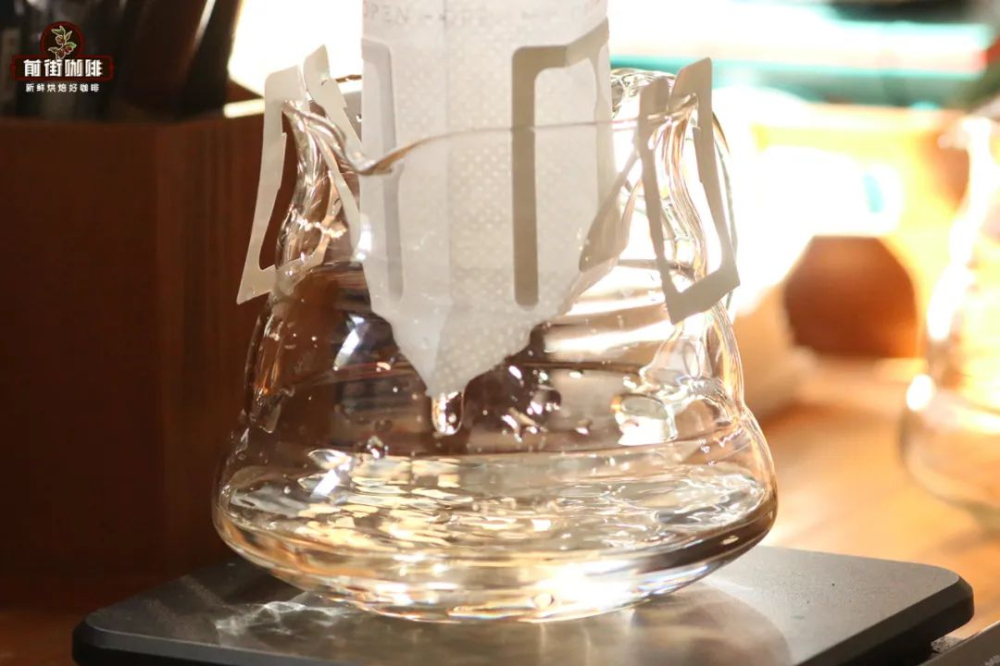
Although drip bag brewing is relatively flexible, there are still several details that shouldn’t be overlooked. The first is water temperature, which should ideally be controlled between86 to 93 degrees Celsius. Water that’s too cool can lead to under-extraction, resulting in thin or even overly sour flavors. If environmental conditions prevent reaching this temperature range, you might consider slightly extending the pouring and dripping time to compensate for the lack of extraction.
Secondly, the speed of your pour is equally crucial. Pouring too fast reduces the contact time between water and coffee grounds, which can cause uneven extraction or overly light flavors. It’s recommended to use asteady and gentle streamthroughout the process to ensure even saturation of each coffee particle and to bring out fuller aromas and layered flavors.
As for the wide variety of drip bag options available, the market offers many flavor profiles sourced from different origins, each reflecting the unique character of the beans from that region. For example, Ethiopian Yirgacheffe series often feature distinct citrus and floral notes; Indonesian Mandheling is known for its herbal, nutty tones and rich finish; Brazilian Cerrado beans typically showcase nutty and chocolatey flavors, appealing to those who prefer a fuller body. There are also unique blends from Guatemala, Honduras, Colombia, and Yunnan, providing a diverse selection to explore.
In summary, while drip bags are far more convenient than pourover, mastering the three key elements — water temperature, water flow, and brew ratio — can still yield a cup with excellent flavor and layers. Whether you’re at the office, on the road, or simply looking for an easier brewing method, adjusting these parameters appropriately can take your drip bag experience to the next level.
The above content is compiled by CoffeeHunters, a coffee news website.


