







Introduction:Want to understand the differences between SOE espresso and traditional espresso blends? This article delves into their distinctions in flavor profile, bean variety selection, and extraction parameters. From brew ratios and extraction time to flow rate control, it helps you master the key techniques so that whether you’re brewing at home or tasting coffee, you can more precisely appreciate the charm of different flavor characteristics.
In recent years, SOE (Single Origin Espresso) has become increasingly common in coffee competitions and specialty cafés. This type of coffee emphasizes the unique flavor characteristics derived from a single origin or even a single farm, forming a strong contrast with common espresso blends. What exactly is SOE? How does it fundamentally differ from regular pour over or espresso blends? More importantly, in practical operation, how can you adjust parameters such as brew ratio and extraction time to make an espresso that is neither overly intense nor lacking in complexity? This article will start with basic definitions and combine real-world examples to guide you step-by-step through the intricacies, while also offering practical extraction tips so you can brew a balanced and flavor-clear espresso at home.
 The full name of SOE is Single Origin Espresso, meaning espresso made from beans of a single origin. True to its name, it emphasizes using coffee beans from the same region or even the same estate to showcase the unique terroir and processing methods that impart distinctive flavors. However, it’s important to note that although SOE highlights a single origin, it doesn’t guarantee that the beans are of high quality or specialty grade, so extra attention should be paid during the bean selection phase to ensure the flavor profile is distinct enough. Typically, SOEs are made from beans with clear fruity, floral, or unique fermented notes, allowing their individuality to shine through after extraction.
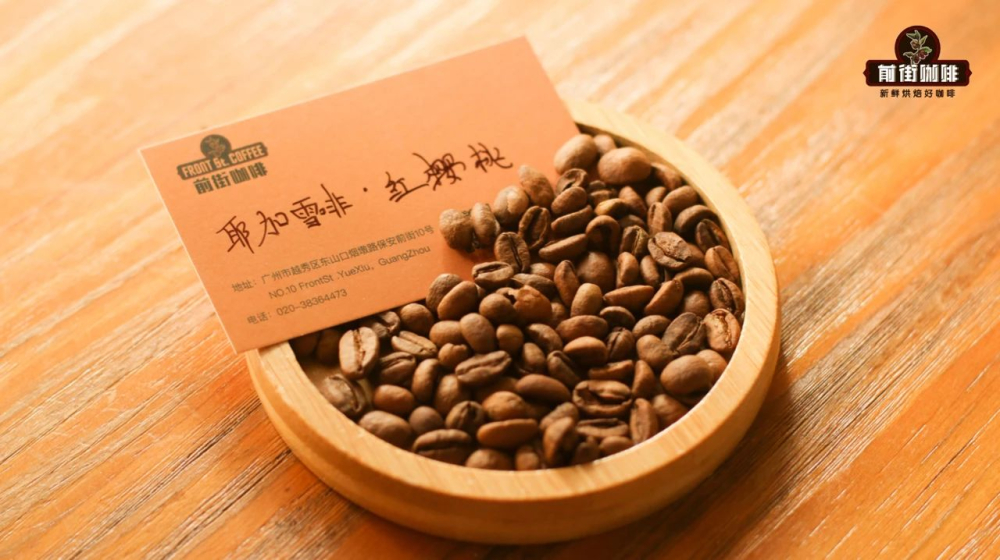
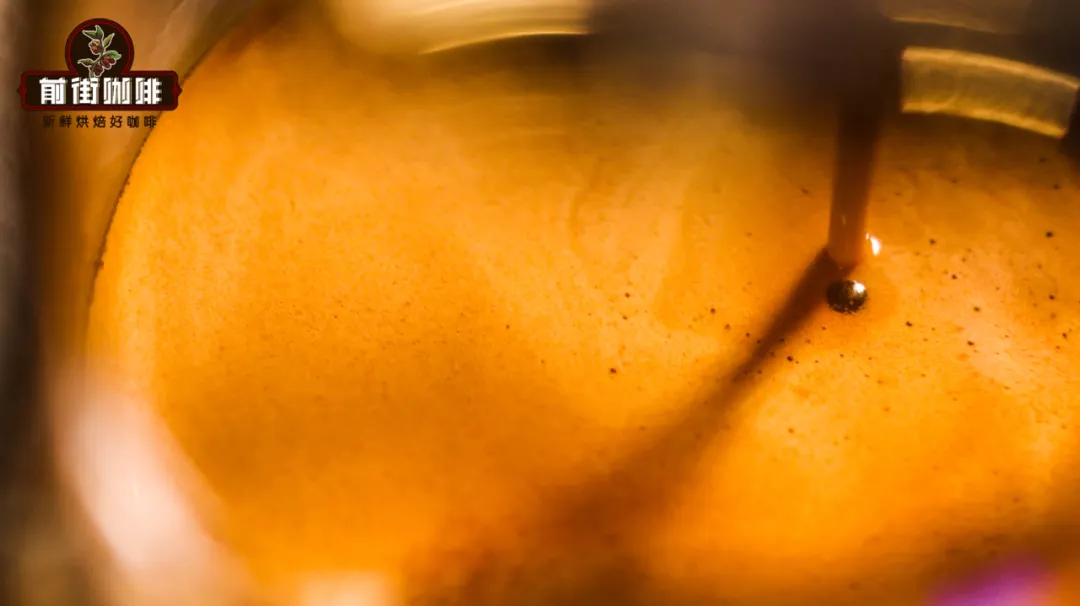
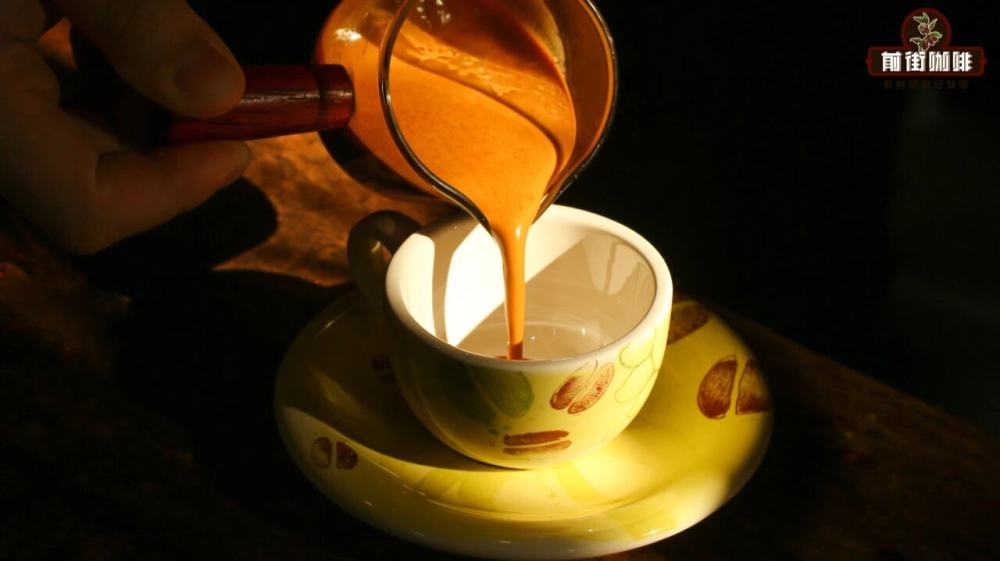 For example, one coffee brand once launched an SOE product based on Ethiopian natural red cherry. This bean is made exclusively from fully ripe red cherries processed via natural drying, delivering a rich aroma of tropical fruits and soft floral notes. It’s suitable not only for pour over but also as a cold brew base. When this bean is used to make espresso, extracting 20 grams of coffee grounds for 27 seconds yields about 40 grams of coffee liquid. Observing this shot, its surface is covered with a beautiful reddish-brown crema, exuding a strong aroma. When sipped, you can distinctly perceive layers of citrus, berries, and subtle fermented notes, with a full and slightly viscous body, bright and lively acidity, medium bitterness, and an overall well-balanced profile.
It’s worth mentioning that when using the same beans for pour over, the resulting liquid usually doesn’t develop the same crema as espresso, mainly because the pour over filter paper filters out some of the oily components. Additionally, SOE and pour over share similarities in roast level selection: to highlight regional characteristics, both typically use medium-light roasts, with adjustments to medium or dark roasts only made in rare cases based on origin traits. Currently, the market offers pour over single-origin beans from over 50 regions, the vast majority of which focus on medium-light roasting to preserve more of the original flavor characteristics.
 So, how does SOE differ from common espresso blends? Traditional espresso often uses a blend of multiple coffee beans, with recipes commonly including three or more types, and in some cases even ten or more. The biggest advantage of this blending method is that it provides more stable flavor expression and consistent mouthfeel, which is why it’s commonly seen in major chain brands like Starbucks and Luckin. In contrast, SOE emphasizes the personalized flavors of a single origin. While it can showcase more distinctive characteristics, it also faces challenges such as seasonal supply instability and limited production. Moreover, since single-origin beans are generally of higher grade, their prices are usually higher than those of standard espresso blends.
Common espresso blend beans have relatively flexible requirements for green bean quality, and the proportion of each bean variety can be adjusted as needed to achieve ideal flavor goals. For instance, to increase body and color depth, some baristas add a small amount of Robusta beans to the blend. Although Robusta is less refined in flavor compared to Arabica, it is cheaper and provides a richer body and higher caffeine content, making it widely used in commercial blends to help control costs while maintaining taste performance.
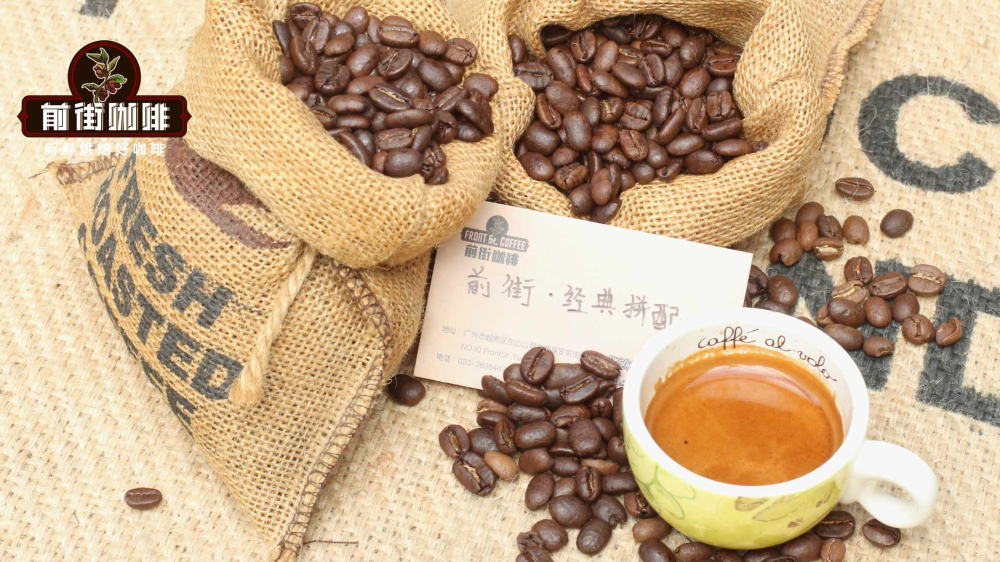
 Taking some brands’ commercial blends as examples, common combinations include Colombian washed beans and Brazilian semi-washed beans, supplemented with a small amount of Robusta. These blends typically present notes of nuts, cocoa, and caramel, with a smooth mouthfeel and low acidity, making them suitable for various milk-based coffees. Additionally, some brands offer sweetness-focused blends, such as a strawberry candy-flavored mix combining beans from three different origins. In addition to distinct rose floral notes, when brewed as Americano or latte, it also reveals complex flavors of grapes, blueberry jam, sweet orange, and fruit candy—perfect for consumers who prefer mellow sweetness.
It’s important to note that the number of bean varieties used in a blend shouldn’t be excessive, with a general recommendation to keep it within five to avoid overly complex flavors that lose layering. Furthermore, whether it’s SOE or a blended espresso, adjusting extraction parameters is crucial, as espresso is far more sensitive to details than pour over. Improper parameter settings can easily lead to over-extraction or under-extraction, ultimately affecting the overall flavor profile.
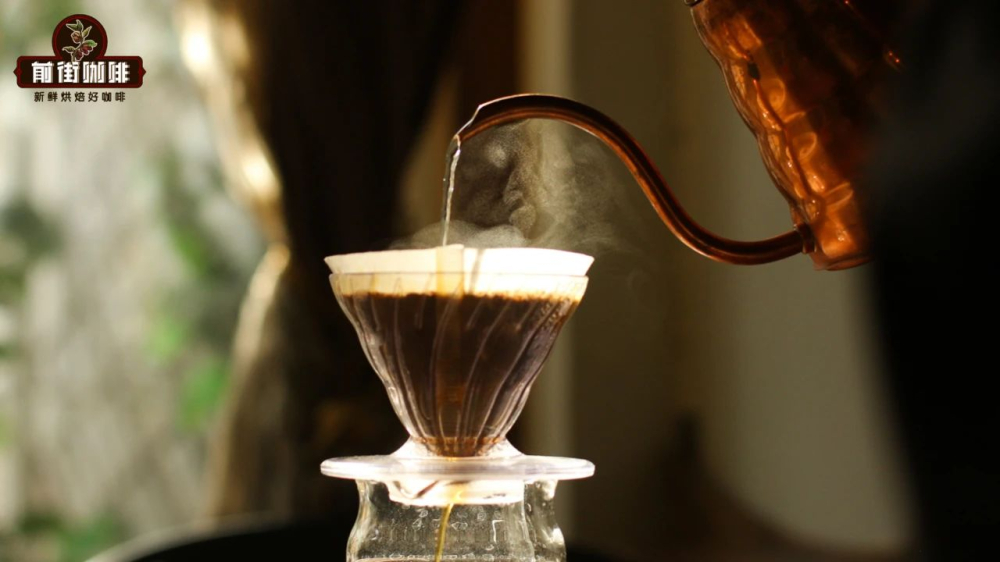 In practice, brew ratio is one of the key factors influencing espresso concentration. It’s generally recommended to maintain a brew ratio between 1:1.5 and 1:2.5, with the most commonly used ratio being 1:2—that is, 20 grams of coffee grounds yielding 40 grams of coffee liquid. If the ratio is too low, the coffee may become overly intense or even exhibit noticeable bitterness; conversely, if the ratio is too high, the coffee may turn out too light or even develop sharp acidity. Additionally, extraction time is another important parameter, typically recommended to fall between 20 and 35 seconds to ensure that flavor compounds are adequately extracted without releasing excessive undesirable impurities.
Finally, flow rate control is equally essential. When you start extraction, if stable coffee begins dripping around the 5-second mark and the flow remains consistent afterward, it usually indicates that the grind size and pressure settings are appropriate. If the flow is too slow, it may be due to an overly fine grind or excessive tamping; if the flow is too fast, it may result from an overly coarse grind or insufficient pressure. By continuously fine-tuning these parameters, you’ll be able to more precisely manage extraction balance. Whether it’s SOE or an espresso blend, you can easily brew coffee with clear flavors and harmonious texture.
The above content is compiled by CoffeeHunters, a coffee news website.


