







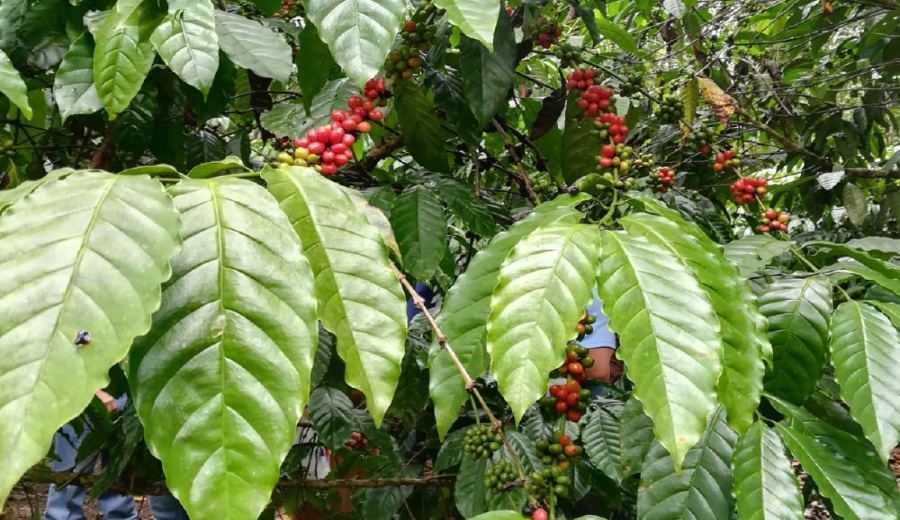
Introduction:Panama Geisha coffee has become a standout in the specialty coffee world, thanks to its unique floral aroma and bright acidity. But do you know how it rose from obscurity to become a top-tier variety? Why do Geishas from Panama, Costa Rica, and Ethiopia taste so different? This article delves into the history of Geisha, explores the characteristics of the three major producing regions, explains the red, green, and blue label grading system of Hacienda La Esmeralda, and provides practical pour over parameters to help you fully appreciate the charm of this legendary coffee.
Since winning the Best of Panama (BOP) competition in 2004, Panama Geisha coffee has quickly established an unshakable position in the global specialty coffee market. Its delicate floral notes, bright acidity, and complex aftertaste have made it the dream bean for many coffee enthusiasts, though its high price can also be daunting. What makes this coffee so special? Why do Geishas from different regions taste so distinct? We’ll start with its historical background and gradually uncover the sources of its allure.
Geisha was not always in the spotlight. In fact, this variety grew quietly in Panama for nearly half a century until 2003, when Hacienda La Esmeralda isolated it from other varieties and entered it in the BOP competition the following year. It defeated strong competitors including Bourbon, Caturra, and Typica to take the championship. Since then, Geisha has topped the BOP rankings for multiple years, bringing fame to Hacienda La Esmeralda, driving up overall Panama coffee prices, and attracting other regions to experiment with planting it.
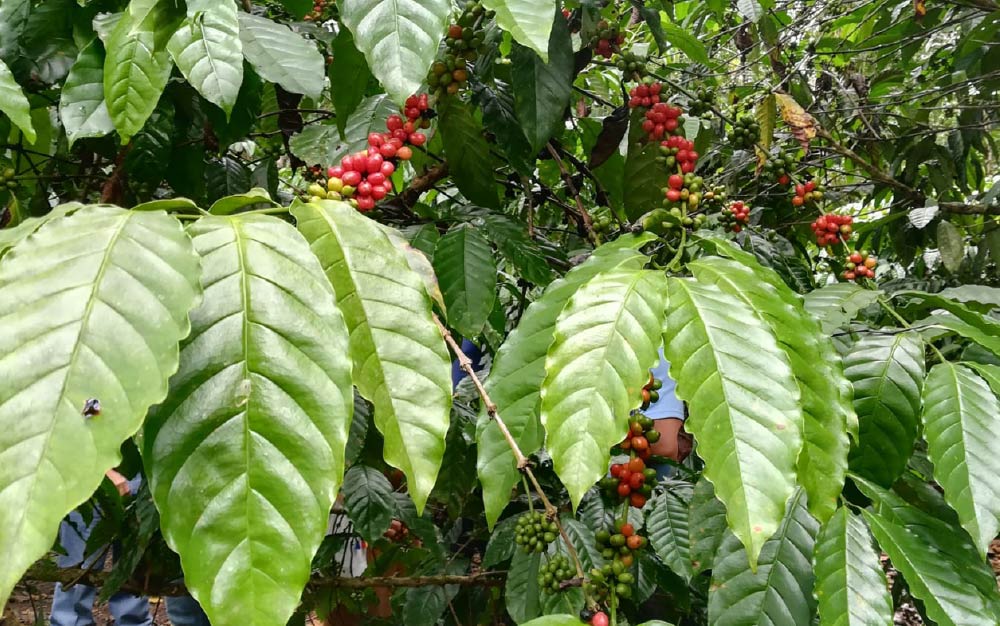
Geisha originally comes from Gesha Mountain in southern Ethiopia, but today, Geishas grown in different regions actually show significant genetic and flavor differences. Take the Geishas from Ethiopia, Costa Rica, and Panama as examples—each exhibits unique regional characteristics.
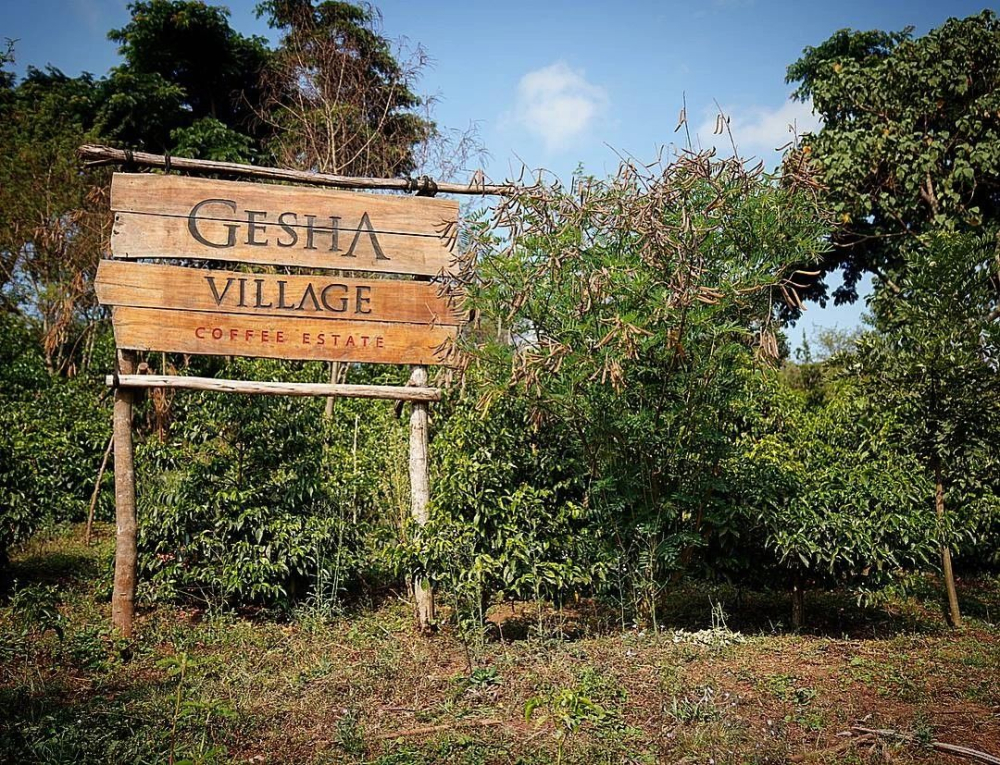
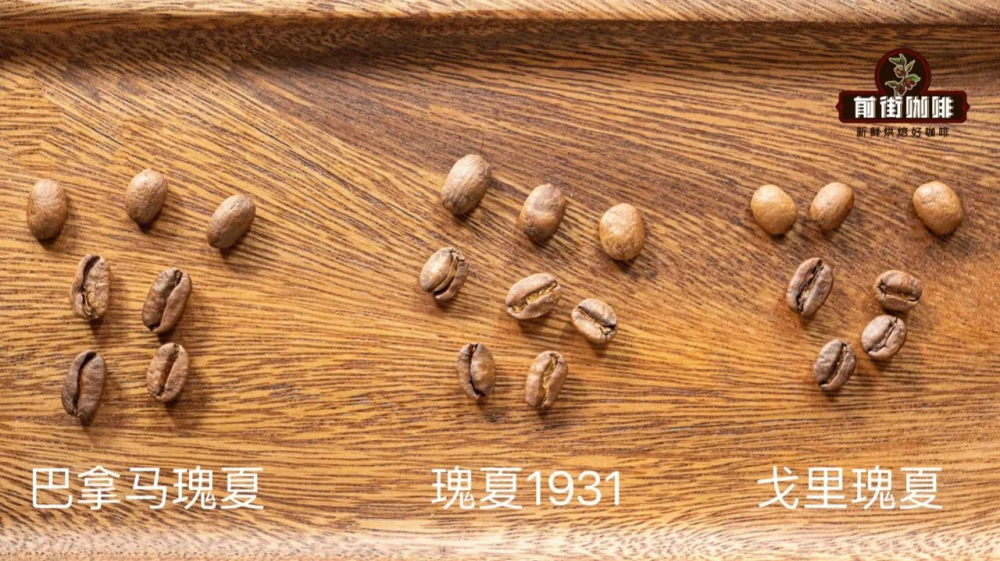
Ethiopia is considered the birthplace of Geisha, but the variety currently grown at Gesha Village Coffee Estate in Ethiopia shares little genetic relation to the Panama version. In 2009, at the suggestion of BOP judge Willem Boot, documentary filmmakers Adam Overton and his wife Rachel Samuel ventured into the Gori Gesha forest in Ethiopia, discovered wild Geisha trees, and brought back seeds to establish Gesha Village Coffee Estate. The estate currently grows three main cultivars: Gori Gesha (GG), Illubabor Forest 1974 (IF), and G31, which resembles Panama Geisha in appearance and flavor. However, according to official sources, these three cultivars are not genetically similar to Panama Geisha, resulting in distinctly different flavor profiles.
Costa Rica is another noteworthy producing region. This Central American country has over two hundred years of coffee cultivation history, with a mature industry chain and stable technology. Among its producers, Finca Cielito stands out due to its unique microclimate: the area experiences extreme day-night temperature variations, dropping as low as 9°C in the early morning, rising to 35°C in the afternoon, and falling back to around 9°C by evening. Such dramatic fluctuations help coffee cherries accumulate richer flavor compounds, resulting in a refined and distinctive taste profile.
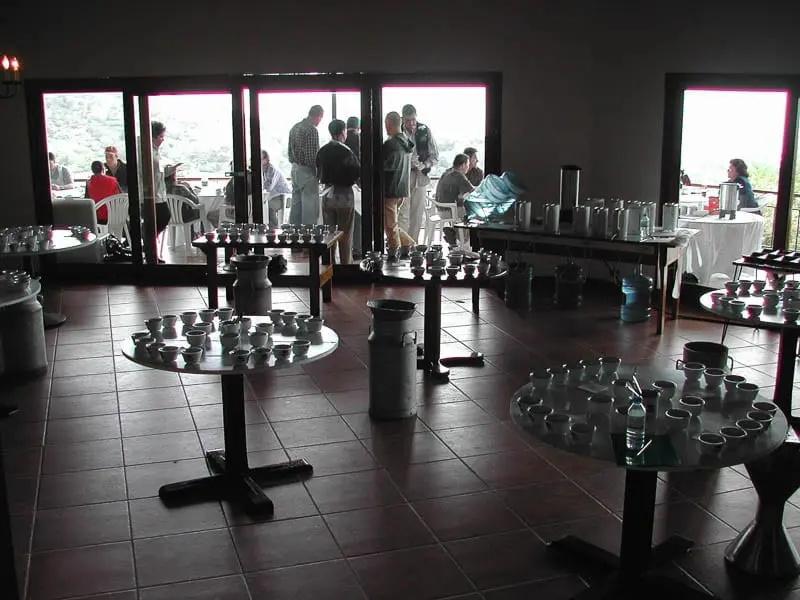
When it comes to Geisha, most people first think of Panama. Here, Geisha is not only where many people first encounter the variety but also became a market benchmark thanks to the outstanding performance of Hacienda La Esmeralda. The estate’s four major Geisha-growing regions are Cannas Verdes, El Velo, Jaramillo, and Palmira, with Jaramillo and Cannas Verdes being the most renowned for their altitude and microclimate conditions, which are believed to best bring out the potential of Geisha.
Hacienda La Esmeralda grades its Geisha into Red Label, Green Label, and Blue Label based on altitude, growing region, and processing method, with each grade having its own distinct positioning and flavor characteristics.
Premium — Red Label [Auction Lot]
Red Label Geisha, produced under Hacienda Esmeralda Special, represents the pinnacle of Geisha. These beans are grown at elevations of 1600–1800 meters in the Jaramillo and Cannas Verdes regions, with cupping scores of 90 or higher. Notably, the true Red Label consists of specific lot batches offered in Hacienda La Esmeralda’s annual independent auctions. These beans undergo rigorous selection and are of the highest quality. However, non-auction Red Label beans are also available on the market. They come from the same auction lots but did not go through the auction process, making them more affordable while maintaining high quality.
High-Quality — Green Label [Reserve Lot]
Green Label Geisha, also known as Private Collection, consists of micro-lot blends that did not participate in the auction but are still of excellent quality. These beans are also grown at altitudes of 1600–1800 meters, sourced from various lots in Jaramillo, Cannas Verdes, and others, so specific regions are usually not indicated on the packaging. As a blend from multiple lots, the flavor of Green Label can sometimes closely resemble that of Red Label, though subtle differences exist. Green Label offers both washed and natural processing methods: the washed version presents clear floral, fruity, and citrus acidity notes with a clean and bright taste; the natural version adds more fruit pulp texture and body, resulting in a richer flavor.
Standard — Blue Label [Selection Lot]
Blue Label Geisha is grown at elevations of 1400–1500 meters and is a blend of beans from Jaramillo, Cannas Verdes, and El Velo. Previously, Blue Label was only available in washed processing, but since 2020, a natural version has also been introduced. Washed Blue Label has a lighter flavor, highlighted by fresh floral notes and bright acidity; natural Blue Label offers more intense fruitiness and juiciness, catering to those who prefer a fuller-bodied taste.
Although the market often equates "Geisha" with Panama, the variety actually originates from the Gori Gesha forest on Gesha Mountain in southwestern Ethiopia. Therefore, "Geisha" is both a variety name and a place name. Currently, the Geishas grown in Ethiopia include Gori Gesha (GG), Illubabor Forest 1974 (IF), and G31, but genetic research shows they are not closely related to Panama Geisha, especially the first two, which can almost be considered different cultivars.
Finally, if you want to brew Geisha coffee at home to experience its delicate flavors, it’s recommended to use freshly roasted beans, ideally within 4–7 days post-roast. Use a Hario V60 dripper, with water temperature at 90°C, a 1:15 coffee-to-water ratio, about 15 grams of coffee, and a grind size similar to EK43S#10 (80% through a Chinese standard 20-mesh sieve). Employ a three-stage extraction: start with a 30-second bloom using 30 grams of water, then pour in water up to 125 grams for the first pour, wait until the water level is about to expose the coffee bed before pouring to 225 grams, and finally remove the dripper just before the water runs out, with a total extraction time of about 2 minutes.
The above content is compiled by CoffeeHunters, a coffee news website.


