







Introduction:Many coffee beginners have only a vague understanding of the differences between espresso and Americano. Although both are types of black coffee, they differ greatly in brewing methods, flavor profiles, and bitterness levels. This article will delve into the historical background, extraction methods, and actual taste characteristics of the two, while also comparing their English terminology and suitability as hot beverages. It further supplements professional-level extraction parameters and practical operation details to help you better appreciate and choose your coffee.
In the world of coffee, espresso and Americano are the most common types of black coffee, but many people only roughly distinguish them as “one strong, one mild.” In fact, the two vary significantly in brewing principles, flavor structure, and layers of bitterness. Understanding these nuances allows you to more deeply appreciate the diverse facets of coffee.
There are mainly two ways to prepare an Americano: one is direct extraction using a drip coffee machine, and the other is diluting one or more shots of espresso with hot water. The origin of this brewing style can be traced back to World War II. At that time, American soldiers stationed in Europe and America were accustomed to the mild taste of drip coffee from back home and found it hard to accept the intense bitterness and richness of Italian espresso. As a result, they mixed the espresso with a large amount of hot water to approximate the flavor of the coffee they drank at home. This practice was later mockingly dubbed “Americano” by Europeans, even carrying a slight tone of ridicule.
As for espresso, it follows a completely different extraction logic. It relies on a professional espresso machine that uses high pressure (typically 9 bar) to force a small amount of hot water (around 90–96°C) through tightly packed, finely ground coffee in an extremely short time (about 25 to 30 seconds). A standard double shot of espresso (Double Espresso) typically uses around 20 grams of coffee grounds to extract about 40 grams of espresso, with a coffee-to-water ratio of approximately 1:2. This method maximizes the extraction of coffee oils, aromas, and bold flavors, resulting in a concentrated essence.
An ideal espresso should have a layer of fine and persistentgolden crema (coffee foam)on top. This crema is not only an indicator of successful extraction, but also directly affects the richness of the flavor and the smoothness of the mouthfeel. A good shot of espresso should reveal a rich array of flavors: the initial notes might include intense smoky or chocolatey aromas, the middle phase offers balanced acidity and fruity tones, and the finish leaves a distinct sweetness with caramel or nutty undertones. The overall bitterness is well-balanced and not overpowering.
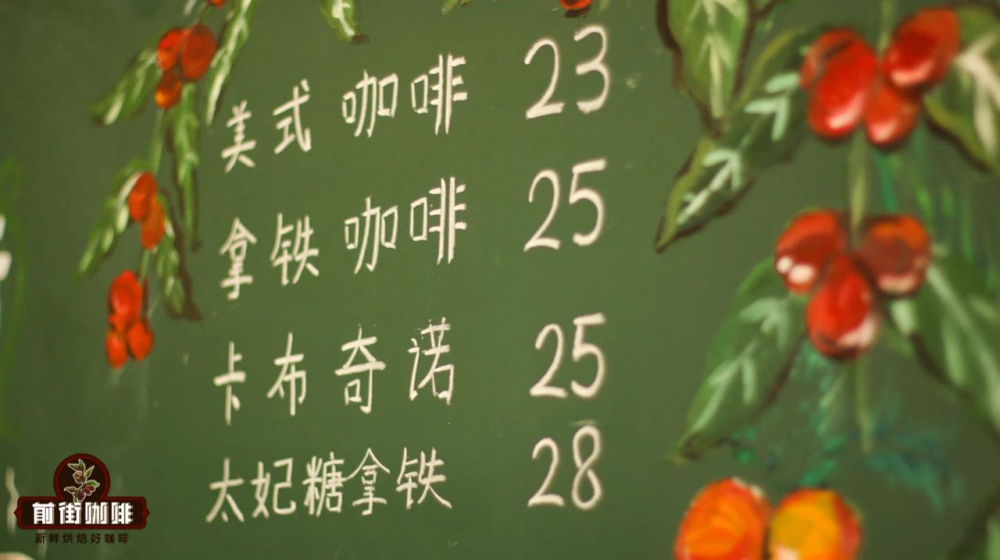
In contrast, Americano, due to the addition of a large amount of water, has significantly reduced concentration, and thus its bitterness becomes much milder. If it is brewed directly using a drip machine, its flavor tends to be crisper, with more noticeable acidity, making it suitable for those who prefer a lighter taste. Meanwhile, an Americano made by diluting espresso with hot water retains more of the original coffee flavors and aromas. Although the bitterness is toned down, it still maintains the core characteristics of espresso.
Regarding their English names, Espresso is the original Italian term, directly transliterated as “concentrated coffee,” referring to a small cup of black coffee extracted under high pressure and quickly. Americano, on the other hand, means “American-style,” and generally refers to any black coffee made by mixing espresso with hot water—whether you use one or two shots of espresso and whatever ratio of water, it can all be called an Americano. However, it’s worth noting that in some coffee-consuming countries, Americano may be misunderstood or jokingly referred to as “bland black water,” which is somewhat related to its diluted nature.
As for how a hot Americano tastes, it actually depends on the quality of the espresso you use and how you control the water temperature. It is generally recommended to dilute the espresso with hot water around 85–95°C. If you prefer a smoother taste, you can also choose to add warm water instead of boiling water to avoid over-extraction or ending up with a bitter or astringent result. When preparing it, you can first pour a certain amount of hot water (recommended 160–200 ml), then slowly pour the extracted espresso into the water. This helps better preserve the crema and aroma, and makes the flavors blend more harmoniously.
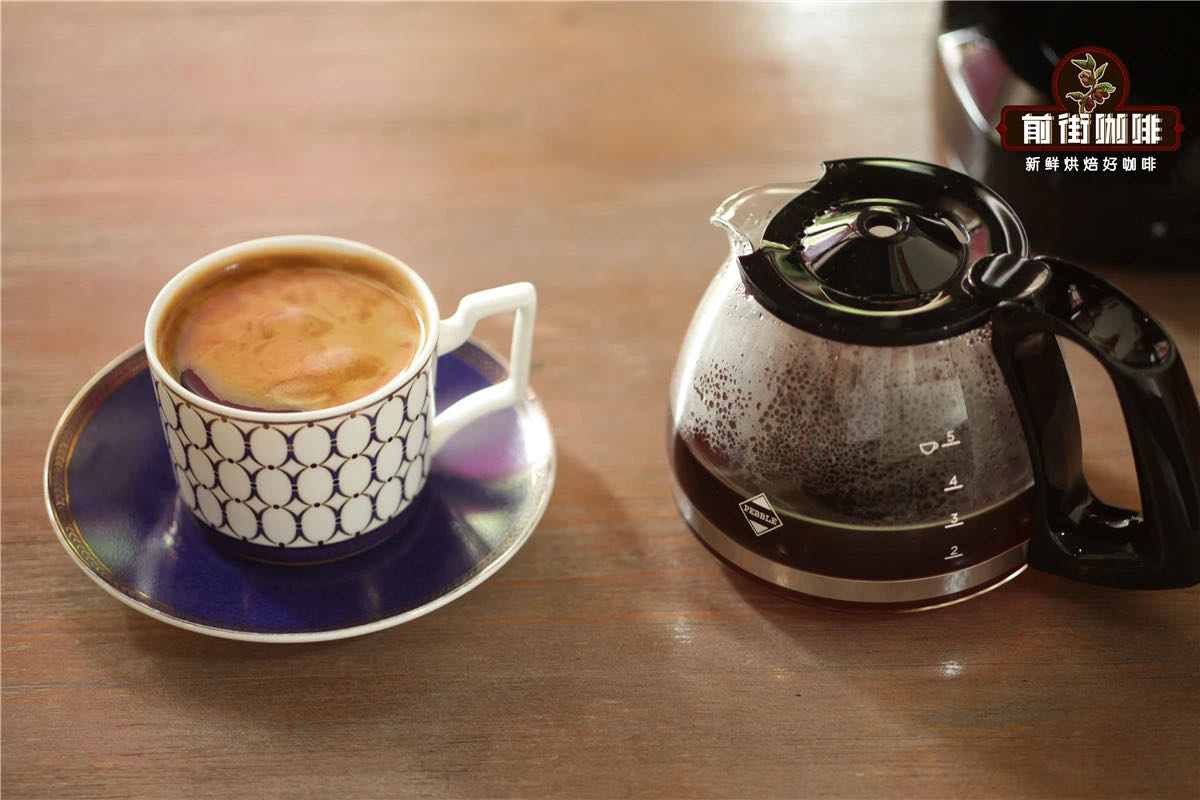
If you want to try brewing something with an espresso-like flavor at home using a pour over method, it’s recommended to choose a medium-to-dark roasted blend specifically designed for espresso extraction. Typically, these beans exhibit higher body and oil expression, which can mimic the bold base similar to espresso. In actual practice, factors such as coffee-to-water ratio, grind size, and brew time all significantly influence the flavor. Beginners are advised to start with a basic 1:2 ratio and adjust based on personal taste.
In summary, although both espresso and Americano belong to the black coffee family, the former is intense, concentrated, and features a rich array of bitterness and layers, while the latter becomes milder due to dilution, making it suitable for those with different taste preferences. No matter which one you prefer, understanding their brewing principles and flavor characteristics can help you enjoy each cup of coffee to the fullest.
The above content is compiled by CoffeeHunters, a coffee news website.


