







Introduction:Espresso is the soul base of classic coffees like lattes and cappuccinos, but many beginners often find its high concentration and unique flavors unfamiliar. This article delves into the tasting tips for espresso, including the correct use of ice water and a demitasse spoon, and details key extraction parameters such as dose, grind size, flow rate, and pressure to help you master the standards of a qualified shot. It also selects several espresso blends with different flavor profiles, from rich crema to balanced roast notes, to help you find your perfect match.
Espresso is the foundation of many classic coffee drinks, from lattes and cappuccinos to Americanos, all starting with this small shot. Known for its highly concentrated flavor and bold body, espresso often surprises first-timers with its small serving size and intense taste. In fact, a standard shot of espresso is only about 30 milliliters (1 ounce), yet it packs an intense coffee concentration and complex flavors.
Before tasting espresso, many cafes serve a glass of ice water and a demitasse spoon. This isn’t arbitrary: the ice water helps cleanse the palate, remove lingering tastes, and sharpens the taste buds to better capture the delicate flavors and layered textures of the espresso. The spoon can be used to stir the coffee for even extraction or to observe the crema on the surface. If you choose not to stir, you can also use your tongue to experience the gradual transition from the top layer of crema to the underlying liquid, then take a sip of water afterward to highlight the coffee’s inherent sweetness and aftertaste.
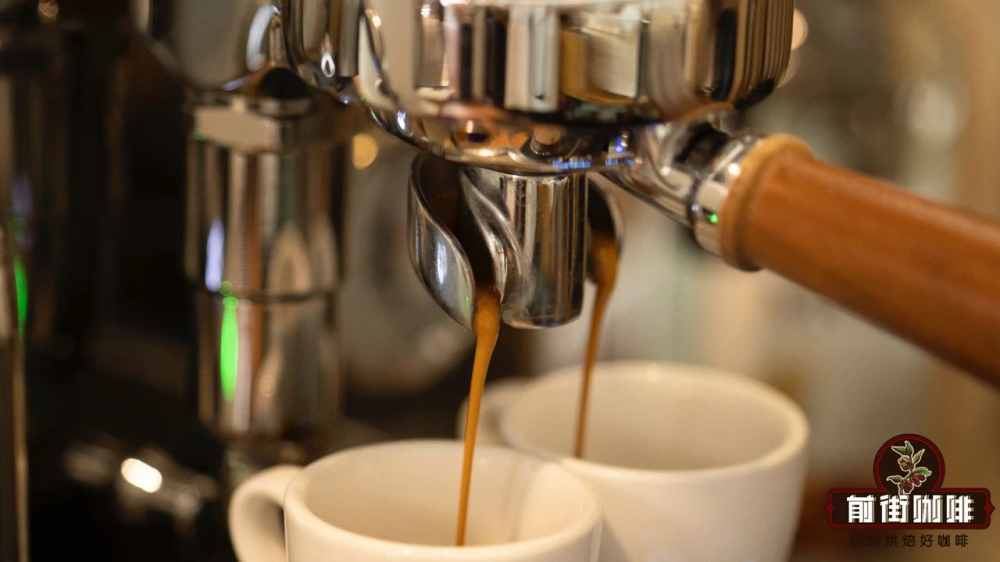
< The intense flavors of espresso are inseparable from its extraction method. Since the introduction of the Faema E61 semi-automatic espresso machine in 1961, the extraction parameters for modern espresso have gradually become standardized: around 9 bar of pressure, a water temperature of about 93°C, paired with medium-dark roasted espresso blends, creating a flavor profile that is rich, full-bodied, and layered. This high-pressure, high-temperature extraction allows soluble compounds in the coffee to fully release, resulting in the signature thick texture and bold aroma.
To make a qualified shot of espresso, it’s essential to precisely control multiple parameters, including dose, yield, grind size, flow rate, extraction time, and pressure. Among these,Doseis typically determined by the portafilter basket capacity—common double baskets hold around 20 grams. Too much coffee can prevent the portafilter from locking in properly or cause abnormal pressure, while too little may lead to uneven extraction.Yieldusually follows a standard coffee-to-water ratio of about 1:2, meaning 20 grams of coffee grounds yield 40 grams of espresso.
Grind sizeadjustment is crucial: too fine a grind can slow water flow, increasing the risk of over-extraction and leading to bitter, harsh flavors; too coarse, and you risk under-extraction, resulting in weak, thin flavors. The ideal extraction flow rate should feel slightly thick like caramel—not too fast, which would cause loss of aroma, nor too slow, which would make the coffee heavy and bitter. Additionally,Extraction timeis generally kept between 20 to 30 seconds; too long and bitter compounds may emerge, too short and flavors won’t fully develop.Pressureideally should be around 9 bar; too low reduces crema, while too high may damage the coffee structure, resulting in a rough mouthfeel.
< Taking a common setup in professional cafes as an example: when using a Lelit Bianca V3 machine, it’s recommended to maintain pressure at 9 bar ± 2, water temperature between 90.5–96°C, extraction time of 20–30 seconds, and a coffee-to-water ratio of 1:1.7–1:2. A single shot typically uses 12 grams of coffee to yield 20 milliliters; a double shot uses 20 grams to yield 40 milliliters. These parameters can be fine-tuned based on actual flavor results to find the optimal balance.
For beginners, choosing an espresso blend that suits your taste preference is equally important. For instance, a classic blend combining Indonesian Mandheling and Brazilian beans offers both the herbal, wild notes of Mandheling and the rich, balanced character of Brazilian beans, with the addition of Robusta boosting crema thickness—ideal for those seeking a fuller body. If you prefer nutty and chocolatey profiles, go for a specialty blend with soft acidity and sweet aftertaste. For those who enjoy caramel and dark chocolate flavors, try a commercial Arabica-based blend with prominent roast aromas and long-lasting finish. There’s also a black cocoa blend featuring mild fruit acidity and smooth mouthfeel; though subtler in flavor, it suits those who appreciate delicate profiles.
<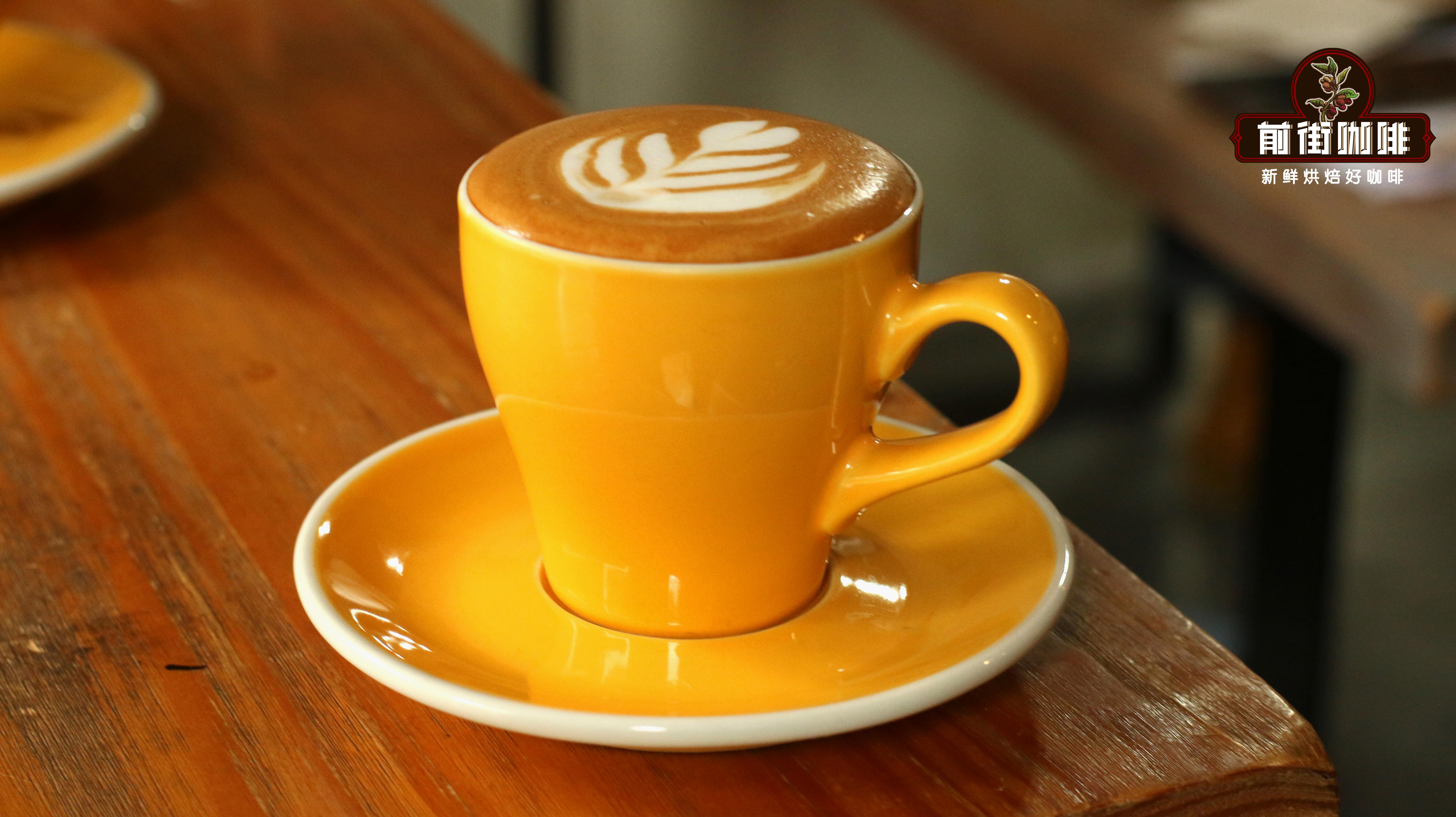 When tasting espresso, it’s recommended to take a small sip first to feel the crema’s dense texture and initial impact, then notice the flavor transitions in the mid-palate and the sweetness in the aftertaste. Drinking ice water alongside can help distinguish finer flavor details, while observing the espresso’s flow rate and crema condition can also help assess whether the extraction is ideal. Whether you prefer bold and rich or balanced and elegant, understanding the parameters and blend characteristics will help you find your perfect espresso experience.<
 In summary, the charm of espresso lies in its highly concentrated flavors and diverse expressive potential. From mastering basic extraction parameters to selecting the right blend, every step influences the final taste. Through this guide, you’ll not only gain more confidence in enjoying this classic coffee but also find practical insights for home brewing or café operations, truly appreciating the depth and essence of espresso.
The above content is compiled by CoffeeHunters, a coffee news website.


