







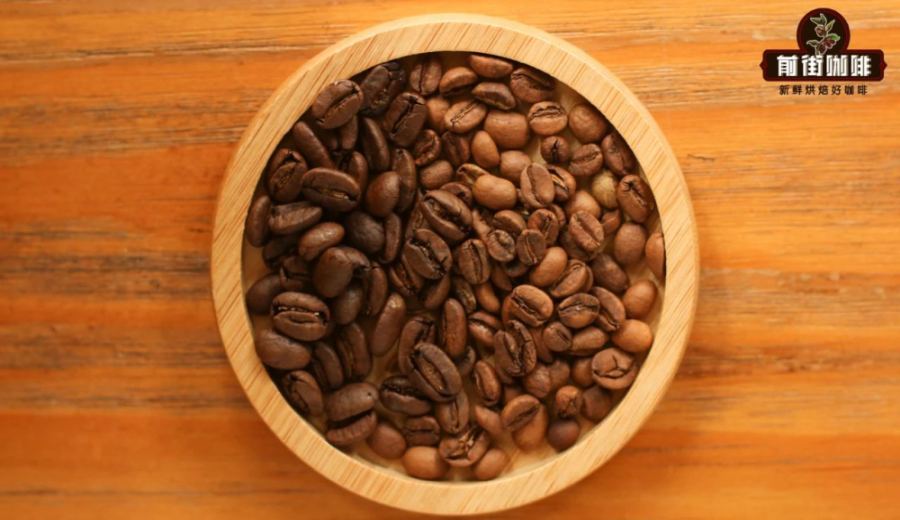
Introduction:Yirgacheffe is Ethiopia’s most iconic high-altitude specialty coffee region, renowned for its unique citrus and jasmine notes that defy the common perception of bitter coffee. This article delves into the region’s geographical conditions, washed processing methods, and light roast characteristics, while also detailing key pour over brewing parameters—such as water temperature, grind size, coffee-to-water ratio, and the three-stage pouring technique—to help you brew classic Yirgacheffe flavors with bright acidity and floral aromas at home.
Yirgacheffe (Yirgacheffe) is a picturesque highland area in the northwest of Ethiopia’s Sidamo region, famous for producing coffee with vibrant acidity and fruity-floral aromas. The coffee from this region often features clean citrus and lemon notes, accompanied by soft white floral scents like jasmine and white rose. Its refreshing and distinctive profile stands in sharp contrast to the heavy bitterness of traditional dark roasts, making it a top choice for many coffee beginners exploring the world of specialty coffee.
The region sits at an altitude of 1,700 to 2,100 meters above sea level, with a cool and humid climate, significant day-night temperature variations, and frequent mist cover, providing an ideal growing environment for coffee trees. These unique geographical and climatic conditions contribute to Yirgacheffe coffee’s bright acidity, complex layers, and clean finish, making it one of the most recognizable regions in the global specialty coffee market.
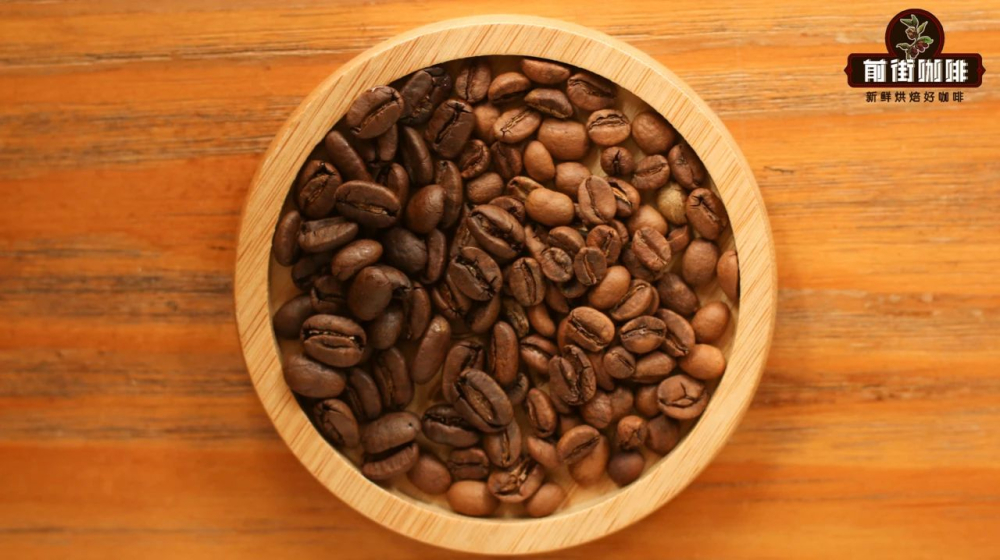
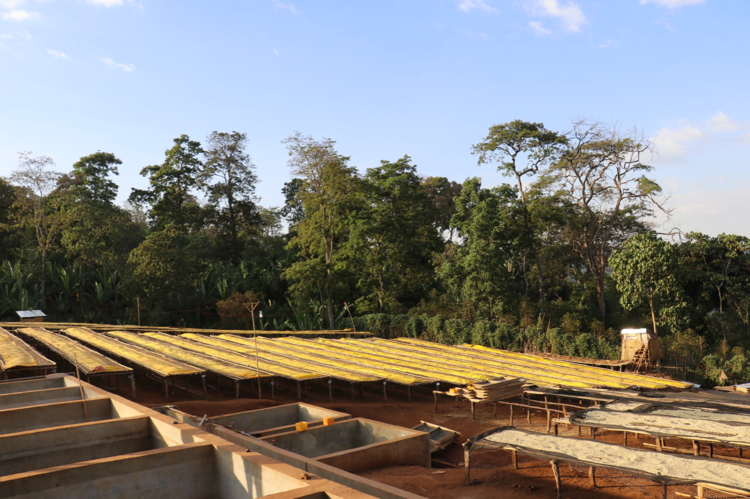
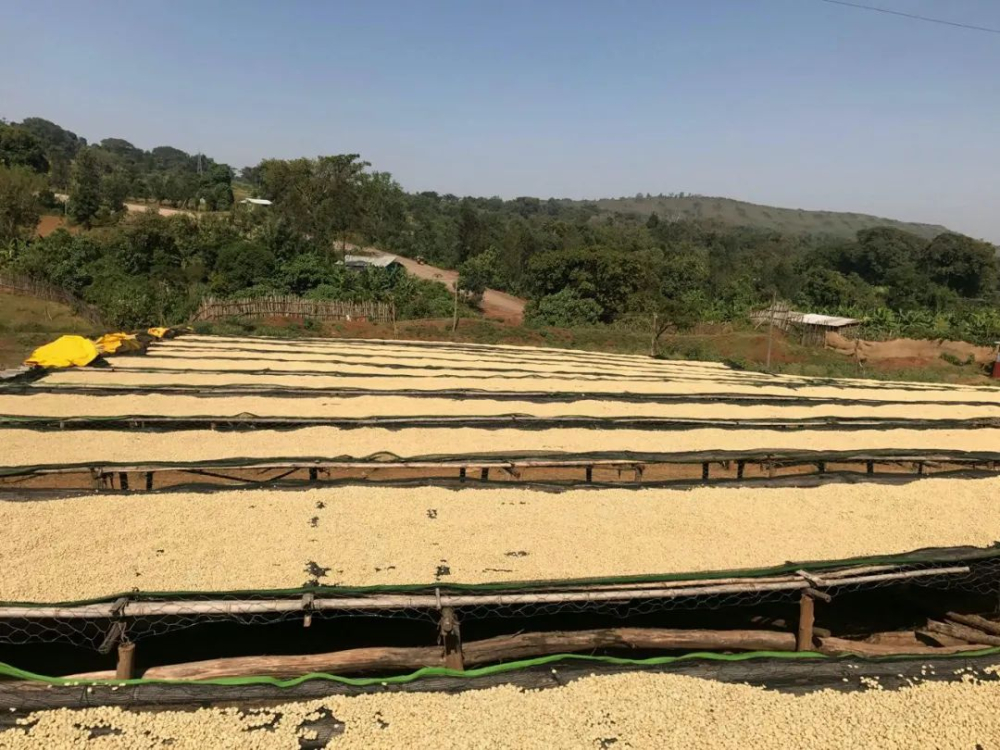
Traditionally, Ethiopian coffee has been processed using the natural (sun-dried) method. However, since coffee cherries are directly exposed to the ground during drying, they tend to absorb impurities and earthy flavors, resulting in less pure cup profiles. In 1972, the introduction of washed processing techniques from Central and South America significantly improved the consistency and cleanliness of the coffee. Washed processing removes the pulp and mucilage, minimizes interference from impurities, and highlights the intrinsic flavor characteristics of the coffee, allowing Yirgacheffe to showcase its bright citrus acidity and elegant floral notes.
Among recommended single-origin options, the coffee beans from the Gedi Dingding Cooperative and Red Cherry have received high praise. Brewing these Yirgacheffe pour over beans with a medium-fine grind (approximately 78% passing through a Chinese No. 20 sieve, similar in coarseness to granulated sugar) using hot water at 92°C to 93°C can fully extract the coffee’s citrus, lemon acidity, and floral aromas. Typically, the price for a cup of Yirgacheffe pour over is around 30 RMB, making it an affordable option to experience high-quality specialty coffee.
These two beans are usually roasted lightly to preserve the maximum amount of their origin flavors and acidity. Light roasting not only suppresses excessive caramelization but also brings out livelier fruit notes such as lemon, green tea, white peach, and delicate floral scents akin to jasmine. Compared to the nutty, chocolatey, and smoky profiles emphasized in dark roasts, Yirgacheffe’s light roast approach caters more to consumers who prefer fresh-tasting and bright-acidic profiles, which is why it enjoys widespread popularity in the international specialty coffee market.
If you’ve purchased washed-process Yirgacheffe coffee beans, it is recommended to use a V60 dripper for home brewing. Its unique spiral groove design facilitates air circulation between the filter paper and the coffee bed, allowing gases to escape more smoothly during extraction and thereby enhancing aroma release and acidity expression. A coffee-to-water ratio of 1:15 to 1:16 allows you to adjust flavor intensity to your taste—lower ratios yield a more concentrated cup, while higher ratios result in a more expansive profile with pronounced sweetness and floral notes.
Specifically, it is recommended to use 15 grams of coffee grounds and pour approximately 225 to 240 milliliters of hot water, with the water temperature controlled at 92°C to 93°C . Maintain a medium-fine grind size similar to that of granulated sugar. A grind that is too coarse may lead to under-extraction and a thin flavor, while one that is too fine may cause over-extraction at high temperatures, resulting in unpleasant bitterness.
To fully showcase Yirgacheffe’s multi-layered flavors, it is recommended to use the three-stage pouring technique. Begin with a bloom phase using twice the amount of water as coffee grounds (approximately 30 milliliters) for about 30 seconds to allow the coffee bed to expand and release aromas. Then, pour steadily with a thin stream in a circular motion until you reach 125 grams, pause briefly to allow the bed to settle, and continue pouring until you reach 225 grams. Finally, extract approximately 240 milliliters of coffee liquid, keeping the total brewing time around 2 minutes.
By precisely controlling water temperature, grind size, and pouring rhythm in this manner, you can fully highlight Yirgacheffe’s citrus acidity, jasmine floral notes, and natural sweet undertones reminiscent of sugarcane. As the temperature slightly cools, subtle berry-like acidity and sweetness along with a green tea aftertaste may emerge. The overall cup is refreshing and well-layered, making it a classic pour over choice that showcases both the brewer’s skill and the beans’ potential.
In summary, Yirgacheffe is more than just a type of coffee—it’s a flavor experience. With its combination of high altitude, washed processing, and light roasting, it delivers bright acidity, fruity-floral aromas, and a clean finish, serving as an important gateway into the world of specialty coffee. By mastering the right brewing parameters and techniques, you too can enjoy a high-quality Yirgacheffe pour over experience at home, comparable to that of a café.
The above content is compiled by CoffeeHunters, a coffee news website.


