







Introduction:Want to understand where the captivating sweetness of Costa Rican honey-processed coffee comes from? This article will take an in-depth look at the Catuai honey-processed beans from Finca Tobosi in the Tarrazú region, analyzing everything from altitude, variety, processing method to cupping flavor details. It also includes a professional-grade cold drip brewing tutorial, teaching you how to use a 1:10 ratio, precise grind size, and drip rate to extract jam-like aromas and creamy smooth cold drip coffee.
Costa Rican coffee is world-renowned for its natural sweetness, especially the honey-processed beans from the Tarrazú region, often hailed as the epitome of “honey-like flavors.” This article focuses on the Catuai honey-processed coffee produced by the well-known Finca Tobosi (Finca Tobosi) in the country. It not only explores the terroir, variety characteristics, and processing techniques of this region but also guides you step-by-step in using this special bean to produce exceptionally flavorful cold drip coffee. Whether you want to delve into the secrets behind the sweetness of Costa Rican coffee or try your hand at cold drip brewing at home, this guide is a practical must-read.
This coffee is officially named “Costa Rica Finca Tobosi TABLON Catuai Honey,” and it is grown at an altitude of 1600 meters in the Tarrazú (Tarrazu) region. Cupping flavor notes include delicate fruity floral aromas, almonds, vanilla, walnuts, and more. The mouthfeel is delicate and full-bodied, with a gentle sweetness lingering on the finish. It’s perfect for drinkers who enjoy a balance of fruity aroma and rich body.
Finca Tobosi belongs to the Finca Don Antonio estate under the Grupo Los Grande de Copey S.A. group. It won 1st place in the 2017 Costa Rican COE competition, and its quality has received international acclaim. The Tarrazú region is located south of Costa Rica’s capital, San José, and is the core area for specialty coffee in the country. Its climate conditions and volcanic soil give the coffee beans a tightly structured body, bright acidity, and rich aroma. The micro-lot SHB-grade coffees from this area commonly exhibit notes of chocolate, nuts, and vibrant fruit acidity, while honey processing further enhances the sweetness and body.
Costa Rica is one of the first Central American countries to introduce coffee. The country is home to three active volcanoes—Irazú, Barva, and Poás. The fertile volcanic soil, combined with high altitudes and significant day-night temperature variations in its microclimates, has nurtured numerous coffee regions with unique flavor profiles. The country is mainly divided into eight major coffee-growing regions, among which Tarrazú stands out as a star in the specialty coffee market due to its consistently high quality and distinctive flavor characteristics. Compared to other regions, Tarrazú coffee is typically bold and full-bodied, with delicate citrus and nutty aromas.
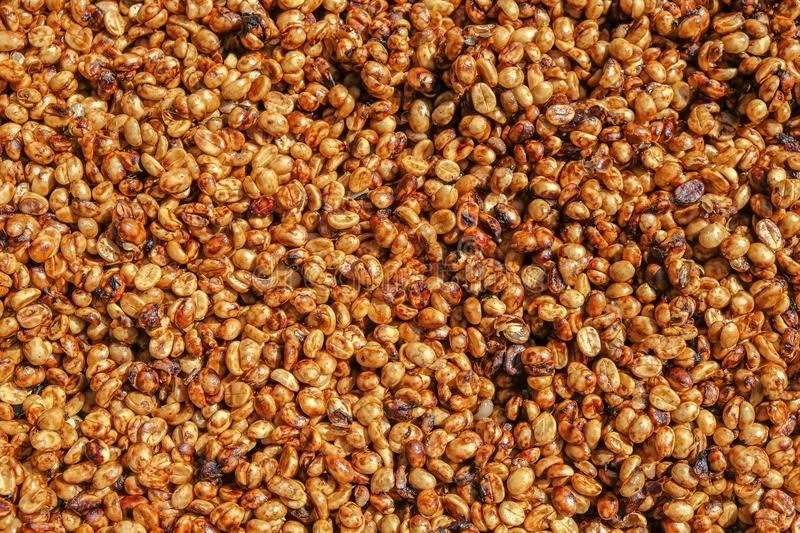
The Catuai variety introduced in this article is one of the commonly cultivated Arabica varieties, known for its good wind resistance and adaptability. Finca Tobosi chose to process this Catuai using the honey method, retaining some of the mucilage. Through natural fermentation from sunlight and time, it imparts richer sweetness and layers of fruity aroma to the coffee. Honey processing is categorized by the amount of mucilage retained into yellow, red, and black honey. This particular lot is a typical medium-to-high mucilage retention variety, with flavor notes leaning toward caramel, nuts, and soft berry tones.
Next, we’ll explain how to use this “Finca Tobosi Catuai Honey-Processed Coffee” to make cold drip coffee. It is recommended to use a 1:10 coffee-to-water ratio, that is, 60 grams of coffee grounds with 600 milliliters of ice water. For the ice water mixture, it is suggested to use 300 grams of edible ice and 300 grams of room-temperature water. This helps stabilize the extraction process, lowers the initial temperature, and aids in extending the extraction time to bring out delicate flavors. The grind size is recommended to be adjusted to the size of coarse sugar, slightly coarser than the standard for medium-roast pour over, to ensure smooth water flow and avoid clogging.
Steps for making cold drip coffee are as follows:
1. Place a round filter paper at the bottom of the powder chamber in the cold drip maker, wet it with water to make it adhere to the walls, then add 60 grams of ground coffee, gently shake to level the surface, or lightly press the coffee bed with a tamper to secure the layer.
2. Place another filter paper on top of the coffee grounds to help distribute the water evenly and prevent the coffee bed from sinking due to prolonged dripping.
3. First, wet the entire layer of coffee grounds with a small amount of ice water, similar to the blooming step in pour over. This helps improve overall extraction consistency and flavor release.
4. Pour the ice water mixture (recommended ratio 1:1, total volume adjusted according to container) into the dripping bottle. Adjust the drip rate to about 7 drops per 10 seconds, maintaining a stable flow rate for optimal extraction.
5. After completion, pour the cold drip coffee liquid into a clean, dry, oil-free sealed bottle. It is recommended to refrigerate and let it sit for several hours to allow the flavor molecules to fully integrate before enjoying.
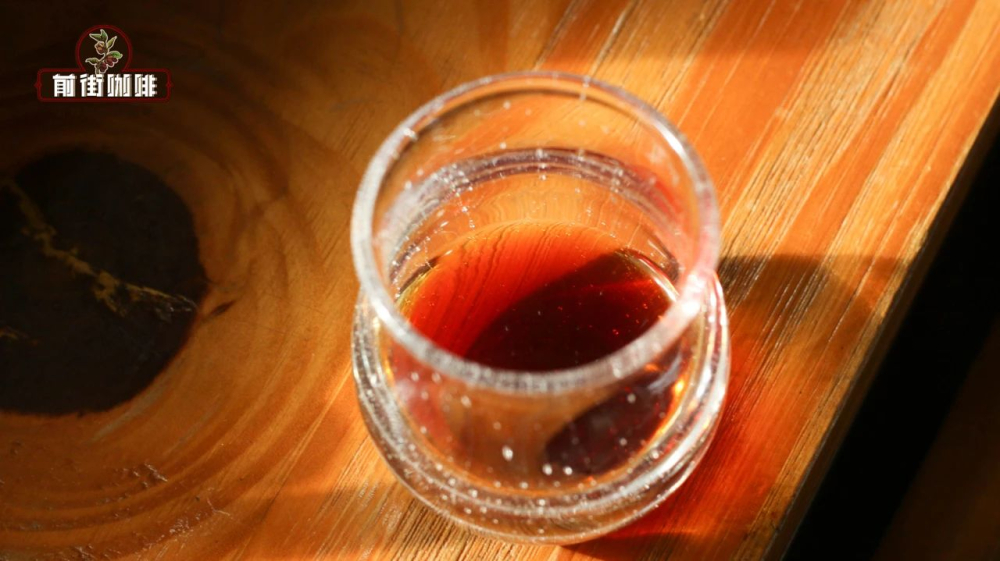
The final cold drip coffee will emit subtle jam and berry aromas. Upon tasting, you’ll distinctly notice the fermented sensation of ripe berries and a rich sweetness reminiscent of raisins. The mouthfeel is silky smooth, with a soft black tea-like aftertaste. The overall profile is very balanced and layered. This brewing method not only preserves the natural sweetness of honey-processed coffee but also highlights delicate fruit aromas and a rich texture through the low-temperature slow extraction of cold drip. It’s an unmissable experience for coffee enthusiasts who love experimentation and appreciation.
The above content is compiled by CoffeeHunters, a coffee news website.


