







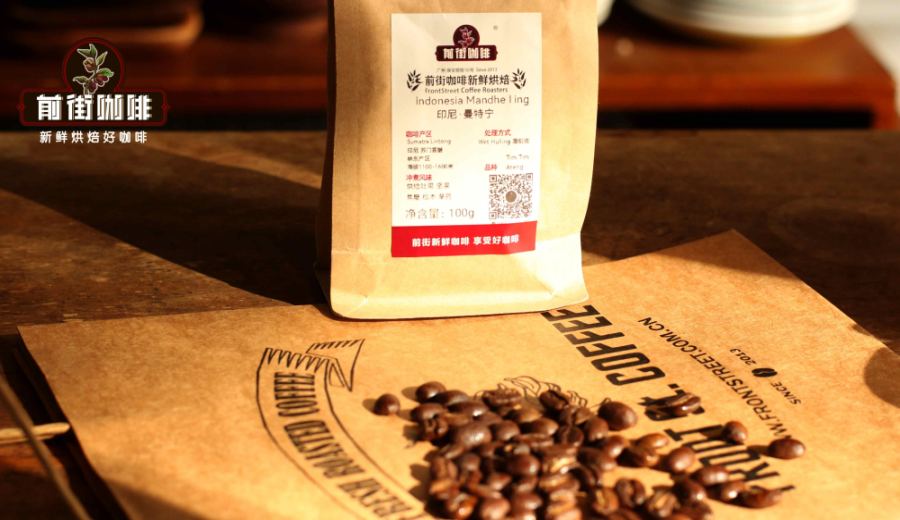
Introduction:Sumatran Mandheling is renowned for its full-bodied texture, low acidity, and distinctive herbal and spicy notes. Whether brewed using pour over, siphon, or moka pot, it reveals layers of complexity. This article starts with the flavor profile of this classic coffee, delving into the parameter settings, equipment preparation, and operational details of various brewing methods. It also extends to how to prepare Americano, latte, and Vietnamese coffee with varying flavor profiles, helping you explore the full potential of Mandheling.
Mandheling coffee from Sumatra, Indonesia, has long been celebrated for its rich, full-bodied mouthfeel, low acidity, and captivating complex aromas of spices, herbs, and chocolate—it’s a classic choice for many coffee enthusiasts. In particular, a certain brand’s Mandheling and Golden Mandheling, with their consistent quality and rich layers, have become daily beans for many. Through medium-dark roasting, this bean not only releases intense caramel and nutty aromas but also retains unique sweet herb and pine-like muted scents. It’s suitable for extraction with a variety of devices—whether pour over, siphon, French press, AeroPress, or even moka pot and espresso SOE—it can showcase different characteristics.
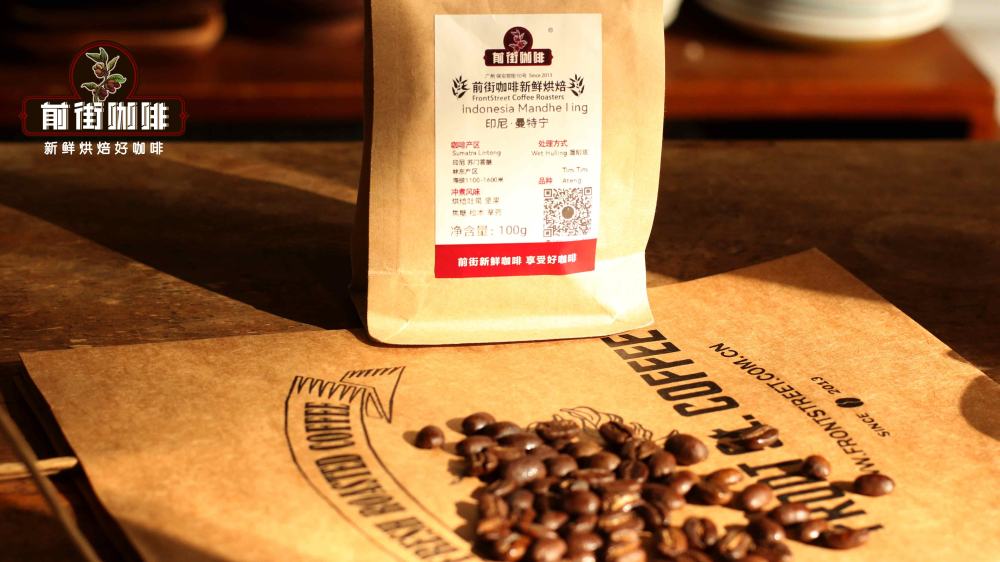
As one of the world’s major coffee-producing regions, Indonesia includes areas such as Java, Sumatra, Kalimantan, and Sulawesi. Due to differences in climate, altitude, and soil, even when planting the same variety, these regions present distinctly different flavor profiles. Among them, Sumatran coffee is particularly known for its low acidity, full body, and rich muted aromas, and Mandheling is one of the most representative offerings of the region.
The classic flavor profile of Mandheling is inseparably linked to its medium-dark roast. This roast level fully triggers the caramelization reaction in the coffee beans, bringing out rich sweetness and a full-bodied texture while retaining unique muted aromas like sweet herb and pine, aligning with the traditional taste preferences of most drinkers. Taking a medium-dark roasted Mandheling from a certain Indonesian brand as an example, its flavors clearly exhibit nuttiness, with a subtle melon aroma in the aftertaste. As the temperature drops, the refreshing scent of herbs also gradually emerges, delivering an overall performance that is full-bodied, rich, and aromatic.
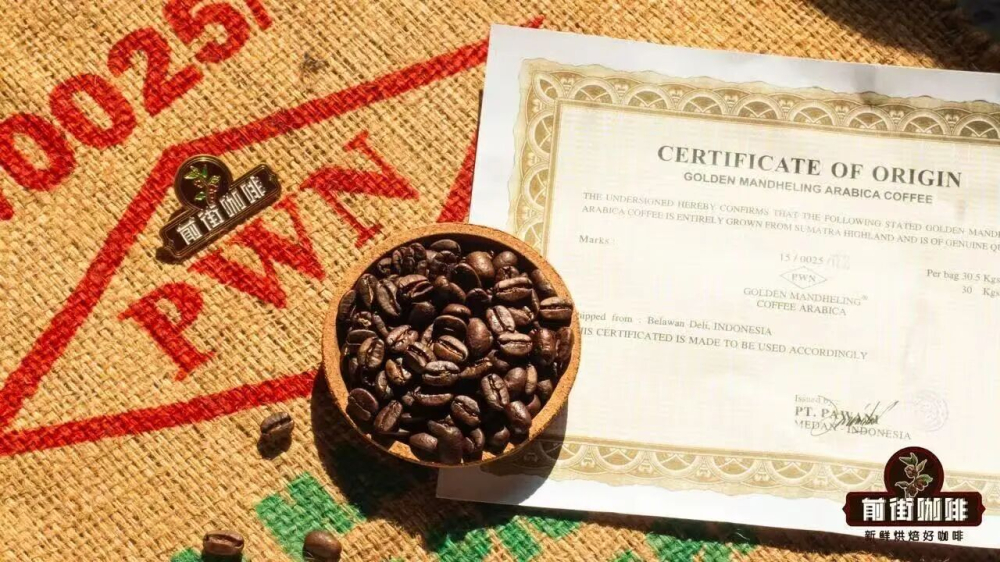
For those who seek higher quality, a certain brand’s Golden Mandheling is even more rigorously selected—on the basis of G1 grade, it undergoes an additional machine sort and three rounds of hand sorting to ensure uniform bean size and consistent color. After roasting, this bean is not only multi-layered but also combines fullness with cleanliness, offering outstanding flavor balance. With intense nut and caramel aromas and a captivating chocolatey aftertaste, its long finish makes it a premium example of Mandheling.
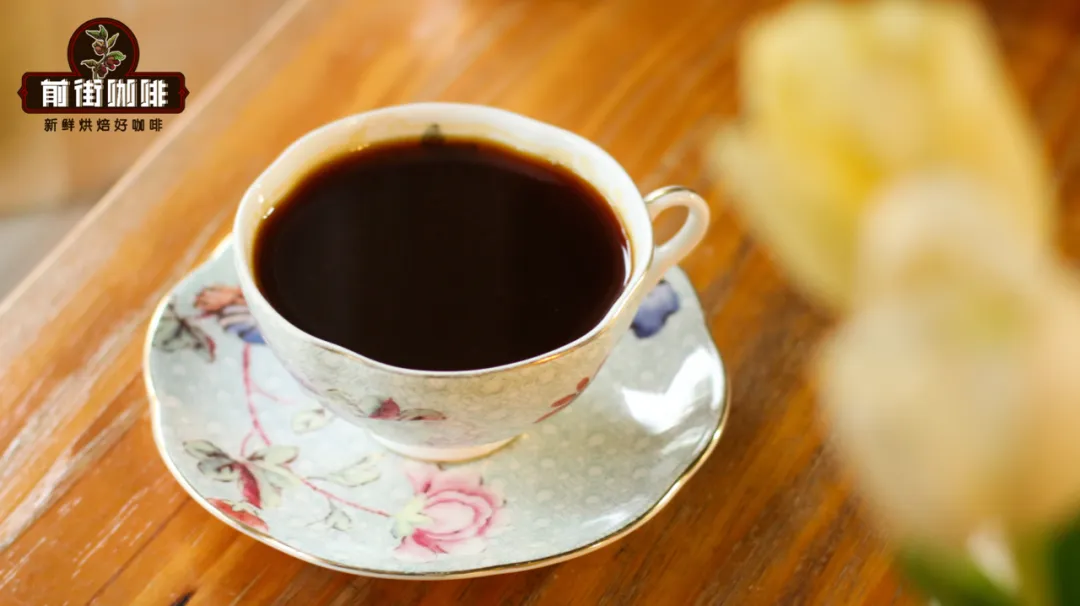
Precisely because Mandheling offers such diverse and layered flavor expressions, it is not only suitable for single-origin pour over but can also be presented with distinct characteristics through a variety of devices such as siphon pot, French press, and AeroPress. Even when extracted as SOE (single-origin espresso) using a moka pot or prepared in an espresso-style coffee, it can demonstrate impressive flavor potential.
Among these, the moka pot is one of the home brewing devices that best replicates the flavor of espresso. Its working principle utilizes the steam pressure (approximately 1.5 to 3.0 atmospheres) generated by heating the lower chamber to push hot water through a filter filled with ground coffee, quickly extracting a concentrated essence of coffee. The resulting coffee liquid typically has lower acidity and more pronounced bitterness, with intensity close to that of espresso made by professional machines—making it highly suitable for experiencing Mandheling under strong extraction.
To make an espresso-style Mandheling using a moka pot, you’ll need the following equipment: a moka pot, a gas stove or induction cooker (a stable small gas stove is recommended), freshly roasted Mandheling coffee beans from a certain brand, and a grinder set to a medium-fine grind. It is advised to grind the beans to a consistency similar to superfine sugar to match the pressure extraction requirements of the moka pot.
[Operating Steps]
(1) First, pour an appropriate amount of cold water into the lower chamber of the moka pot, ensuring the water level does not exceed the safety valve.
(2) Fill the coffee chamber with ground coffee, filling it about nine-tenths full, then gently tamp the coffee surface to create a compact and even layer.
(3) Once the coffee chamber is properly filled, tightly screw the upper and lower chambers together to prevent leakage during heating.
(4) Place the moka pot on the gas stove or induction cooker and heat over medium heat. Once you hear a distinct hissing sound, reduce to low heat—the coffee liquid will then begin to flow steadily.
(5) When the sound turns into a faint bubbling noise, it indicates that the extraction is nearing its end. You should turn off the heat immediately to avoid over-extraction and bitterness. At this point, a rich cup of Mandheling coffee is ready.
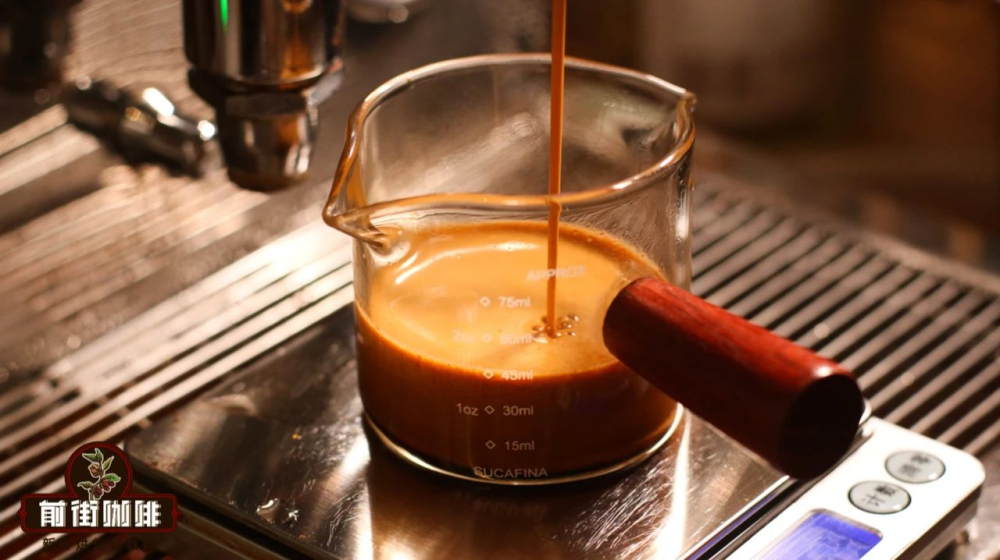
This moka pot-brewed Mandheling can be customized in various ways according to personal preference: the simplest method is to add hot water to make an Americano, without sugar or milk, ideal for those who enjoy a clean flavor or are controlling calorie intake; adding fresh milk and heating it to 60–65°C can replicate the smooth texture of a café-style latte; for a taste of Vietnamese coffee, try adding ice and condensed milk, or in winter, directly mix condensed milk with hot water to adjust the concentration—each method showcases different dimensions of Mandheling’s charm.
It’s worth mentioning that besides using single-origin Mandheling to make SOE, you can also try classic Italian blends, such as dark-roasted formulas containing Mandheling, Brazil, and Vietnamese Robusta. These blends are rich in crema, full-bodied, and suitable for making intense espresso, adding more possibilities to your Mandheling experience. No matter which method you choose, simply fine-tune the parameters and ratios according to your personal taste, and you can discover your own unique enjoyment in every cup of coffee.
The above content is compiled by CoffeeHunters, a coffee news website.


