







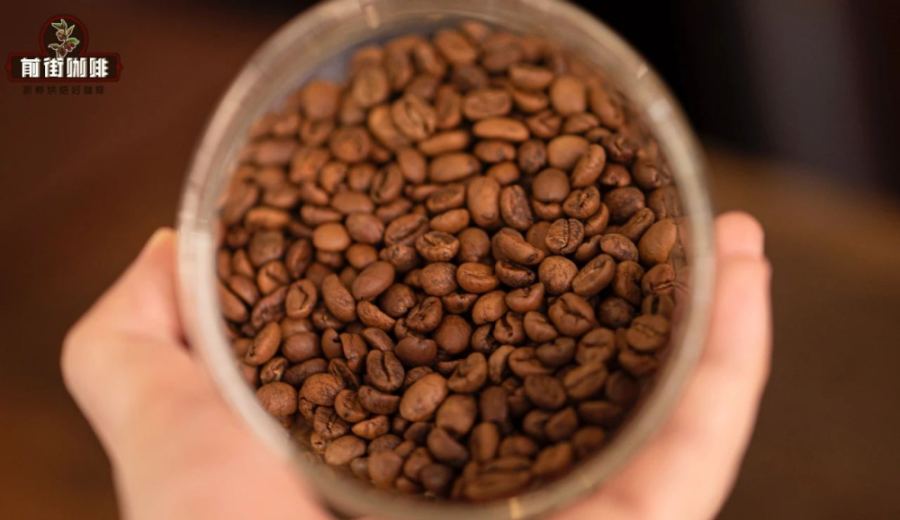
Introduction:Dive deep into specialty single-origin coffee beans from six renowned global producing regions — from the bright acidity of Ethiopia to the rich balance of Jamaican Blue Mountain. This article details the terroir, varieties, processing methods, and brewing parameters of each origin, along with comprehensive flavor profiles and recommended brewing styles to help coffee enthusiasts select the beans that best suit their personal taste.
Driven by the third wave of specialty coffee, single-origin beans are no longer just the domain of baristas but have become a window for more and more coffee lovers to explore the world. Each single-origin bean carries unique regional terroir, varietal characteristics, and refined processing craftsmanship. This article focuses on six representative specialty beans from different origins — from the bright acidity of the “fruit acid camp” to the rich body of the “bold camp” — offering an in-depth analysis of their origin background, varietal genetics, processing techniques, and flavor expressions, providing a more comprehensive bean selection guide for pour-over enthusiasts.
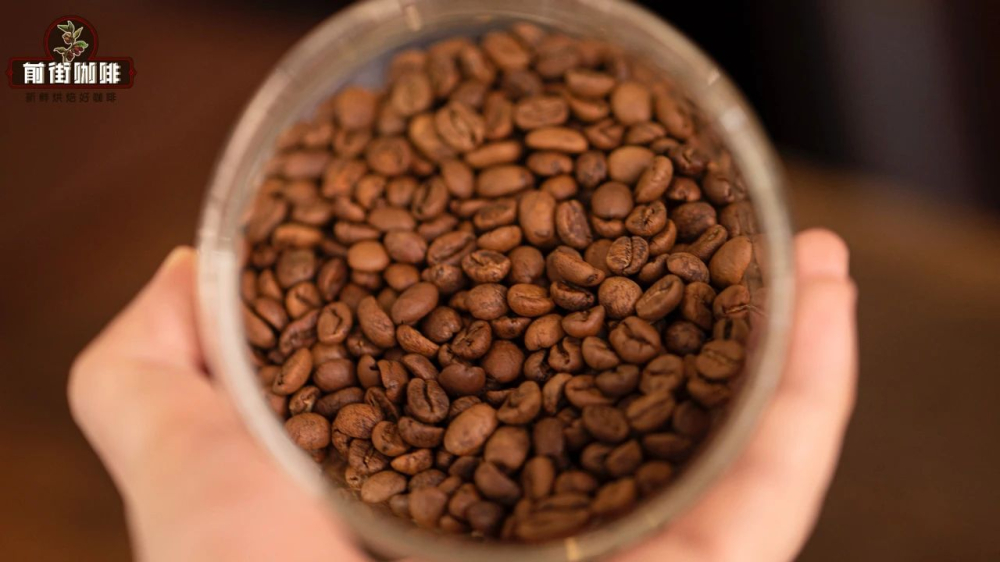
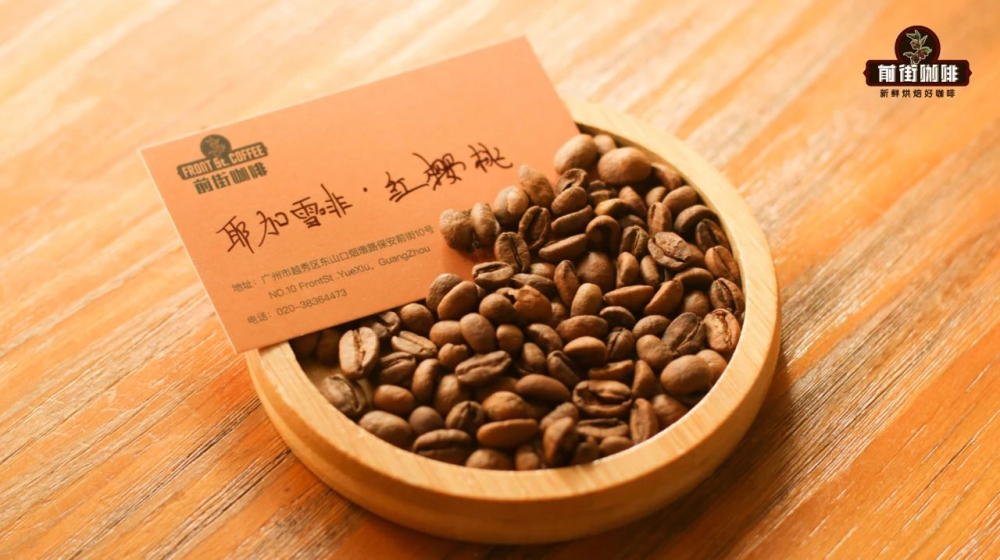
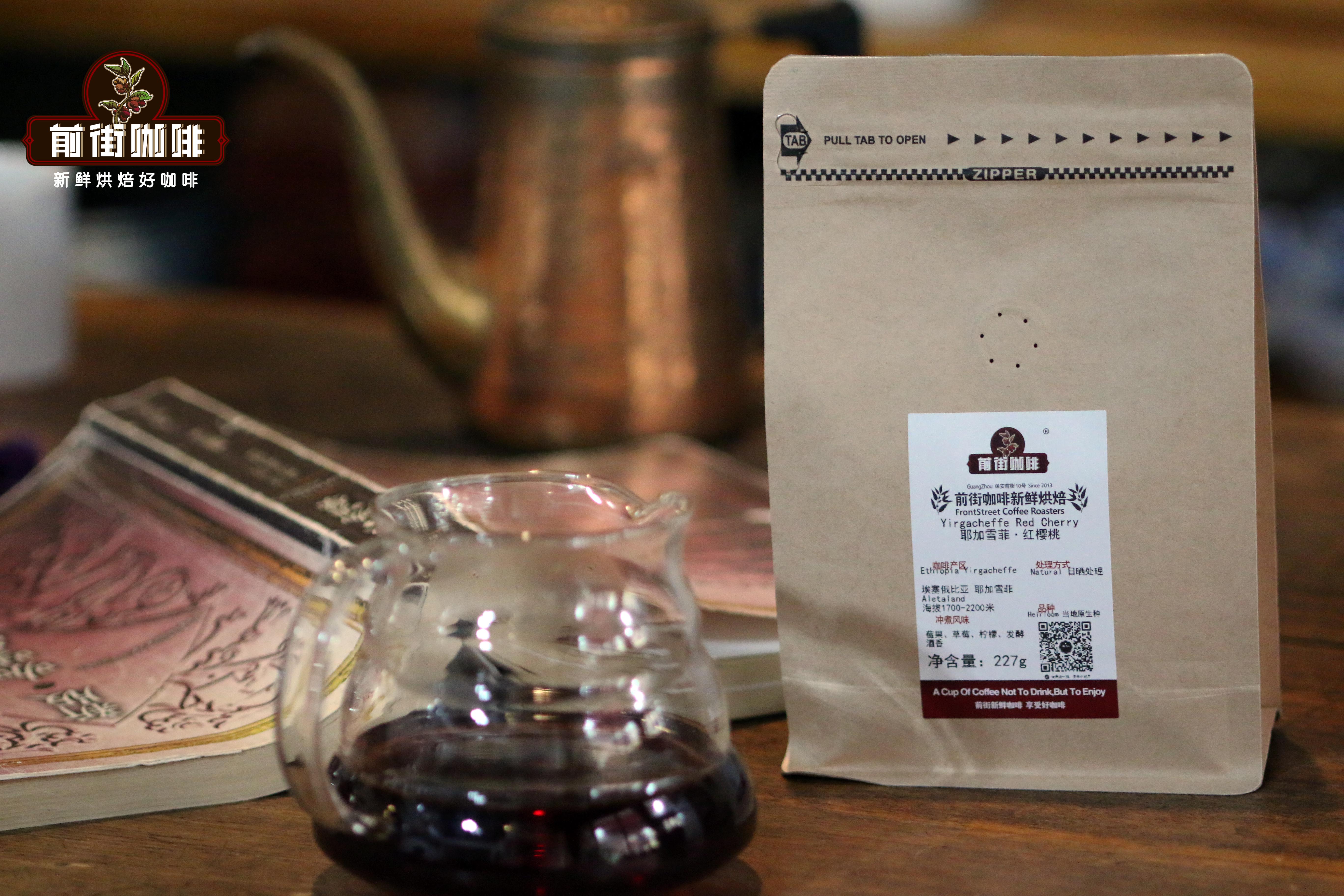
Let’s start with the origin dominated by acidity. First up is the Red Cherry Natural from Yirgacheffe, Ethiopia. Yirgacheffe is located on a plateau at an altitude of 1700–2100 meters, making it one of the highest-altitude coffee-growing regions in the world. The area’s cool and humid climate imparts bright fruit acidity and complex aromatic layers to the coffee.This Red Cherry bean is graded as G1 under the ECX classification system, with an extremely low defect rate — no more than 3 defective beans per 300 grams of green coffee.It undergoes traditional natural sun-drying processing, where the coffee cherries are dried under the sun for an extended period, allowing full fermentation that enhances the fruitiness and sweetness. In terms of flavor, it showcases distinct notes of lemon, berries, citrus, and licorice, with sweet orange aromas emerging mid-palate, and a caramel and black tea-like柔和 aftertaste. It is highly suitable for brewers who enjoy a refreshing acidity and layered fruity notes.
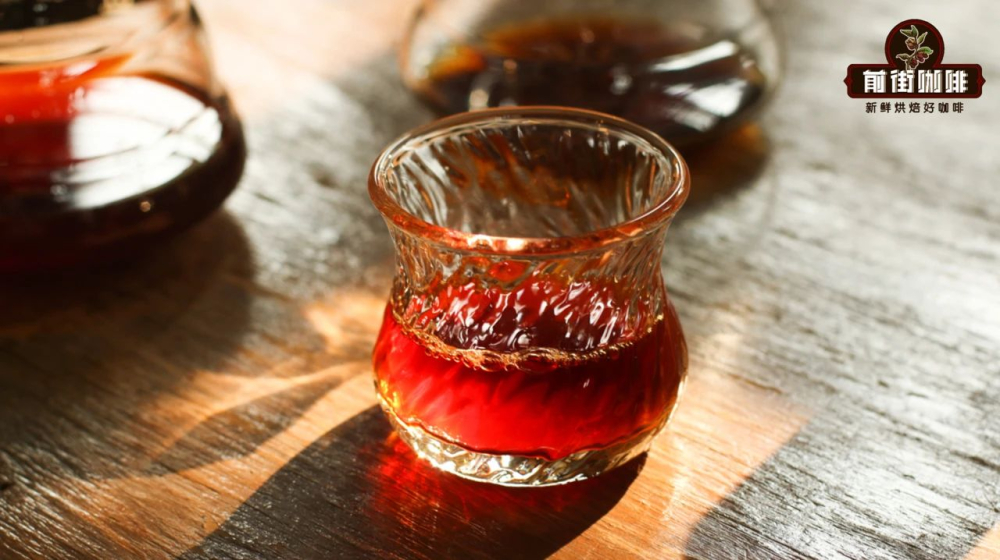

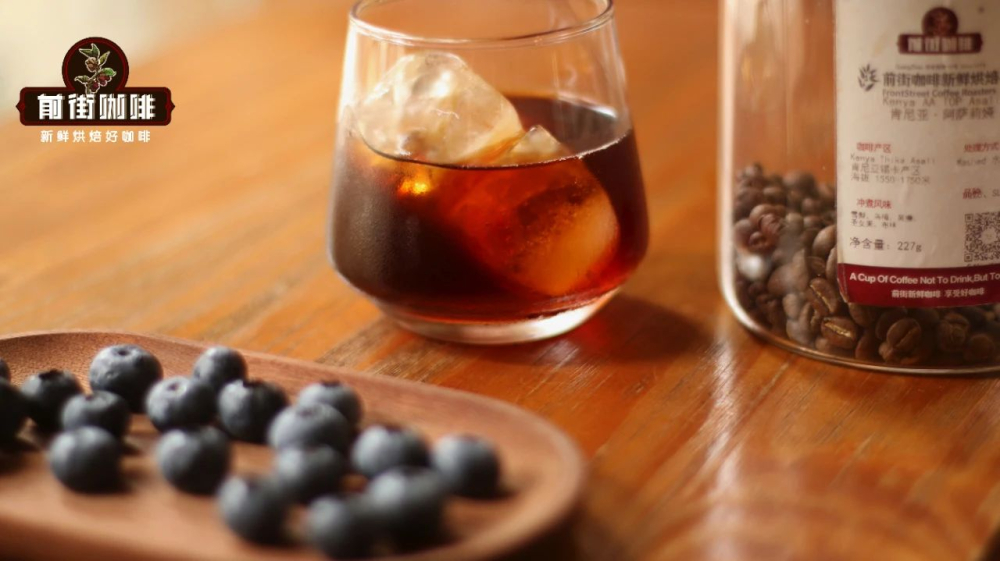
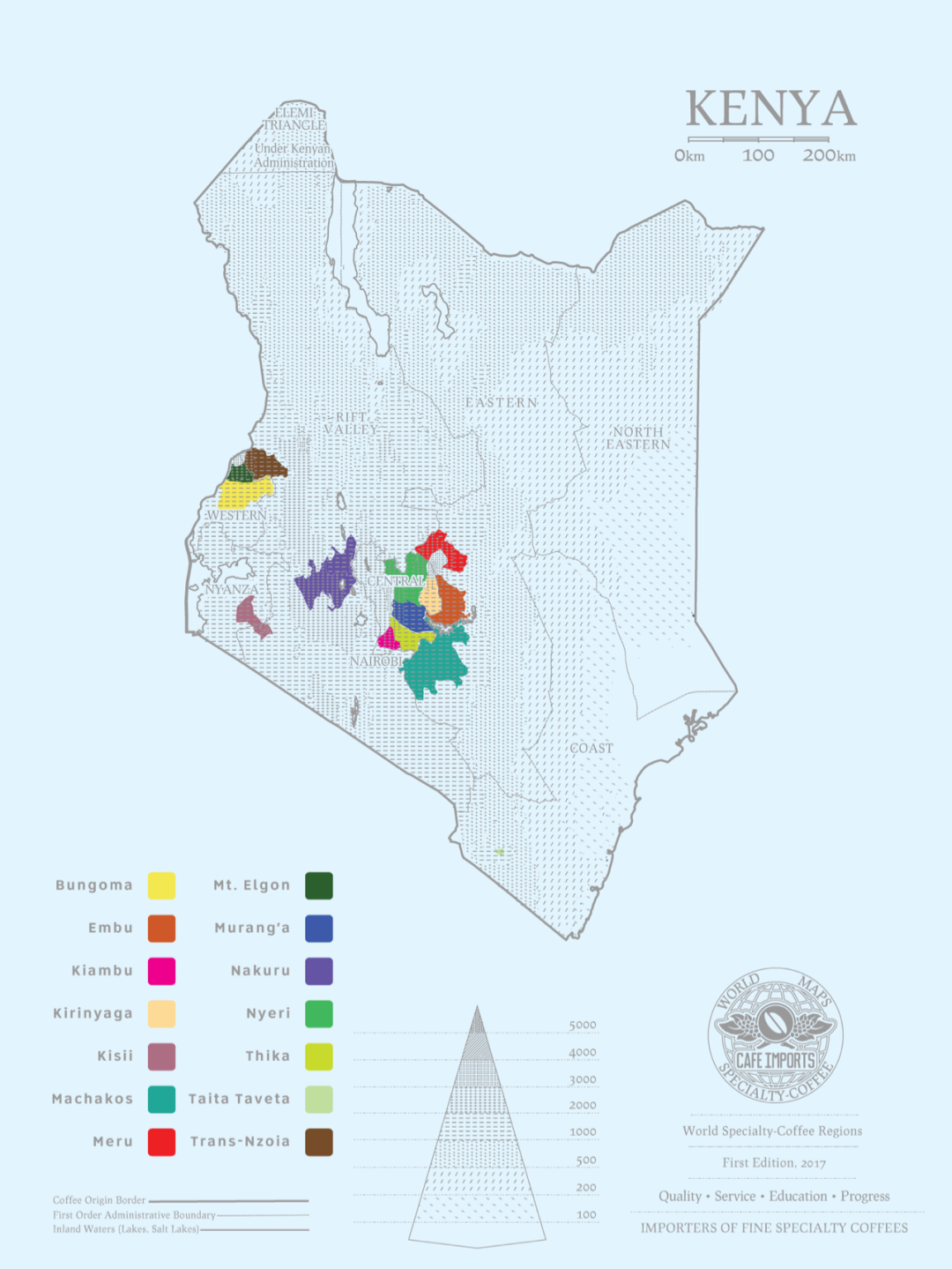
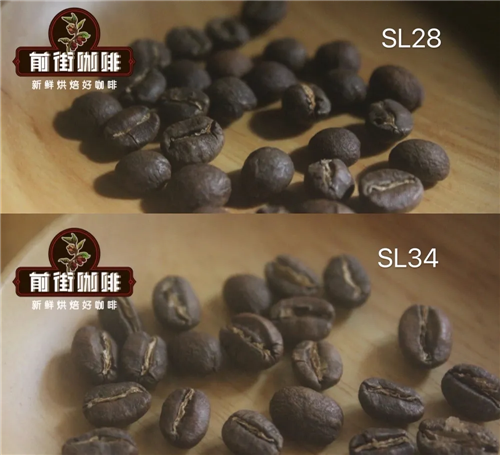
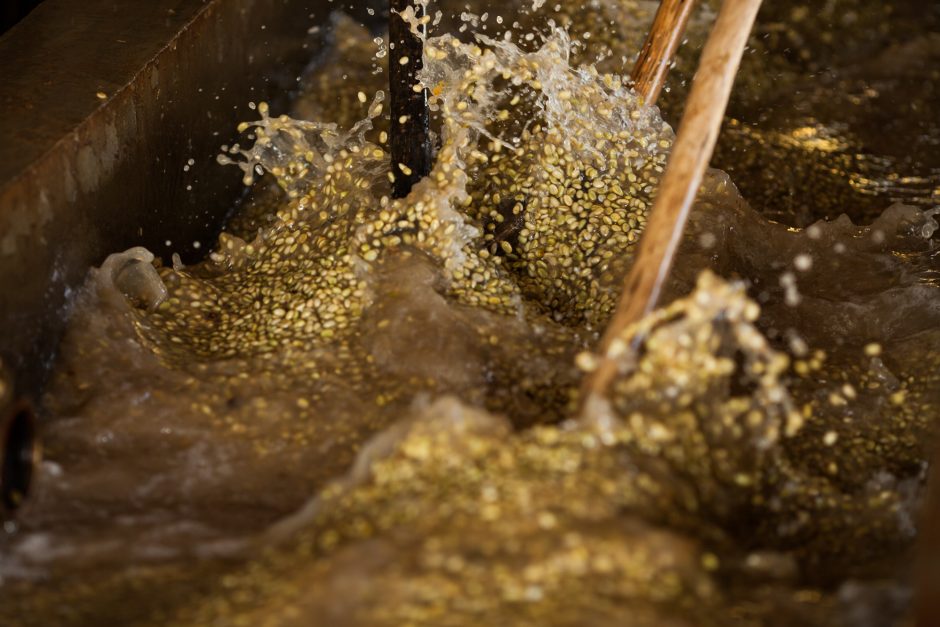
Next is Assalia from Kenya in East Africa. Kenyan coffee is famed for its refined grading system and the unique K72 washed process.Its grading system categorizes beans based on size and cup quality into E, AA, AB, etc., with AA being the highest grade.Assalia uses the classic highland varieties SL28 and SL34, which were carefully selected by the Scott Agricultural Laboratories and are known for their intense acidity and rich fruit tones. The K72 washed process extends fermentation time to 72 hours, resulting in a cleaner, brighter acidity while preserving sugars for a juice-like mouthfeel. Flavor-wise, this bean offers a sweet-and-sour opening of cherry tomatoes and berries, with sweetness increasing mid-palate and a smooth tea-like aftertaste. It suits brewers who prefer a balanced, layered acidity and sweetness profile.
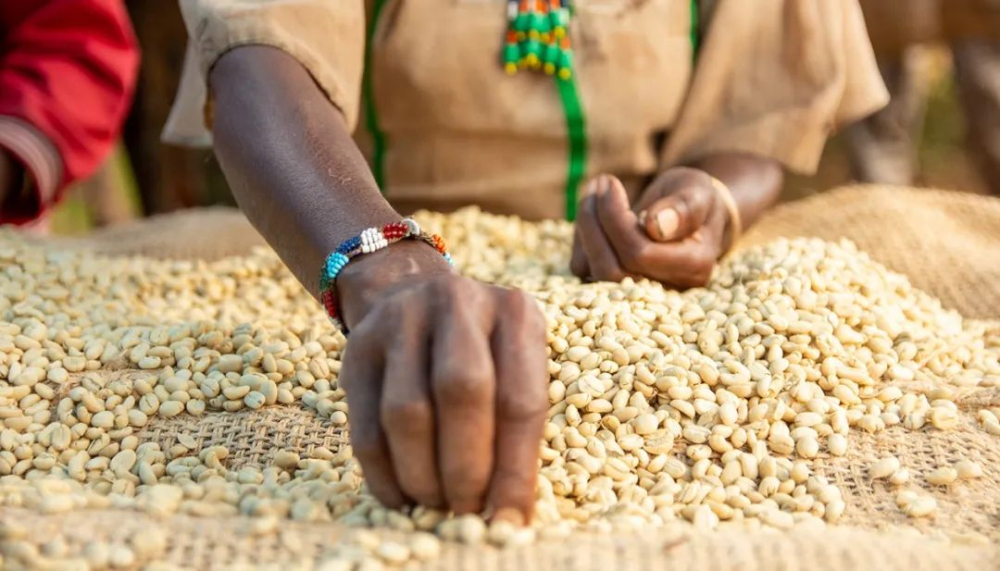
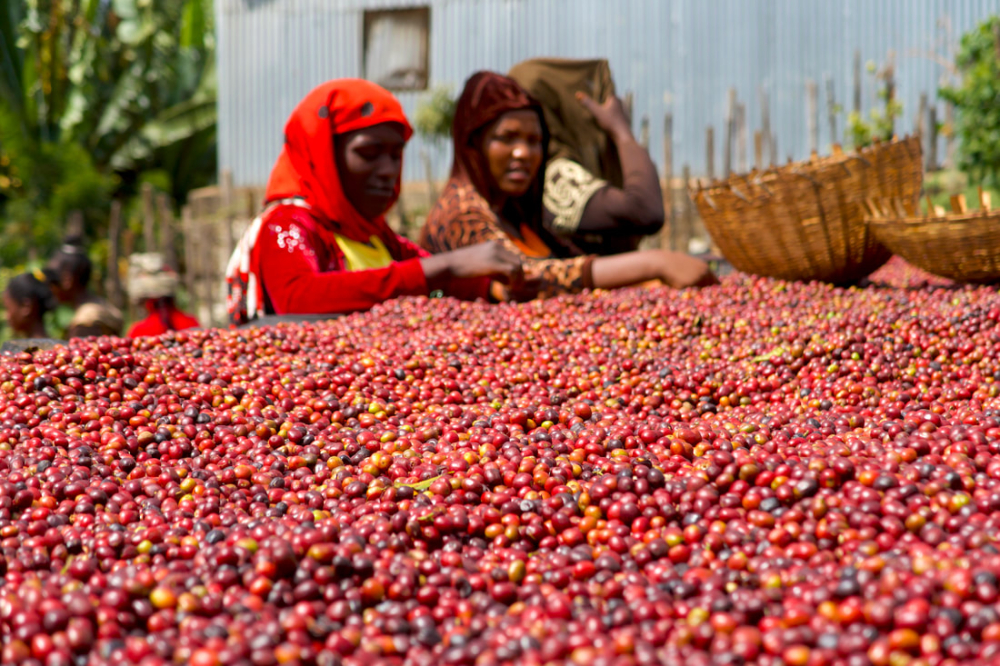
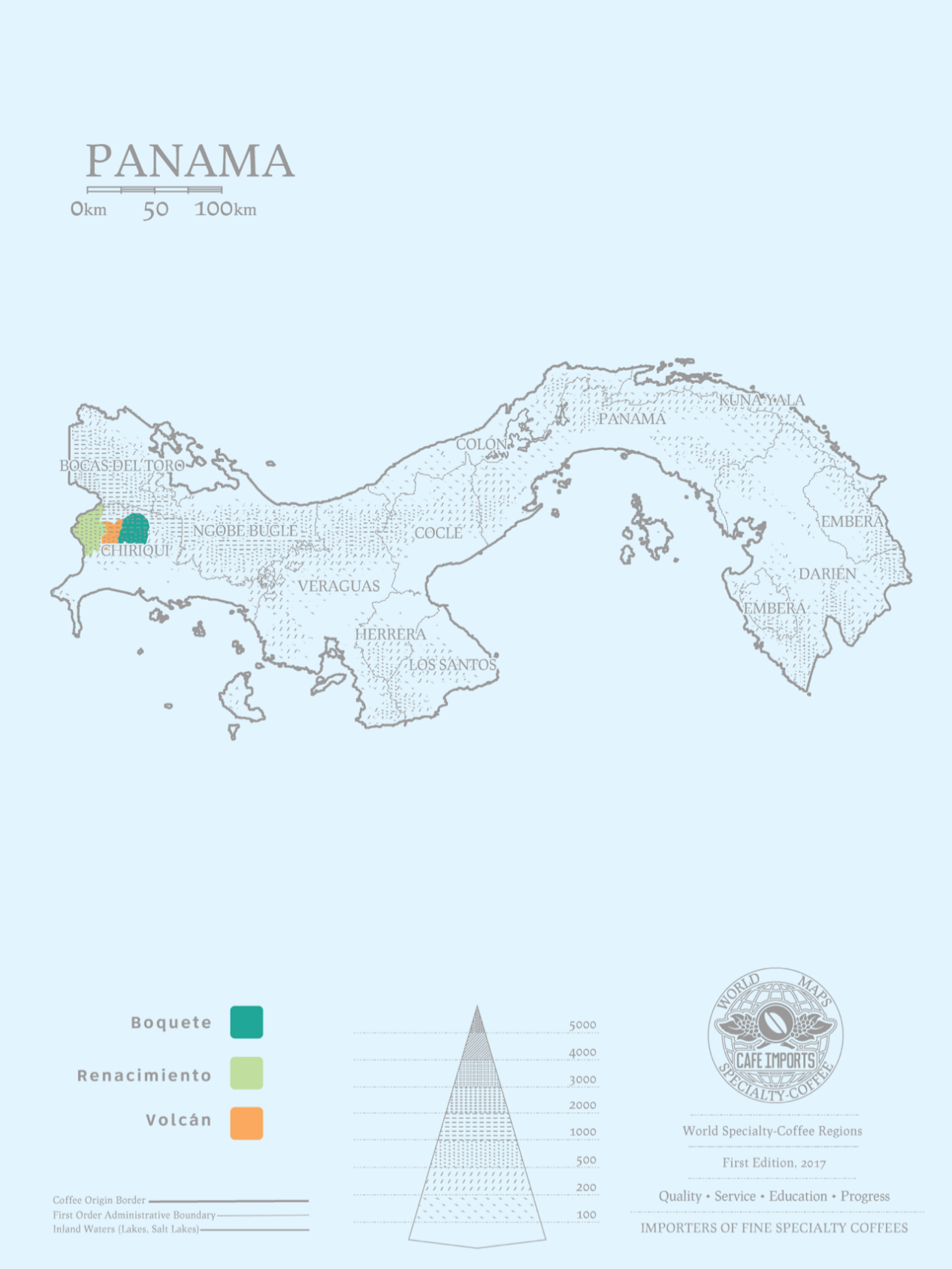
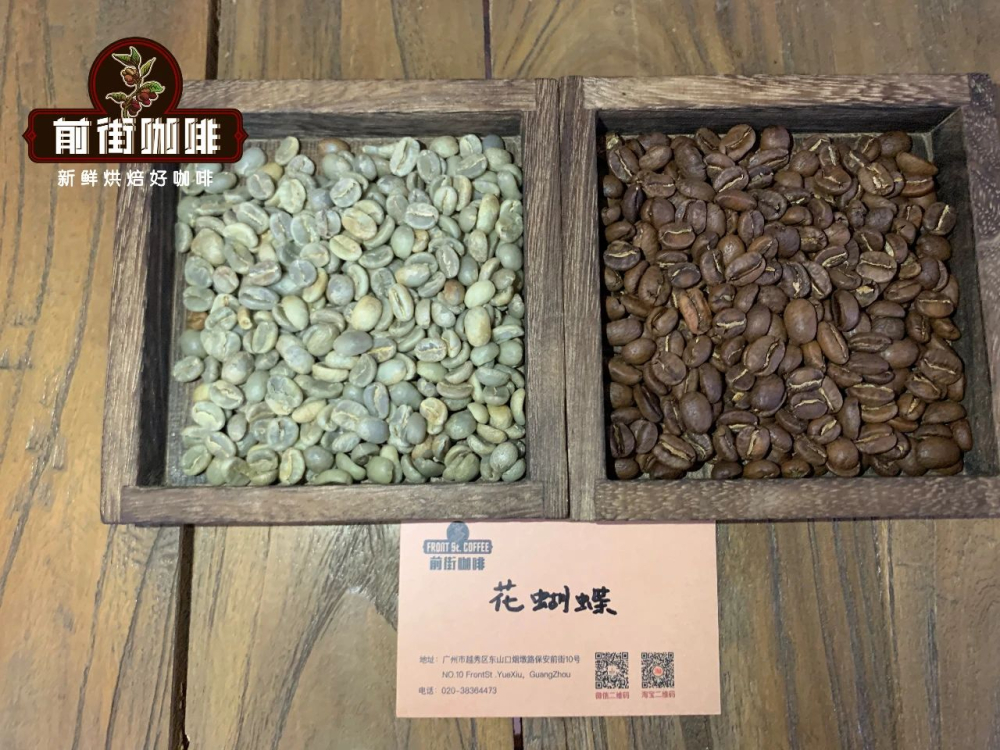
The third bright-acid bean is the Geisha blend known as Flower Dance from Panama. Panama’s tropical high-altitude environment, with significant day-night temperature variations, is particularly suitable for growing premium varieties like Geisha. Flower Dance is a blend of 70% Geisha with Catuai and Caturra, produced at the Sika mill at altitudes of 1550–1750 meters, and is graded as AA TOP.This bean is processed using honey-washed method, which falls between traditional washed and natural processes, retaining some mucilage to better integrate sweetness and fruitiness.In terms of flavor, it features floral, black tea, and citrus notes with interwoven berry tones, and a mild nutty aftertaste. The overall mouthfeel is smooth with moderate acidity, ideal for those seeking a balance between fruitiness and sweetness. It is especially well-suited for medium-light roasts and medium-fine grind pour-over brewing.
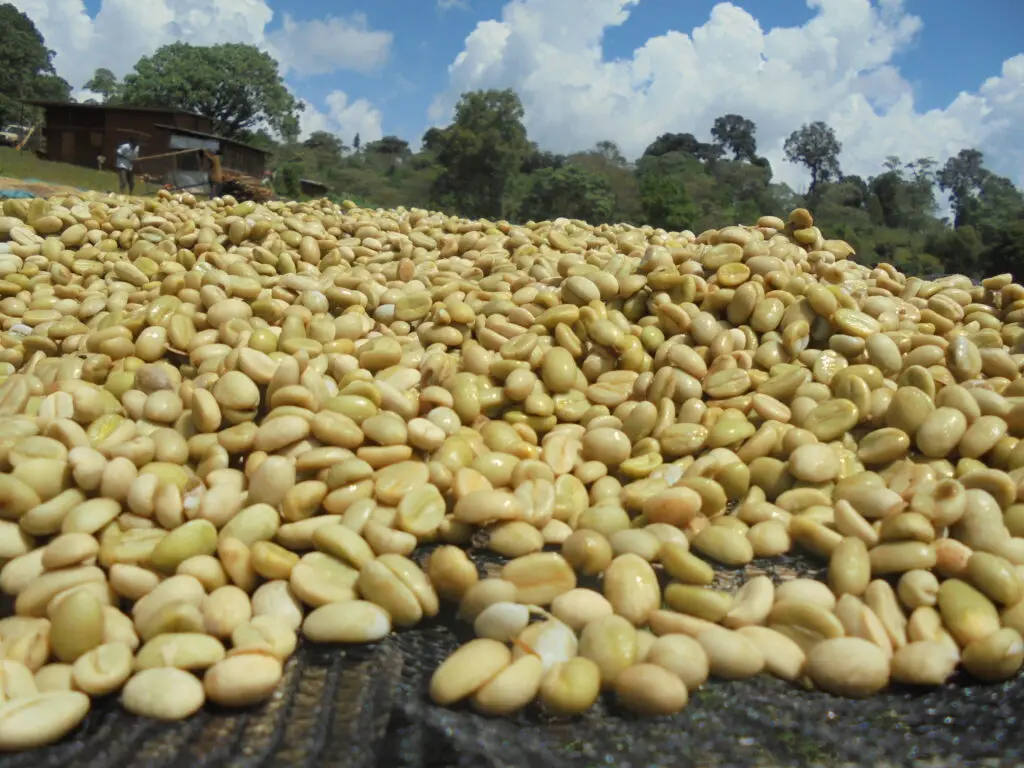
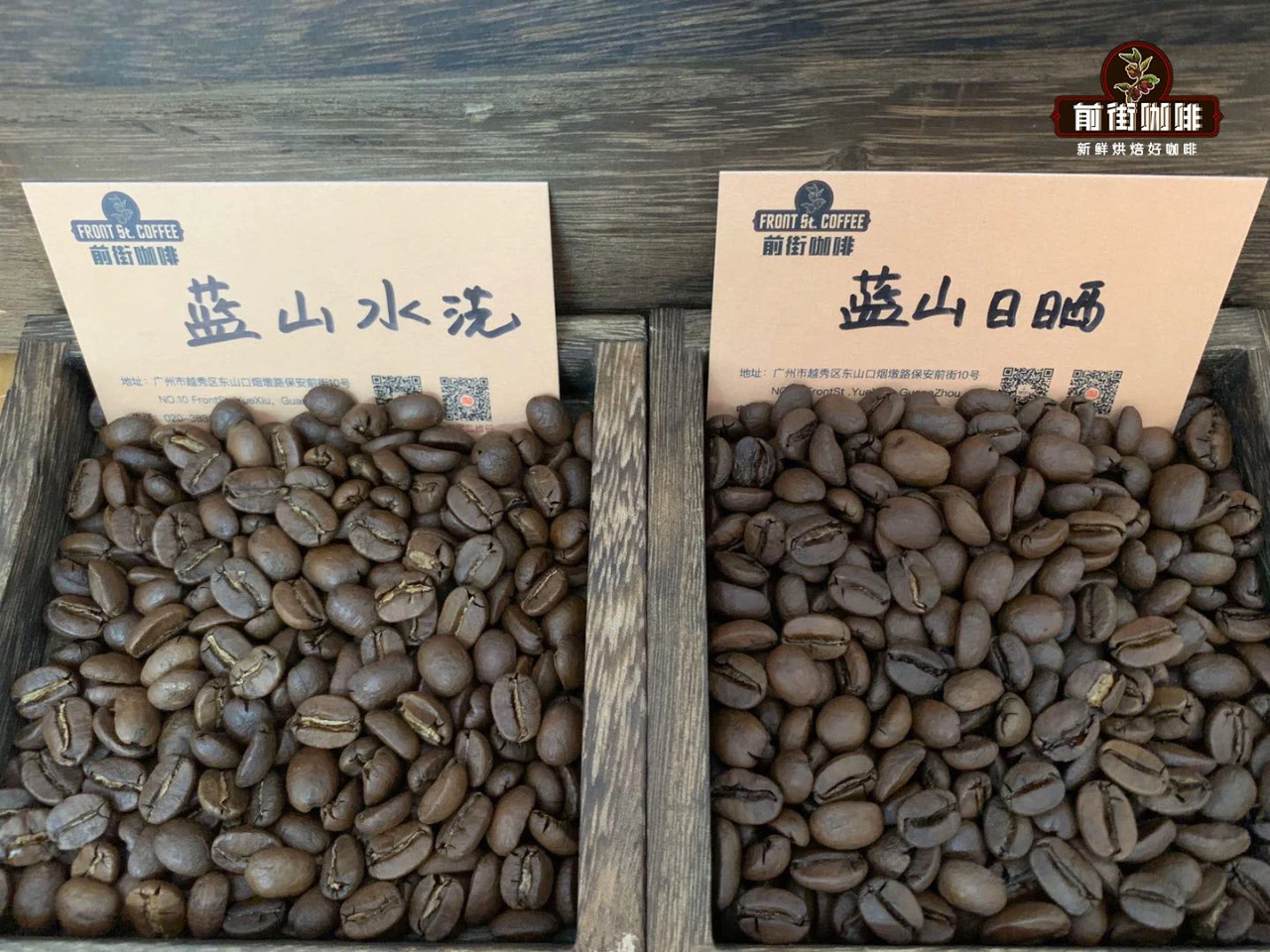
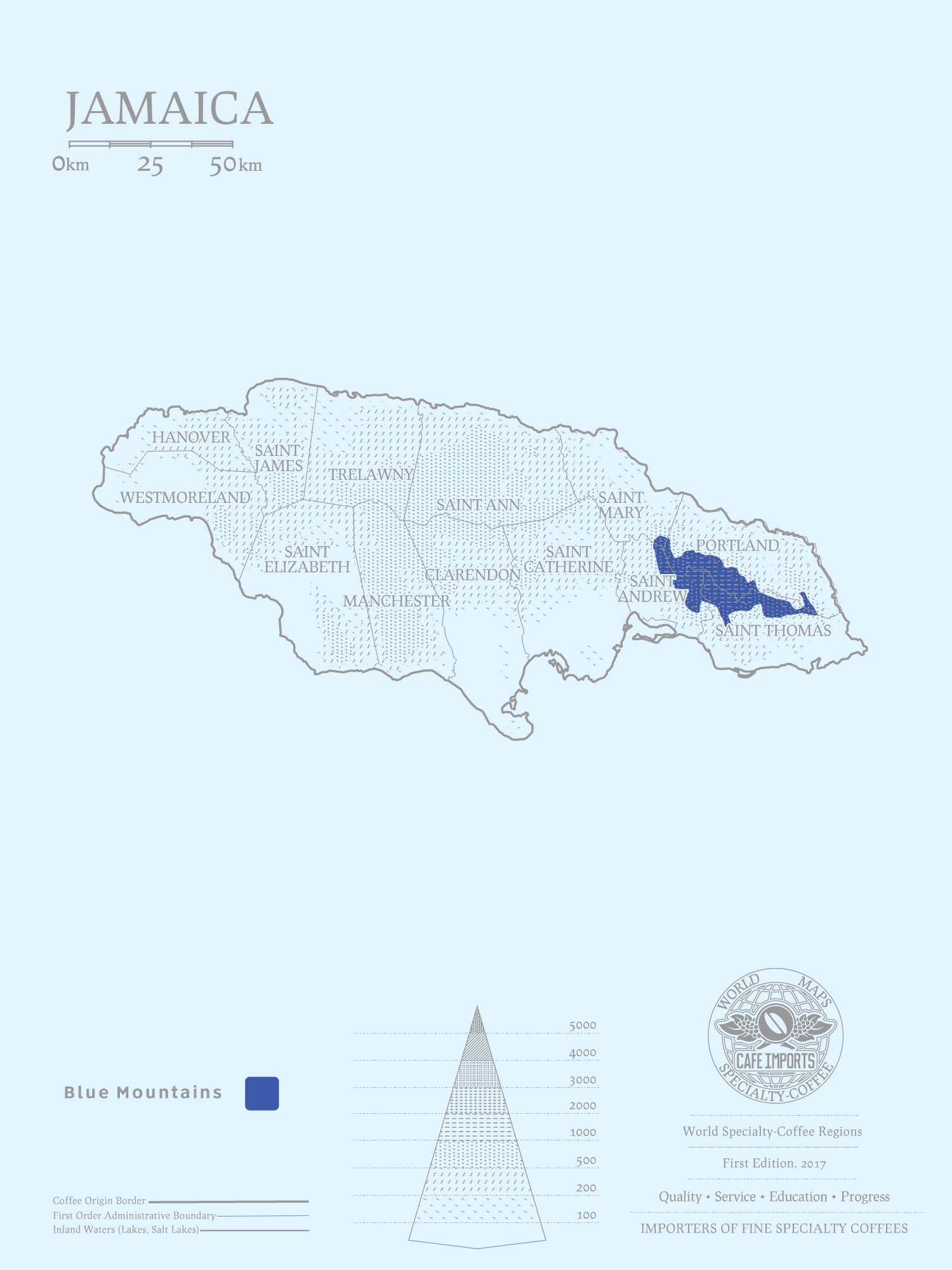
Moving to the bold camp, first recommended is Jamaican Blue Mountain No.1. What makes Blue Mountain coffee unique is not only its cultivation at elevations as high as 2256 meters, but also its fertile volcanic soil, stable climate, and refined washed processing.Blue Mountain coffee is divided into several grades, with No.1 being the highest, featuring a defect rate below 3%, bean size larger than 17 mesh, and moisture content controlled around 13%.This Blue Mountain No.1 is traditionally washed, emphasizing an excellent balance among acidity, sweetness, and bitterness. The flavor profile reveals a rich, mellow taste with harmonious coexistence of sweetness, acidity, and bitterness, and a long-lasting aftertaste. It is considered the “king of coffees” by many enthusiasts and is best brewed with medium-dark roasts and slightly coarse grinds to highlight its full-bodied depth.
The fourth bold representative is PWN Golden Mandheling from Indonesia. The Paku Buwono region in Sumatra sits at 1600–1650 meters altitude with a humid, rainy climate unsuitable for sun-drying, leading to the development of the unique wet-hulled (Giling Basah) process.This process involves removing the outer layer of the coffee bean before it is fully dry, accelerating the drying process and imparting strong earthy and spicy notes to the coffee.PWN Golden Mandheling undergoes multiple rounds of manual sorting, resulting in an extremely low defect rate. Flavor-wise, it highlights a clean and full-bodied mouthfeel, with rich notes of nuts, caramel, and chocolate, and a long-lasting, well-balanced aftertaste. It suits brewers who prefer low acidity, heavy body, and intense aroma, and is recommended to be brewed with medium-dark roasts and medium-coarse grinds to bring out its layered complexity.
The final bean is Yellow Bourbon from Fazenda Rainha in Brazil. Though Brazil is known mainly for commercial-grade beans, its high-quality Yellow Bourbon exhibits remarkable delicacy. Yellow Bourbon is a mutation of the Bourbon variety, with yellow-colored fruits when ripe. It is rare but distinctive in flavor.Brazilian coffee grades are primarily based on defect rate, cupping score, and bean size. This bean is of the high-quality NY.2 grade with very few defects.It is processed using the natural sun-dried method, allowing the coffee cherries to slowly dry under the sun and fully ferment. The flavor profile includes rich notes of nuts, dark chocolate, and fermented fruit, with pronounced sweetness and a rounded aftertaste. It is suitable for medium-light to medium roasts and medium-coarse grinds to showcase its mellow and full-bodied character.
In summary, these six single-origin beans each represent the unique terroir and processing philosophies of their respective regions. Among the acid-leaning group, Yirgacheffe Red Cherry stands out for its fresh fruit acidity and wine-like notes, Kenyan Assalia showcases bright acidity and juicy character, and Flower Dance balances fruitiness and sweetness. In the bold camp, Jamaican Blue Mountain leads with its triadic balance, Golden Mandheling impresses with its rich layers, and Brazilian Yellow Bourbon concludes with its smooth sweetness and nutty aroma. Coffee lovers can choose the single-origin that best matches their preferences and pair it with suitable brewing parameters to embark on their own coffee flavor journey.
The above content is compiled by CoffeeHunters, a coffee news website.


