







Introduction:A detailed comparison between the Red Cherry Project’s selected Yirgacheffe and the regular natural Aricha reveals their differences in green bean selection standards, roast curve design, cupping flavor profiles, and pour over brewing parameters. This article professionally analyzes the processing methods and quality distinctions of these two G1-grade beans, offering practical roasting advice and extraction references to help coffee enthusiasts master the key aspects of evaluating high-quality Yirgacheffe.
As Ethiopia’s most representative specialty coffee region, Yirgacheffe is renowned for its unique floral-fruity notes and bright acidity. Among the many Yirgacheffe coffees, the Red Cherry Project’s selected batches and the traditionally naturally processed Aricha region beans, though both G1-grade, show notable differences in flavor expression and processing methods. This article will systematically compare the key characteristics of these two beans.
The Quality Philosophy Behind the Red Cherry Project
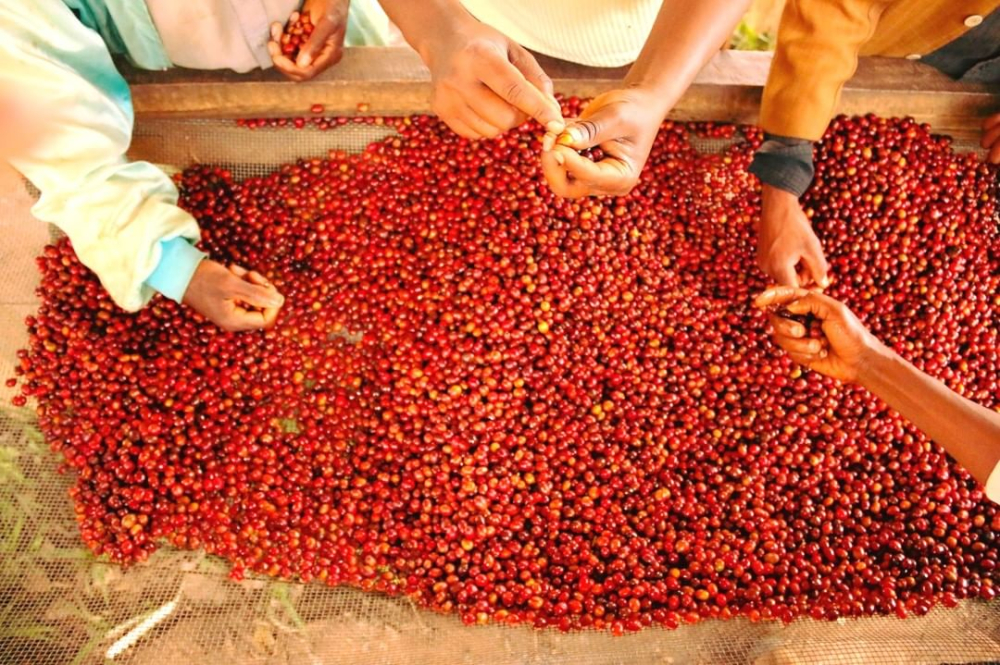
The Red Cherry Project (OPERATION CHERRY RED PROJECT) was initiated in 2007 by Dutch trader Trabocca in collaboration with Ethiopian producers. The core of the project lies in meticulously selecting 100% fully red-ripe coffee cherries, requiring hand-picking and ensuring consistent fruit maturity. The project provides farmers with financial loans, equipment upgrades, and technical guidance, and promises to purchase batches that meet the 88-point cupping standard at premium prices.
Differences in Green Bean Appearance and Processing
Both G1-grade Yirgacheffe beans exhibit a yellowish-green appearance under inspection, a typical characteristic of natural processing, with plump bean shapes and low defect rates.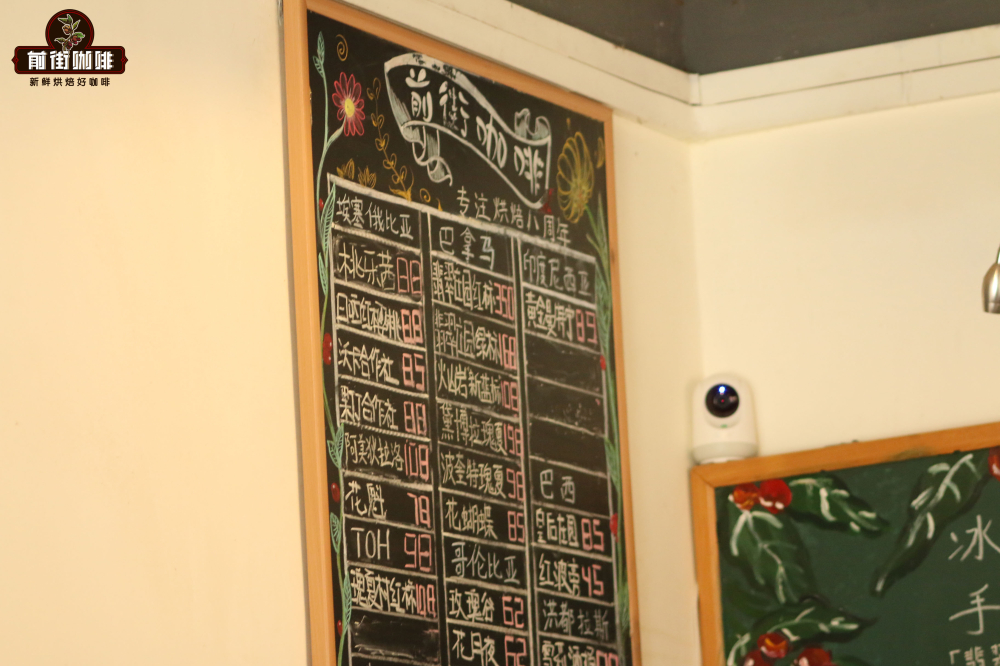 The traditional natural Aricha is produced at the Kebel Aricha processing station, located 4 kilometers from Yirgacheffe town and managed by Surafel Birhanu. It integrates coffee cherries supplied by around 650–700 smallholder farmers in the surrounding area. During processing, the harvested coffee cherries are dried on raised beds for 4–6 weeks, with turning every 2–3 hours to prevent mold.
Roast Parameter Settings
For these two light-roast beans, the brand adopts different charge temperatures:The Red Cherry Project Yirgacheffe uses a charge temperature of 194°C,while the natural Aricha uses 198.6°C. The roast curves show that the Red Cherry batch exhibits a smoother profile, reflecting its consistent maturity; whereas the Aricha batch, due to variations in bean ripeness, requires an extended drying phase to ensure even roasting (see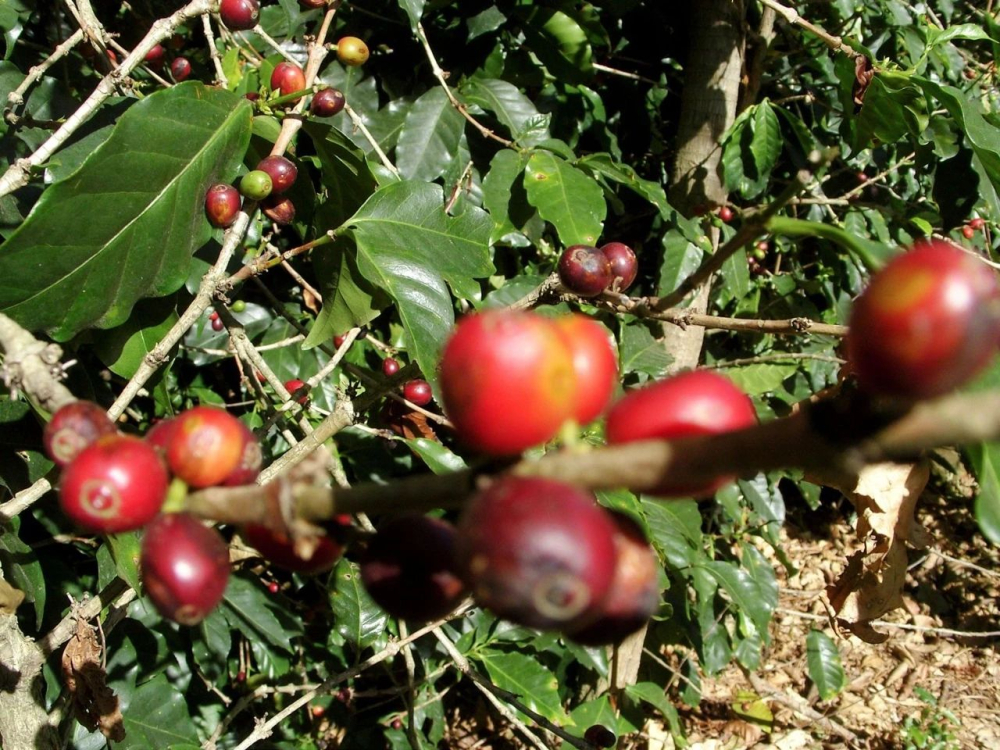 ).
Cupping Flavor Profiles
Under the same cupping conditions, the Red Cherry Project Yirgacheffe demonstrates a brighter lemon acidity and distinct berry notes, accompanied by layers of licorice and citrus. Its sweetness is prominent, with a finish featuring caramel and creamy textures, along with a lingering, tea-like smoothness. In contrast, the traditional natural Aricha presents more intense fermentation aromas, with green grapes and ripe fruits as the main flavor profile, gradually revealing lemon acidity and a grape juice-like juiciness as it cools.
Pour Over Brewing Parameters for Practical Use
It is recommended to use a V60 dripper for comparing the flavors of the two beans, with the following base parameters:15g coffee, 1:15 coffee-to-water ratio, 90°C water temperature, grind size like fine sugar (EK43s at setting 10). The standard brewing process is: a 30g bloom for 30 seconds, followed by pouring in circles to 125g, then waiting for the water level to drop halfway before pouring to a total of 225g. Total brew time is controlled within 2 minutes to 2 minutes and 10 seconds.
Through analyzing these key differences, coffee enthusiasts can more accurately identify the quality characteristics of the Red Cherry Project’s selected beans and adjust their roasting and brewing strategies according to personal taste preferences.
The above content is compiled by CoffeeHunters, a coffee news website.


