







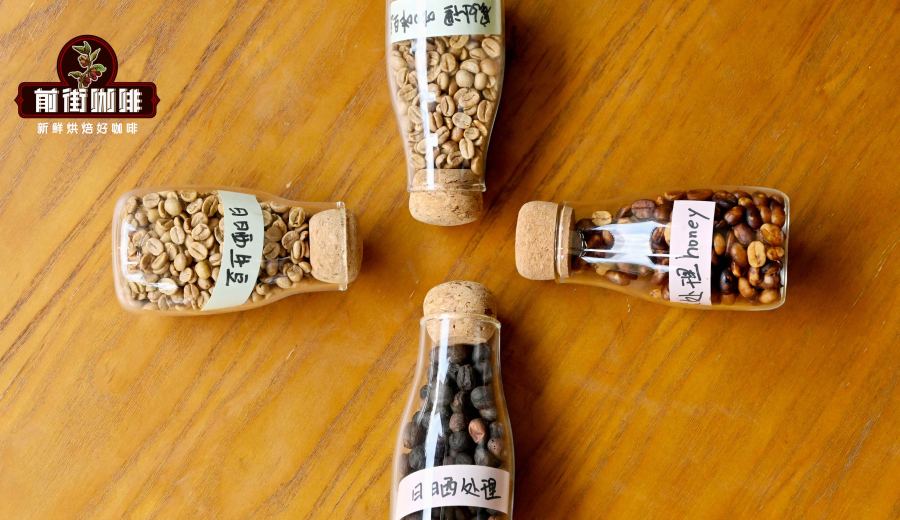
Introduction:The wet-hulling process of Sumatra, Indonesia, is an innovative coffee processing method adapted to high-humidity environments, creating the unique body and herbal character of Mandheling. This article delves into the seven key steps of wet hulling, explains why the “horseshoe-shaped” bean appearance is not a defect, and explores how this process influences the flavor profile. It also provides practical pour over parameters to help you fully experience the layered complexity of Golden Mandheling.
The coffee processing method has a significant impact on the final flavor. Among common methods such as natural, washed, and semi-washed (including wet hulling), Indonesia’s Sumatra region—due to its hot and humid climate—developed the unique wet-hulling process. In this method, the parchment layer is removed when the coffee beans still have a moisture content of 30% to 35%, exposing the green beans and allowing them to continue drying. This process not only shortens the drying time but also reduces acidity and enhances body, giving Mandheling its distinctive “regional character” of herbs, wood, and caramel.
The biggest difference between wet hulling and traditional washed or natural processes lies in timing: conventional methods retain the parchment until the beans are fully dried and the moisture content drops to 12% before removal. Wet hulling, however, removes the mucilage and parchment while the beans are still moist and soft, then allows them to continue drying in high-humidity air. Although this increases the risk of surface damage, it shapes Mandheling’s bold flavor with unique woody and spicy notes.
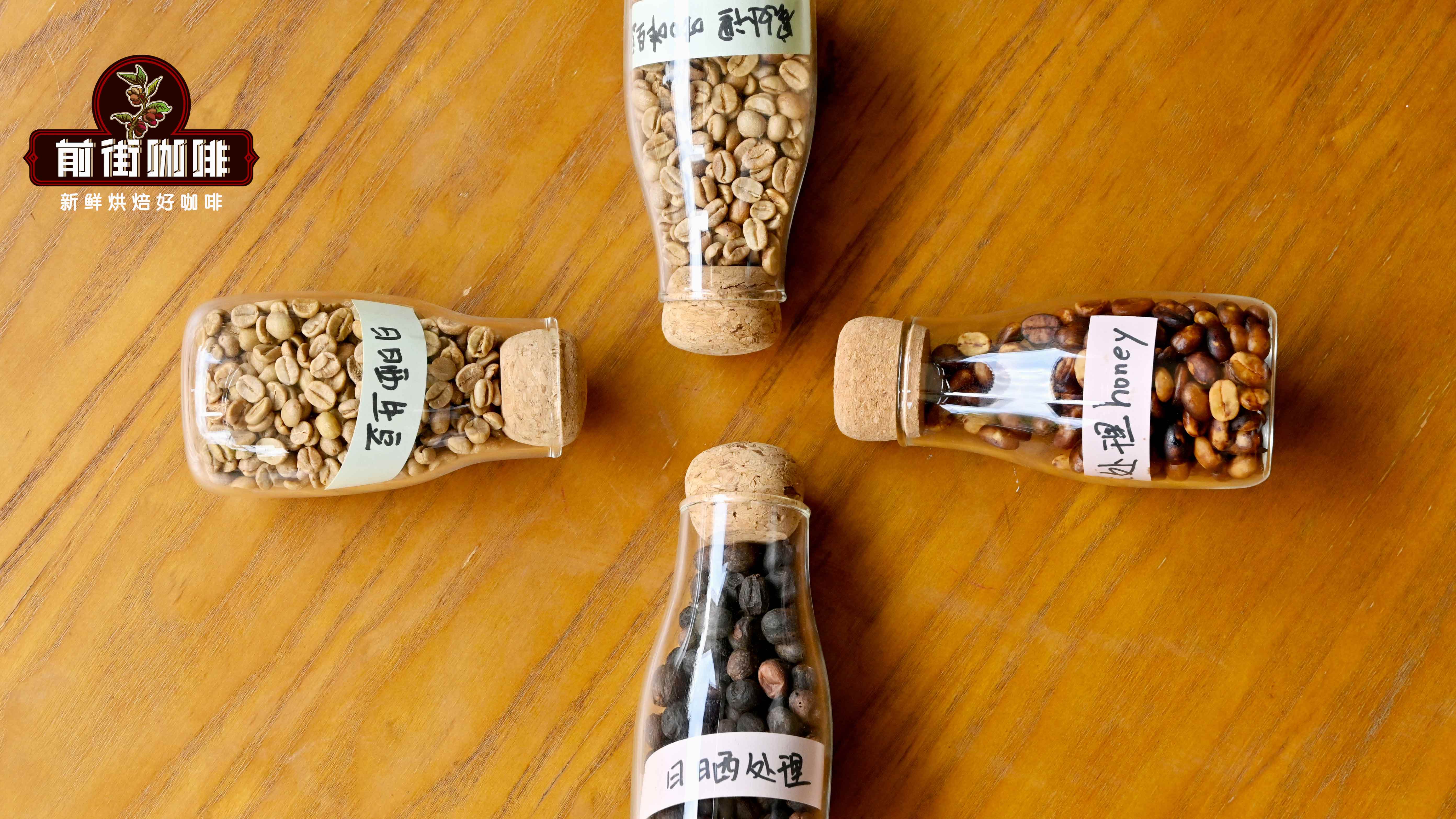
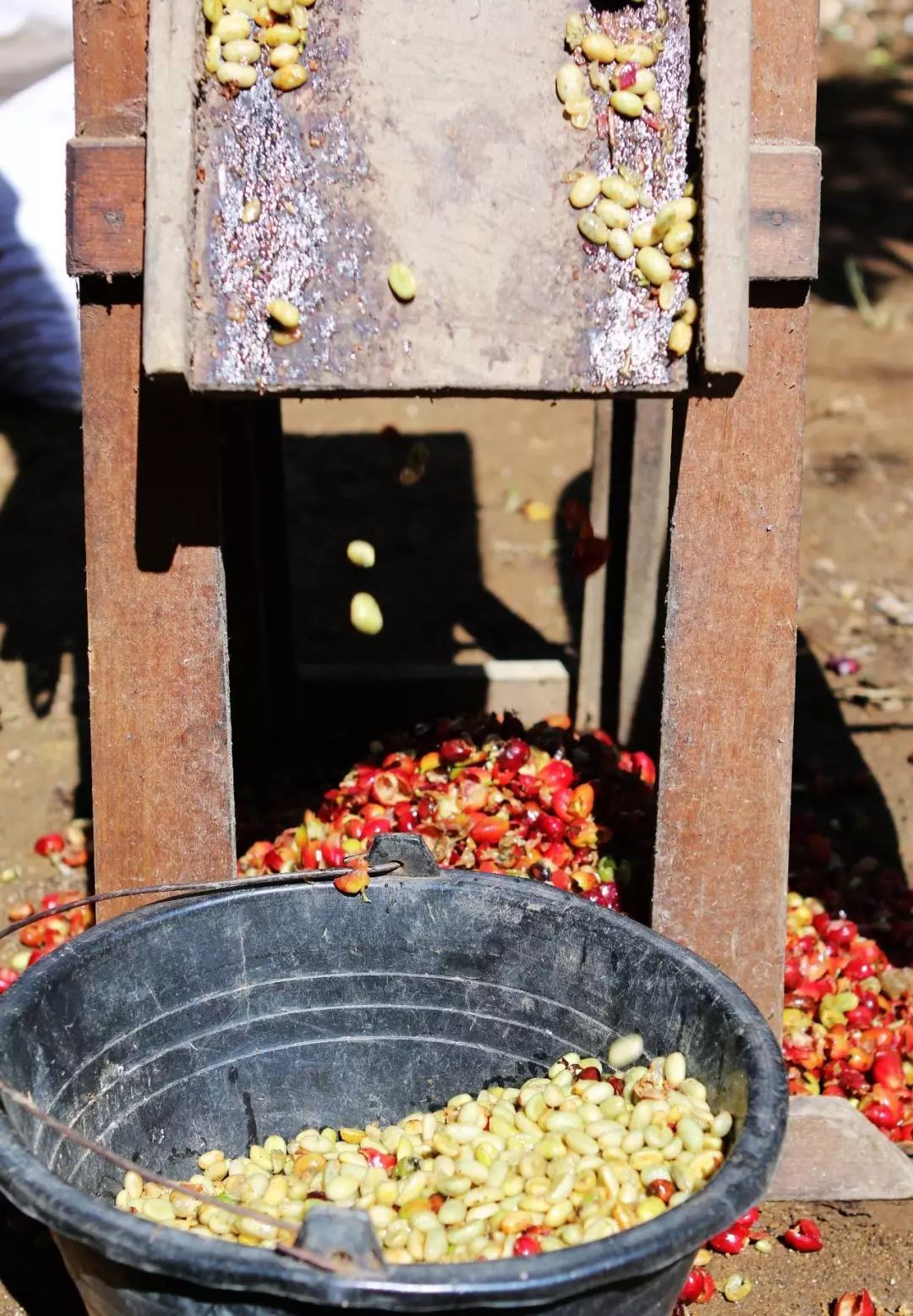
The wet-hulling process in Indonesia can be broken down into seven main steps. First, freshly harvested coffee cherries undergo rapid depulping and initial flesh removal, usually done at small farms to eliminate the outer skin and part of the pulp, reducing fermentation interference. Then, the beans are soaked in water for about 1 to 2 hours and rubbed to remove adhering mucilage, which helps reduce impurities and preliminarily clean the bean surface.
After initial processing, the coffee beans undergo their first drying at the farm, during which the moisture content is reduced to between 20% and 35%. Due to Sumatra’s humid climate, this stage is typically carried out in open-air conditions with close monitoring of weather changes. Once the first drying is complete, the beans are taken to market for sale. At this point, the beans still have a sticky mucilage layer and are in an uncured state, which is a distinctive feature of the wet-hulling process.
At the processing mill, the beans go through a second drying phase, aiming to further reduce the moisture content to around 18%. This stage stabilizes the bean condition and prepares them for subsequent mechanical processing. The next and most crucial step is “wet hulling”: when the beans are still moist and in a semi-hard, semi-soft state, a hulling machine is used to remove the mucilage and parchment. This differs significantly from washed or natural processes, where the parchment is usually retained until the final stage.
Because the beans are still damp during wet hulling, the mechanical pressure can easily cause surface damage, resulting in the characteristic “horseshoe-shaped” cracks. This visual trait is widely seen in Mandheling green beans but is not a defect—it is a natural outcome of the process. Finally, the beans undergo another round of sun drying to bring the moisture content down to 11%, after which they are bagged and stored, awaiting export.
This process gives Golden Mandheling its rich and balanced flavor profile, including dark chocolate, cream, caramel, along with subtle herbal and woody notes. For coffee enthusiasts who enjoy a full-bodied taste and distinctive regional flavor characteristics, wet-hulled Mandheling is an unmissable choice.
If you’d like to brew Golden Mandheling at home, we recommend using water at 88–89°C, a Kono filter, and a 1:15 coffee-to-water ratio for a single-pour extraction. Begin with a 30-second bloom, then pour steadily to help fully highlight its dark chocolate and creamy body, while maintaining clarity and layers in the overall flavor. A grind size similar to sugar granules will better balance body and acidity.

The above content is compiled by CoffeeHunters, a coffee news website.


