







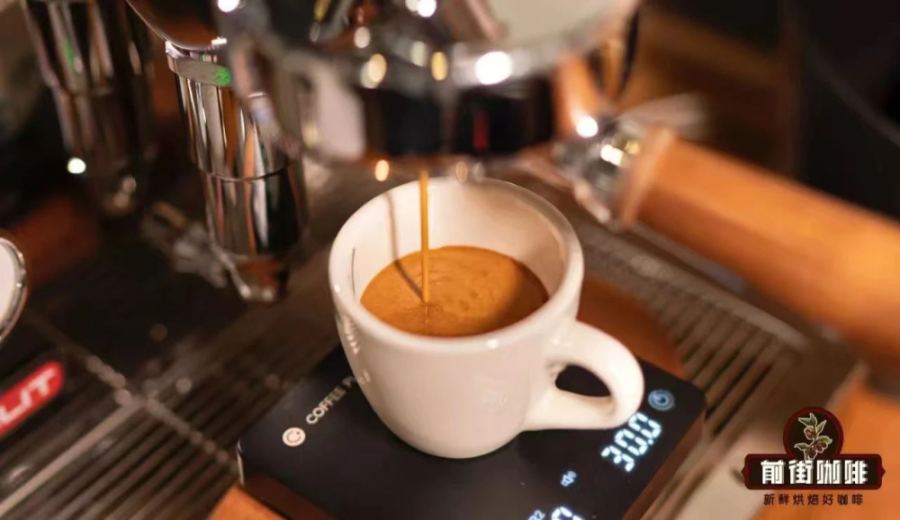
Introduction:Extraction time is one of the key factors that influence the flavor of espresso, but it is not the only one. This article delves into the synergistic relationship between extraction duration, coffee dose, grind size, and brew ratio, guiding you to master the adjustment logic within the golden 25–30 second range. Through practical parameter examples and recommendations for four different styles of blends, it helps you consistently pull richly layered shots of great coffee.
Making an ideal shot of espresso often takes just over twenty seconds from the start to the end of the pour, yet within this seemingly brief extraction window, even a one-second change can significantly alter the final flavor. Many coffee enthusiasts often wonder: what is the ideal extraction time? In reality, extraction time is never an isolated parameter—it is closely intertwined with coffee dose, grind fineness, and brew ratio, each influencing the others.
The core of extracting a balanced espresso lies in allowing an appropriate and moderate amount of soluble aromatic compounds to enter the coffee liquid. According to the industry-recognized Golden Cup extraction theory, when the extraction yield falls within the 18% to 22% range, the coffee tends to deliver the most pleasing taste. To precisely control this range, it is essential to adjust extraction time, coffee dose, and final liquid weight in tandem—none of these elements can be overlooked.
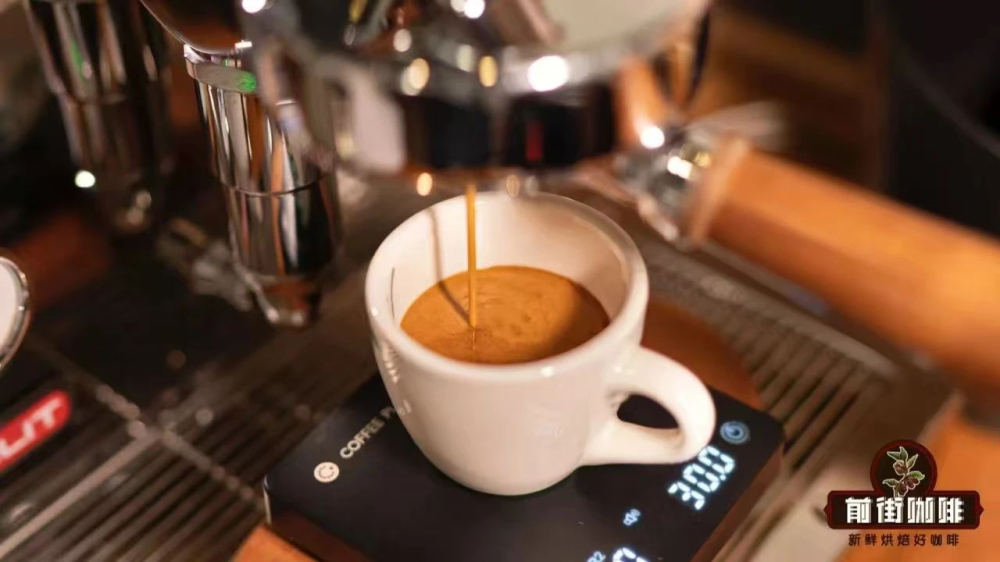
Generally speaking, keeping the brew ratio fixed at 1:2, and controlling the extraction time between 25 and 30 seconds, is the most commonly used and beginner-friendly starting point for adjustments. If the extraction time is shorter than 25 seconds, the coffee tends to taste thin, with pronounced acidity but lacking complexity; if it exceeds 30 seconds, it may extract too many large molecular compounds, resulting in increased bitterness and harshness. Most professional baristas stabilize the extraction time between 29 and 30 seconds in practice, ensuring sufficient release of flavor compounds while avoiding the downsides of over-extraction. However, this time range is not absolute—for example, medium-to-light roasted beans with dominant floral and fruity notes (such as certain single-origin SOEs) may intentionally extend the extraction time to bring out more nuanced aromas.
The setting of coffee dose first depends on the capacity of the portafilter basket being used. Common specifications are single shot (approximately 8–9 grams) and double shot (approximately 18–20 grams). A single shot typically yields 25–30 grams of liquid, while a double shot produces 30–40 grams of espresso. Taking the common 20-gram double basket as an example, in practice, 20 grams of coffee are often dosed, aiming to extract 40 grams of liquid, with fine-tuning based on the condition of the beans on a given day. It’s important to note that changes in dose directly affect the compactness of the coffee puck—the more coffee used, the denser the puck, the slower the water flows through, and thus the longer the extraction time needed for the same liquid weight, which also increases overall coffee concentration and extraction yield. Therefore, when adjusting the dose, it’s essential to also observe changes in flow rate and flavor profile.
The impact of grind fineness on extraction time is the most direct: when the flow rate is too fast and the extraction time is too short, the coffee grounds usually need to be ground finer; conversely, if the flow rate is too slow and the time too long, the grind should be adjusted coarser. Since espresso grinding is far finer than other brewing methods such as pour over, the adjustment range each time should not be too large (for example, on a grind setting scale, each micro-adjustment should not exceed 1–2 notches), otherwise too many variables can lead to unstable extraction, making it harder to identify the root issue.
When practically adjusting extraction parameters, it is recommended to follow a “observe–taste–fine-tune” loop process. Most professional baristas perform basic calibration before daily service. When all parameters are already within a preset reasonable range, they prioritize direct tasting to assess the current state of the espresso’s flavor, then make targeted adjustments. For instance: if, under a fixed brew ratio, the coffee shows negative flavors such as burnt bitterness but still has decent strength, it’s likely due to over-extraction caused by too long an extraction time—in this case, the grind can be made coarser to speed up the flow; conversely, if the coffee tastes dull and weak (likely under-extracted), increasing the dose or refining the grind can help improve it. These parameters interact with one another, and only by continuously observing and understanding the directional impact of each variable can one gradually master the key to consistently producing high-quality espresso.
For beginners just getting into espresso, choosing a suitable blend can greatly enhance practice efficiency. Although in recent years more distinctive single-origin beans have been used in espresso, lightly roasted beans often increase extraction difficulty, and the concentrated nature of espresso can easily amplify any off-flavors. It is recommended that newcomers start with professionally crafted blends. Below are four practical options of different styles:
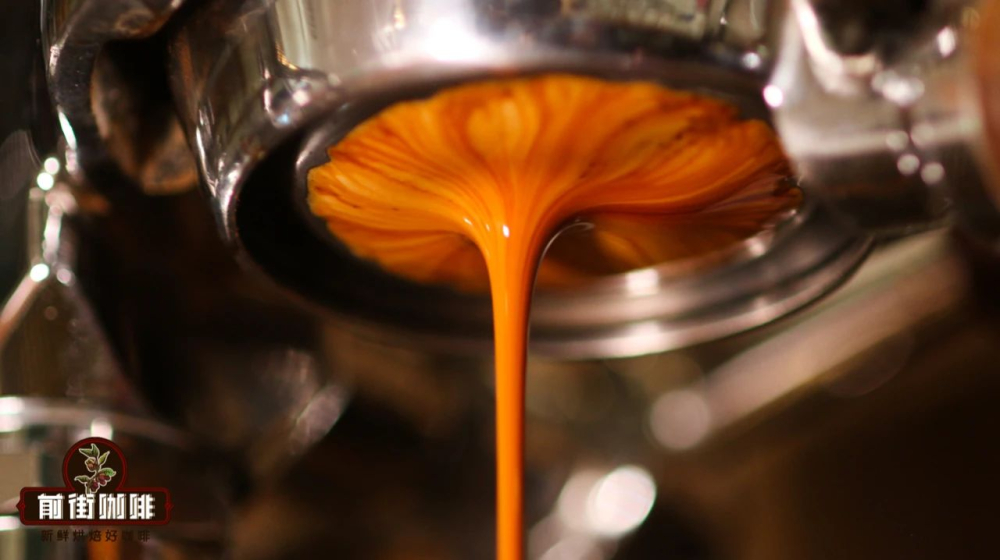
Classic Bold Type: These blends typically feature a full-bodied nutty character and golden crema, with a noticeable bitter edge but paired with a creamy smooth texture. The finish is clean and long-lasting. Often described as having a roasted, sweet aftertaste, they suit drinkers who prefer a strong, intense flavor.
Mildly Acidic Bold Type: By combining the gentle acidity of Yunnan small-bean coffee with the rich base of Brazilian beans, these blends present a balance of caramel, nuts, and plum-like acidity in the espresso. The sweet and sour notes are well harmonized without being jarring, making them suitable for consumers who enjoy multi-layered flavors.
Balanced Rich Type: Based on the classic Brazilian nut flavor profile and complemented by the sweetness of Colombian beans, these often showcase deep chocolate notes and full-bodied roasty aromas, ideal for those seeking traditional espresso flavors.
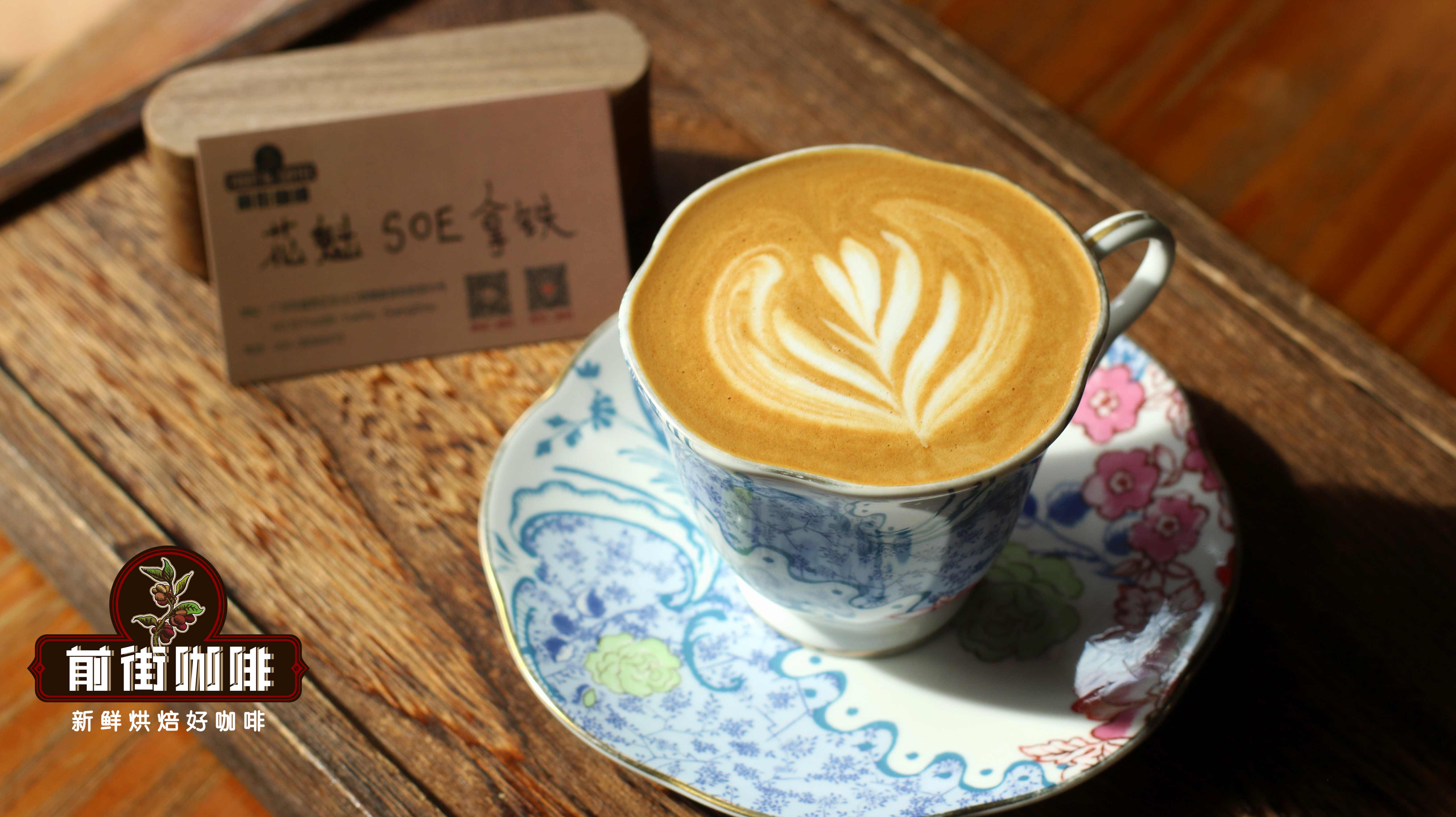
Delicate Fruity Type: Using mainly medium-roasted bean varieties (such as honey-processed Costa Rican and Ethiopian beans), these blends produce espressos with soft sweet-and-sour profiles, reminiscent of strawberry taffy-like freshness. The crema is dense and the cup stability is excellent, making them very suitable for summer or occasions where a refreshing taste is preferred. These can be purchased directly online, convenient for home practice.
The above content is compiled by CoffeeHunters, a coffee news website.


