







Introduction:Want to understand the charm and differences of Yunnan small-bean coffee? This article delves into the characteristics of the Typica and Catimor varieties, taking you from regional background to processing methods. It also provides professional-grade V60 pour over parameters and a practical three-stage pouring technique to teach you how to use the right grind size, water temperature, and brewing time to fully bring out the layered flavors of nuts, chocolate, and gentle fruit acidity.
When it comes to Yunnan small-bean coffee, many people immediately think of the Catimor variety. However, the true representative of Yunnan’s high-quality coffee tradition is actually the historic Typica. This article not only details the varietal origins of Typica and Catimor but also explores their differences in regional cultivation, processing methods, and flavor profiles. Using the V60 filter as a tool, it guides you through practical techniques and parameter settings for brewing Yunnan small-bean coffee by pour over.
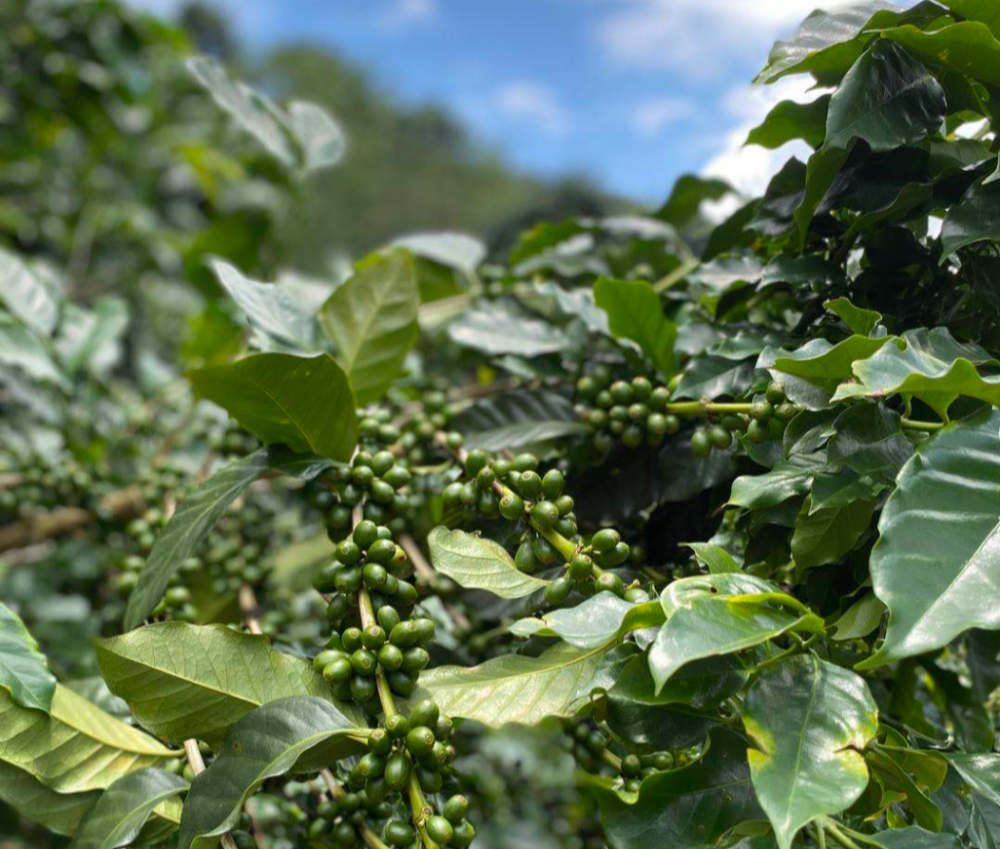
Yunnan small-bean coffee is often broadly referred to as the Arabica produced locally, but in reality, the market is predominantly supplied with the Catimor variety. As early as the 1950s, regions like Baoshan mainly cultivated Typica, Bourbon, and S288. Among them, Typica was known for its clean and elegant flavor, but due to its low yield and weak disease resistance, it was gradually replaced by the introduced Catimor. Catimor is a hybrid of Caturra and Timor, the latter being a natural cross between Robusta and Arabica. Catimor boasts strong disease resistance, adaptability to low altitudes, and high yields—commercial advantages that have made it the dominant variety cultivated in Yunnan today.
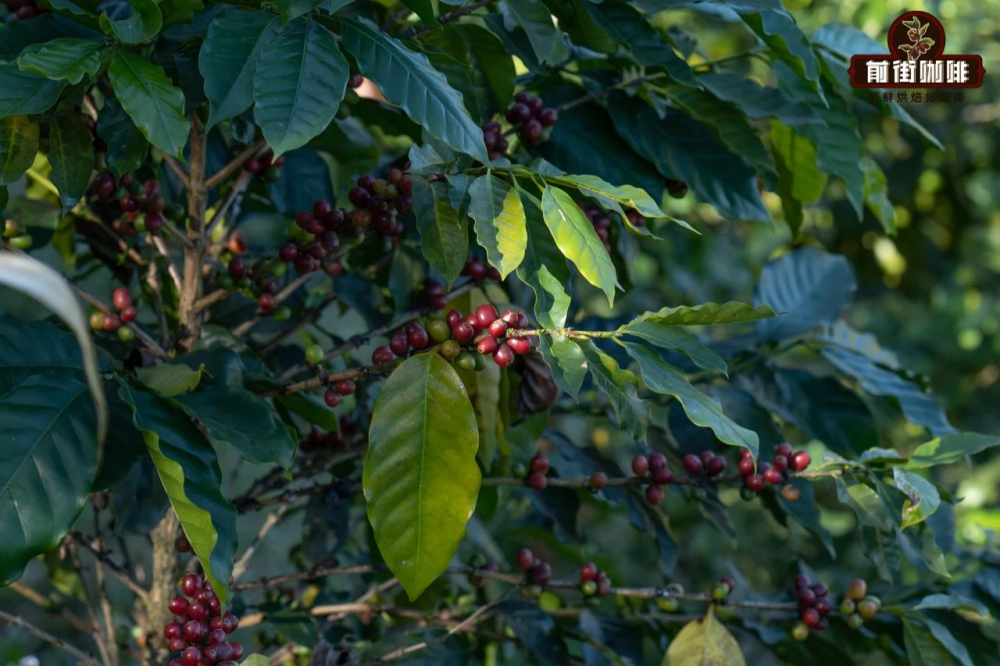
Nevertheless, as a classic variety within the Arabica family, Typica’s status remains irreplaceable. Originating from Ethiopia and southeastern Sudan, it is the progenitor of many well-known variants. For instance, Jamaican Blue Mountain, Hawaiian Kona, and Sumatra Mandheling are all evolutionary results of Typica adapting to different environments. The Typica tree is relatively tall, with branches forming a roughly 60-degree conical distribution. Its leaves are dark bronze, and the top buds are copper-colored, hence it is also called "red-tipped coffee." Although it has a rare yield and high cultivation barriers, its cupping scores are often excellent, with rich flavor layers, especially showcasing diverse fruit aroma profiles.
In contrast, Catimor is a variety cultivated in 1959 by a Portuguese research team with the goal of creating a coffee that is disease-resistant, high-yielding, and suitable for commercial cultivation. It combines the desirable traits of Caturra with the robust genes of Timor—the latter being a natural hybrid of Robusta and Arabica, which brings strong disease resistance and adaptability but often results in coarse and unrefined flavors. As a result, although Catimor has commercial value, it is frequently criticized for its subpar cupping flavors, and many producers are even reluctant to indicate the variety name on packaging.
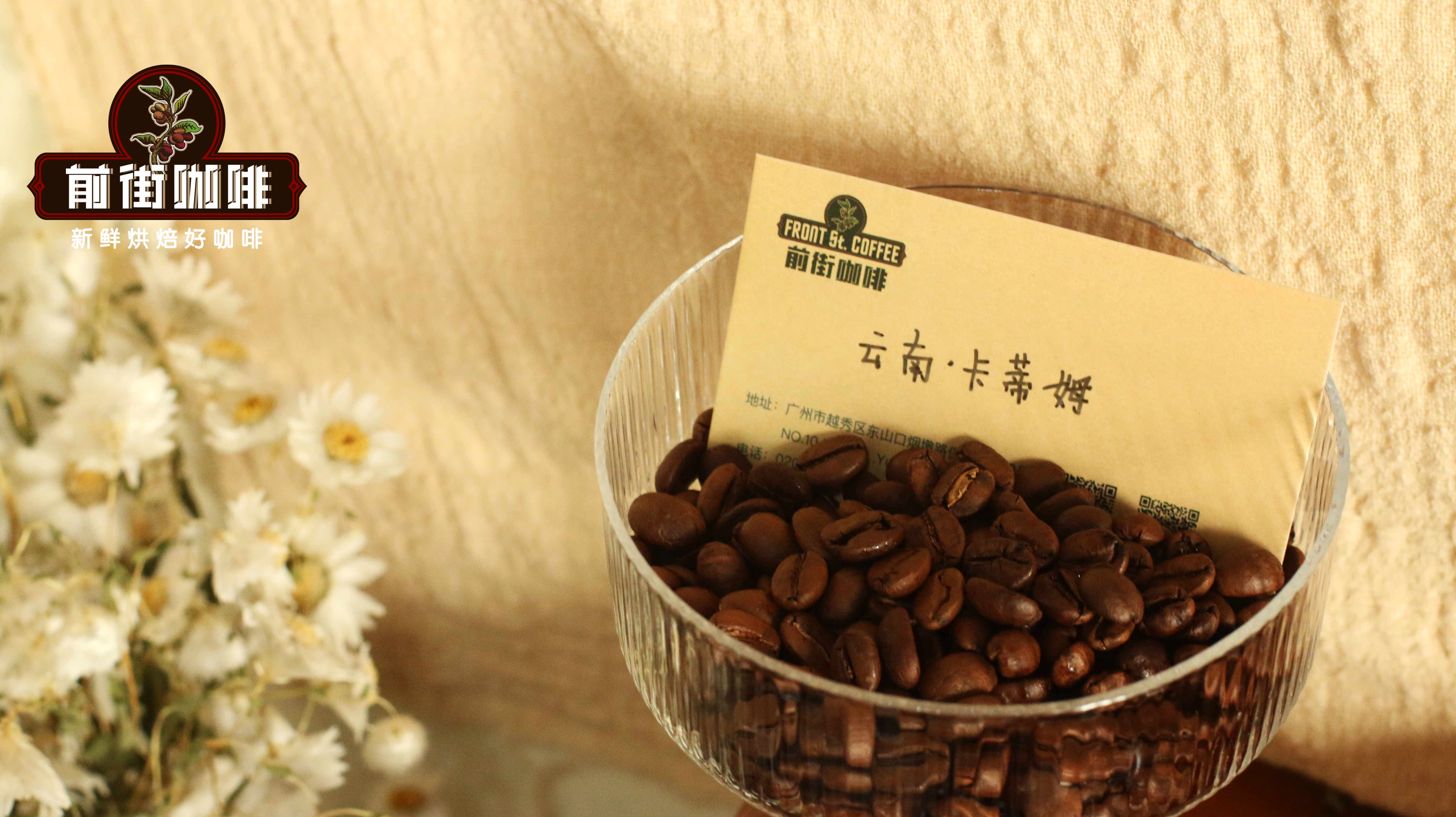
With the rise of the specialty coffee trend, Yunnan’s coffee-growing regions have gradually placed greater emphasis on improving cultivation techniques, including significant advancements in aspects such as shade management, soil and water conservation, harvest ripeness, and post-harvest processing. Today, meticulously processed Catimor can also deliver impressive aromas and cleanliness. For example, a well-known coffee brand carefully selects washed-process Catimor from the Baoshan region, offering it in 100-gram small packages to allow consumers to easily experience the "taste of Yunnan." This bean offers a balanced flavor profile, with nutty aromas, subtle plum fruit notes, and a sweetness reminiscent of brown sugar. The overall impression is mild and approachable.
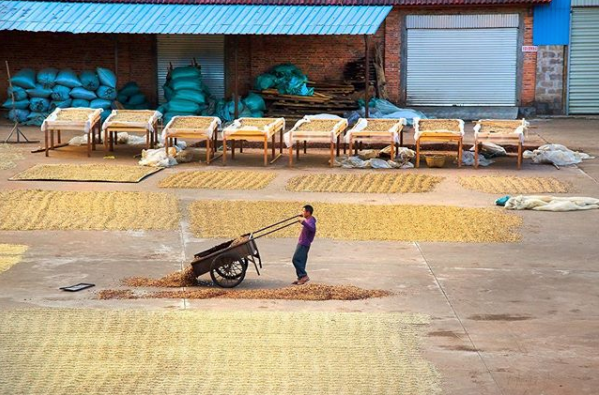
In terms of processing methods, since most Yunnan coffee farmers lack expensive equipment, washed and natural sun-dried processes are the most common choices. This brand prefers washed-process Yunnan small-bean coffee for its cleaner profile, which clearly expresses the region's foundational flavors and is better suited to the area’s rainy climate, helping avoid undesirable fermentation during sun drying. However, if you prefer more intense fruit aromas and fermentation character, you might want to try this brand’s "2013" from the Lincang region—a naturally sun-dried Typica coffee that showcases rich fruit acidity and delicate mouthfeel.
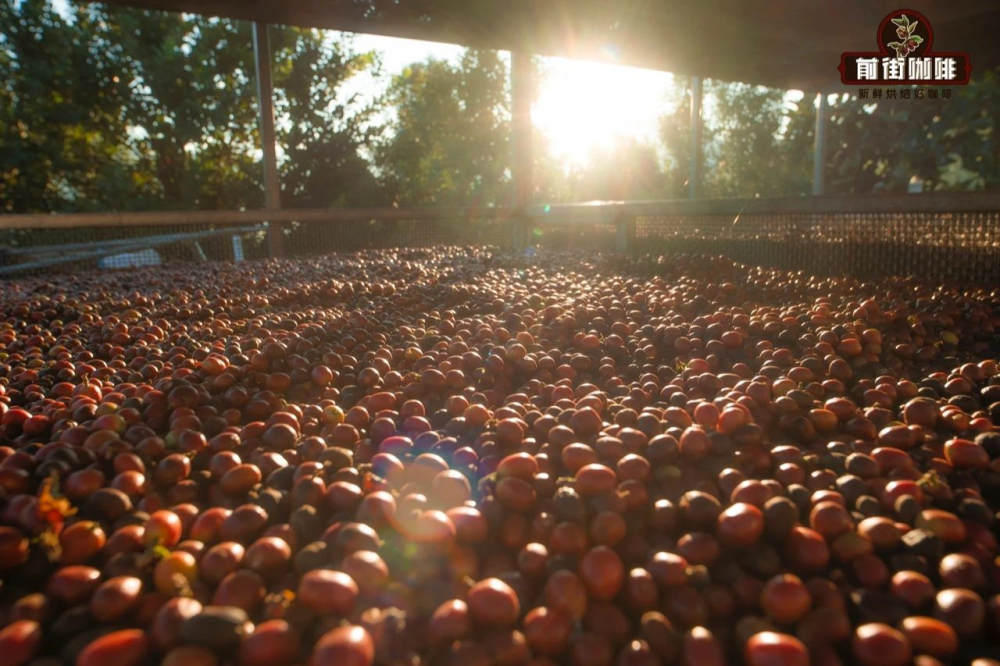
The Lincang region, influenced by the Indian Ocean warm current and southwestern monsoon, experiences distinct dry and wet seasons with abundant sunshine, making it highly suitable for Arabica growth. This brand selects the most original Typica variety, hand-picking red cherries, then sun-drying them flat until the moisture content meets standards, followed by hulling and roasting. This method imparts the coffee with richer fermented aromas, noticeable sweetness, and complex flavors including caramel, berries, and black tea.
For coffee enthusiasts who are new to Yunnan small-bean coffee, it’s especially important to pay attention to the beans’ freshness. Roasted coffee beans typically have an optimal flavor window of about two weeks. All coffee products from this brand are shipped within five days of roasting to ensure you enjoy them at the peak of their flavor. Next, we provide a set of V60-specific pour over parameters and a three-stage pouring process to help you fully unlock the potential of Yunnan coffee.
For pour over, it is recommended to use a Hario V60 filter, with a coffee dose of 15 grams, water temperature controlled at 90°C, and grind size suggested to be around 75% passing through a #20 sieve—equivalent to a medium-fine grind. The coffee-to-water ratio is 1:15. Specifically, start by pouring hot water equal to twice the coffee dose (about 30 grams) to bloom, letting it sit for about 30 seconds until a dome forms on the coffee bed, then begin the first pour. Next, pour with a small stream in circular motions from the inside out until you reach 125 grams, then pause and wait for the coffee bed to descend to the middle of the filter. Proceed with the second pour up to 225 grams, then wait for the dripping to finish before removing the filter. The total brew time should be controlled to around 2 minutes.
This set of parameters effectively balances extraction yield and flavor expression, avoiding over-extraction or under-extraction. The final brewed Yunnan small-bean coffee typically exhibits pronounced nutty aromas, with a mouthfeel that balances herbal, chocolate, and caramel notes, and a lingering aftertaste of gentle fruit acidity. The overall taste is refreshing and layered. If you choose a sun-dried Typica like this brand’s 2013, you can experience richer caramel, citrus, and berry aromas. As the temperature cools slightly, you may also detect plum-like acidity along with sweet undertones of black tea and sugarcane, delivering a more robust body and complex flavor progression.
The above content is compiled by CoffeeHunters, a coffee news website.


