







Introduction:In the scorching summer heat, various types of iced coffee become the go-to choice for cooling down. Among them, iced pour over, iced americano, cold brew, and ice drip—four types of coffee all bearing the word "ice"—may look similar at first glance, but they differ significantly in extraction methods, parameter settings, and flavor profiles. Understanding their brewing principles and key details not only helps you choose the one that best suits your taste but also allows for a deeper appreciation of the charm of cold-brewed coffee. This article will explore the differences and essence of these four common iced coffees from the perspectives of extraction logic, parameter settings, and flavor expression.
When the weather heats up, many coffee enthusiasts turn to iced coffee for a refreshing yet energizing experience. Iced pour over, iced americano, cold brew, and ice drip—these four popular iced coffee styles may all include the word “ice,” but in reality, they vary greatly in brewing principles, parameter settings, and flavor characteristics. Some follow a high-concentration-and-dilution-with-ice approach, while others use low-temperature long-soaking or drip extraction, resulting in distinctly different textures and layers.
Both iced pour over and iced americano belong to the “high-concentration extraction + ice dilution” technique. However, the former uses a pour over dripper as the brewing medium, emphasizing visual appeal and manual control, whereas the latter is based on espresso, focusing on quick extraction and balanced proportions. In contrast, cold brew and ice drip fall under the low-temperature slow extraction camp, slowly releasing flavor compounds through prolonged soaking or dripping, delivering a fuller, lower-acid, and more layered taste.
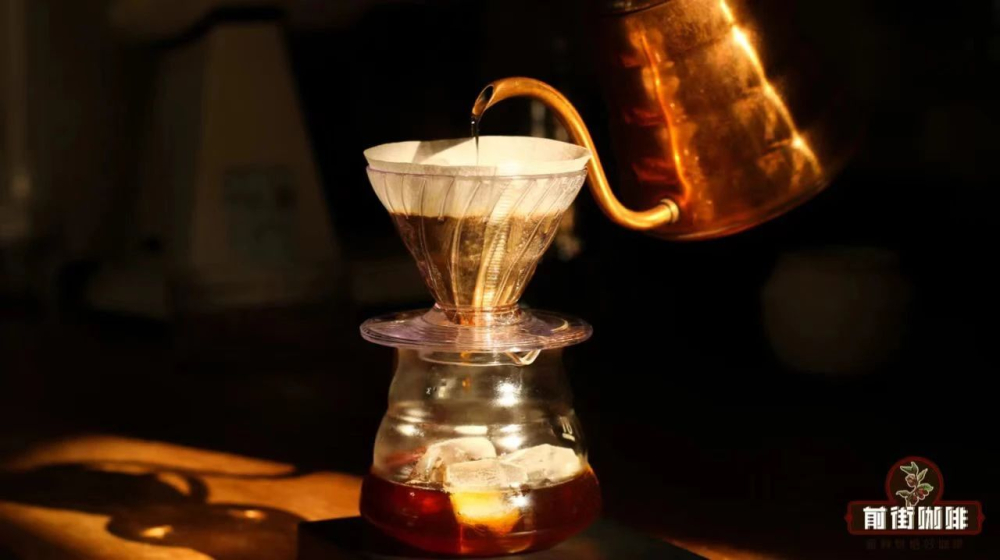
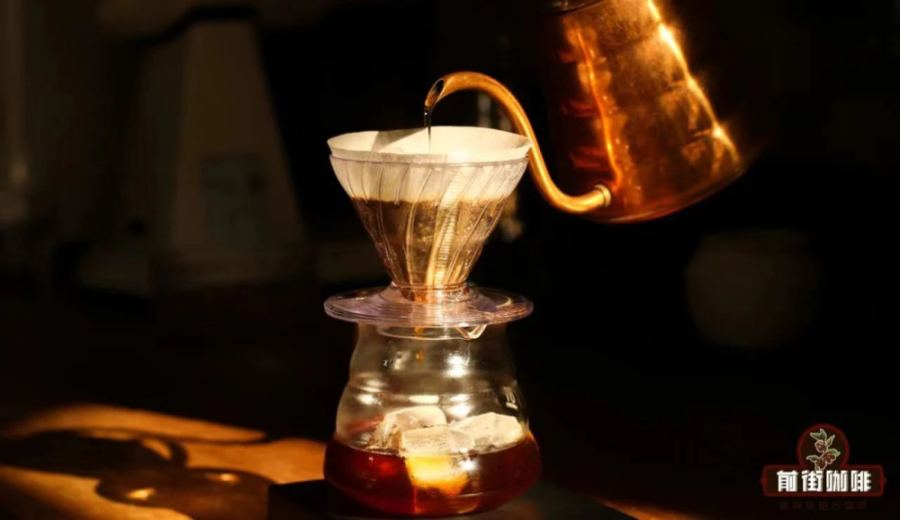
Iced pour over coffee originates as an extension of the pour over technique and is one of the classic offerings in many specialty coffee shops. Its most distinctive feature is the use of a dripper to filter out coffee grounds, leaving only clear coffee liquid—a process that combines visual beauty with technical skill. A common recipe for making iced pour over is 15 grams of coffee beans with a 1:10 coffee-to-water ratio, meaning 150 grams of hot water are poured to extract about 120 grams of coffee liquid. This intentionally lower coffee-to-water ratio is designed to leave room for the subsequent addition of 100 grams of ice, preventing the coffee from becoming overly diluted and losing its intended strength as the ice melts.
In practice, baristas often divide the brewing process into two stages: first, a 30-gram bloom with hot water helps release carbon dioxide from the coffee grounds—an especially important step for freshly roasted beans, as excessive gas can hinder proper water contact. Next, the remaining water is gently poured in a circular motion, totaling 150 grams, with the water temperature maintained at around 90°C. The grind size is slightly finer than that used for regular hot pour over, roughly 85% passing through an 0.85mm sieve, with the total extraction time around 1 minute and 30 seconds. Finally, the brewed coffee is poured over 100 grams of ice and gently shaken to ensure even flavor integration. The ice also cools the coffee, achieving a pleasantly chilled drinking temperature.
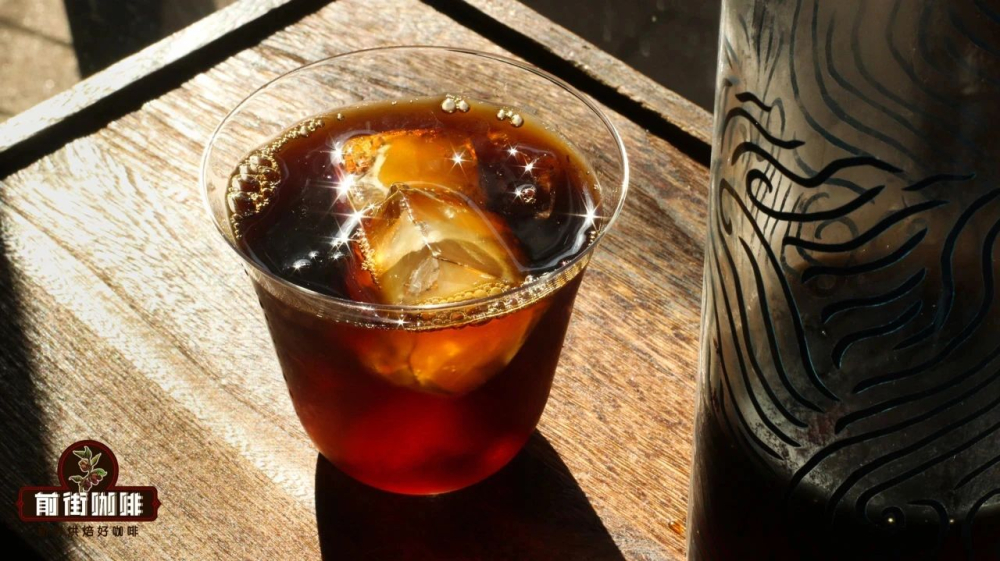
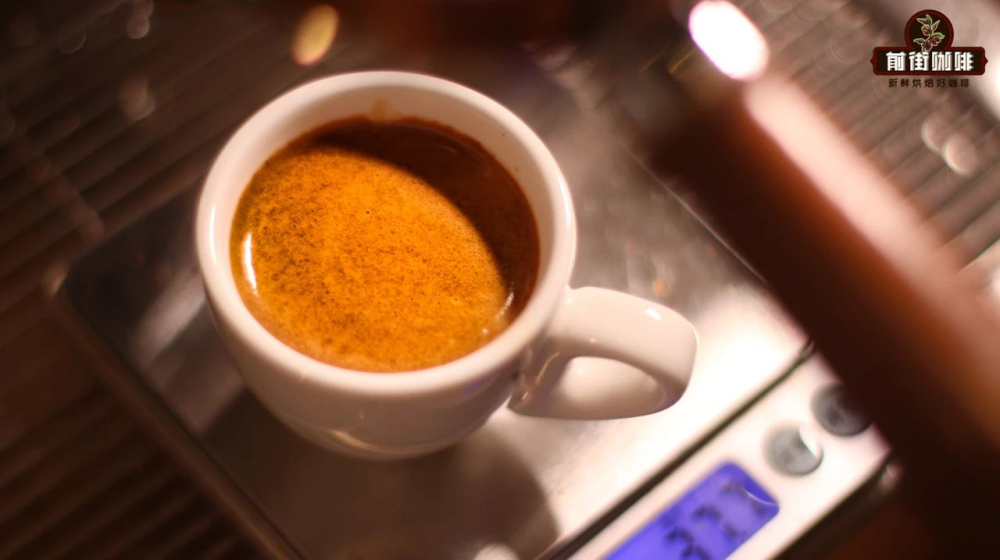
The method for making iced americano shares a similar concept with iced pour over—starting with a highly concentrated coffee liquid that is then diluted with ice or iced water. The main difference lies in the fact that iced americano uses espresso extracted from an espresso machine as its base, typically using 20 grams of coffee beans to produce 40 grams of espresso in about 26 seconds. This shot of espresso boasts a strong aroma and bold flavor, which is then adjusted for concentration and temperature by adding iced water or ice cubes, making it a refreshing and invigorating option.
When preparing iced americano, a common ratio is 1 part espresso to about 300 grams of an ice water mixture, roughly a 1:7.5 ratio. It’s worth noting that the final flavor of iced americano heavily depends on the coffee bean variety and processing method. Choosing beans with prominent fruity notes—such as those subjected to double anaerobic fermentation that exhibit flavors of grape, citrus, or passion fruit—can lend the iced americano a crisper, clearer layering, particularly appealing to those who enjoy a fruity highlight.
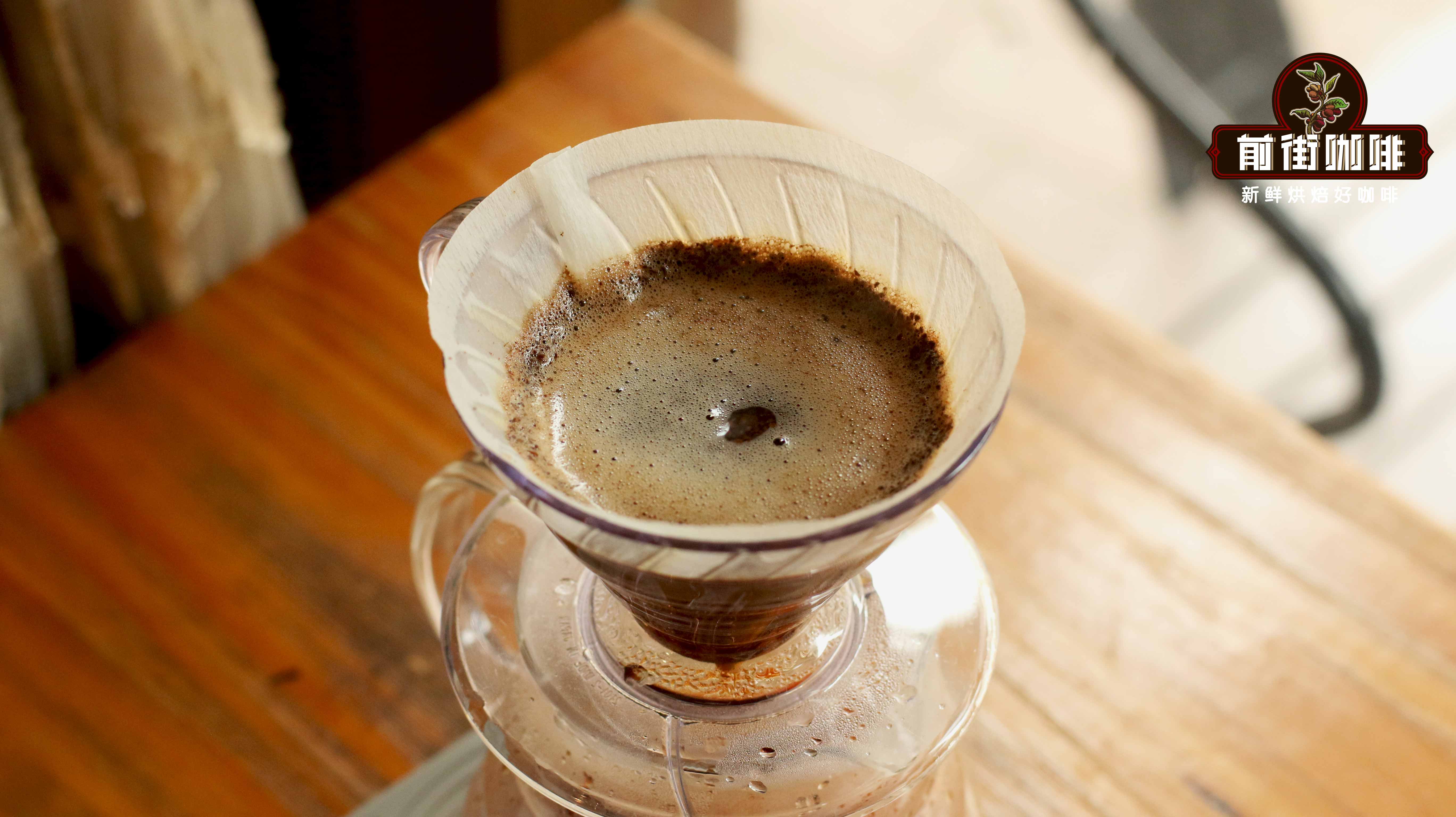
Cold brew coffee follows an entirely different extraction logic, classified as a low-temperature immersion brewing technique. A common recipe is 50 grams of coffee grounds with 500 grams of iced water, maintaining a 1:10 coffee-to-water ratio and using a coarser grind—approximately 75% passing through an 0.85mm sieve. Since no heat is applied, the entire process takes place slowly in a low-temperature environment. Typically, the coffee grounds and water are thoroughly mixed and then left to steep in the refrigerator for at least 24 hours, allowing the flavor compounds to gradually release in the cold.
The advantage of cold brew lies in its ability to preserve the sweetness and body of the coffee while reducing acidity and harshness, making it ideal for those who prefer a smooth mouthfeel. Due to the extended steeping time, it’s recommended to use a large-capacity container, such as a glass bottle of 600 milliliters or more, to ensure the coffee grounds have enough space to steep and to avoid issues like over-extraction or unwanted sediment. This technique requires no complicated equipment—just patience—and rewards you with a richly flavored iced coffee.

Ice drip coffee is the most equipment-intensive and time-consuming of the four iced coffee methods, relying on individual drops of iced water slowly penetrating through a bed of coffee grounds to complete the extraction. This technique requires a specialized ice drip brewer, typically consisting of an upper chamber (for iced water), a valve (to regulate flow rate), a coffee chamber (holding the coffee grounds), and a lower chamber (for collecting the brewed coffee). A common model like the Tiamo HG2713 not only has a complete structure but also features a coiled cooling tube to help stabilize the temperature.
To make ice drip coffee, 60 grams of coffee beans are typically used to produce about 600 milliliters of coffee liquid, again following a 1:10 coffee-to-water ratio. The grind size is slightly finer than that for pour over—around 85% passing through an 0.85mm sieve—and the water is mixed with ice in a 1:1 ratio. The valve is set to a drip rate of 7 drops per 10 seconds, and the entire process takes approximately 6 to 8 hours. Because the dripping speed is slow and the extraction efficiency is low in a low-temperature environment, a longer duration is needed to accumulate sufficient flavor concentration. After extraction, it’s recommended to refrigerate the coffee for an additional 12 hours to allow the flavors to stabilize and integrate further, ultimately resulting in a layered, low-acid, and full-bodied taste.
The above content is compiled by CoffeeHunters, a coffee news website.


