







Introduction:Determining the roast level of coffee beans is the first step in choosing beans that suit your taste. By observing the beans’ appearance, tasting their flavor profiles, and referring to internationally recognized roast color standards, you can more accurately understand each bean’s characteristics and further enhance your pour over or brewing experience. This article takes you in-depth into three practical methods, helping you easily choose the right beans from beginner to advanced levels.
The flavor of coffee is inseparable from its roast level. Even beans from the same origin can exhibit completely different aromas and tastes under different roast profiles. Therefore, understanding how to distinguish roast levels is very important for coffee lovers or those who want to brew their own coffee. This not only helps in selecting beans that match personal preferences but also makes it easier to understand the flavor descriptions on packaging, thereby improving the overall brewing experience.
Generally speaking, coffee roast levels can be roughly divided into three main categories: light, medium, and dark, but there are actually more detailed gradations. Next, we will help you effectively judge the roast level of coffee beans from three perspectives: first by observing the beans’ appearance, then by inferring the roast range based on flavor descriptions, and finally by referring to the SCAA’s Agtron color value system to understand more scientific roast classification standards.
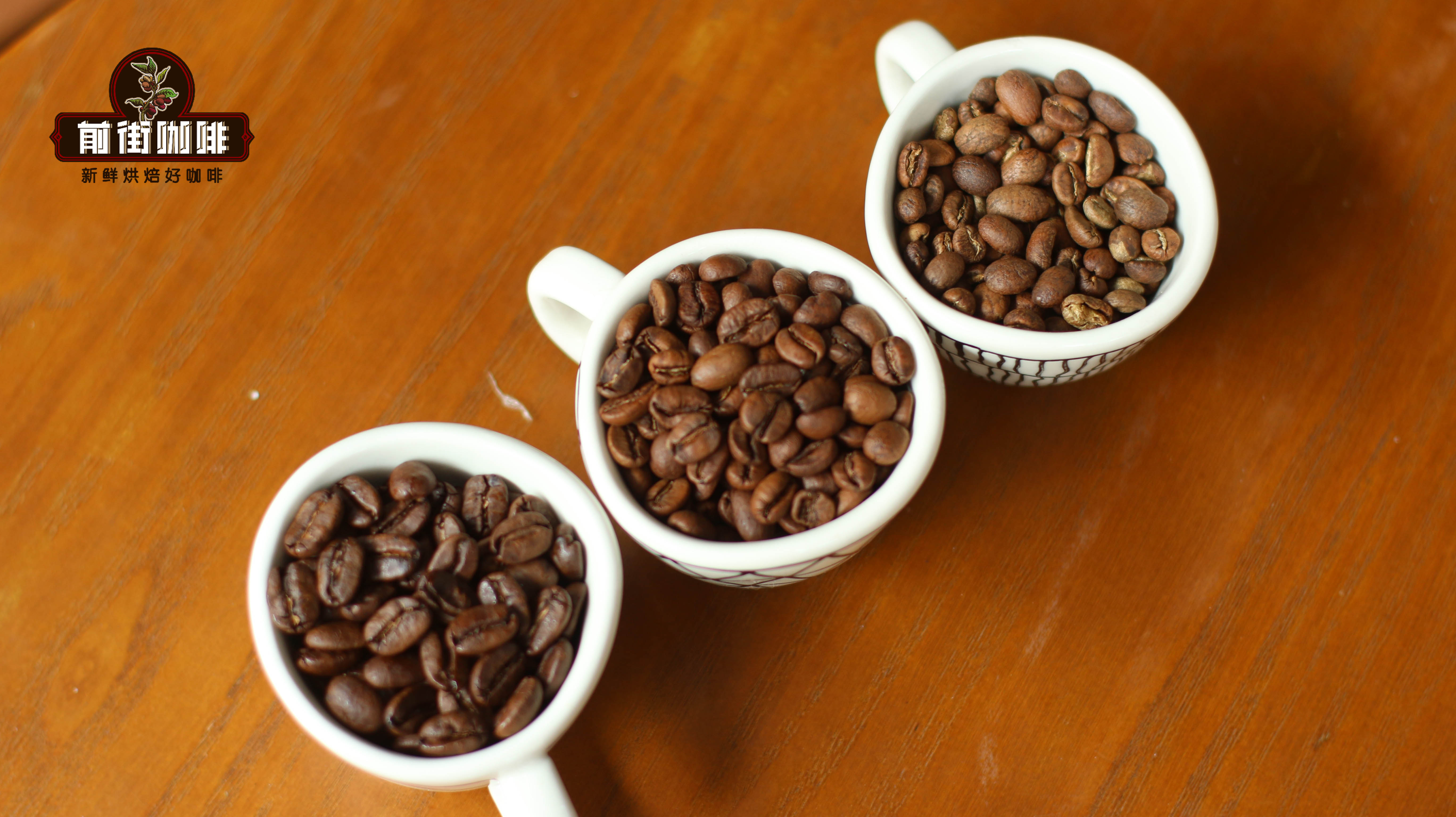
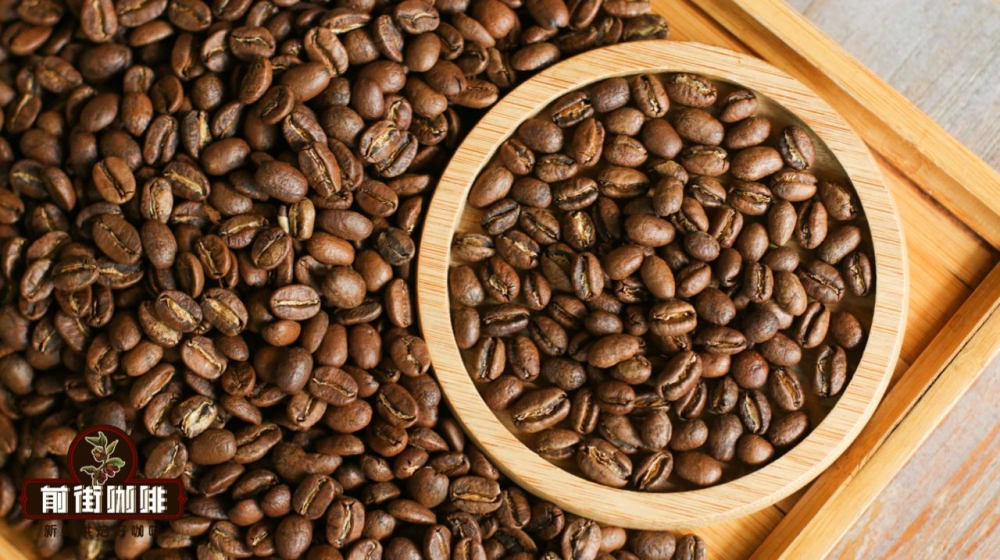
First, the most intuitive way is to use your eyes. Depending on the roast level, coffee beans vary significantly in color, surface texture, and even whether they are oily. Lightly roasted beans are mostly light brown in color, with noticeable surface textures and distinct wrinkles. These beans usually have brighter acidity and are suitable for those who enjoy fruity and fresh flavors. Medium-roasted beans turn to a medium brown color, with a smoother surface, balanced acidity and bitterness, and the beginning of sweetness. As for dark roasted beans, their exterior is almost black, and some may even have an oily sheen. These beans generally have pronounced bitterness, with rich chocolate or caramel flavors.
If you’re unsure how to judge, you can also use taste as an auxiliary method to infer the roast level. Many coffee packages will indicate the bean’s flavor profile—for example, mentioning citrus, peach, berries, and other fruit flavors, which are typically typical characteristics of light to medium roasts. If the flavors are dominated by sweet notes such as caramel, maple, or honey, they are mostly medium roasts. When descriptions include nuts, cocoa, smokiness, or even herbal notes, it is highly likely that the beans are medium-dark or dark roasts. Although this method is not as precise as instruments, it is sufficient as a preliminary reference for general consumers.
To grasp the roast level more accurately, you can refer to the Agtron color value system established by the Specialty Coffee Association of America (SCAA). This system uses an infrared calorimeter to measure the surface color brightness of coffee beans and divides roast levels from light to dark into eight grades, helping the industry and baristas make more consistent judgments.
Below are the eight main roast stages of the SCAA Agtron color values and their corresponding drop times:
• Agtron #95: Light Roast, dropped approximately when the first crack is densely ending
• Agtron #85: Cinnamon Roast, dropped approximately when the first crack has just ended
• Agtron #75: Medium Roast, dropped approximately after the first crack ends
• Agtron #65: High Roast, dropped approximately during the quiet period between the first and second cracks
• Agtron #55: City Roast, dropped approximately when the second crack is just beginning
• Agtron #45: Full City Roast, dropped approximately just before the dense phase of the second crack
• Agtron #35: French Roast, dropped approximately during the dense phase of the second crack
• Agtron #25: Italian Roast, dropped approximately when the beans start to show oil on the surface
For the convenience of general consumers, these eight grades can also be simplified into four major categories: light roasts (such as #95, #85) are characterized by retaining more fruity acidity and floral notes; medium roasts (such as #75, #65) have a balance between sweetness and acidity/bitterness; medium-dark roasts (such as #55, #45) enhance the caramelization of sugars, resulting in richer flavors; dark roasts (such as #35, #25) are mainly defined by intense bitterness and bold body, commonly used in espresso or favored by those who prefer strong flavors.
In summary, judging the roast level of coffee beans can be approached from multiple angles: observing the beans’ color and appearance, inferring from the flavor descriptions on the packaging, or using the SCAA’s Agtron color value system for more precise classification. Whether you are a beginner or already an experienced coffee enthusiast, mastering these techniques will allow you to select and brew beans more confidently, making coffee that better suits your taste.
The above content is compiled by CoffeeHunters, a coffee news website.


