








Introduction:This article delves into the origins and flavor characteristics of Starbucks' classic blend, "Pike Place Roast," while focusing on the Latin American coffee-growing regions—particularly Guatemala's washed processing techniques and regional grading systems. By introducing representative beans from the Huehuetenango and Antigua regions, it guides readers through a comprehensive understanding of Latin American washed coffee, covering varieties, processing methods, roasting, and brewing. It serves as a practical guide for both novice and advanced coffee enthusiasts.
Starbucks’ renowned "Pike Place Roast" is a medium-roast blend based on Latin American coffee beans, known for its flavors of chocolate, nuts, and a smooth, mellow body. Since its launch in 2008, it has become a top choice for many coffee beginners. The creation of this blend stems from Starbucks’ emphasis on the philosophy of "Consistent Brew." The initial formula combined beans from Colombia and Guatemala, and after multiple adjustments, it ultimately achieved a balanced and easy-drinking flavor profile. Its name pays tribute to the first Starbucks store in Seattle’s Pike Place Market.
Overview of Latin American Coffee Regions
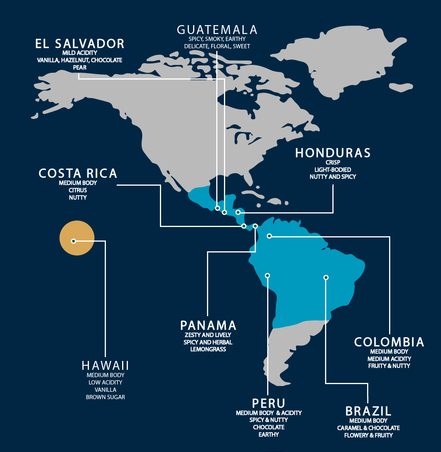
Latin America is one of the world’s three major coffee-producing regions, encompassing the entire American continent south of the United States, stretching from Mexico to the southern tip of South America. The region features diverse terrain, with a climate that is predominantly warm and humid, though microclimates vary significantly with altitude. High-altitude areas typically enjoy cool day-night temperature differences, which are conducive to the accumulation of coffee flavor compounds, thus generally producing higher-quality beans. The majority of coffee from this region is exported to the United States, followed by European and Asian markets.
Guatemala: A Coffee Paradise Nurtured by Volcanoes and Microclimates
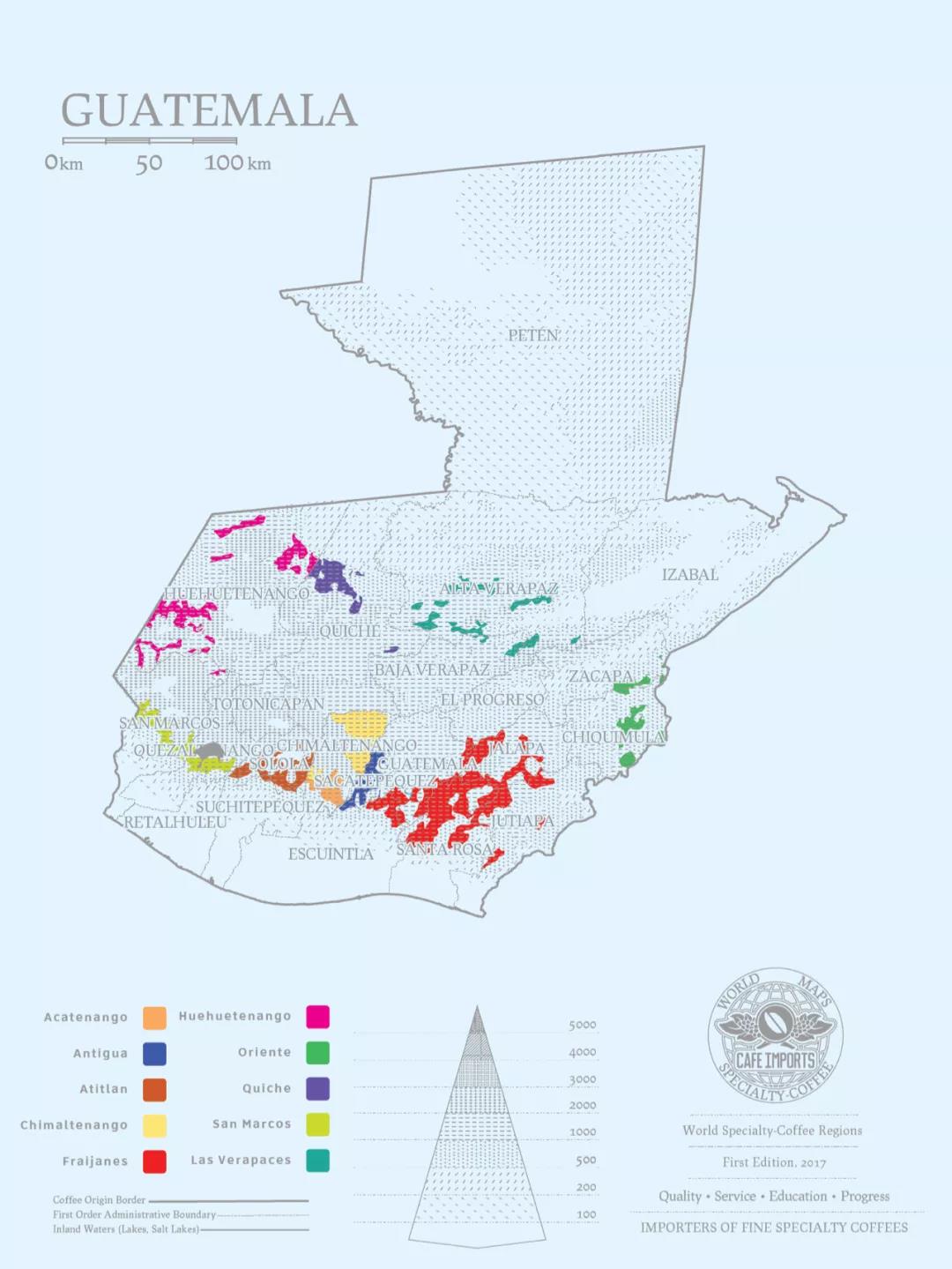
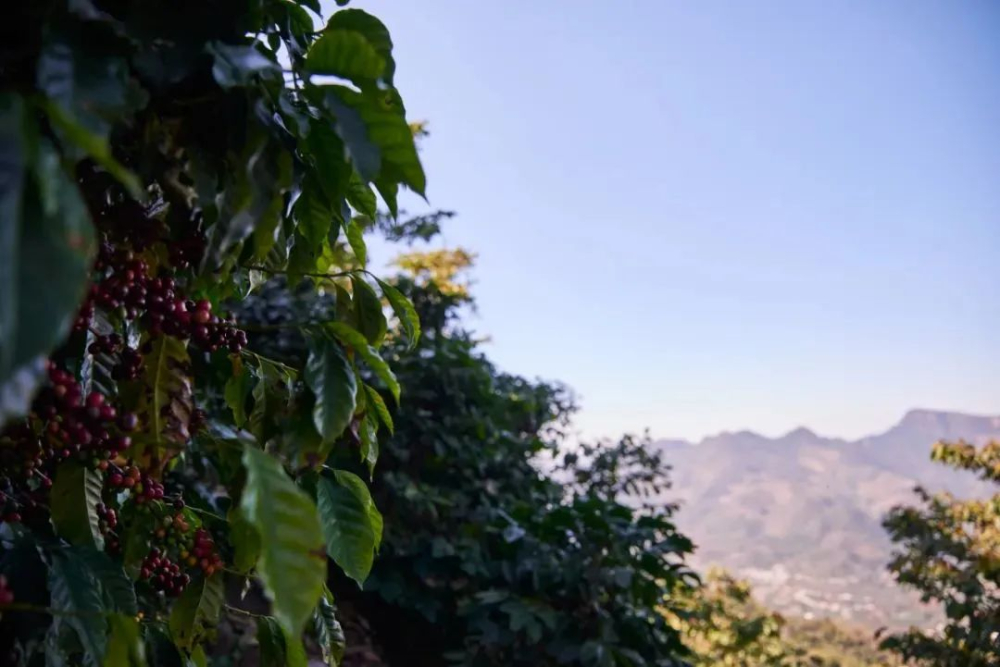
Guatemalan coffee is famed for its rich smoky aroma and juicy mouthfeel. The main cultivated varieties include Bourbon, Typica, Caturra, and Catuaí. The country’s coffee-growing regions are primarily located at elevations above 1,500 meters, featuring active volcanoes, tropical rainforests, and diverse microclimates, all of which contribute to the region’s rich variety of profiles.
The nation is divided into eight major coffee-growing regions, five of which are volcanic: Antigua, Acatenango, Atitlan, Volcanic San Marcos, and Fraijanes; the other three are non-volcanic: Huehuetenango, Coban, and New Oriente. Among these, Antigua and Huehuetenango are the two most renowned regions, not only for their high altitudes but also for their distinctive coffees, thanks to their unique climates and soil conditions.
Guatemala’s Coffee Bean Grading System
Guatemala classifies its coffee beans by cultivation altitude, with higher altitudes yielding denser beans that typically exhibit more concentrated flavors:
• SHB (Strictly Hard Bean, 极硬豆): 1,500–1,700 meters
• HB (Hard Bean, 硬豆): 1,350–1,500 meters
• SH (Semi-Hard Bean, 稍硬豆): 1,200–1,350 meters
• Extra Prime (特优级水洗豆): 1,000–1,200 meters
• Prime (优级水洗豆): 850–1,000 meters
• Good Washed (良质水洗豆): 700–850 meters
Washed Processing Method: Clearly Showcasing Regional Flavors
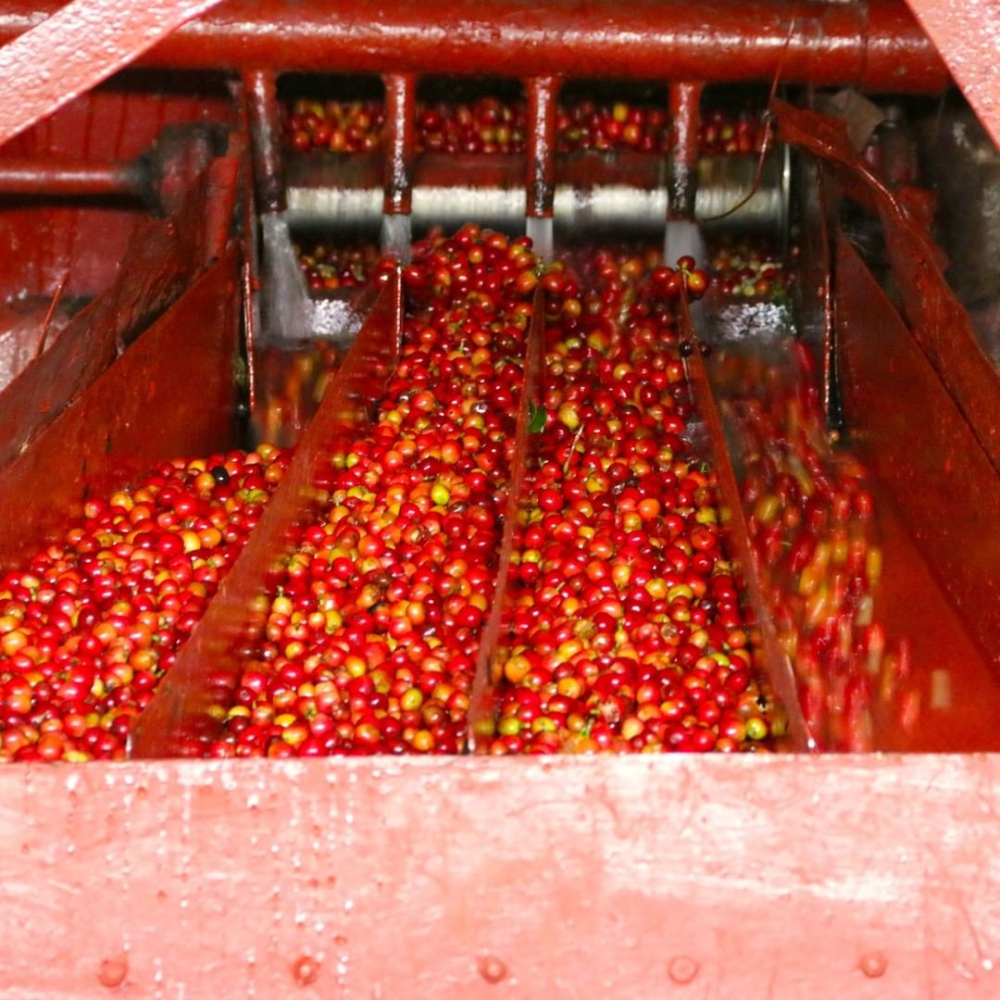
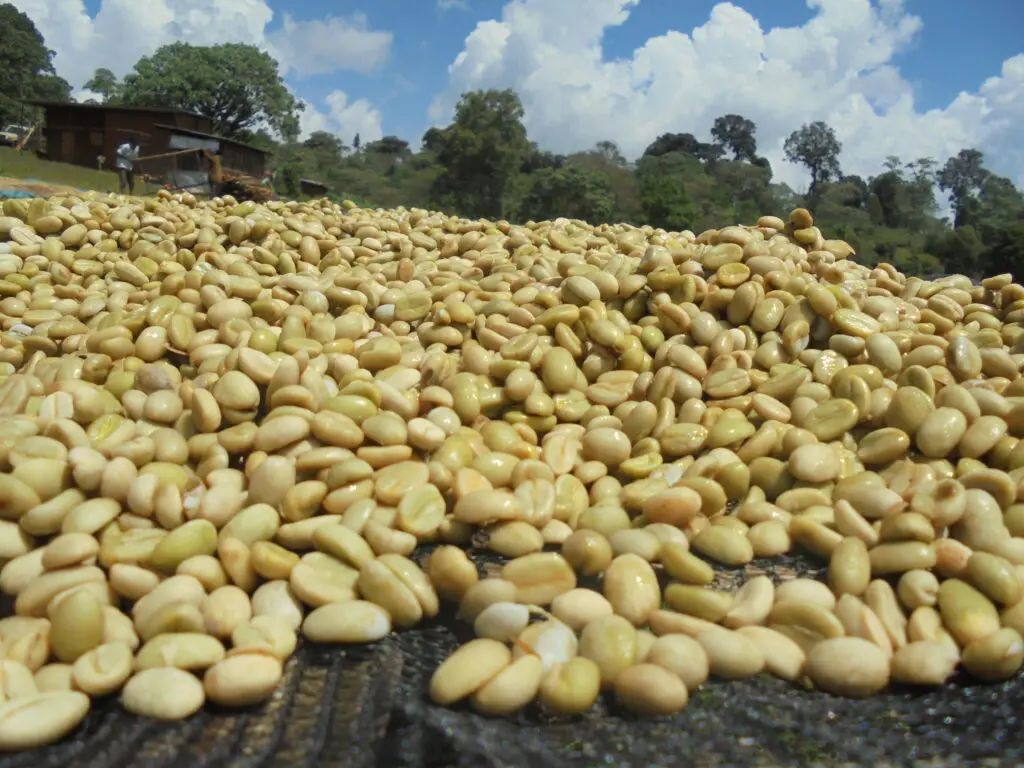
Guatemala primarily employs the washed processing method, which preserves clean, bright foundational flavors and serves as an important entry point for understanding a region’s characteristics. The washed process generally includes: first removing defective and float beans after harvest; then using a pulper to remove the skin and pulp, leaving seeds coated in mucilage; next, fermenting them in tanks for 16 to 36 hours, where microbial action breaks down the mucilage, producing acids like citric and malic that enhance the bean’s acidity; finally, washing and drying the beans to around 12% moisture content. Compared to the natural method, washed beans usually have brighter acidity and a clearer flavor profile, making them ideal for those who prefer a clean, refreshing cup.
Huehuetenango: Highland Fruitiness and Honey Notes
Located in western Guatemala, the Huehuetenango region sits at elevations between 1,500 and 2,000 meters, making it one of the highest coffee-growing areas in the country. Due to its remote location and the influence of warm winds from Mexico, even at high altitudes, frost is rare, allowing the cultivation of coffee with intense flavors and juicy characteristics. Common varieties include Bourbon, Caturra, and Catuaí. Bourbon, a natural mutation of Typica, offers balanced flavors and prominent aromatics; Caturra has a crisp acidity and mild sweetness; Catuaí, a hybrid of Caturra and Mundo Novo, is high-yielding with bright acidity but slightly less body. Cupping samples from this region have revealed that some batches may develop off-flavors if not processed properly, highlighting the importance of quality control and processing techniques.
Antigua Region and the Flower of Coffee Beans
The Antigua region is also celebrated for its high-quality washed beans. Nestled in the central highlands of Guatemala, it boasts fertile volcanic soils and ample rainfall, with a subtropical monsoon climate that contributes to bright acidity and rich fruity notes in its coffee. Lamastus Family Estates’ "La Flor del Café (Flower of Coffee)" is one of the region’s representatives, made from Bourbon and Caturra varieties, processed using the washed method, and graded as SHB. When roasting this bean, a light roast is chosen to enhance its inherent juiciness and fresh acidity. It is best brewed using a pour over method with medium-high water temperature and medium-fine grind to showcase its layered tropical fruit and floral profiles.
Conclusion: From Blends to Single Origins, Exploring the Diversity of Latin American Coffee
Starbucks’ Pike Place blend, based on Latin American beans, showcases the classic flavor profile of the region’s coffee, while Guatemala’s Huehuetenango and Antigua’s Flower of Coffee further demonstrate the nuanced expressions of single-origin, single-process beans. Whether you prefer a balanced, mellow blend or wish to deeply explore the characteristics of a specific region through single-origin beans, Latin American coffee offers a wide array of choices—and is an essential chapter in the journey of every coffee lover.
The above content is compiled by CoffeeHunters, a coffee news website.


