







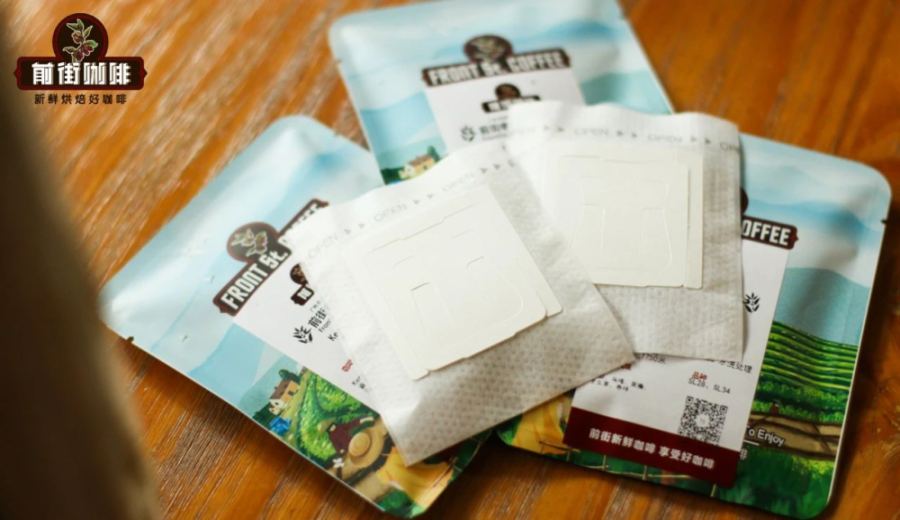
Introduction:Drip bags combine the convenience of pour over with the flavor of specialty coffee, but many wonder if they can be reused. This article delves into the feasibility of second extractions from drip bags, analyzing how factors like grind size and nitrogen packaging affect flavor. Using two popular drip bags—Brazilian semi-washed and Ethiopian washed Yirgacheffe Sidamo—as examples, it provides expert brewing parameters and practical tips to help you unlock the full potential of every pack.
Thanks to their ease of use and pour over-like flavor, drip bags have become a daily choice for many coffee enthusiasts. Yet, many users wonder: can a single drip bag only be brewed once? How does the second brew perform in terms of flavor? This article dissects the core aspects of drip bag production—including grind precision, grinder maintenance, and nitrogen preservation—to explain how these factors shape the final flavor. It also shares professional advice and practical tips using two top-selling seasonal drip bags: Brazilian semi-washed red fruit and Ethiopian washed Yirgacheffe Sidamo Huila, helping you brew a rich, layered cup at home.
Many specialty pour over enthusiasts are deterred by the complexity of equipment setup or the skill barrier. To lower the entry threshold, drip bags offer an ideal alternative. Market offerings span diverse regional flavors, from Yirgacheffe to Brazil, even including special processes like Honduran sherry. Some brands even provide customization—for instance, a customer who tried PWN Golden Mandheling requested a drip bag version, which the shop then produced on the spot. This flexibility meets the coffee needs of various groups.
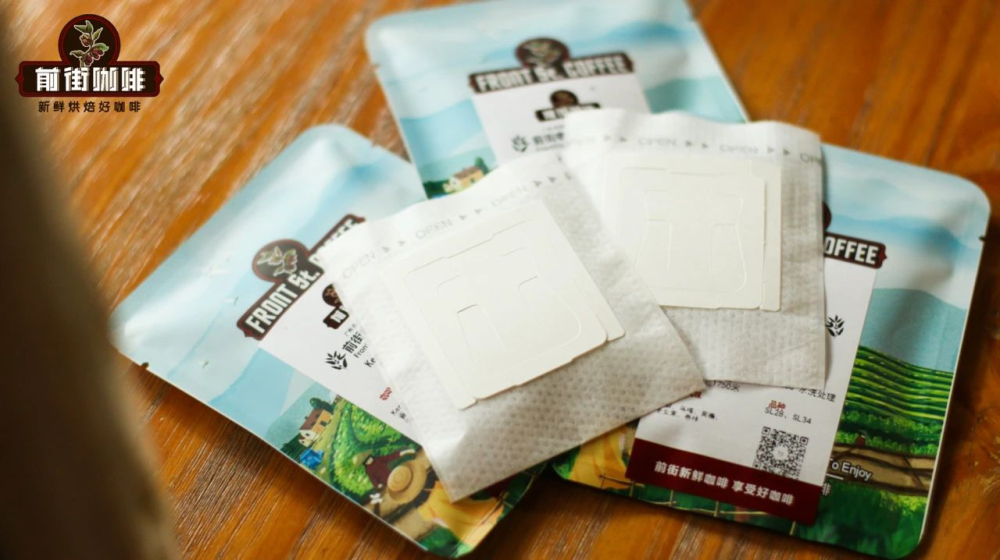
How to choose high-quality drip bags? First, check the production date. Since the coffee grounds inside are sealed after roasting and grinding, freshness greatly impacts flavor. Opt for products closer to the roast date—typically, aroma and taste noticeably decline after two months. Second, product labeling is crucial. Ideal drip bag packaging should clearly state the coffee bean variety, grind size, origin, and roaster information. These details help consumers understand the beans’ characteristics and background.
Compared to instant coffee, drip bags offer multiple advantages: first, they deliver more distinct regional flavor profiles, from bright acidity to rich chocolate notes, satisfying the joy of exploring different regions and processes. Second, drip bags contain no artificial flavors or creamers, making them a healthier choice. Additionally, they’re relatively affordable—just hot water and a cup are needed for brewing, with no complex equipment required, making them convenient for on-the-go enjoyment.
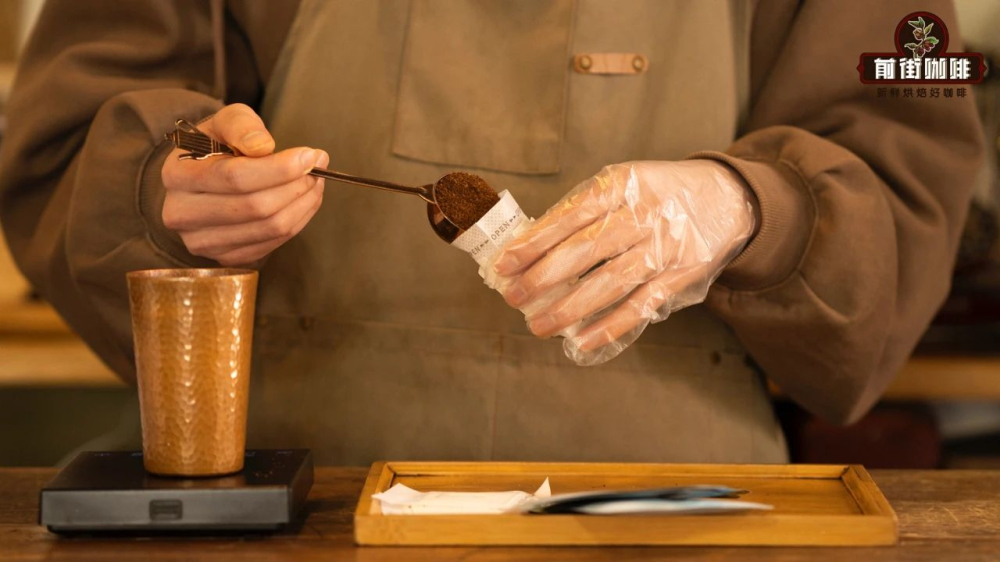
When it comes to drip bag production, grind quality is the key factor determining brewing performance. The right grind size directly affects water flow—too fine causes channeling, prolongs extraction time, and leads to over-extraction and bitter, off-flavors; too coarse results in fast water flow, under-extraction, and thin flavor. Also, grinder cleanliness is critical—residual old coffee oils or fines can contaminate fresh grounds, compromising overall flavor purity. Thus, professional brands typically clean equipment thoroughly before each grind and regularly inspect the grinding system to ensure consistent quality across all packs.
Advanced packaging technology plays a vital role in extending the flavor shelf life of drip bags. Automated packaging machines with nitrogen flushing effectively remove oxygen from the pack, significantly slowing oxidation and preserving coffee flavor longer. Studies show that nitrogen-flushed drip bags can maintain optimal freshness for up to a year—far better than manually packed non-nitrogen bags (usually lasting about a month). This technology is crucial for maintaining the original aroma and layered taste of coffee.
This feature highlights two popular seasonal drip bags: Brazilian semi-washed red fruit and Ethiopian washed Yirgacheffe Sidamo Huila. The former offers noticeable sweetness, subtle lemon aroma, rich nutty tones, and a finish of deep dark chocolate. The latter showcases the diverse flavor profile unique to the Sidamo region—from bright floral notes to fruity acidity, complemented by the unique complexity brought by fermentation.
Exploring the history of Brazilian coffee, this crop was introduced from French Guiana in 1720 and entered Brazil through special channels due to colonial export restrictions. Today, Brazil is not only the world’s largest coffee producer, but its semi-washed process also creates a unique sweet trait—compared to the light dried fruit sweetness of Costa Rican honey process, Brazilian semi-washed offers a richer, thicker chocolate tone. This process removes only part of the mucilage, allowing the beans to slowly ferment during drying, accumulating abundant flavor compounds.
As for Ethiopian washed Yirgacheffe Sidamo Huila, its region lies near the East African Rift Valley in an agricultural hub. Sidamo’s geological and microclimatic diversity gives each area’s coffee distinct characteristics. The washed process involves placing coffee cherries directly on African drying beds or cement floors to evaporate moisture through sunlight and regular turning. Premium beans often use well-aerated drying racks to ensure even pulp drying and preserve more native flavors, ultimately balancing bright acidity and complex aromas beautifully.
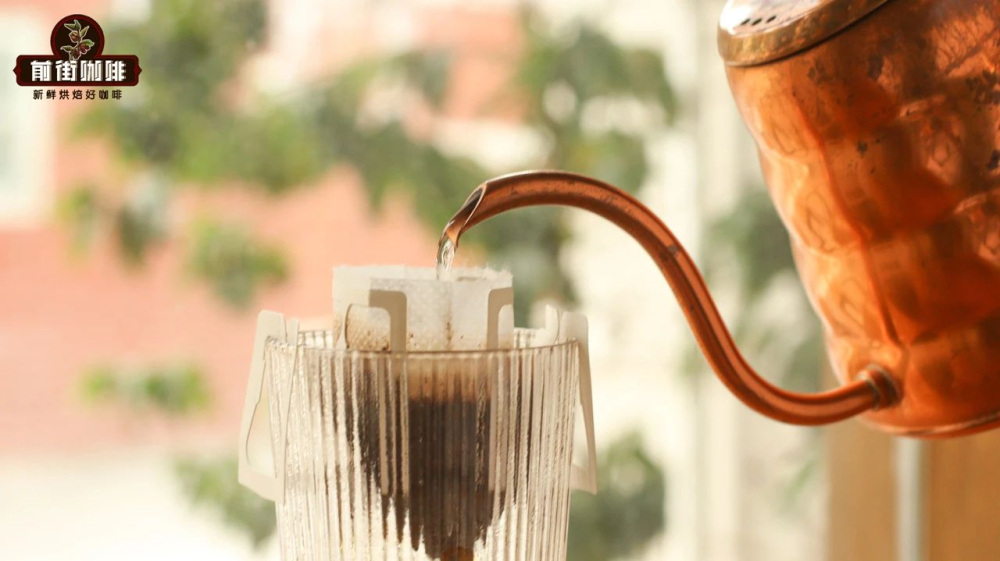
For actual drip bag brewing, take a standard 10g coffee dose as an example: first, tear open the pack, unfold the “ears” on both sides, and securely place them on the cup rim (choose a container with an 8-9cm diameter rim to avoid instability). Brewing parameters: water temp around 90°C, start by pouring hot water equal to the coffee dose for a 30-second bloom (to activate the grounds), then pour in small circles to reach the desired volume (e.g., fill a 300ml glass cup about 70% full). Maintain steady water flow and even extraction throughout to avoid localized over- or under-extraction.
Addressing the common question “Can I brew it twice?” Practical experience shows the first brew extracts most soluble flavor compounds. The remaining grounds can be re-brewed, but the resulting liquid is often weak and flavorless. Thus, it’s best to make the most of the first brew’s golden window—by precisely controlling water temperature, pouring technique, and timing—to fully realize each drip bag’s potential. This approach is not only cost-effective but also ensures every cup is the best possible drinking experience.
The above content is compiled by CoffeeHunters, a coffee news website.


