







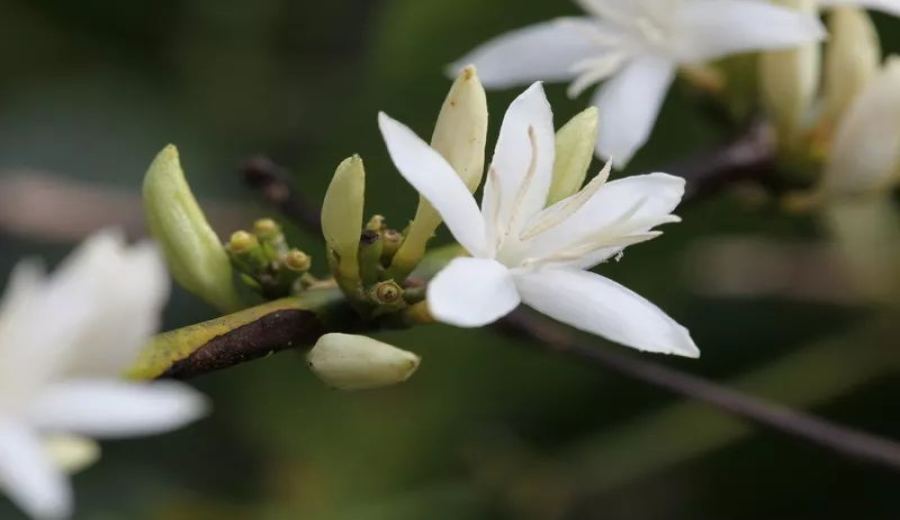
Introduction:The Donkey Estate and the Mule Estate in Panama’s Boquete region not only share similar names, but also belong to the same renowned coffee-growing area and are both celebrated for their Geisha coffees. However, these two animal-named estates differ greatly in their histories, terrains, and cultivation strategies. This article delves into their family backgrounds, altitude microclimates, planted varieties, and processing methods, offering a professional perspective on their unique flavor profiles — an essential guide for anyone looking to deeply understand Panama’s high-altitude Geisha.
Hidden within Panama’s Boquete region are two top-tier Geisha estates named after animals — El Burro Estate (Donkey Estate) and Finca La Mula (Mule Estate). Though their names are similar and both are located in Chiriquí Province, surrounded by the Barú Volcano, their historical roots, cultivation strategies, and flavor characteristics are vastly different. Understanding them better can help coffee enthusiasts more accurately grasp the story and potential behind each Geisha when tasting or purchasing.
The Critical Influence of Geography and Microclimate
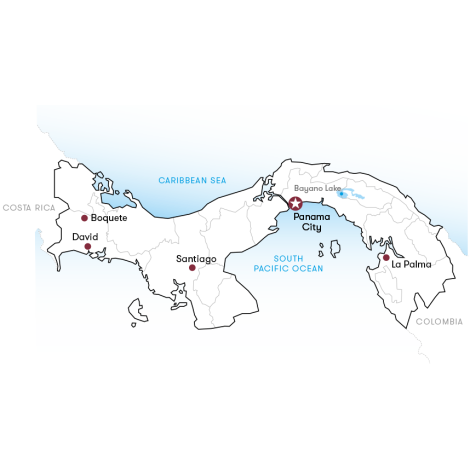
Panama’s specialty coffee is primarily produced in the western Chiriquí Province, especially on the slopes surrounding the Barú Volcano, covering the two well-known sub-regions of Boquete and Volcán. Although the straight-line distance between the two is only about 22 kilometers, the winding mountain roads often mean a travel time of over an hour and a half. Boquete is a long, narrow valley nestled between the Barú Volcano and the Jalapeño Mountain, enjoying a cool and pleasant climate year-round, especially during the dry season when the distinct day-night temperature variation and moderate rainfall, along withaltitudes generally exceeding 1,500 meters, provide an ideal growing environment for premium Arabica varieties such as Geisha.
The microclimate of this region is also influenced by the convergence of airflow from the Caribbean Sea and the Pacific Ocean. Especially at altitudes above 6,500 feet (approximately 1,980 meters), the convergence of airflows brings more precipitation and temperature fluctuations, allowing coffee cherries to accumulate richer aromatic compounds.
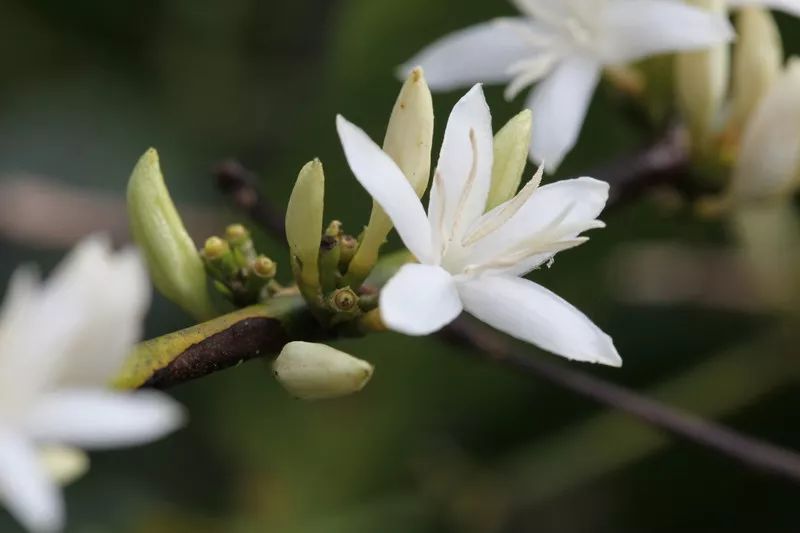
El Burro Estate (Donkey Estate): The Commitment of a Four-Generation Family
Located in the southernmost part of Panama, El Burro Estate is one of the three estates owned by the Lamastus family. The Lamastus family has been deeply involved in coffee cultivation since 1918 and has now passed into the fourth generation. The estate’s name, El Burro (Spanish for donkey), is said to originate from its history of being used for livestock in the early days, though there is no official record to confirm this. The estate was originally held by Amado Boutet, the father-in-law of Thatcher Lamastus, until it was taken over and revitalized by his grandson Wilford Lamastus after 1925.
Currently, the Donkey Estate spans a total area of 65 hectares, but due to some land being designated as part of the Barú Volcano National Park, only about 30 hectares are actually used for coffee cultivation. The rest remains pristine forest and has long maintained a no-hunting policy, resulting in extremely high biodiversity. Its main planted varieties are Geisha and Catuai, grown at elevations ranging from 1,575 to 1,800 meters, averaging around 1,675 meters — a classic high-altitude microclimate planting environment.
The significant day-night temperature variation brought by the high altitude, along with fertile volcanic ash soil and frequent morning fog, slows down the ripening process of the coffee cherries, typically delaying it by about a month compared to lower-altitude regions. This slow maturation process helps the beans accumulate richer sugars and aromatic compounds. According to practical tests, the medium-light roasted Donkey Estate natural-process Geisha often exhibits a gentle acidity reminiscent of green grapes and apricots, paired with a rich sweetness of oranges and dried longan, while also revealing delicate floral notes and subtle fermentation layers. When the temperature drops, the orange aroma and sweetness become even more pronounced, making it an excellent choice for pour over enthusiasts looking to explore high-altitude natural-process flavors.
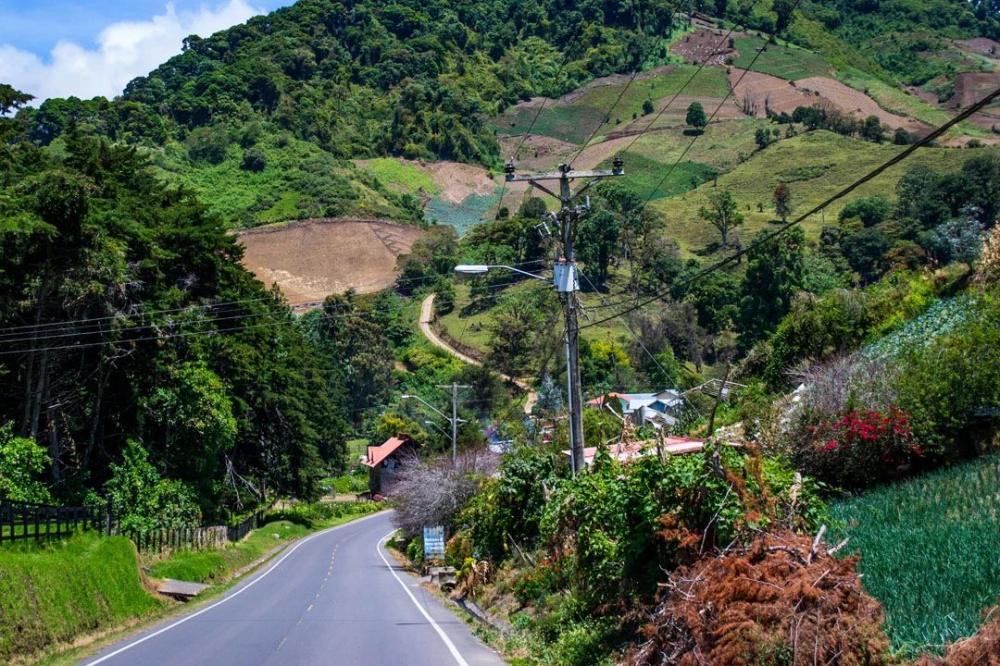
Finca La Mula (Mule Estate): The Geisha Journey from Judge to Grower
In contrast to the Donkey Estate, the story behind the Mule Estate is more personal. In 2004, Willem Boot, a Dutch coffee judge at the time, was deeply captivated by the refined orange blossom and honey-like finish of Panama Geisha upon first tasting it, which sparked his dream of creating his own Geisha farm.
Born in Baarn, Netherlands, Willem Boot developed an interest in coffee from a young age and roasted his first batch of coffee at the age of 14. After earning a Master’s degree in Business Economics from the University of Amsterdam, he worked at Probat and founded the Boot Coffee consultancy in 1998. In 2016, he established the Boot Coffee Campus, nurturing numerous coffee professionals. By chance, through an introduction by Panamanian farm owner Graciano Cruz, he discovered this untouched slope at the foot of the Barú Volcano, situated at an altitude of 1,700 to 1,800 meters, and officially purchased it in 2005, naming it Finca La Mula — after the mule he rode during his first exploration.
Due to its remote location, there were no accessible roads during the initial clearing phase, so all Geisha seedlings had to be carried manually and planted step by step along rugged paths. It wasn’t until 2007 that he managed to plant over 6,000 Geisha plants on just 5 hectares of sloping land. Today, although Willem Boot owns three estates, it is the smallest — the Mule Estate — that stands out due to its exceptional growing conditions and meticulous management. Since competing in 2014, it has repeatedly received recognition in domestic and international competitions and is considered a dream coffee by many Geisha aficionados.
Conclusion: How to Distinguish and Appreciate the Geishas from These Two Animal Estates
In summary, although both the Donkey Estate and the Mule Estate are located on Panama’s high-altitude volcanic slopes and share similar climatic and geographical conditions, they differ in their historical backgrounds, cultivation areas, development processes, and market positioning. The former is operated by the century-old Lamastus coffee family, emphasizing natural sustainability and stable production; the latter stems from the personal passion of an international coffee expert, excelling in ultimate quality and competition performance.
If you are a pour over enthusiast, it is recommended to try both the natural and washed process Geishas from each estate, paying attention to their acidity structure, sweetness layers, and aroma development — from green grape and apricot to orange blossom and honey, each Geisha is a subtle interplay of altitude, variety, and processing method, and serves as the best entry point for understanding the essence of Panama’s specialty coffee.
The above content is compiled by CoffeeHunters, a coffee news website.


