







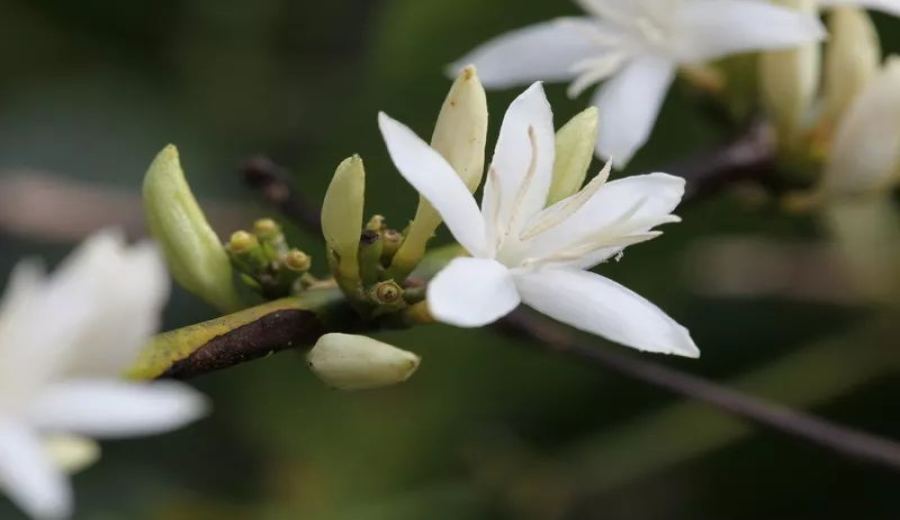
Introduction:Panama’s Boquete region is renowned for its Geisha coffee, and among the many esteemed farms, El Burro (Donkey Estate) and La Mula (Mule Estate)—two estates with deceptively similar names—are true treasures in the hearts of coffee enthusiasts. This article delves into their historical backgrounds, microclimates, altitudes, varietal characteristics, and explores how different processing methods influence their flavor profiles, helping you discover your own coffee preferences.
Within Panama’s specialty coffee landscape, the Boquete region is undoubtedly one of the brightest stars. It has not only produced multiple championship-winning estates in international competitions but also serves as the golden growing belt for Geisha coffee, thanks to its high elevation and unique volcanic soils. Among them, El Burro and La Mula—two estates with strikingly similar Chinese translations—are often confused. However, their respective stories, terroir conditions, and the flavor characteristics of their coffees are distinctly unique and well worth exploring in depth.
Boquete is located in the Chiriquí Province of western Panama, nestled at the foot of the Volcán Barú. It is a long, narrow valley stretching from north to south. The area boasts a pleasant climate and, situated at the crossroads of Caribbean and Pacific air currents, enjoys a diverse and ideal microclimate. Especially in areas above 6,500 feet (approximately 1,980 meters), the significant day-night temperature variation, along with fertile volcanic soils, allows coffee cherries to accumulate richer aromatic and flavor compounds.
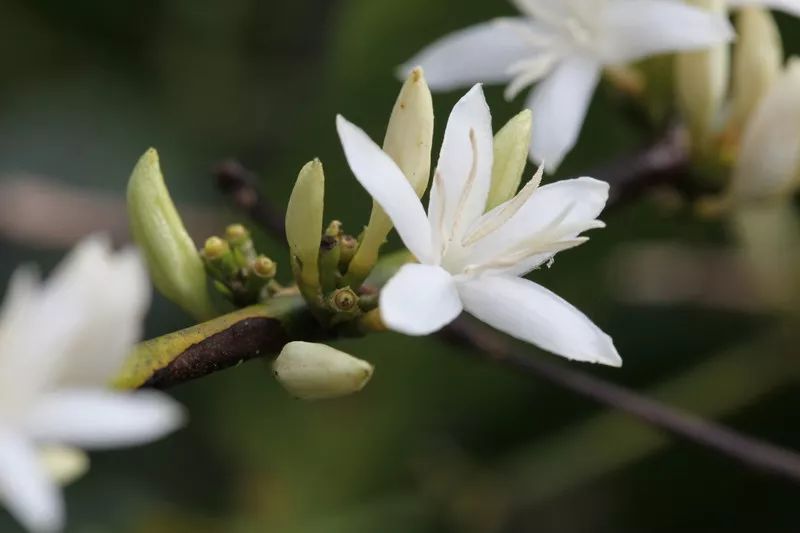
Among the many top-tier coffee estates in the region, El Burro belongs to the Lamastus family, which has a history of over a century and is one of their three well-known estates. Established in 1925, the estate is located southwest of the famous Elida Estate and is one of the southernmost coffee-growing areas in Panama. The estate spans a total of 65 hectares, but due to part of the land being within the boundaries of the Volcán Barú National Park, only about 30 hectares are currently used for coffee cultivation, with the rest preserved as pristine forest, boasting exceptional biodiversity.
The name El Burro is said to originate from the area’s past use for livestock grazing, hence the name “donkey.” It is now managed by the fourth generation of the Lamastus family and primarily grows Geisha and Catuai varieties, each accounting for roughly half. The planting altitude ranges between 1,575 to 1,800 meters, with an average of about 1,675 meters. Such high altitudes, combined with significant day-night temperature differences and frequent fog, result in slow coffee tree growth—typically taking four and a half to five and a half years before fruiting—but this also allows the beans to develop more robust flavors.
In terms of processing, El Burro’s natural-processed Geisha has garnered significant attention in recent years. With a medium-light roast, it often exhibits bright acidity reminiscent of green grapes and apricots, paired with the sweetness of oranges and dried longan, along with subtle floral notes and mild fermentation aromas. As the cup cools, the citrusy sweet-and-sour characteristics become even more pronounced, delivering a balanced and layered profile overall, making it highly appealing to coffee lovers who enjoy a harmonious balance of fruitiness and sweetness.
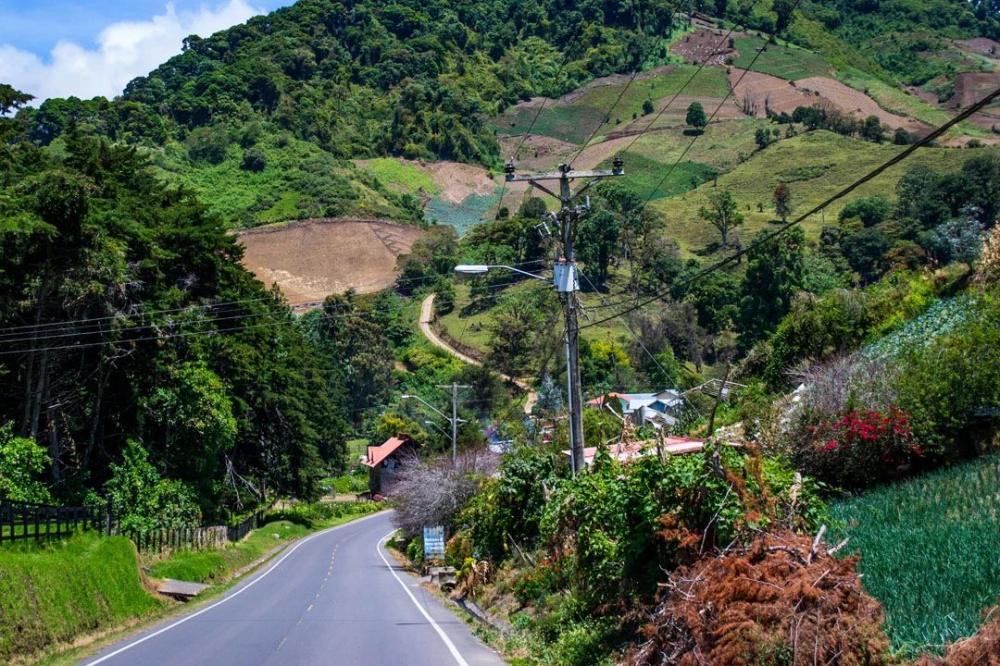
Compared to the historically rich El Burro, the founding of La Mula is closely tied to the rise of Geisha’s international acclaim. The story goes back to 2004 when Willem Boot, an international coffee judge from the Netherlands, was captivated by the refined orange blossom and honey-like aftertaste of Geisha upon his first tasting, which inspired him to create a dedicated Geisha estate.
Willem Boot is not only a seasoned coffee expert but is also regarded as the “Godfather of Geisha” in the industry. He has accumulated extensive experience in coffee trade and consulting in the Netherlands, the United States, and elsewhere, and founded Boot Coffee and Boot Coffee Campus, where he has long been committed to coffee education and quality improvement. Introduced by a Panamanian friend, he selected this high-altitude mountainous area near the Volcán Barú, ranging from approximately 1,700 to 1,800 meters in elevation, and purchased the land to establish the estate in 2005. It was named “La Mula” (Mule Estate or Finca La Mula) because he initially accessed the site by riding a mule during his first survey.
La Mula Estate covers a modest total area of just 5 hectares, but it is remarkably comprehensive despite its small size. Starting in 2007, Willem and his team personally planted over 6,000 Geisha coffee seedlings here, transporting all the saplings manually across rugged mountain paths, demonstrating extraordinary patience and dedication to quality. The planting area features soils rich in organic matter and minerals, coupled with notable day-night temperature variations and high altitude conditions, giving the Geisha grown here exceptional finesse and a uniquely layered aroma profile.
Since its first competition entry in 2014, La Mula has consistently won numerous domestic and international awards thanks to the outstanding quality of its green beans, earning its reputation as a premium estate beloved by Geisha enthusiasts. Its Geisha offerings commonly feature washed and natural processing methods. The washed version typically showcases bright, clean acidity with notes of lemon and jasmine, while the natural version exudes intense tropical fruit aromas such as mango and passionfruit, with prominent sweetness and a long-lasting finish. The flavor differences brought by various processing methods also add to the exploration pleasure for coffee aficionados.
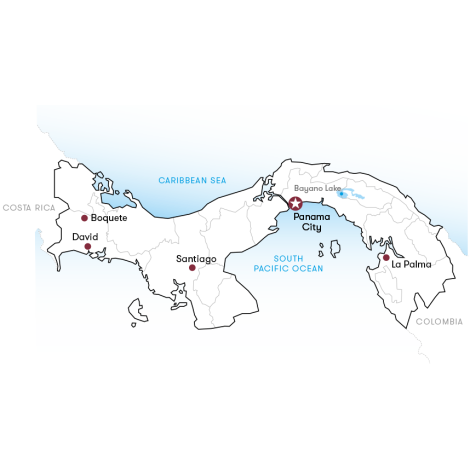
In summary, although El Burro and La Mula are often confused in the Chinese-speaking world due to their similar names, they each exhibit unique characteristics in terms of regional location, historical background, varietal composition, planting altitude, and final flavor expression. If you’re a coffee lover who enjoys a combination of fruity and sweet notes, you might want to start with El Burro’s natural-processed Geisha; if you prefer bright, clean, and delicately layered flavors, La Mula’s Geisha is equally worthy of careful appreciation.
No matter which one you choose, gaining a deeper understanding of their regional terroir and cultivation details will allow you to better appreciate the story and natural gifts behind every sip. This is precisely what makes specialty coffee so captivating—from origin to cup, every step is infused with countless layers of care and detail.
The above content is compiled by CoffeeHunters, a coffee news website.


