








Introduction:Gain an in-depth understanding of the core knowledge behind coffee blends—from bean variety characteristics and regional flavor differences to roasting strategies for pre-blend and post-blend blending. This article systematically explains the purpose of blending, common principles, and common misconceptions, and through classic blend cases, helps readers develop a professional blending mindset and flavor judgment ability.
Blending coffee is not just about mixing beans from different origins—it is an art that combines science and sensory experience. Its goals are diverse: it may aim to stabilize flavor expression, create unique taste profiles, or even overcome the flavor limitations of single-origin beans. Whether for commercial use or for home-roasting enthusiasts, mastering blending techniques can significantly enhance the overall quality and complexity of coffee.
Before starting to blend, it’s essential to first understand the basic characteristics of various coffee beans. Each type of coffee bean presents a distinctly different flavor profile due to its origin, variety, processing method, and roast level. Some beans have bright acidity, while others are deep and mellow; some highlight fruity notes, while others excel at showcasing nutty and chocolatey flavors. The essence of blending is to combine these uniquely featured beans to create a complexity and balance that a single-origin bean alone cannot achieve.

Common blending methods can be divided into two main types: “pre-blend” (生拼) and “post-blend” (熟拼). Pre-blend refers to mixing green beans from different regions or processing methods before roasting, then applying a unified roasting curve. The advantage of this method is that it ensures roasting consistency, but it requires that the beans being blended do not differ too much in hardness, density, or moisture content; otherwise, uneven roasting may occur. In contrast, post-blend involves roasting each type of coffee bean individually to its optimal state based on its characteristics, then blending them afterward. This approach better brings out the potential of each bean but demands more time and effort for cupping and adjustments.
Regardless of which method you choose, the key to blending always lies in having a "clear objective." Before actually blending, it’s recommended to clarify the desired flavor profile: Do you want bright and lively acidity? A rich and full body? Or perhaps a wine-like aroma with special fermentation notes and chocolate undertones? Only by setting a clear direction can subsequent bean selection and ratio adjustments be well-founded.
When selecting beans for blending, it’s advised to evaluate from three aspects: green bean processing method, origin characteristics, and roasting suitability. Processing methods such as washed, natural, or honey processing significantly influence the bean’s cleanliness, sweetness, and acidity. The origin relates to regional terroir—for example, beans from Central and South America often feature nutty and chocolatey tones, while African beans tend to exhibit citrus, berry, and other fruity qualities. Additionally, different varieties respond differently to roast levels, so roasting goals should also be considered during selection.
More beans in a blend doesn’t necessarily mean better. In practice, it’s recommended to limit the number of coffee beans to between 2 and 6 to avoid overly complex flavors that lose focus. Each bean in the blend should play a specific role—such as providing acidity, increasing sweetness, enhancing body, or balancing overall flavors. At the same time, the proportion allocation must be carefully considered. Typically, one or two beans will serve as the main notes, while the rest act as supporting roles, avoiding scenarios where a certain flavor dominates excessively or various tastes cancel each other out.
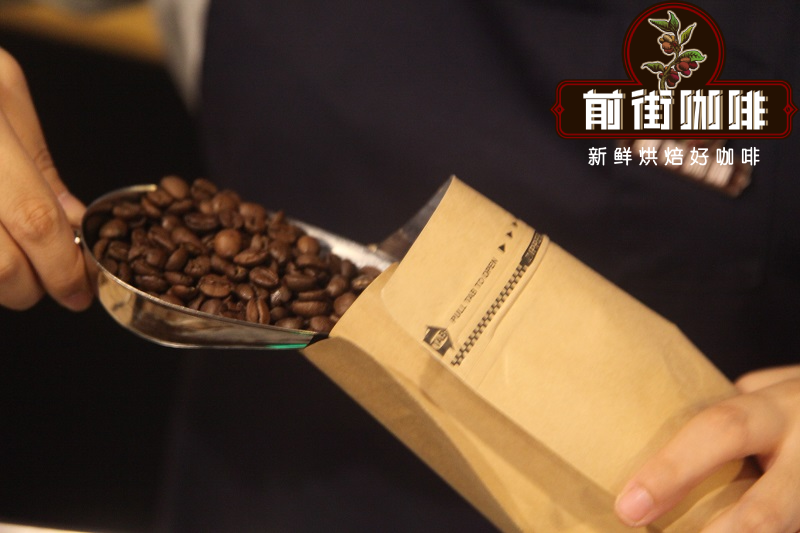
Many beginners often mistakenly think that blending is just about randomly combining a few beans, but in reality, it’s more like crafting an exquisite cocktail, requiring constant experimentation and adjustments. It’s recommended to plan your blend in advance, record the varieties, proportions, and roast levels used each time, and gather flavor feedback through cupping to gradually approach your ideal taste profile. Such a systematic experiment not only builds experience but also helps establish your own unique blending style.
It’s worth noting that even when using the same bean varieties, the final flavor direction of the blend may vary greatly if the roast levels differ. Dark roasts typically emphasize caramel, chocolate, and nutty tones, making them suitable for creating bold and intense blends. Light to medium roasts, on the other hand, preserve more acidity and floral-fruity notes, ideal for showcasing fresh and vibrant flavor profiles. Therefore, even the same blend recipe can be adapted into different versions by slightly adjusting the roast levels to meet diverse consumer preferences.
Finally, the charm of blended coffee lies in its flexibility and creativity. Whether aiming to balance the stability of everyday brewing or to craft a signature flavor with distinct identity, as long as you grasp the basic principles and practical methods, you can gradually realize your ideal coffee vision. Through continuous experimentation and tasting, blending not only enhances the overall quality of coffee but also offers drinkers a deeper and more satisfying flavor experience.

The above content is compiled by CoffeeHunters, a coffee news website.


