








Introduction:The French press and Moka pot are two common brewing tools for home use. Though simple to operate, each offers unique characteristics. This article provides an in-depth comparison of their extraction principles, suitable coffee bean types, and flavor profiles. It also details the grind size, coffee-to-water ratio, and steeping techniques for the French press, as well as water control, heat management, and coffee extraction timing for the Moka pot. Whether you prefer the bold and rich flavors of espresso-style coffee or seek a smooth and sweet immersion brew, you’ll find suitable brewing methods and practical advice here.
Both the French press and Moka pot are classic home brewing tools that not only have a low barrier to entry but can also highlight the unique flavors of coffee. However, they differ significantly in brewing method, suitable bean types, and final mouthfeel. This article will thoroughly analyze the features of these two devices and provide specific brewing steps and key parameters to help coffee enthusiasts choose the most suitable brewing method based on personal preference.
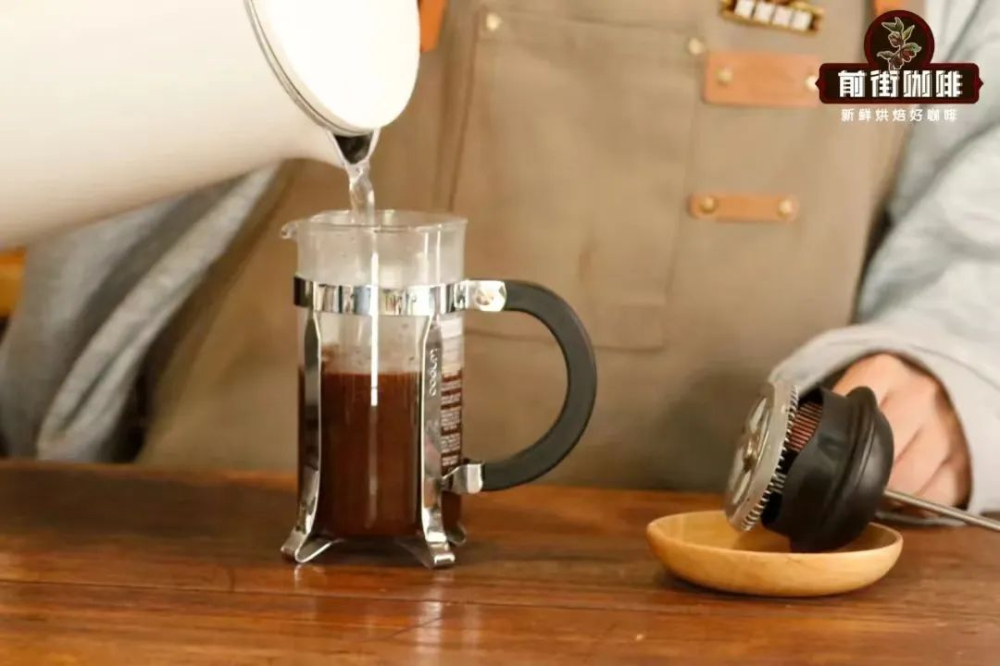
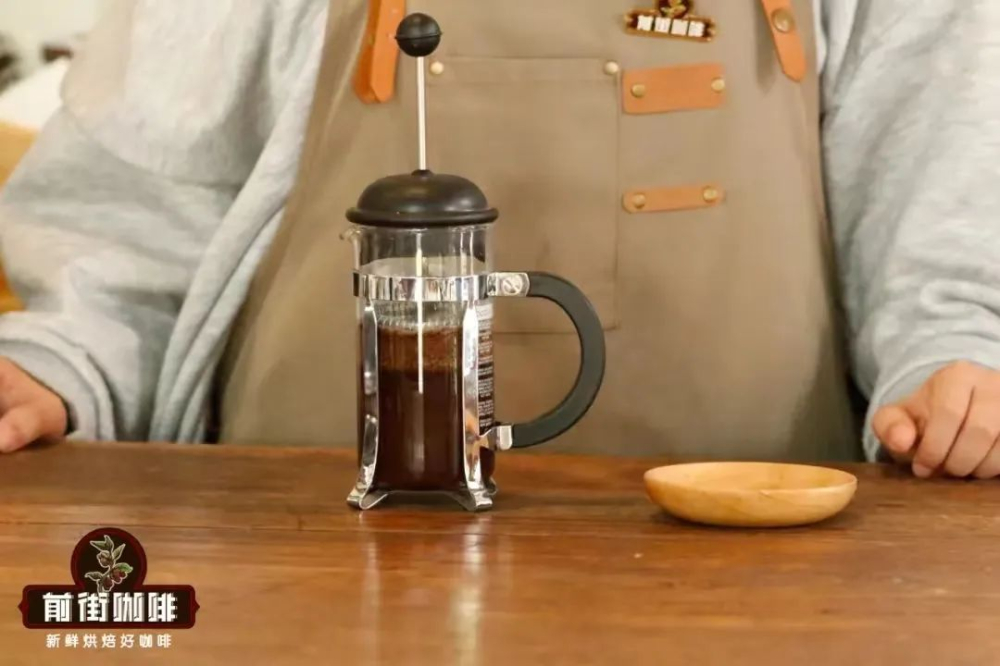
The French press, also known as a French press filter (French Press), dates back to around 1850 in France and primarily consists of a heat-resistant glass carafe and a metal mesh plunger. This design allows the coffee grounds to fully steep in hot water, and the grounds are eventually separated from the liquid by pressing down the filter. Its extraction method is similar to cupping, fully releasing the coffee’s oils, aromas, and layers of sweetness, resulting in a smooth and rich mouthfeel.

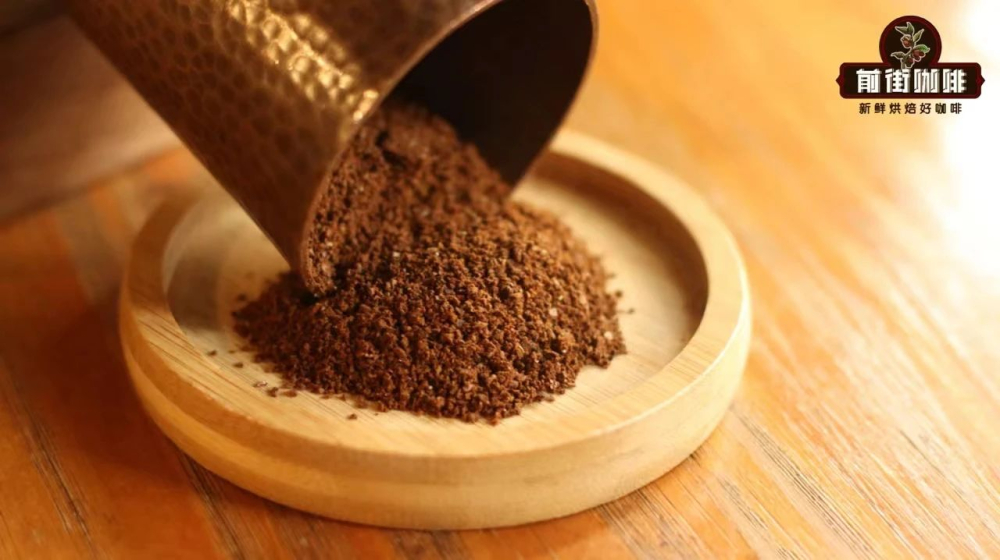
When using a French press, it is recommended to choose single-origin beans with pronounced fruity acidity or medium to dark roasts. The grind size should be medium-coarse, roughly around level 5–6, similar to the coarseness used in island-style pour over, with a sieve percentage of about 65–70%. If ground too fine, it can lead to over-extraction, and coffee particles may pass through the filter, affecting clarity. For a two-person serving, you can start with a 1:10 coffee-to-water ratio, such as 20 grams of coffee beans to 200 milliliters of hot water. The steeping time is recommended to be 3–4 minutes. The longer the time, the richer the flavor, but it may also increase acidity, so adjust according to personal taste.
In terms of specific operation, first grind an appropriate amount of coffee beans to a medium-coarse level and pour them into a preheated French press. Then heat the water to about 93°C, pour it over the coffee grounds, and gently stir with a spoon to ensure the grounds are evenly saturated. Next, cover the press with the lid, keeping the filter at the highest position, and let it steep for about 4 minutes. Before pressing down, you can skim off any foam and fine particles, then slowly and steadily press the filter to the bottom. It is recommended to immediately pour the coffee into an insulated container to avoid over-steeping. Additionally, it is advised to use an electronic scale to precisely control the ratio and opt for soft or filtered water to enhance extraction quality. Be gentle when pressing to avoid harsh movements that can release bitterness. If you want to make a milk coffee, you can also use the French press to froth milk for a smoother texture.

On the other hand, the Moka pot is a device that uses steam pressure for extraction and consists of three parts: the lower chamber, the filter basket, and the upper chamber. The lower chamber holds water, the filter basket contains finely ground coffee, and the upper chamber collects the finished brewed coffee. Its working principle is to use the pressure generated by heating the lower chamber to push water upward through the coffee grounds, which then gathers in the upper chamber to form a strong coffee.
Coffee brewed with a Moka pot is usually quite strong. It is recommended to use dark roast beans, such as those from Brazil’s Queen Estate, to enhance the bold and rich flavors. During operation, first pour pure water into the lower chamber, ensuring the water level is about 0.5 centimeters below the safety valve. The coffee grounds should be ground slightly coarser than espresso but fine enough not to fall through the filter basket’s holes—adjust based on the size of the filter basket’s gaps. After filling the coffee grounds into the basket, gently tamp them into a small mound shape, then place the basket into the lower chamber and securely screw the upper and lower chambers together.
Place the assembled Moka pot on an electric stove and heat it over high heat. When you hear a distinct “wuu wuu” sound, it indicates that pressure is starting to build. At this point, switch to low heat and open the upper chamber’s lid to observe. Once the coffee has risen to about halfway up the upper chamber, turn off the heat and let the residual heat push the remaining coffee into the upper chamber. Once all the coffee has been extracted, you can pour it into a cup to enjoy. This method produces not only strong coffee but sometimes even a bit of crema, and you can adjust the flavor to your liking by adding water or milk.

The above content is compiled by CoffeeHunters, a coffee news website.


