







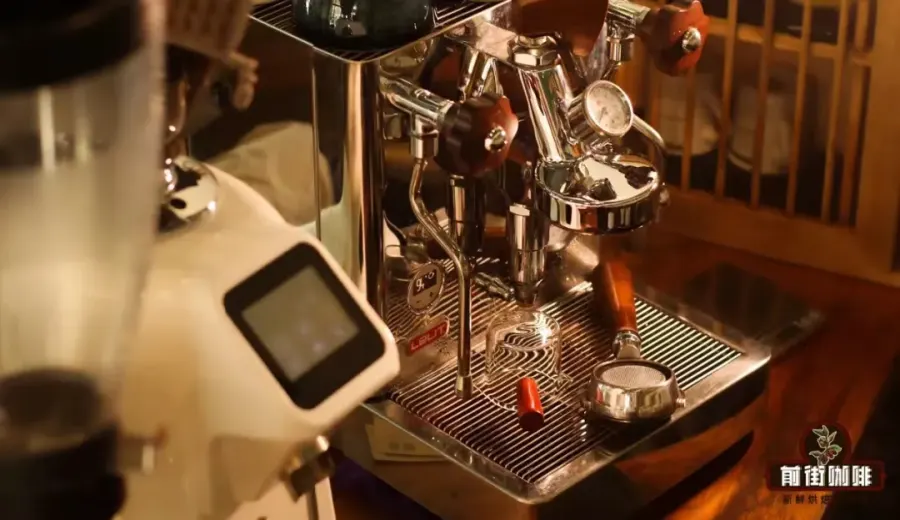
Introduction:Want to enjoy professional-grade espresso at home but unsure which machine to choose? This article delves into the core differences between semi-automatic and fully automatic coffee machines—from operation processes, flavor control, to cleaning and maintenance—to help you master the key techniques of manual extraction. Whether you’re a beginner or a seasoned connoisseur seeking precise control, you’ll find the right equipment and practical advice tailored to your needs.
As specialty coffee culture becomes more widespread, an increasing number of coffee enthusiasts are creating their own dedicated coffee corners at home. Faced with the overwhelming variety of machines on the market, the choice between semi-automatic and fully automatic coffee machines often causes hesitation. This article will detail the operational logic of semi-automatic coffee machines, analyze the essence of crafting handmade espresso, and compare the characteristics of both machine types to help you make an informed decision based on your actual needs.
A so-called semi-automatic coffee machine refers to a professional device where the user is involved in the entire extraction process.From adjusting the grind size of coffee beans, controlling the dosage, to managing the tamp firmness and extraction time, every step directly impacts the final flavor profile.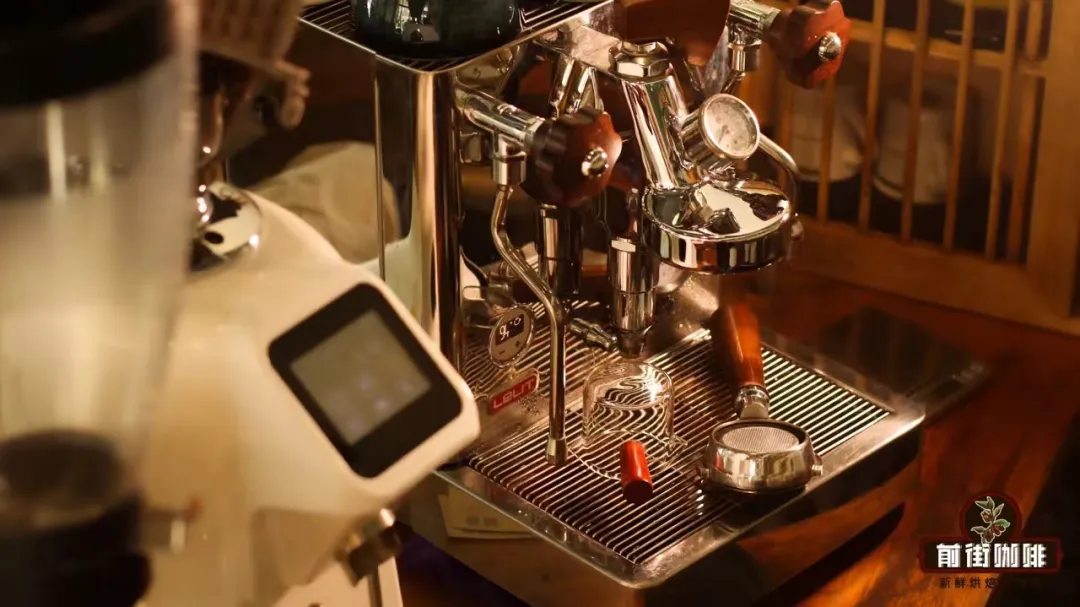 It’s particularly worth noting that the extraction head and steam wand must be cleaned immediately after use to avoid residual coffee grounds affecting the purity of the next brew.
In contrast, fully automatic coffee machines offer a one-touch solution. These machines can automatically complete grinding, dosing, pressurized extraction, and even come with built-in milk steam systems that automatically froth milk. Their advantage lies in ease of operation, making them suitable for users who prioritize efficiency; however, they offer less flexibility, making it difficult to fine-tune according to the characteristics of different beans, and their advanced features often come with a higher price tag.
When purchasing, it’s recommended to first clarify your usage scenario:If you value the learning curve and the potential for flavor control, semi-automatic machines provide greater creative freedom. By experimenting with the interplay of parameters such as grind size, water temperature, and pressure, you can gradually develop a keener sensitivity to coffee flavors. Fully automatic machines, on the other hand, are better suited for commercial environments or home users seeking convenience, as they only require regular maintenance of basic modules to maintain stable output.
When operating a semi-automatic coffee machine, three key techniques require special attention: first, the evenness of the puck tamp determines the resistance to water flow; second, keeping the extraction time within the 25-30 second range achieves the best balance; finally, the temperature management of the steam wand has a decisive impact on the texture of the milk foam. These details all need to be gradually mastered through repeated practice.
Cleaning and maintenance are also crucial steps in preserving coffee quality. Residual coffee grounds should be removed immediately after each use, descaling agents should be used regularly to maintain the heating system, and the integrity of the sealing gaskets should be checked. These seemingly minor steps can effectively extend the machine’s lifespan and ensure extraction stability.
The above content is compiled by CoffeeHunters, a coffee news website.


