







Introduction:Jamaica Blue Mountain coffee is renowned as one of the world’s top-tier coffees. With its limited production and high price, the market is flooded with imitations and flavor substitutes. This guide delves into the official grading system of Blue Mountain coffee, methods for authenticating genuine beans, the flavor profile of beans from the Clifton Estate, and offers expert pour over recommendations to help you accurately identify the real thing and savor its uniquely balanced taste.
Although Jamaica Blue Mountain coffee enjoys global fame, the actual coffee grown in the Jamaican Blue Mountains is produced in extremely limited quantities each year and commands a high price—resulting in a proliferation of counterfeit products and so-called "Blue Mountain-flavored" coffees on the market. Though these products may be labeled as Blue Mountain, most have little to no connection to the authentic variety. So how can consumers distinguish genuine Jamaican Blue Mountain coffee? This article will thoroughly analyze the grading standards of Blue Mountain coffee, common types of counterfeits, the visual characteristics of authentic beans, the sensory flavors of Clifton Estate beans, and provide practical pour over parameters to help you understand what true Blue Mountain coffee really is from multiple perspectives.
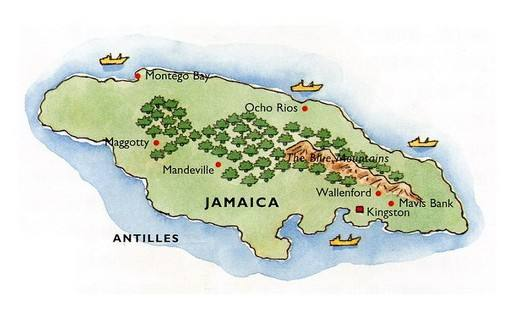
Blue Mountain coffee is grown in the Blue Mountains of Jamaica, an area situated at elevations between 1000 and 1700 meters. The region features unique climatic conditions, where sunlight reflecting off the sea creates a pale blue halo—hence the name "Blue Mountain." Due to the geographical environment and the challenges of cultivation, annual production is very low, with only a small quantity of coffee beans meeting the criteria for true Blue Mountain quality. As a result, much of the "Blue Mountain coffee" commonly found on the market is actually blended beans with similar flavor profiles—or even flavored products that contain no Blue Mountain beans at all.
In the Japanese market, Blue Mountain-related products are typically divided into three grades: "Blue Mountain Coffee" which must consist entirely of beans from the Blue Mountain region with no blending from other areas; "Blue Mountain Blend" which must contain at least 60% Blue Mountain beans; and "Blue Mountain Flavor" which may contain no Blue Mountain beans whatsoever, relying solely on blending techniques to mimic the flavor. This grading system helps consumers understand the true composition of the product, but in other markets, such labeling is often less clear, making it even more important to verify carefully before purchasing.
Jamaica Blue Mountain coffee is subdivided into three main grades based on growing region and altitude: Blue Mountain Coffee, Jamaica High Mountain Supreme Coffee Beans, and Jamaica Prime Coffee Beans. Among these, Blue Mountain Coffee and Jamaica High Mountain Supreme Coffee Beans are each further divided into two levels, ranked from highest to lowest as: Blue Mountain No.1, Blue Mountain No.2, High Mountain No.1, High Mountain No.2, and regular Jamaica Coffee. When classified by green bean appearance grade, they are designated as NO.1, NO.2, NO.3, and PB (peaberry). According to the standards of the Jamaica Coffee Industry Board (CIB), Blue Mountain No.1 green beans must meet the following criteria: bean size of 17 mesh or larger, a defect rate below 3%, and a moisture content of approximately 13%. These stringent criteria ensure the consistent and high-quality flavor profile of Blue Mountain coffee.
Many consumers are drawn in by packaging descriptions such as "a perfect balance of sweet, sour, bitter, and rich flavors," "an elegant aroma," or "artificially refined cultivation." However, individual perception of flavor varies, and textual descriptions alone are not sufficient to determine authenticity. Blue Mountain coffee is widely regarded as a representative of high-quality black coffee due to its balanced taste and low caffeine content (about half that of regular coffee), making it ideal for drinking straight. In actual tastings, it has been noted that genuine Blue Mountain coffee offers a mild yet layered flavor profile, without any single note being overly prominent or missing—this is one of its most distinctive identifying features.
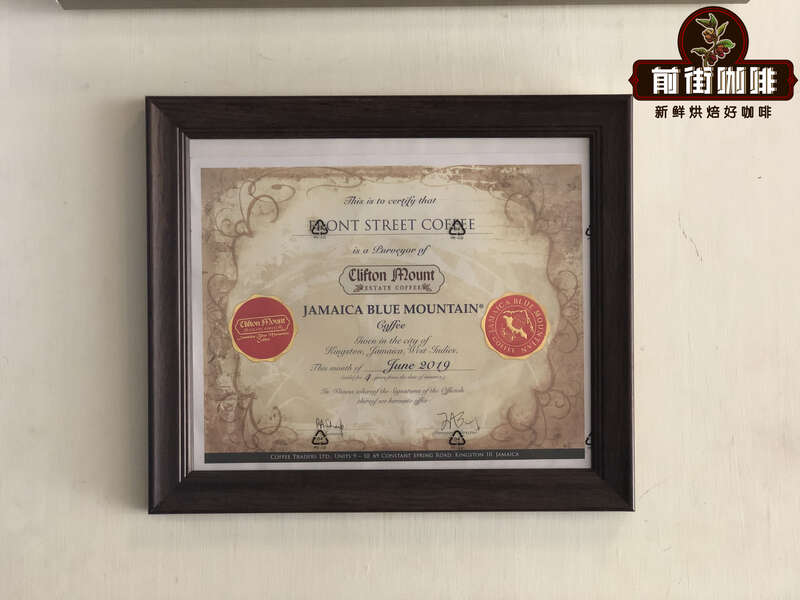
It is worth noting that some retailers market "Blue Mountain-flavored coffee" or "Blue Mountain blends," which may contain no Blue Mountain beans at all or only trace amounts, falling far short of the quality of true Blue Mountain coffee. Furthermore, some producers mix beans from different altitudes to reduce costs, resulting in inconsistent quality among commercially available Blue Mountain coffees and leaving many consumers disappointed. Therefore, it is advisable to purchase from reputable sources that can provide relevant certifications.
Authentic Blue Mountain coffee beans appear bluish-green in their green bean stage, with medium to slightly small particle size and slightly upturned ends, giving them a neat overall appearance. After roasting, the beans expand noticeably and become plump. Due to being cultivated at high altitudes, their cellular structure is relatively loose, resulting in a smooth and unobstructed feel when ground by hand. Additionally, genuine Blue Mountain coffee emits a rich and dense aroma after grinding—a trait that many blended beans struggle to replicate.
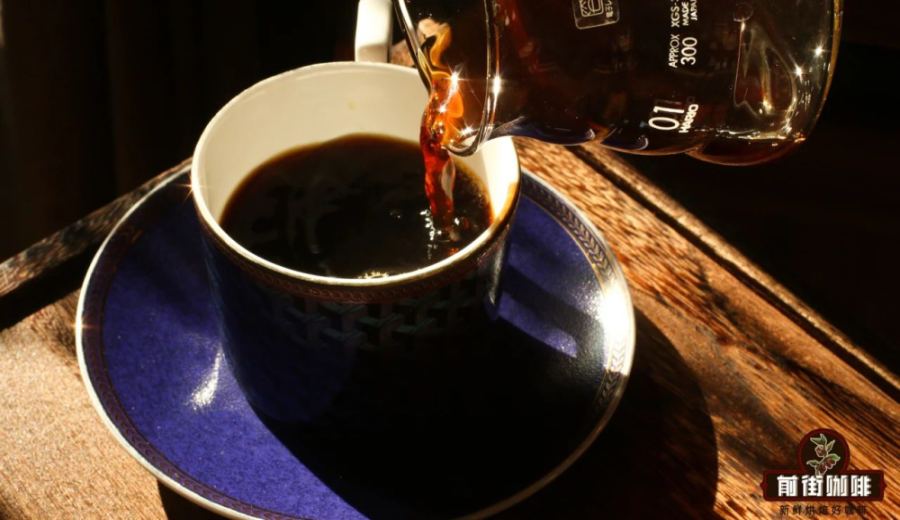
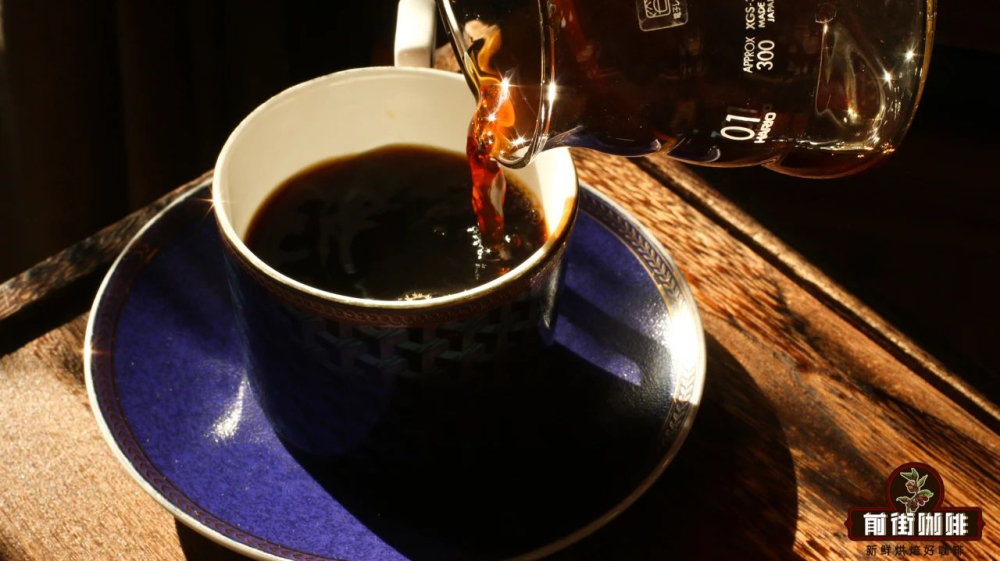
For pour over brewing, it is recommended to use a KONO filter, with water temperature around 88°C, a coffee dosage of 15 grams, and a brew ratio of 1:15. The specific steps are as follows: the first pour involves adding 30 grams of water to allow the coffee grounds to bloom fully and form a “hamburger” shape, with a blooming time of about 30 seconds; the second pour adds water up to 125 grams at the 54-second mark, continuing once the water level drops to two-thirds of the coffee bed; the third pour reaches a total of 225 grams by the 1 minute and 40 second mark, with a total extraction time of approximately 2 minutes and 10 seconds. The resulting Blue Mountain coffee has a mild acidity with hints of citrus, a smooth mouthfeel, nutty aromas emerging in the mid-palate, and a finish with notes of dark chocolate—delivering an overall balanced and layered flavor experience.
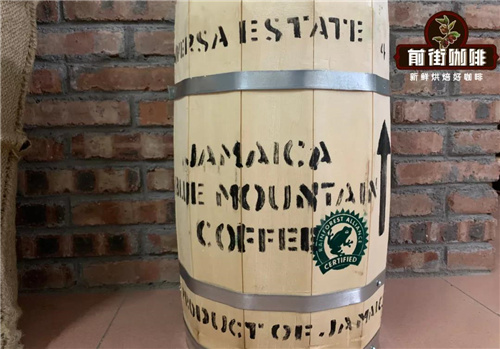
In summary, identifying genuine Jamaican Blue Mountain coffee requires a comprehensive assessment from multiple aspects including packaging, certification, bean appearance, aroma, and taste. Authentic products are usually packaged in wooden barrels adorned with a tropical rain frog logo, accompanied by certification documents issued by the Jamaican government. Moreover, understanding its grading classifications, familiarizing oneself with the sensory traits of authentic beans, and mastering appropriate brewing parameters are all essential elements in appreciating Blue Mountain coffee. Only by approaching it from multiple dimensions can one truly experience the unique charm of this world-class coffee.
The above content is compiled by CoffeeHunters, a coffee news website.


