








Introduction:Can a moka pot produce coffee with Crema? Can it create latte art as clear as that from an espresso machine? This article starts with the pressure valve design of the BRIKKA moka pot, breaks down its brewing steps in detail, and compares its performance in terms of crema, pressure, and latte art with that of espresso. Even with limited pressure, as long as you master the technique, you can still make a milk coffee with decent flavor and visual appeal.
Can a moka pot brew coffee with Crema? Can the coffee it makes be used to create beautiful latte art patterns? These are common questions among many beginner and enthusiast coffee drinkers. Taking the BRIKKA moka pot as an example, this article begins with its unique pressure valve design, walks you through the entire brewing process, and practically compares its espresso with that from an espresso machine in terms of latte art performance.
The BRIKKA is a classic octagonal moka pot launched by Italian brand BIALETTI. Though its appearance is similar to that of a standard moka pot, its lid is equipped with a key feature—the "pressure valve." This stainless steel gravity-based structure is installed above the coffee spout. Its primary function is to accumulate pressure during heating. Once the pressure reaches the optimal extraction range, it allows hot water to pass through the coffee grounds, effectively extracting flavor and oils.
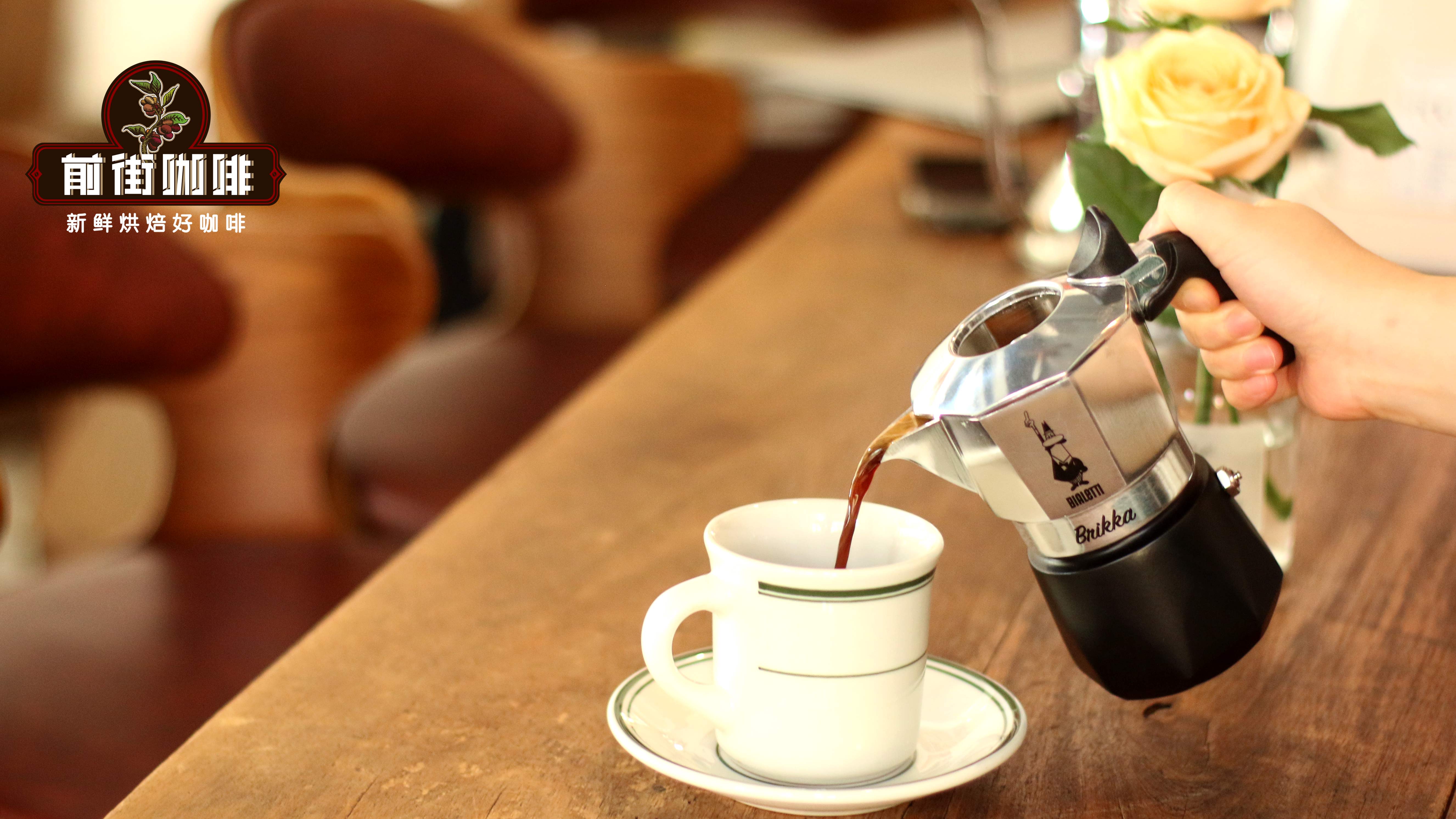
This modified design makes the BRIKKA one of the few moka pots on the market capable of producing a crema-like layer (the light brown foam on the surface of coffee). Although the thickness and persistence of this crema are still noticeably inferior compared to that extracted by an espresso machine, in home or everyday use scenarios, it can still deliver a visual and taste experience close to that of authentic espresso.
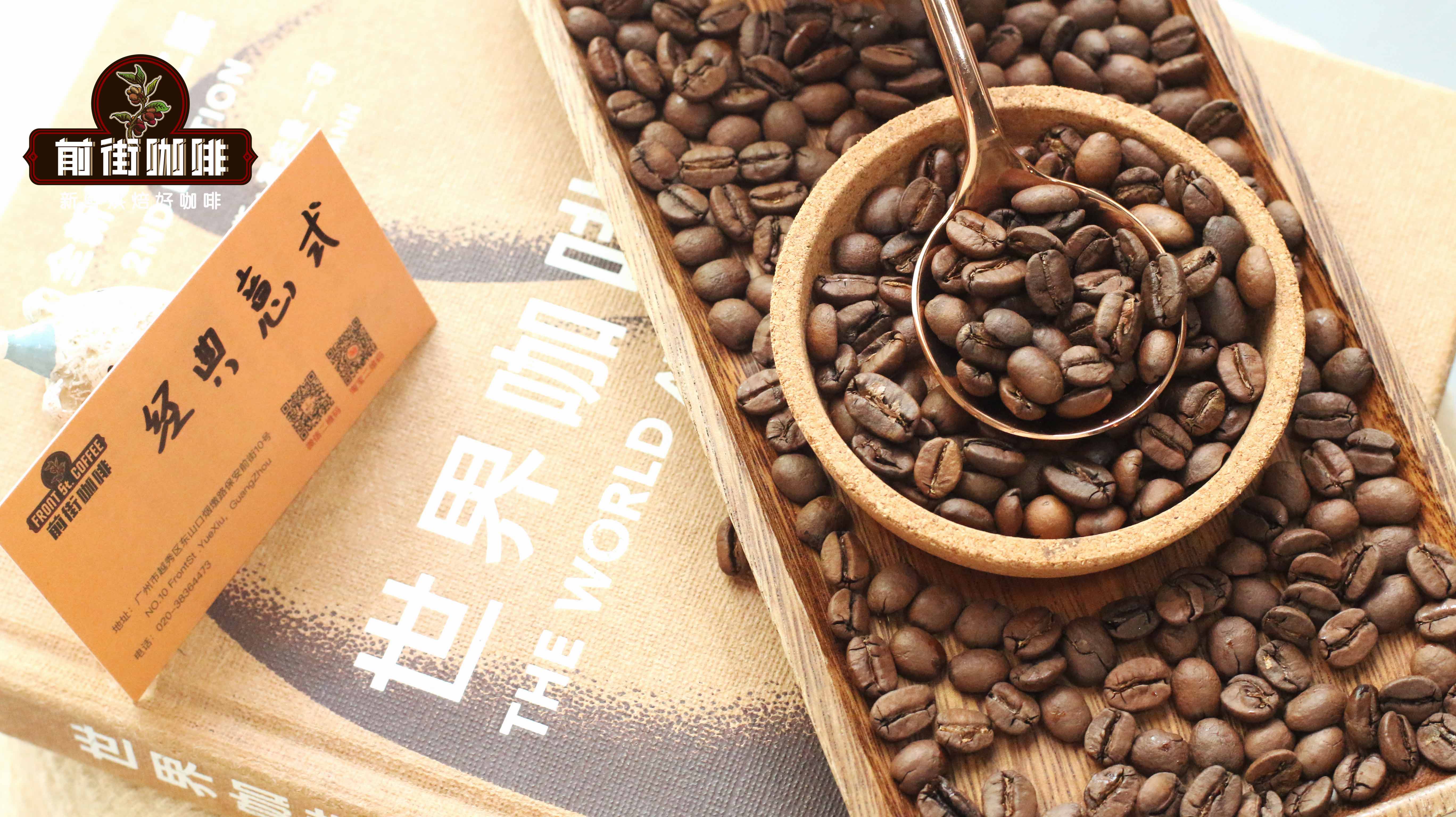
In our testing, we used a classic Italian blend bean sourced from Brazil, Indonesia, and Vietnam. It is a dark roast bean that releases rich aroma and abundant oils, making it suitable for various coffee drinks such as Americano and latte. Whether you want to challenge making crema or latte art at home, this bean is a great choice.
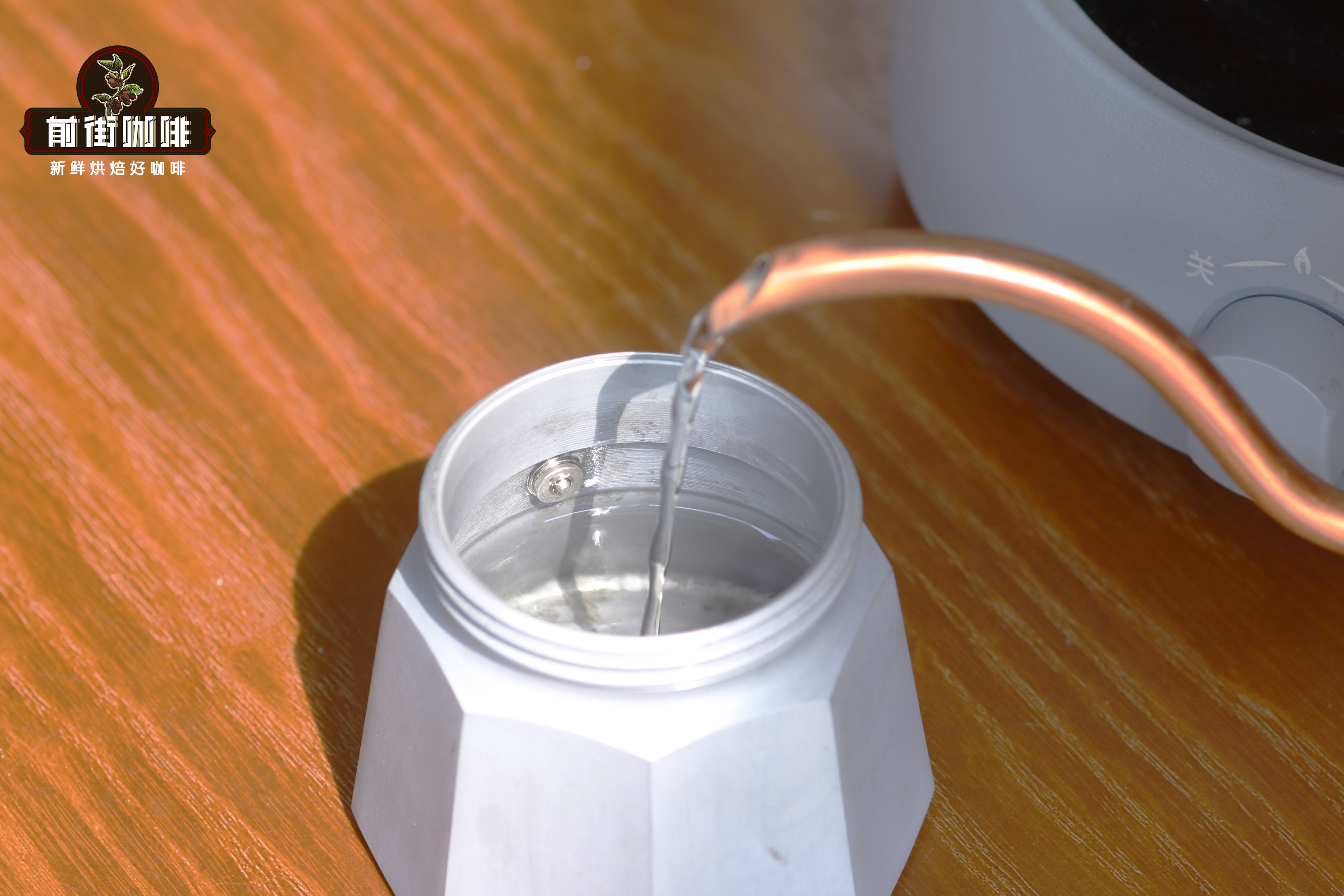
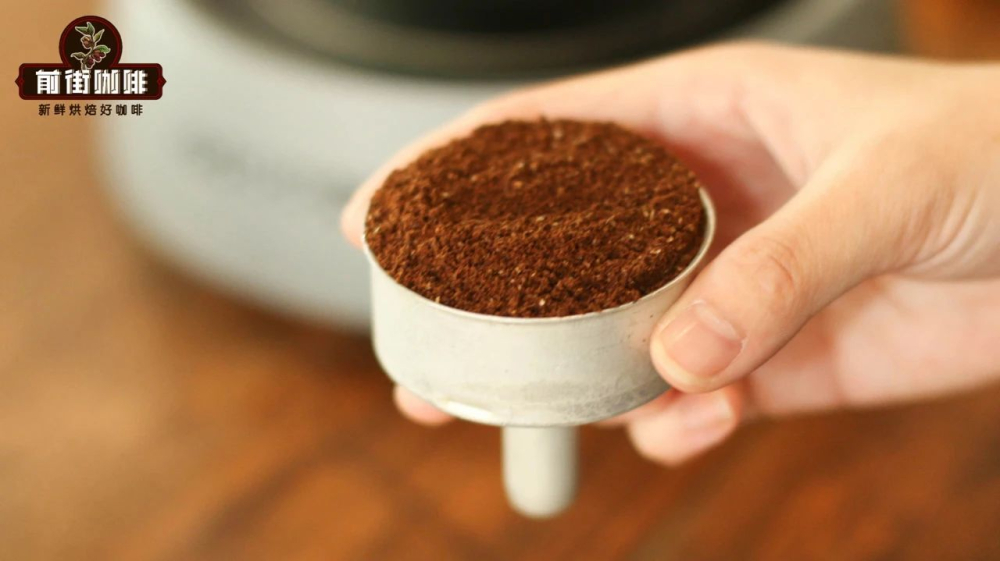
First, we followed the standard procedure to operate the BRIKKA moka pot. The steps are as follows: Fill the lower chamber with cold water, with the water level recommended to reach the valve position, then insert the filter. Next, choose a grind size slightly coarser than that for espresso—about the same as the gap of the filter basket—to prevent coffee grounds from falling into the lower chamber. When filling the coffee, you can run your finger along the inner edge of the coffee chamber to let the grounds mound slightly in the center while packing the edges firmly. Then place the filter basket into the upper chamber and tighten it. Notably, the filter screen in the upper chamber of the BRIKKA is slightly concave; even if the coffee bed is quite full, it’s less likely to cause channeling and instead helps achieve even extraction.
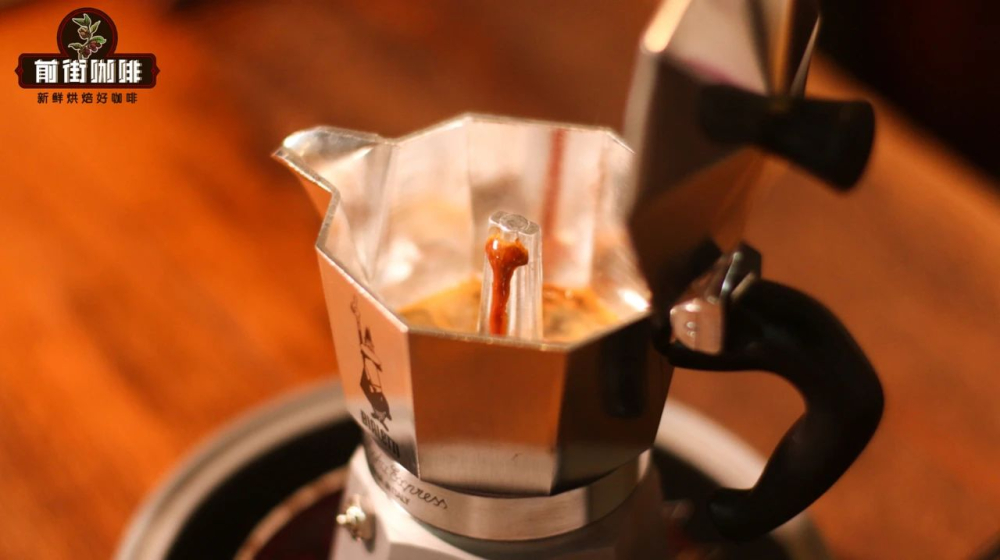
After assembling the filter basket, tightly connect the upper and lower chambers and place the moka pot on an electric stove at high heat. When you hear a distinct “wuuu-pfft” sound, it indicates that pressure inside the pot is starting to build up. At this point, reduce the heat to low and open the upper chamber lid to observe the extraction. When about half of the coffee has flowed out, you can turn off the heat and allow the remaining extraction to finish using residual heat and pressure.
The brewed coffee is dark in color and contains a certain amount of oils, and sometimes you can even observe a faint crema floating on the surface. This cup of coffee is not only good for drinking on its own but can also be paired with water or milk to become a flavorful milk coffee. However, if you want to further challenge latte art, the next steps are the key.
In the latte art comparison test, we used coffee brewed from both the moka pot and an espresso machine, applying the same technique and equal amounts of milk foam. The actual results showed that the moka pot coffee, due to its thinner crema, insufficient oil quantity, and stability, resulted in latte art patterns with blurrier edges and significantly poorer contrast. In contrast, the espresso extracted by the espresso machine, thanks to its high-pressure extraction of around 9–12 bar, produces rich and fine oils, allowing the milk foam and coffee to blend into patterns with clear textures and strong color contrast.
The principle behind this is that an espresso machine, under high temperature (around 90°C) and high pressure (9–12 bar), can fully extract soluble substances and oils from the coffee grounds, forming a thick and stable espresso base. The moka pot, although it increases pressure through the pressure valve design, only achieves a pressure of about 1–2 bar in practice, far less than professional machines. As a result, less oil is released, and the coffee flows more easily, affecting the details of the latte art.
Based on comprehensive testing observations, although the moka pot cannot completely replicate the extraction effect of an espresso machine, by mastering the correct grind size, water temperature, pressure control, and coffee filling techniques, you can still produce a cup of coffee with concentrated flavor and slight crema. With milk foam, it can even display latte art patterns with basic recognizability. For enthusiasts who do not wish to invest in professional equipment but still want to try making latte art at home, the BRIKKA moka pot is undoubtedly a cost-effective option.
In summary, the BRIKKA moka pot, through its unique pressure valve structure, achieves an espresso-like extraction effect in a home environment. Although its pressure and oil yield are limited, resulting in less clarity and stability in latte art compared to professional machines, careful operation can still deliver a coffee experience that satisfies both the visual and taste senses. If you’re considering getting an entry-level coffee tool, you might want to start with a moka pot and explore the charm of coffee under different pressures.
The above content is compiled by CoffeeHunters, a coffee news website.


