







Introduction:Many coffee beginners, during the pour over process, often focus solely on the pouring technique while neglecting the connection between parameter settings and bean characteristics. This article delves into how to systematically improve the quality of your pour over coffee through stable pouring practice, scientific parameter logic, flavor classification of beans, and detailed brewing records. It not only clarifies common misconceptions but also provides practical parameter ranges and adjustment suggestions to help you find your own optimal extraction recipe.
Walking into a café, many people are first drawn to the diverse coffee menu, then marvel at the barista’s seemingly effortless pour over skills. But a common question arises: is pour over coffee about hand skill or strategic thinking? The answer is clearly the latter. While stable pouring, circular motion, and water flow control are foundational skills, what truly shapes a coffee’s flavor profile is mastery of core parameters such as grind size, coffee-to-water ratio, water temperature, and brewing time, along with an understanding of different origins and roast levels.
This article will approach the topic from four practical angles: first, solid foundational training in pouring technique; second, establishing clear parameter logic; third, learning to classify and handle beans based on their characteristics; and finally, recording and reflecting after each brew. Together, these will guide you step-by-step toward building a systematic mindset for pour over coffee.
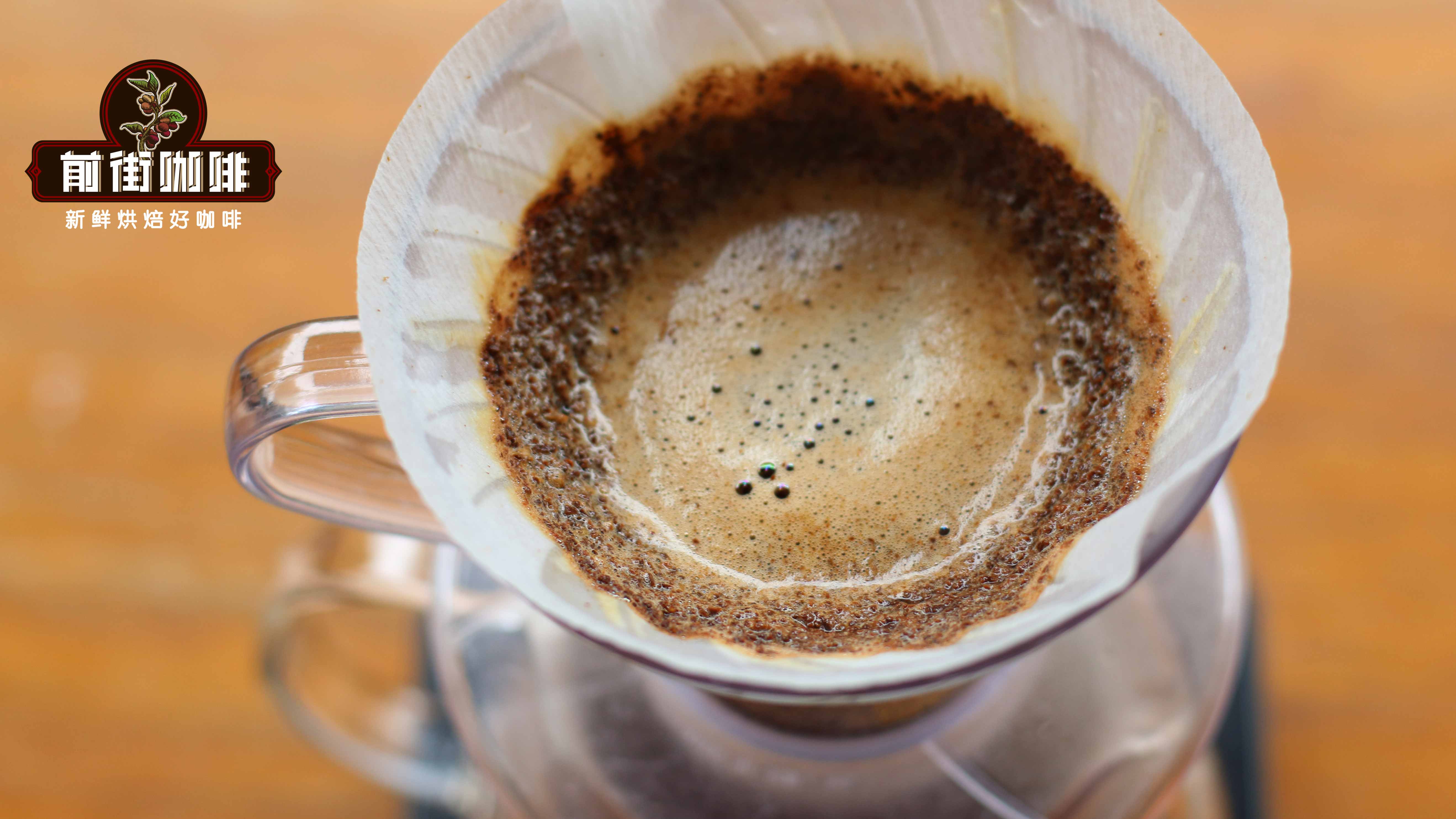
Many enthusiasts, when first trying pour over, are curious about how to control water flow and rhythm like a professional barista. In truth, pouring stability is indeed a key part of the basics—but with the correct posture and technique, plus about 30 minutes of daily practice for half a month, most people can develop good muscle memory, thereby stabilizing water direction and speed. If you notice shaking hands, uneven flow, or irregular circling during pouring, it’s usually just a matter of insufficient practice—not a lack of talent.
However, simply being able to pour is just the beginning. To truly refine your pour over skills, the next step is to deeply understand how various parameters interact and how they affect the final extraction and flavor profile.
In pour over coffee, there are four key parameters that cannot be overlooked: grind size, coffee-to-water ratio, water temperature, and extraction time. These factors influence one another, and adjusting one may alter others, ultimately impacting overall flavor. For example, increasing water temperature or grinding finer typically boosts extraction yield, making the coffee more intense or even bitter; conversely, lowering the temperature or using a coarser grind tends to highlight bright acidity—but overdoing it may lead to under-extraction. It’s also important to note that grind size not only affects extraction yield but also alters water flow rate, which in turn influences total brewing time.
Generally speaking, for pour over, the recommended grind size—measured by 20-mesh sieve passage rate—is between 70% and 80%; the common coffee-to-water ratio range is 1:13 to 1:18; water temperature should be controlled between 86°C and 93°C, adjusted slightly based on bean origin and roast level. Using 15 grams of coffee as an example, total brewing time usually falls between 1 minute 40 seconds and 2 minutes 20 seconds. These figures are not absolute but serve as reference ranges based on accumulated experience, and can be further fine-tuned according to personal taste preferences during actual brewing.
Faced with the wide variety of origins and roast styles available on the market, setting a new brewing strategy for each type not only takes time but can also get confusing. Therefore, developing a systematic way to classify bean characteristics is an essential skill for advanced brewers.
First, you can begin by classifying beans by origin. For example, Ethiopian Yirgacheffe or Huākuí (花魁) typically exhibit bright citrus, berry-like acidity, and floral notes—hallmarks of high-clarity flavor profiles—while Costa Rican Tarrazú or Mozart often feature rounder sweet notes like sweet orange and caramel. For beans with similar origin-based flavor traits, you can prioritize using similar brewing parameters to reduce the need for adjustments.
Secondly, roast level is also a key factor in determining parameter settings. Light to medium roast beans usually emphasize acidity and fruity notes, so it’s advisable to use a slightly finer grind (around 75%–80% 20-mesh sieve passage rate) and a higher water temperature (90°C–93°C). Medium to dark roast beans, on the other hand, focus more on body, sweetness, and bitterness, so a slightly coarser grind (70%–75% 20-mesh sieve passage rate) and a moderately lower water temperature (86°C–89°C) are recommended to avoid over-extraction and excessive tannins.
If you encounter an unfamiliar bean variety, consider reviewing past recipes for similar origins or roast levels as an initial reference, then make gradual adjustments to find the optimal flavor balance.
In practice, recording each brew’s parameters alongside its corresponding flavor profile is one of the fastest ways to improve. Many people, during adjustments, change multiple variables at once, making it impossible to determine which factor affected the final taste.
Take a real-world example: a coffee was first brewed using 15 grams of coffee, 80% sieve passage rate, 1:15 coffee-to-water ratio, 91°C water temperature, and a three-pour method, with a total brew time of 2 minutes 30 seconds. Upon tasting, the finish was found to be overly bitter. Analysis suggested this was due to the grind being too fine and the immersion time slightly too long. In the second adjustment, only the grind was made coarser (75% sieve passage rate), with all other factors unchanged. As a result, the total brew time shortened to 1 minute 55 seconds, the flavor shifted to a crisper citrus, berry, and oolong tea profile, and the bitterness in the finish improved markedly. This example highlights the importance of the “single-variable principle”: adjusting only one parameter at a time allows for accurate assessment of its actual impact on flavor.
In summary, pour over coffee is an art that combines feel and intellect. From stable pouring training and scientific parameter logic, to systematic bean classification and detailed recording and analysis, every step is key to achieving consistently delicious extractions. Only through continuous practice, documentation, and adjustment can you gradually master your own optimal brewing formula.
The above content is compiled by CoffeeHunters, a coffee news website.


