







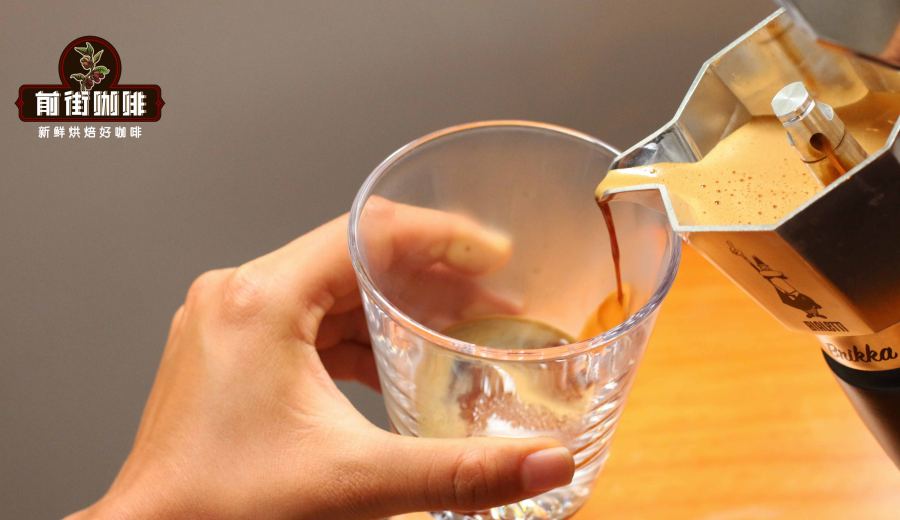
Introduction:Want to brew an aromatic cup of coffee with a moka pot but unsure about how it works or which coffee beans to use? This article explains the structure and working principle of the moka pot, analyzes its requirements for coffee roast levels, compares the differences between blends and single-origin (SOE) beans, and offers practical bean selection tips and precautions to help you easily brew rich, bold coffee — from beginner to advanced level.
The moka pot is a classic Italian-style coffee brewing device. Beloved by coffee enthusiasts around the world for its simple operation and bold flavors, it mainly consists of a lower chamber, a middle filter basket, and an upper chamber. By heating the lower chamber, steam pressure is generated to push hot water through the coffee grounds in the filter basket, extracting a cup of coffee rich in crema and intense flavor. This pressure-based extraction method is somewhat similar to that of an espresso machine. Although the pressure is only about 1 to 2 bar, it can still bring out the deep aroma and taste of the coffee beans.
When using a moka pot, the high temperature and pressure conditions make the choice of coffee beans quite particular. It is recommended to use medium to dark roasted beans, which typically have lower sharp acidity and can deliver a full-bodied taste and rich crema. If beans that are too lightly roasted are used, the high temperature and pressure can easily lead to over-extraction, resulting in bitter or unbalanced flavors.

For beginners just starting out with a moka pot, it is recommended to begin with blends that have stable roast levels and balanced flavors. For example, medium to dark roasted blends often feature aromas of chocolate, nuts, and caramel, offering a smooth mouthfeel and high consistency — ideal for getting familiar with the extraction rhythm and parameter adjustments of the moka pot. Such beans can help users more easily master heat control and grind size, reducing the chance of failure.
Advanced users, on the other hand, can try single-origin (SOE) coffee beans to explore the unique flavor characteristics of beans from different regions. For instance, some medium-roasted SOE beans may exhibit flavors of berries, floral notes, or caramel sweetness. When combined with the high-pressure extraction of a moka pot, they can present unexpectedly layered profiles. However, SOE beans are more demanding in terms of grind size and water temperature, so it is advisable for experienced users to experiment and adjust gradually.
In practical use, the grind size for a moka pot is recommended to be close to that of espresso — too coarse will lead to under-extraction, while too fine can easily cause over-extraction or clogging. Additionally, heating should be done over low to medium heat to avoid excessively high temperatures in the lower chamber, which can result in over-extraction. When you hear a "hissing" sound from inside the pot, it usually indicates that extraction is nearing completion, and you can turn off the heat to prevent over-extraction.
In summary, the moka pot is a practical tool for easily making rich coffee at home. As long as you understand the correct extraction principles, choose suitable coffee beans, and pay attention to grind size and heat control, even beginners can achieve a café-quality coffee experience. Whether you are just starting out or already have some experience, gaining a deeper understanding of the moka pot’s characteristics can further enhance your coffee quality and enjoyment.
The above content is compiled by CoffeeHunters, a coffee news website.


