







Introduction:Vienna coffee is not just ordinary black coffee with cream added—it is a European classic with hundreds of years of history. From the horse carriage driver’s Einspänner to the coffee innovations by James Freeman, founder of Blue Bottle Coffee, this article will take you through the origins of cream-topped coffee, and share both traditional and modern methods, along with recommended beans and brewing parameters, so you can master everything from its history to brewing in one go.
Among many coffee beverages, the use of cream is both widespread and popular. It not only enhances the texture and aroma but also softens the bitterness of coffee, making the overall flavor profile more complex. Vienna coffee is one of the classic examples of introducing cream into coffee. Although its name contains “Vienna,” it is less commonly known by that name in local restaurants and is instead more familiar under the German term “Einspänner (single-horse carriage).”
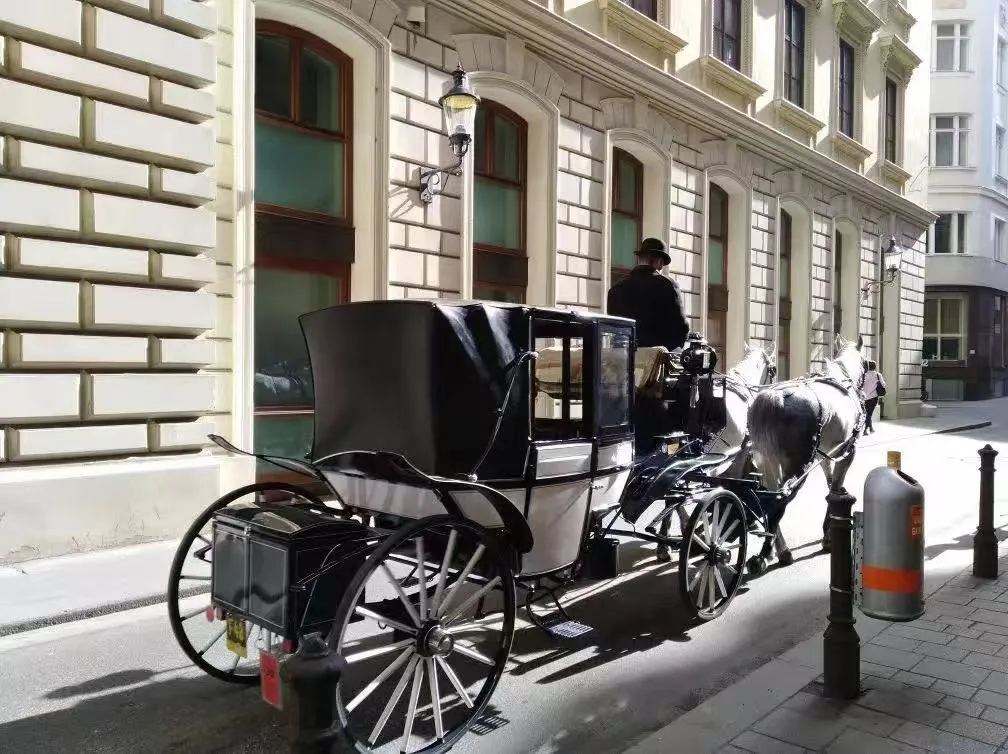
The word Einspänner originally referred to a lightweight carriage designed to carry only one person, which was quite common in European cities from the 19th to the early 20th century and has now become one of the symbols of Austrian culture. Legend has it that drivers of these carriages would add cream to their coffee to stay alert and energized in cold weather. The cream not only added calories but also helped prevent the coffee from spilling due to the movement of the carriage—thus giving rise to this iconic cream-topped coffee.
However, upon deeper investigation, the history of adding cream to coffee may date back much earlier than these urban legends. According to records, as early as 1684, a merchant named Jerzy Franciszek Kulczycki, who helped Austria lift the siege of Vienna, was rewarded with a batch of coffee beans from the Ottoman Empire and a sum of money. He used these resources to open the second coffeehouse in Vienna—the later-famous Blue Bottle House.
At first, Kulczycki followed the then-Turkish method of brewing, boiling coffee grounds and water together and drinking the grounds along with the liquid. However, Austrians were not very receptive to this bitter, grounds-included black coffee. To make the coffee more appealing to local tastes, he made a series of adjustments. Kulczycki filtered out the coffee grounds using a cloth bag, then added honey, milk, cream, and spices to create a smoother flavor. This became the prototype for both lattes and cream coffee. Even though the Blue Bottle House eventually closed after his death, the concept of flavored coffee endured, influencing many subsequent well-known coffeehouses. For example, Café Tomaselli in Salzburg attracted numerous celebrities including Mozart with such specialty coffees and has been in operation for over 300 years.
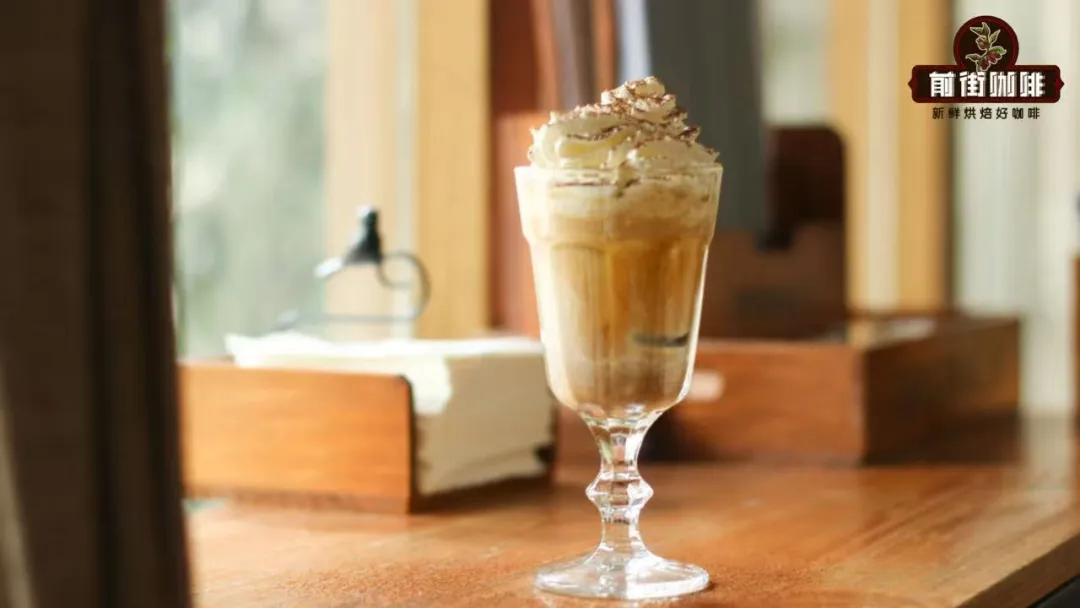
In modern times, cream coffee has evolved into various forms, among which the most classic representation is Vienna coffee. If you’d like to try making it at home, you can follow the two versions below: traditional and modern methods.
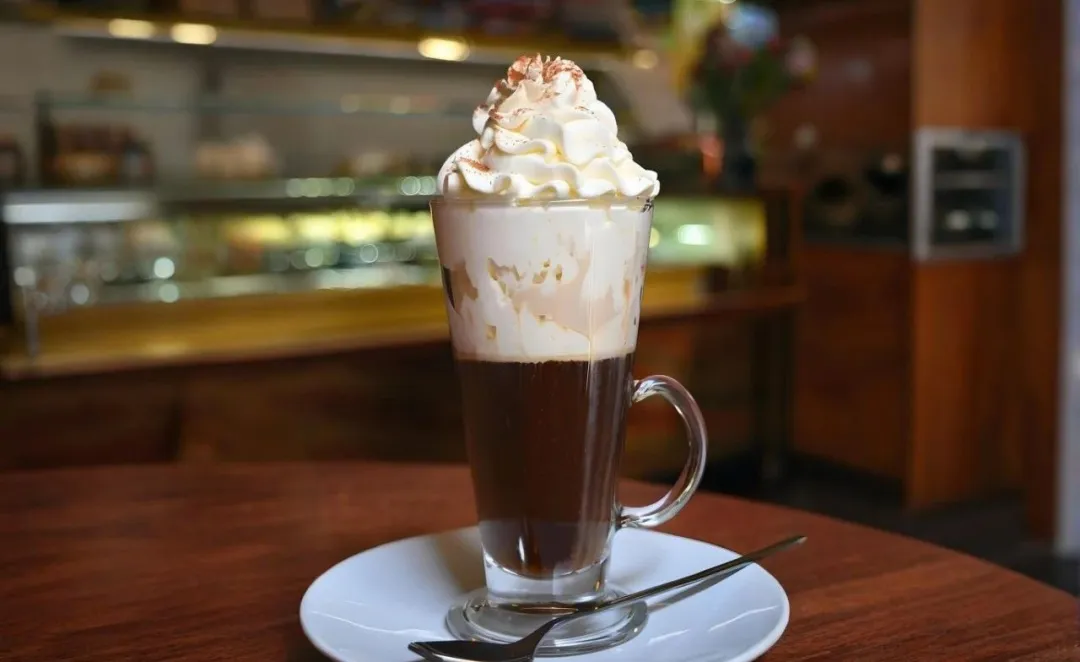
The traditional way to make Vienna coffee is very simple—just prepare a cup of black coffee and top it with whipped cream. For a more authentic touch, it is recommended to serve it in a tall glass. If you don’t prefer too strong a bitterness, you can also adjust the flavor to your liking by adding a small amount of sugar or liqueur to the coffee.
The black coffee part is not limited to any specific brewing method—pour over, Americano (espresso diluted with hot water), or Long Black are all acceptable. If you want to get closer to the classic flavor, it is recommended to choose a medium-to-dark roast coffee bean with roasted, toasty characteristics. For example, a certain brand’s Dark Cocoa Base Blend, composed of Yunnan small-seed variety and Brazilian Red Bourbon, 100% Arabica. Its espresso has a rich nutty aroma and pairs excellently with cream or toffee for great harmony.
If you prefer a more unique flavor profile, you can also choose a single-origin PWN Golden Mandheling, whose flavor often exhibits layers of spice, herbs, toasted bread, caramel, and dark chocolate.
The steps for the traditional method are as follows: first whip the cream, then brew the black coffee (pour over or Americano is recommended), and finally gently place the whipped cream on top of the coffee. Referring to an actual case, here are suggested brewing parameters (using PWN Golden Mandheling as an example): 15g coffee, 1:15 coffee-to-water ratio, 88°C water temperature, grind size about 11 on the Ek43 grinder (equivalent to 75% passing rate on a #20 sieve, fineness close to sugar), using a KONO filter, brewed with a three-stage method. After brewing, you can add a little sugar to reduce the overall bitterness to your taste, then add the whipped cream. A classic Vienna coffee is complete.
When drinking, you can stir slightly with a spoon or straw to let the cream and coffee blend moderately, resulting in a smoother and more rounded mouthfeel.
In modern times, Vienna coffee is no longer limited to being based on black coffee. Milk coffee, mocha, or various flavored milk coffees can all serve as the base, and the topping cream can be enhanced with chocolate sauce, crushed nuts, or even shaped creatively, offering vast possibilities. The preparation is equally simple—just add whipped cream to your favorite iced or hot coffee, and decorate as desired.
For example, to make a toffee-flavored Vienna coffee, you can first prepare a toffee latte, then top it with cream and sprinkle cocoa nibs and crushed nuts for decoration. This not only enhances the visual appeal but also boosts the overall richness of the flavor.
Additionally, regular fresh cream is relatively mild in flavor. If you want to add more aroma, you can mix in flavored syrups, such as vanilla or caramel syrup, before whipping. This allows you to create a themed, distinctive cream topping, making your Vienna coffee more creative and varied.
The above content is compiled by CoffeeHunters, a coffee news website.


