







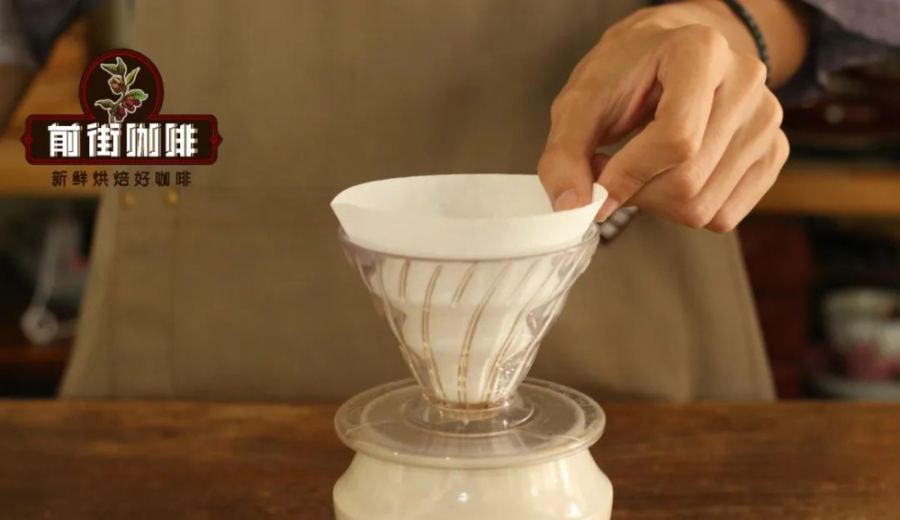
Introduction:The purity of pour over coffee’s flavor is highly dependent on the choice and use of filter paper. This article delves into the differences between white and natural brown filter papers, the pros and cons of bleached and unbleached options, and offers advice on selecting the right filter size along with practical tips for properly fitting the filter to the dripper—helping you elevate your pour over quality while balancing environmental friendliness and ease of use.
Though seemingly insignificant in the pour over process, filter paper is one of the key factors influencing the purity of your coffee’s flavor. Whether you’re a beginner or an experienced coffee enthusiast, understanding the types of filter paper, how to use them, and what to consider when purchasing can take your coffee experience to the next level. This article starts with the origins of filter paper, analyzes the characteristics of bleached and unbleached options, and details specifications and practical application techniques—helping you optimize every cup of pour over coffee starting with the filter.
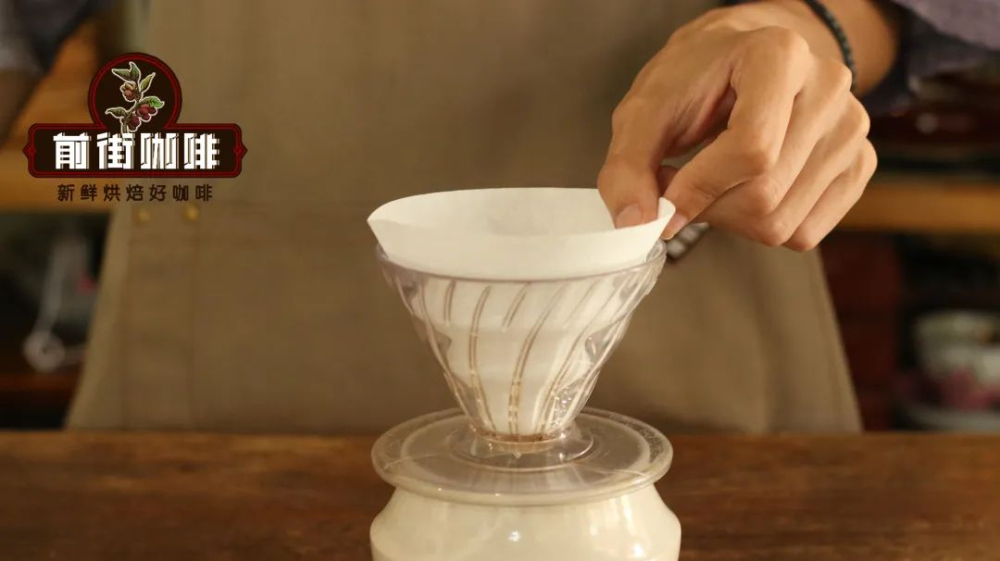
The first step in making pour over coffee usually involves placing the folded filter paper into the dripper and then adding coffee grounds. This seemingly simple piece of paper actually plays a crucial role in filtering coffee grounds and reducing off-flavors. Many people often encounter questions such as whether the filter paper needs pre-rinsing, how to choose between white and natural brown filters, and how to ensure the filter fits snugly against the dripper. This article will guide you through the complete world of filter paper—from its origins to practical details—all in one go.
The history of filter paper use can be traced back to a woman in Dresden, Germany—Melitta Bentz. She had a clever idea to use her son’s notebook paper as a filtering material, placing it over a perforated copper bowl, successfully filtering out coffee grounds. Compared to the rags commonly used at the time, paper filters effectively blocked impurities and unwanted odors, greatly improving the taste of the coffee. In 1908, she founded the Melitta company and began mass-producing improved drippers and filter papers. By 1937, the design of her dripper closely resembled the ones commonly used today.
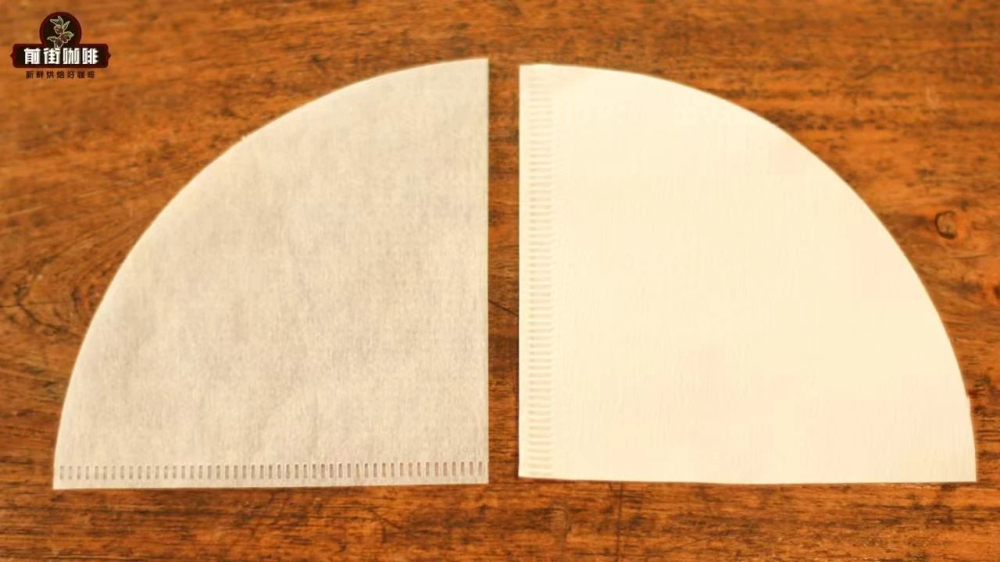
Currently, pour over filter papers on the market are mainly divided into two categories: bleached and unbleached. Each has its own advantages and disadvantages in terms of flavor performance and environmental attributes. Bleached filter papers undergo treatment that reduces pulp odor, helping to highlight the coffee’s inherent aroma and flavor, but some manufacturers in the past used chlorine-based bleaching agents, which could negatively impact the environment. Fortunately, most well-known brands today have switched to oxygen-based bleaching or fluorescent-free technologies, and even introduced eco-friendly materials like bamboo fiber—balancing health and sustainability.
In contrast, unbleached filter papers are not chemically treated, making their production process more natural and environmentally friendly. However, if not rinsed with hot water beforehand, they may release slight paper odors that can affect the original flavor of the coffee. It is recommended to soak the filter in hot water for 10–30 seconds before use. This not only removes odors but also preheats the dripper, helping to stabilize extraction temperature. Some professional baristas even use alternating hot and cold water methods to further enhance the cleanliness of the filter and the purity of the coffee.
When selecting filter paper, size is also an important consideration. They are generally divided into two specifications: 1–2 servings and 3–5 servings. The former is suitable for single or double servings, holding up to about 20 grams of coffee grounds, just enough for daily brewing needs; the latter is better suited for sharing with others, featuring a larger filter area that can handle higher amounts of coffee grounds. It’s advisable to choose the appropriate size based on your usual number of drinkers and amount of coffee grounds, avoiding oversized or undersized filters that may affect water flow efficiency and brewing experience.
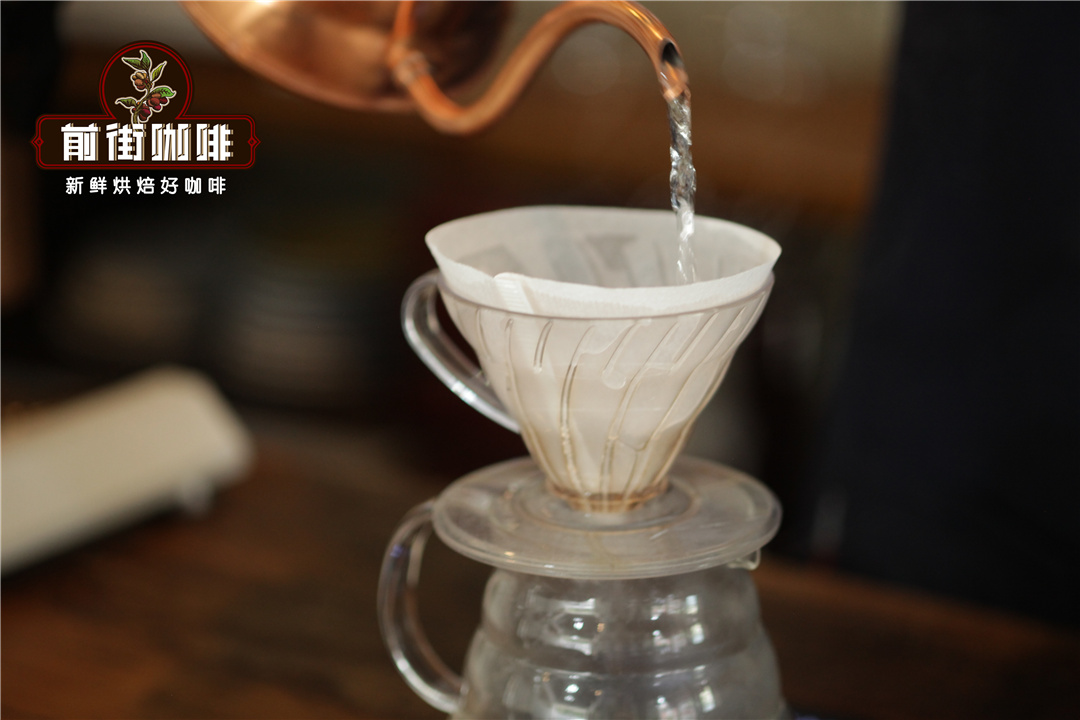
So, which type of filter paper should you choose? If you prioritize environmental friendliness, unbleached filter paper is the top choice—just a simple pre-rinse can remove paper taste and reduce the environmental burden from chemical processing. If you prefer a simpler process, you might also consider using filters made with environmentally friendly technologies like oxygen-based bleaching, which deliver excellent flavor performance and eliminate the need for pre-washing. Remember, the quality and price of filter paper often go hand in hand. High-quality filters not only have lower pulp odor but also a more stable water flow rate, aiding in controlling extraction time and uniformity.
Additionally, the manufacturing craftsmanship of filter paper also affects the final brewing results. Even with the same material, different texture designs and thicknesses can alter water permeability and flow speed, thereby influencing the efficiency and balance of coffee extraction. Some filters feature wavy or spiral patterns that guide water more evenly through the coffee grounds, avoiding channeling effects. When selecting, it’s recommended to try different brands or craftsmanship styles of filter papers to find the one that best suits your brewing style.
In summary, the selection and use of pour over coffee filter paper is not only key to achieving flavor purity but is also closely related to environmental awareness and operational convenience. By understanding the characteristics of bleached and unbleached filter papers, mastering the correct pre-treatment steps, and choosing the right size and craftsmanship, you’ll be able to brew a pour over coffee with balanced flavor and rich layers more confidently.
The above content is compiled by CoffeeHunters, a coffee news website.


