







Introduction:Walking into a coffee shop and seeing a dazzling array of coffee options can be confusing? This article will explain the origins, characteristics, and flavor differences of nine common types of coffee — dirty coffee, espresso, americano, latte, cappuccino, flat white, mocha, pour over, and cold brew — in an easy-to-understand way. It also includes references for bean selection and brewing parameters to help you find the cup that best suits your taste.
Stepping into any café, the wide variety of coffee options can often leave you unsure where to start. In fact, most of these drinks originate from espresso, with variations created by adjusting water and milk quantities, foam thickness, or even adding ingredients like chocolate, resulting in diverse flavors. This article not only uses diagrams to clarify the definitions and features of nine popular coffee types — dirty coffee, espresso, americano, latte, cappuccino, flat white, mocha, pour over, and cold brew — but also supplements professional recommendations on bean selection, from blends to single origins, from light-roasted African beans to rich Asian beans, making it easy for you to pick the coffee that hits the right note.
Dirty Coffee
Dirty coffee is a type of milk coffee that emphasizes layering. Its standout feature is the use of cold milk and hot espresso poured directly together without stirring, creating an unblended gradient effect. The key lies in using high-fat refrigerated milk, an ice-cold cup, and pouring the hot espresso “dirty” onto the milk, allowing the coffee oils to float on top and creating a transition from intense to sweet flavors. It’s recommended to take sips one after another to fully experience its unique flavor layers from dark to light.
Espresso
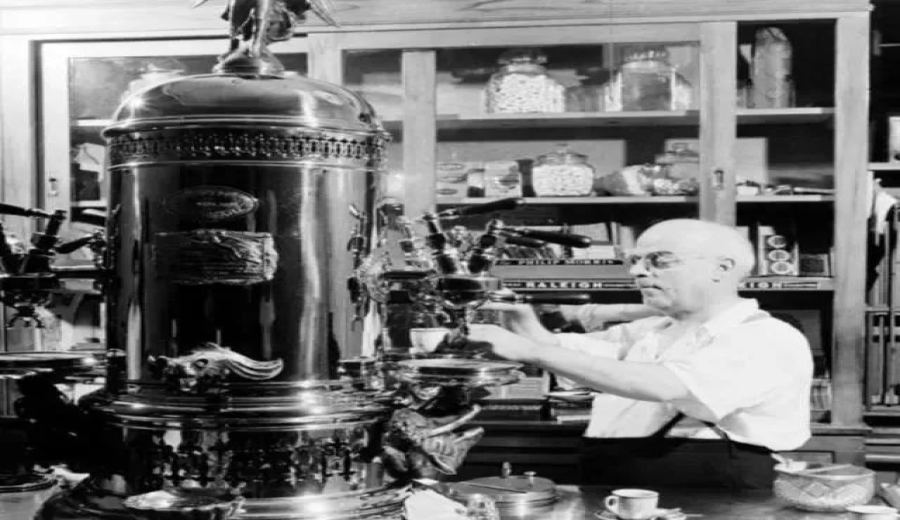
Espresso is the foundation of all Italian-style coffees. It is concentrated and served in small portions, typically around 15–40ml. This coffee is made by forcing hot water under high pressure through finely ground coffee beans, extracting a rich coffee liquid full of crema (coffee oils). Etymologically, "espresso" means "pressed out," and it also implies speed and personalization. Traditionally, blends are used to ensure consistent flavor, but in recent years, single-origin beans (SOE) have gained popularity for highlighting regional characteristics. Its characteristics include high concentration, a thick golden crema, and a strong, distinct flavor.
Americano
An americano is made by diluting espresso with hot water. Its origin is said to be related to the habits of American soldiers during World War II. While simple to prepare, it reduces the intensity of the espresso, preserving the coffee aroma while making the strength more palatable. By adjusting the amount of water, you can control the overall flavor intensity, making it ideal for those who enjoy pure coffee but prefer something less harshly intense.
Latte
A latte is a classic coffee made with a base of espresso and a generous amount of steamed milk. In Italian, "latte" means "milk," so "caffe latte" literally translates to "coffee with milk." A standard latte usually consists of one shot of espresso and a suitable amount of hot milk, topped with a thin layer of fine microfoam. It has a smooth texture and a balanced harmony between milk and coffee aromas, making it a popular choice for many coffee beginners.
Cappuccino
A cappuccino is composed of equal parts espresso, hot milk, and thick foam, and is characterized by its top layer of fluffy, cotton-like microfoam, which is often used to create various latte art designs.The traditional cup size is about 150–180ml, and the foam is noticeably thicker than that of a latte.Its name is said to be inspired by the brown hoods worn by Capuchin monks, visually reflecting the color layers of coffee, milk, and foam. With a rich and velvety mouthfeel, it is a favorite among those who enjoy the texture of foam.
Flat White
This coffee, originating from Australia or New Zealand, is characterized by a smaller serving size (about 3oz) and thinner foam. It uses a single or double shot of espresso paired with a small amount of steamed milk, resulting in a more restrained milk aroma and a more pronounced coffee flavor.The foam in a Flat White is usually only about 0.5cm thick.It is ideal for those who enjoy a strong coffee taste but don’t want too much milk interference. Though its origins are debated, there's no denying that it has become one of the most popular coffee drinks worldwide.
Dirty Coffee (Revisited)
As a coffee that offers both visual and flavor enjoyment, dirty coffee emphasizes contrast between hot and cold and a gradual layering effect. It must be served in an ice-cold cup with chilled high-fat milk, with hot espresso poured directly in to allow the coffee oils to rise to the surface of the milk, creating a “stain”-like visual effect. The flavor transitions from intense to sweet. It is recommended to drink it promptly and without stirring to fully experience its unique temperature and flavor shift.
Mocha
The history of mocha dates back to the port of Mocha in Yemen, once a major gateway for coffee exports to Europe. Its name thus became part of this coffee style. Modern mocha coffee typically combines espresso with chocolate or dark cocoa, along with milk foam, resulting in a flavor that is bittersweet, rich, and smooth. Commercial mochas are often sweetened versions, making them perfect for those who enjoy the combined flavors of chocolate and coffee.
Pour Over Coffee
Pour over coffee is a low-temperature, slow extraction method using a drip filter. It originated in the early 20th century with the innovation of German lady Melitta. Its characteristic is a clean and clear flavor profile that highlights the regional traits and processing methods of the coffee beans. When making pour over coffee, you can choose beans based on personal taste: for those who prefer bright acidity and fruity notes, light-roasted African beans are recommended; for those who like mild acidity and a mellow taste, Central American beans may be considered; if you prefer a rich, solid body with low acidity, Asian or island beans are a good option.Factors such as grind size, water temperature, and pouring speed will greatly affect the final extraction flavor.
Cold Brew / Ice Drip Coffee
Cold brew coffee is made by extracting coffee with cold water over a long period (typically 12–24 hours) at low temperatures. This process extracts fewer bitter substances, resulting in a smoother, cleaner, and fuller-bodied flavor.Cold brew coffee often contains more caffeine than hot-brewed coffee, making it suitable for those who enjoy a strong flavor and an energizing effect. Ice drip coffee is made by dripping ice water drop by drop through coffee grounds — a slow and meticulous process that produces a richly layered flavor. It is the ultimate pursuit for many coffee enthusiasts. Both methods do not require heat, making them perfect for summer or for those who prefer a refreshing taste.

The above content is compiled by CoffeeHunters, a coffee news website.


