








Introduction:The term "Mocha" carries multiple meanings in the world of coffee—it is both an ancient Red Sea port with a rich history, a distinctive style of Italian coffee, and the namesake of the well-known Moka pot. This article delves into the three identities of Mocha, exploring how the Yemeni Mocha port gave rise to some of the earliest premium coffees, how Italians reimagined Mocha coffee with its chocolatey notes, and finally, how to master the practical usage and brewing parameters of the Moka pot. By the end, you’ll understand the full story behind Mocha and learn how to brew rich, captivating coffee at home.
The word "Mocha" holds three distinct meanings in the world of coffee enthusiasts: first, the historic Mocha port in Yemen; second, a classic type of Italian coffee; and third, the ubiquitous Moka pot found in many households. Though these three realms may seem unrelated, they are intricately woven together through the evolution of coffee culture, each leaving a profound impact on the development of coffee. This article will unpack the essence of these three "Mochas," explore their origins and practical applications, and help readers gain a more comprehensive understanding of this fascinating term.

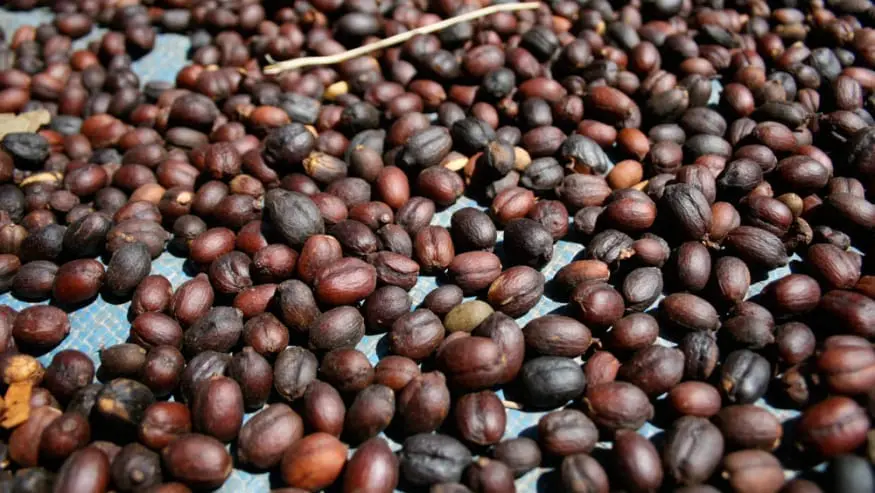
Let’s start with Mocha as a geographical location. The Mocha port in Yemen has been a key trade hub along the Red Sea since the 15th century, comparable to today’s major international ports. At the time, a significant portion of global coffee trade was routed through this port to Europe. Although Yemen itself was not a major coffee-growing region, the high-altitude mountainous areas nearby produced coffee beans that were exported via the Mocha port. These beans gained widespread acclaim for their unique flavors. European buyers only knew that the coffee came from the "Mocha port," and over time, this coffee became collectively known as "Mocha coffee," eventually becoming synonymous with high-quality coffee.
Today, authentic Yemeni Mocha coffee remains extremely rare, especially due to the region’s political instability and limited production. In the past, there were opportunities to taste Mocha Mattari coffee from Yemen’s Bani Mattar region. Its packaging was not the usual burlap sack but rather a fine-mesh fabric similar to flour sacks, which was quite distinctive. Additionally, depending on the growing region, Yemeni Mocha coffee can be divided into different flavor profiles. For example, Mattari is known for its chocolate notes and pronounced acidity, while Sanani offers a bold and aromatic character. However, a rich chocolatey tone is the common thread among them all.
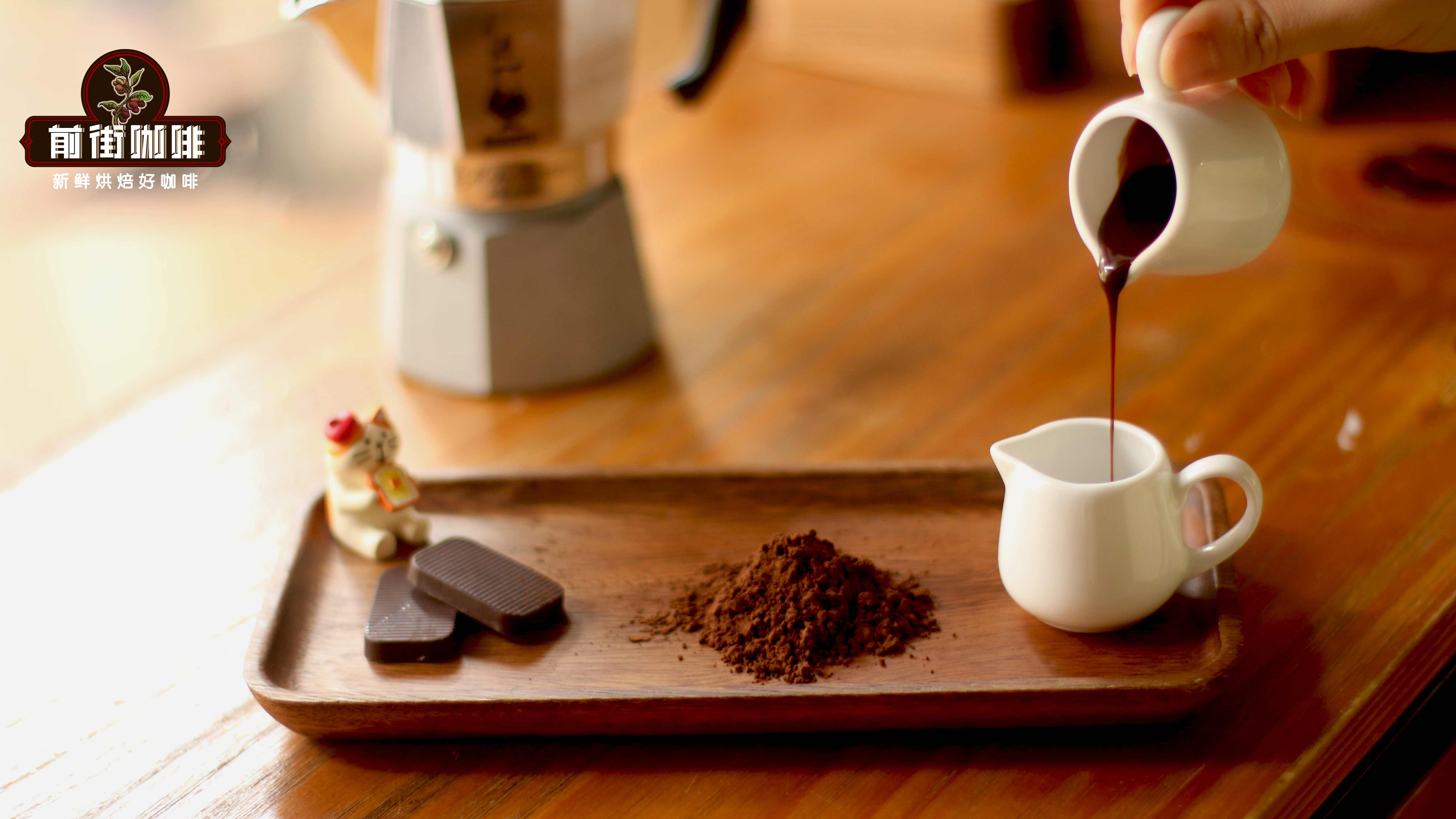
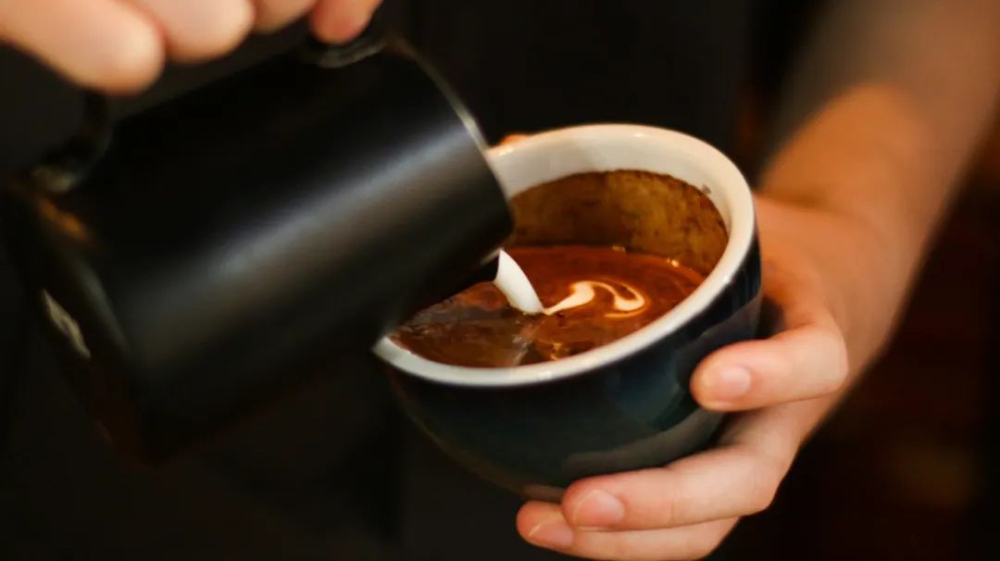
Moving on to the modern and more commonly known "Mocha coffee," this typically refers to an Italian-style drink that combines espresso, steamed milk, and sometimes chocolate syrup or cocoa powder. This beverage is rich, sweet, and is considered by many to be the perfect fusion of chocolate and coffee. However, it has no direct connection to the ancient Mocha port. Its origin dates back to 18th-century Italy, where it is believed to have been created to replicate the distinctive chocolate flavors of Mocha coffee during times when Mocha beans were scarce—by adding chocolate. Thus, the name "Mocha coffee" may serve as both a tribute to the once-rare coffee and a way to recreate its iconic flavor.
As for the third "Mocha"—the familiar Moka pot—its connection to the other two is more indirect. Invented in 1933 by Italian designer Alfonso Bialetti, the Moka pot is a classic appliance used by many households to brew espresso-like coffee. It consists of a lower chamber, a filter basket, and an upper chamber. By heating the lower chamber, water is converted into steam pressure, which pushes the hot water through the coffee grounds to extract a strong coffee liquid. Although its pressure is only 1.5–2 bar—far lower than the 9 bar of professional semi-automatic coffee machines—it is still sufficient to produce a rich crema and deliver a taste similar to espresso.
Regarding the origin of the Moka pot’s name, one theory suggests that since the 17th century, regions like Venice had already associated "Mocha" with coffee. As a result, in northern Italy, the term "Mocha" became almost synonymous with coffee itself, making the Moka pot a natural choice as the essential tool for brewing strong coffee at home.
If you want to use a Moka pot to successfully brew great coffee, here are some practical tips and parameter settings worth trying. It’s recommended to use medium-dark to dark roasted coffee beans—such as medium-dark roasted beans from Brazil—to enhance the coffee’s richness and sweetness. Here’s the specific process:
1. Fill the lower chamber with clean water, with the water level about 0.5 cm below the safety valve;
2. Grind the coffee beans slightly coarser than the standard for espresso machines—roughly similar to the coarseness of table salt—to ensure even extraction and avoid over-extraction and bitterness. Place the ground coffee into the filter basket, gently level it without tamping, forming a small, flat mound;
3. Assemble the filter basket with the lower chamber, then attach the upper chamber and place the Moka pot on the heat source (such as a stove or hot plate), heating it over high heat;
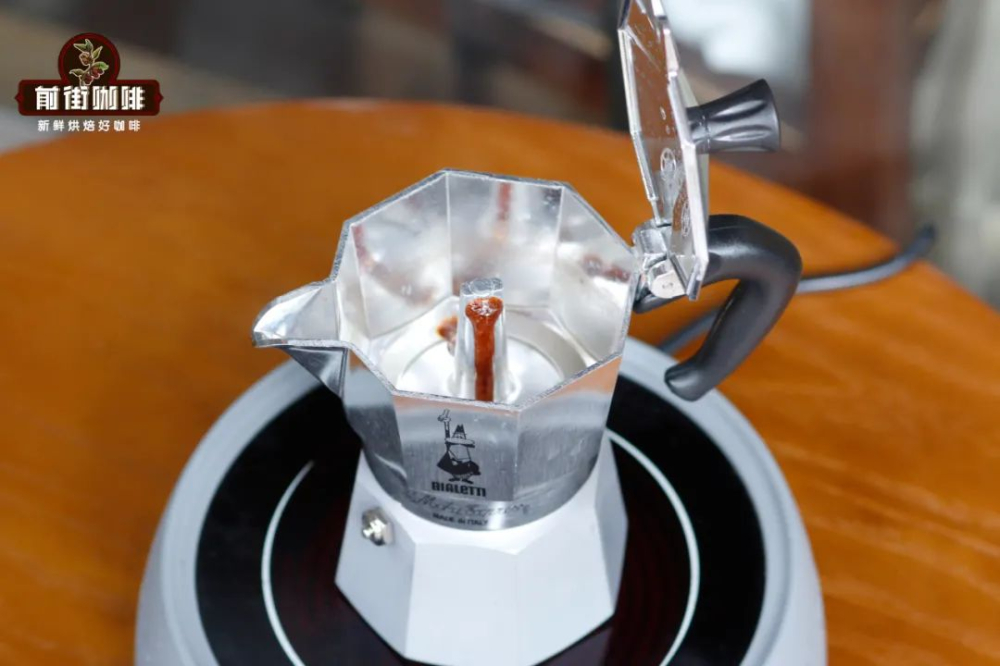
4. When you hear a distinct “wuu wuu” sound, it indicates that pressure is building up. At this point, reduce the heat to low and slightly lift the upper chamber lid to observe the extraction;
5. Once about half of the coffee has flowed out, turn off the heat and let the remaining extraction complete using residual heat;
6. Once the coffee has fully flowed into the upper chamber, it’s ready to pour and enjoy. You can also add hot water or milk according to your preference to adjust the strength and flavor.
Regarding Moka pot brewing parameters, it’s generally recommended to use 10–12 grams of coffee for a single serving, with 50–60 milliliters of water. The actual water volume depends on the lower chamber’s scale and the position of the safety valve. Additionally, the coffee-to-water ratio isn’t absolute—the key is to fill the filter basket with coffee and ensure the water in the lower chamber doesn’t exceed the safety valve to avoid abnormal pressure or overflow risks.
In terms of grind size selection, it’s recommended to test using a sieve. The ideal grind for a Moka pot is roughly between pour over and espresso, with a sieve passing rate of about 75–80%—a texture similar to table salt. This grind size helps balance extraction efficiency and flavor expression, avoiding overly sharp bitterness caused by over-extraction.
In summary, the term "Mocha" not only carries the memories of history and geography but also reflects humanity’s pursuit and innovation in coffee flavors across different eras. From the ancient trade of the Yemeni Mocha port, to the chocolatey interpretations in Italian coffee, to the home-brewing culture of the Moka pot—each layer of meaning is worth savoring. Mastering this knowledge and these techniques will not only allow you to better appreciate the diversity of coffee but also enable you to easily recreate a layered and flavorful coffee experience at home.
The above content is compiled by CoffeeHunters, a coffee news website.


