







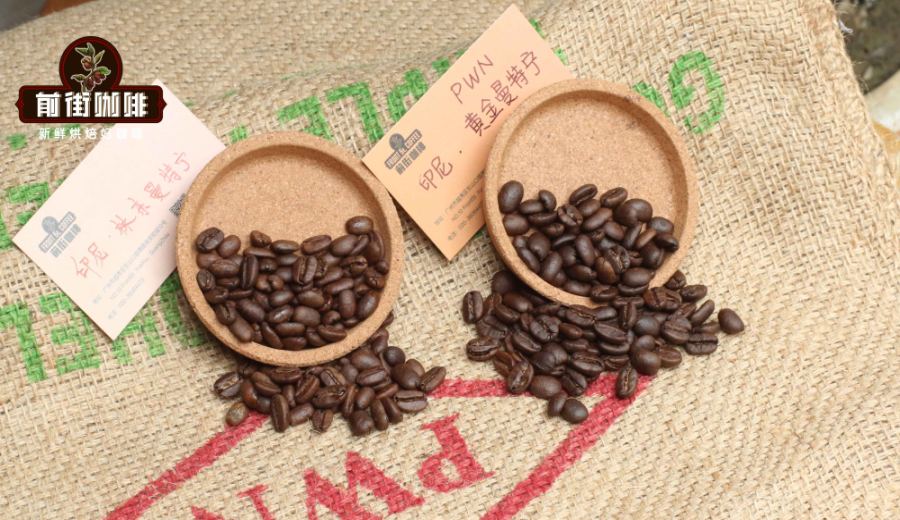
Introduction:Indonesian Mandheling coffee is renowned for its unique herbal aroma and rich body, and the PWN-produced Mandheling G1 and Golden Mandheling are among the finest representatives. This article delves into the grading standards, processing differences, and cupping flavor profiles of the two, while also exploring their performance in pour over and espresso brewing to help you find the Mandheling that best suits your taste.
The name “Mandheling” originates from a misunderstanding during World War II. According to Sumatran historical records, a Japanese soldier once drank a richly flavored coffee at a local café and asked the shopkeeper what kind of coffee it was. Due to a language mix-up, he was told it was “Mandailing,” the name of an ethnic group. After the war, he mistakenly believed it was the name of the coffee and shipped large quantities of “Mandheling” back to Japan, where it received high praise. Since then, the name has endured and become synonymous with premium Indonesian coffee.
Among the many Indonesian Mandhelings, those produced by PWN (Pwani Coffee Company) have garnered significant attention. Not only is PWN a major supplier of high-quality Indonesian coffee beans, but it also holds the trademark rights to “Golden Mandheling.” The Mandheling G1 produced by PWN is the highest grade among washed beans, with no more than 3 defective beans per 300-gram sample—a standard initially designed specifically for the Japanese market and now recognized industry-wide as a symbol of high quality.
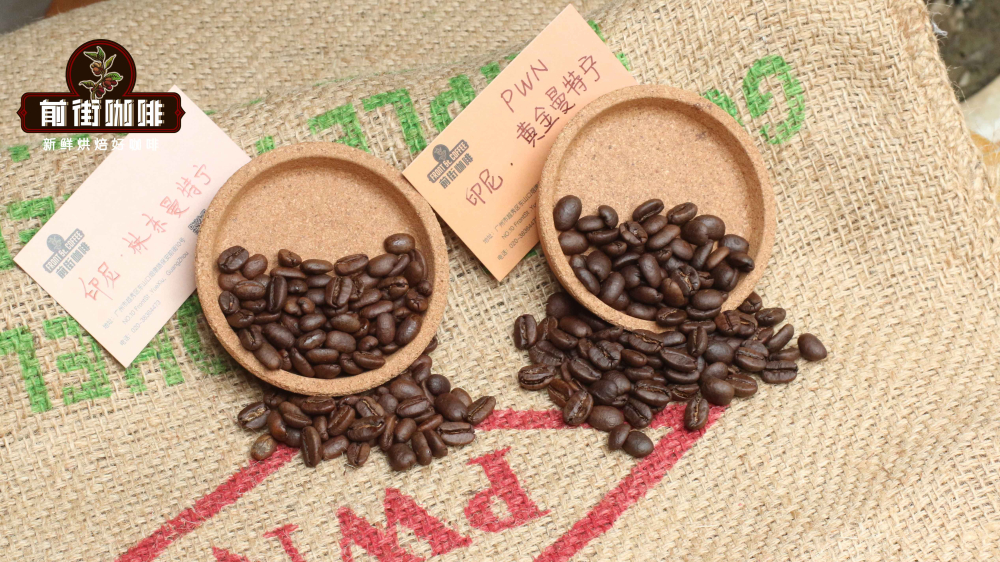
According to Indonesia’s official grading system, washed beans are divided into five grades. Grade 1 (G1) is the highest, requiring 00–03 defective beans—that is, no more than 3 defective beans per 300-gram sample. This is an extremely strict standard that ensures bean purity and consistency. Grades 2 through 5 are progressively lower, from standard to basic export grades, with increasing numbers of defects, mainly used for bulk commercial purposes and offering relatively ordinary flavor profiles.
PWN’s Mandheling G1 is washed and undergoes rigorous manual sorting and defect control, resulting in not only a low defect rate but also a more balanced and pure overall flavor.G1-grade Mandheling typically exhibits pronounced notes of nuts and dark chocolate, with gentle acidity, medium-to-high body, making it ideal for coffee lovers who prefer low acidity and a heavier mouthfeel.Whether brewed using pour over or French press, it delivers stable performance, making it an excellent entry point for exploring Mandheling.
Compared to G1, Golden Mandheling represents an even higher level of specialty coffee. Its name doesn’t merely describe its appearance but signifies ultimate quality control through a process of four rounds of manual selection. With an annual production of less than 1 ton, it is extremely rare. The bean selection process not only eliminates defective beans but also emphasizes uniformity in bean shape and vibrant, lush green color, resulting in a high-quality raw bean appearance.
In addition to strict screening, Golden Mandheling undergoes multiple rounds of density and color sorting during processing to ensure each bean meets the highest standards. Compared to the common herbal and earthy notes of Lintong Mandheling, Golden Mandheling, through more refined processing, significantly reduces off-flavors,highlighting a more pronounced caramel sweetness, bright and delicate fruit acidity, and a finish that carries smooth dark chocolate and nutty aromas.It is well-suited for consumers seeking clean and balanced flavors.
In terms of processing methods, Lintong Mandheling often employs honey or natural processes, and due to Indonesia’s high-humidity environment, the mucilage is sometimes removed before it is fully dried—an approach that, while risky, contributes to its characteristic richness and low acidity. Golden Mandheling, on the other hand, is mostly washed or undergoes a more refined three-stage process, combined with four rounds of manual bean selection, resulting in clearer flavors, pronounced sweetness, and reduced earthy or herbal notes typical of traditional Mandheling.
In terms of roasting and brewing performance, PWN Mandheling G1 and Golden Mandheling each have their strengths. G1 is suitable for various brewing methods; for pour over, a medium-light to medium roast is recommended to bring out its nutty and chocolatey notes, while a French press can enhance its body and sweetness. Golden Mandheling, with its more concentrated and clean flavors,can showcase more floral, fruity, and caramel aromas at light-to-medium roasts, while deeper roasts highlight dark chocolate and smoky notes.Whether as a single-origin pour over or an SOE in espresso blends, it delivers outstanding performance.
In summary, if you’re new to the world of Mandheling and looking for a high-value, balanced, and representative washed bean, PWN Mandheling G1 is an excellent choice. If you’re more quality-focused and wish to experience a nearly flawless, sweet, and layered top-tier Mandheling, then the rare and meticulously crafted Golden Mandheling is definitely worth savoring and collecting. Understanding the differences between the two will help you make the best decision for your purchase and brewing preferences.
The above content is compiled by CoffeeHunters, a coffee news website.


