







Introduction:Decaf coffee is the choice of many who wish to reduce their caffeine intake but still enjoy the flavors of coffee. This article will explore the history of decaf coffee, international standards, and mainstream production methods, analyze the actual performance of Starbucks’ decaf Americano and its potential impact on sleep, and share the actual cupping flavors and pour-over parameters of Colombian decaf coffee, helping you better understand how to choose and brew a delicious cup of decaf coffee.
Although caffeine can invigorate and refresh, excessive intake can easily lead to discomforts such as insomnia and palpitations. As a result, more and more consumers are turning to decaf coffee. This type of coffee typically contains very low levels of caffeine, with a cup containing no more than 5 milligrams—far less than the 50 to 200 milligrams found in a regular 236-milliliter cup of coffee. Decaf coffee is not completely caffeine-free, but it significantly reduces the impact on sensitive individuals, making it an ideal choice for balancing energy and health.
When it comes to the history of decaf coffee, the first person to successfully isolate caffeine from coffee was the German chemist Runge, but it was not commercialized at the time. It wasn’t until 1903 that German businessman Ludwig Roselius and his team developed a decaffeination method, which was patented in 1906. However, this early technique used benzene as a solvent, which has long been discontinued due to health risks.
So, what exactly is decaf coffee? Simply put, it is a product processed through special methods to significantly reduce the caffeine content in coffee beans. According to international standards, the U.S. FDA requires that decaf coffee must have at least 97% of its caffeine removed, while the EU has stricter requirements, mandating 99.9%. In other words, these coffees may still contain trace amounts of caffeine, but the levels are kept extremely low and are generally not enough to affect the sleep of most people.
It’s worth noting that naturally low-caffeine coffee varieties are very rare. The only known natural low-caffeine variety is Coffea Laurina (Laurina coffee), which has about half the caffeine content of regular Arabica—just 0.6%. Due to genetic degeneration, this variety naturally has lower caffeine levels and is widely considered to have a softer and more delicate flavor. However, Laurina coffee has extremely low yields and cannot meet market demand, so most commercially available decaf coffee is produced through post-harvest processing to remove caffeine from regular Arabica or Robusta beans.
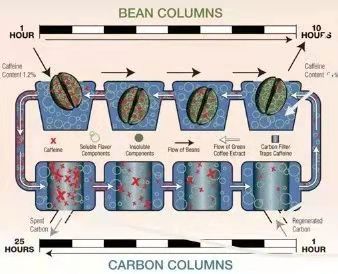
The most widely used decaffeination method today is the "Swiss Water Process (Swiss Water-Only Process)." This technique uses no chemical solvents at all, relying instead on pure water and activated carbon filtration technology. The steps include: first soaking the green beans in hot water that is already saturated with all flavor compounds except caffeine, known as "flavor-charged water." The beans are then filtered out, and the caffeine is removed from the water using activated carbon. The remaining water is rich in flavor but caffeine-free, and this same water is then reused to soak the beans again, allowing them to retain their original flavors while the caffeine is removed.
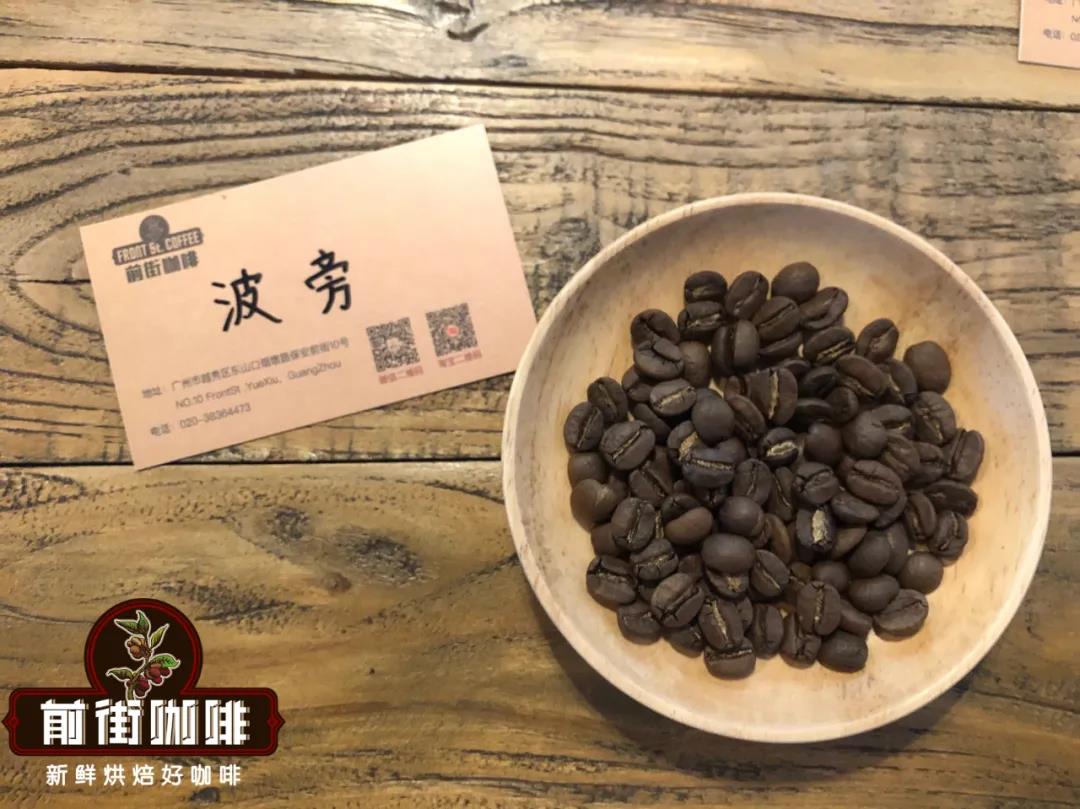
Many consumers wonder if decaf coffee’s flavor is noticeably inferior. In fact, the taste performance of decaf coffee largely depends on the quality of the beans used. Many people report that decaf coffee “doesn’t taste good,” usually because some manufacturers use lower-quality commercial-grade beans to cut costs—often high-caffeine Robusta varieties with inherently bland flavors. However, if high-quality Arabica beans are used for the decaffeination process, the coffee can still retain rich aromas and layers of flavor, performing just as well as regular coffee.
Take Starbucks as an example. The brand offers its own decaf coffee beans, and baristas will label the cup with “Decaf” when preparing it. Customers can simply request it when ordering to enjoy coffee made from decaf beans, such as a decaf Americano. However, the impact of decaf coffee on sleep is still worth considering. Due to its very low caffeine content, it generally does not cause significant disturbances for most people drinking it in the evening, but those who are sensitive are still advised to avoid any caffeinated beverages within six hours of bedtime.
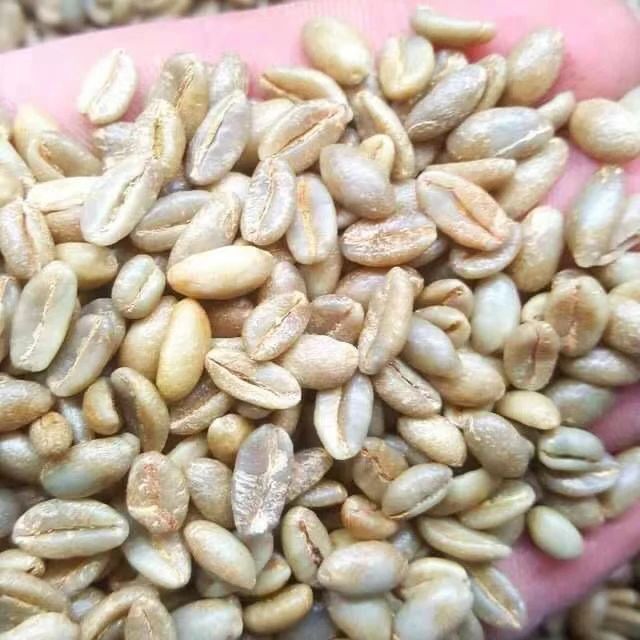
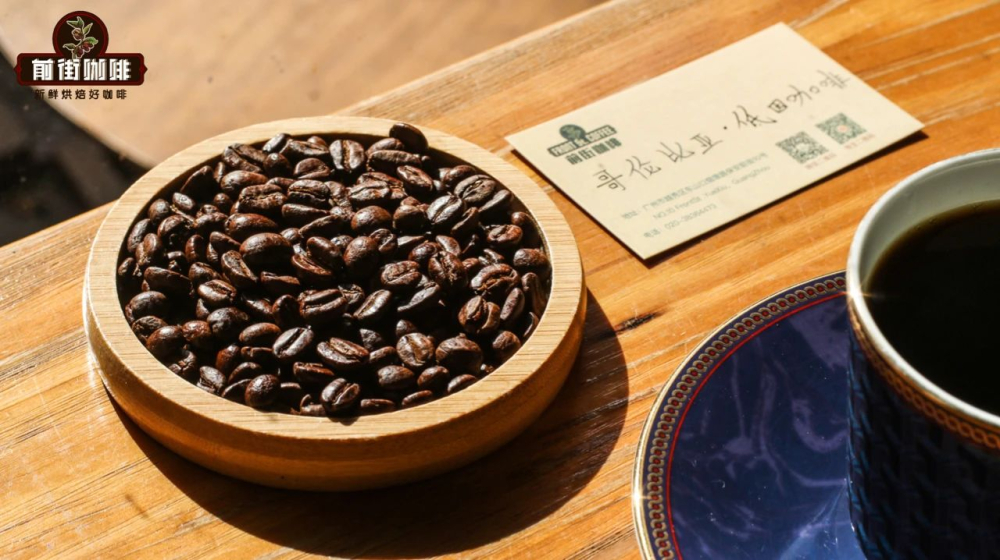
To gain a deeper understanding of the actual flavor performance of decaf coffee, you can refer to a professionally cupped Colombian decaf coffee. This bean underwent repeated adjustments before roasting and demonstrated a rich aroma profile during cupping. During cupping, a standard 200-milliliter bowl was used, with 11.3 grams of coffee and a water temperature of 94°C. The dry aroma evaluation revealed a distinct dark chocolate note, while the wet aroma phase emitted a caramel sweetness. The overall flavor profile includes berries, citrus, cocoa, and nuts, with distinct layers and a clean aftertaste.
Below are the recommended pour-over parameters for this decaf coffee, ideal for trying at home:
- Coffee dose:15 grams
- Brew ratio:1:15
- Water temperature:88°C
- Grind size:Coarse sugar (75% passing through a #20 sieve, approximately medium-coarse)
- Filter cone:Kono filter cone
For pour-over, a three-stage extraction method is recommended:
- First, pour 30 milliliters of hot water and let it bloom for 30 seconds to release the aroma.
- Next, pour 150 milliliters of hot water in a circular motion to raise the coffee bed and form a coffee crema.
- Finally, pour another 45 milliliters, and once the coffee has finished dripping, remove the filter cone. The total extraction time is about 2 minutes and 10 seconds.
By appropriately adjusting these parameters, even decaf coffee can showcase a depth of flavor and enjoyment close to that of premium specialty coffee.
The above content is compiled by CoffeeHunters, a coffee news website.


