








Introduction:The "scoopable latte," which has garnered significant attention in recent years, features a pudding-like texture that keeps coffee from spilling when poured and preserves intricate latte art. This article dives deep into how to recreate it at home—from the amount of gelatin used, the roast level of the coffee beans, to the step-by-step process and common mistakes—guiding you to make a silky, bouncy, latte art-topped coffee jelly latte with long-lasting designs.
Recently, a trend of “latte you can scoop” has taken the internet by storm. This creative beverage transforms milk coffee into a semi-solid, pudding-like texture—not only spill-proof when poured, but also remarkably retaining clear latte art. Is this coffee jelly latte worth making yourself? This article will fully break down everything from the precise dosage of gelling agents, suitable types of coffee beans, to the step-by-step hands-on process and common issues, helping you easily create a delicate, smooth, and sharply patterned specialty latte at home.
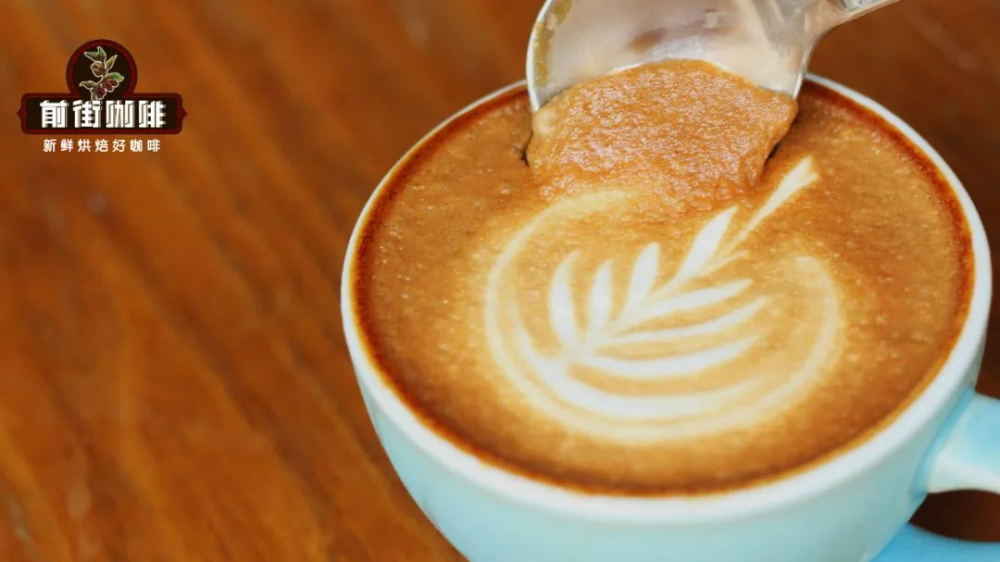
This viral “eat-with-a-spoon latte” draws inspiration from the principles of pudding-making. It transforms normally fluid coffee through the use of gelling agents like gelatin, which, after refrigeration, takes on a pudding-like mouthfeel—creamy and smooth—while preserving the artistry of latte designs. Unlike traditional coffee jellies, this method involves directly chilling a mixture of prepared coffee and milk foam to set, making it simpler to prepare and offering a fresher, smoother flavor.
The ingredients needed to make this special latte aren’t complicated—it’s essentially a regular latte with the addition of gelatin sheets (or powder) as a gelling agent. However, since it’s a cold drink, using dark-roast espresso beans can often bring overly intense bitterness and astringency. It is recommended to opt for medium-roast beans, and you may adjust the flavor balance by adding syrup to taste.
If you enjoy coffee with nutty and creamy aromas, consider using medium-roast beans such as Queen Estate or boutique blends. These beans often have soft notes of almond and apricot. If you prefer bright acidity, fruit-forward blends like Xi Zha, Mozart, or Strawberry Sugar · Geisha blend are recommended, adding more layers to your drink.
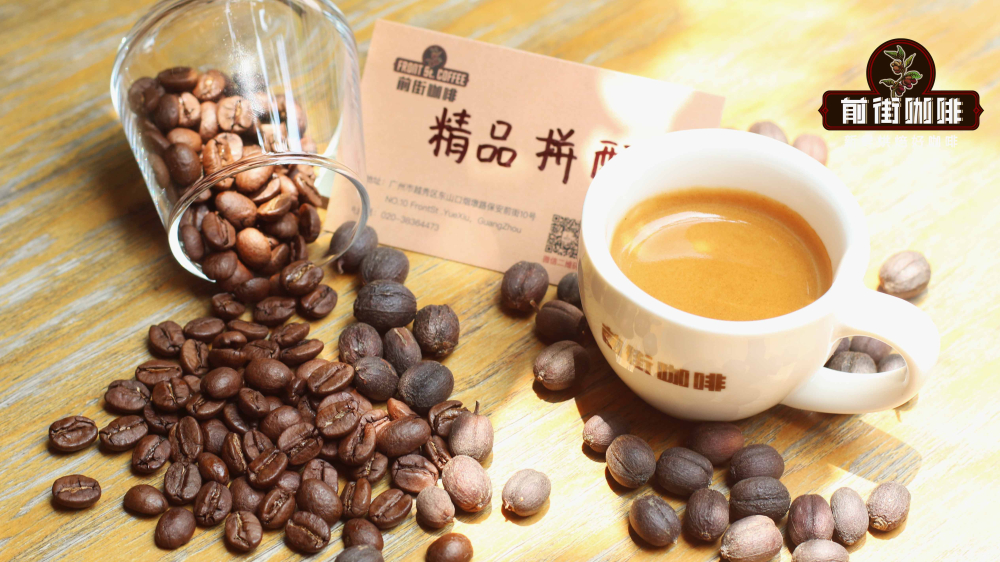
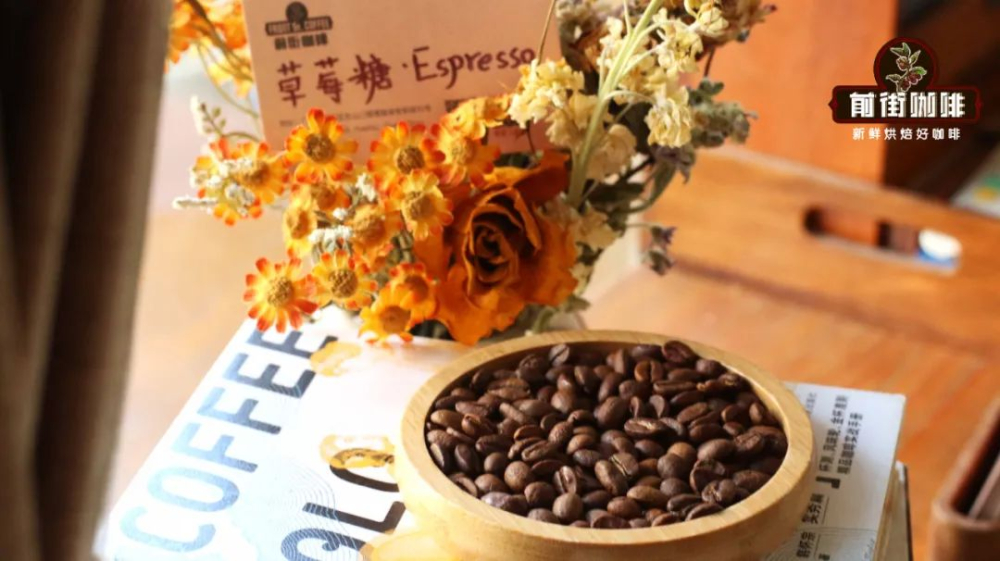
This demonstration uses a strawberry sugar-flavored espresso bean as the base. This coffee is known for its high sweetness and is a blend of three single-origin beans from different regions. In addition to its distinct rose aroma, it often has lingering notes of grapes, dried blueberries, sweet orange, and candy after brewing—making it perfect for creating a coffee jelly latte with an exceptional flavor experience.
Next, here’s the detailed preparation process: First, place 8 grams of gelatin sheets in room-temperature water to fully soak until softened. Second, use 19.5 grams of strawberry sugar espresso beans, grind to the appropriate fineness, and extract 38 grams of espresso, taking about 30 seconds (adjust slightly based on bean conditions that day). After extraction, pour it into a cup and set aside.
Third, pour 200 grams of milk into a milk pitcher, add 25 grams of plain syrup, then put the softened gelatin sheets into the milk. Heat and froth together to about 55–60°C. At this stage, aim to control the milk foam thickness between 0.3–0.5 cm—the finer the texture, the better—to help with subsequent latte art and mouthfeel.
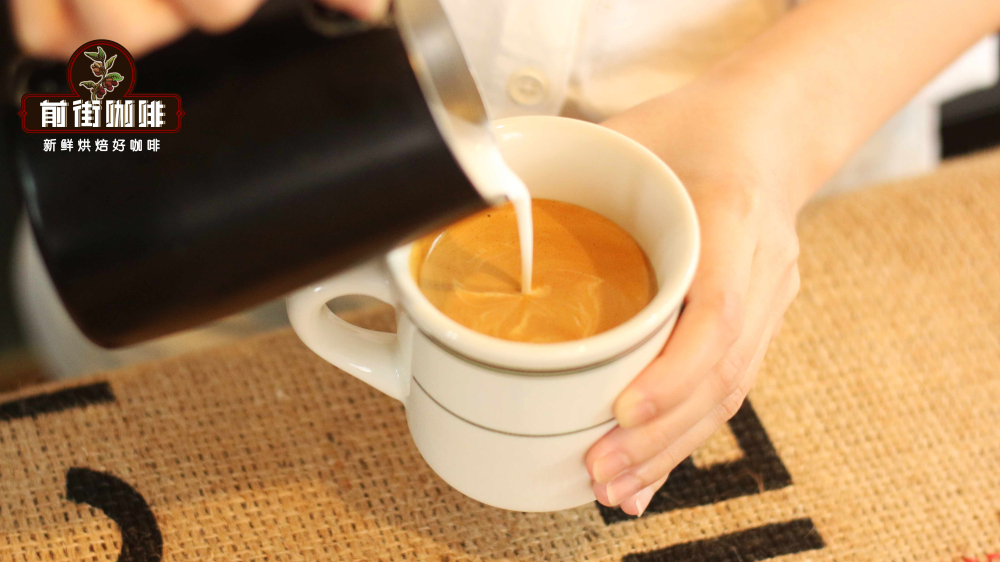
Fourth, evenly mix the adjusted milk with the coffee liquid, perform latte art, and then place it in the refrigerator to chill. It is recommended to let it set for about 4–5 hours until fully solidified before enjoying. If you want to speed up the process, you can refrigerate for 1 hour first, then continue for 4 hours—the result is equally excellent.
The finished coffee jelly latte, even if some micro-bubbles dissipate slightly, still retains the original latte art patterns—even when turned upside down, it won’t easily spill out. In terms of taste, it combines the fruity notes of the strawberry sugar espresso with a white chocolate character, along with the natural bitterness and sweetness of coffee oils. The overall profile is cool, bouncy, silky, and tender, with the syrup balancing the bitterness and adding a hint of caramel flavor, leaving a delightful aftertaste.
However, many people encounter several common issues when trying to replicate it at home. First, if the latte pudding fails to set, it’s usually due to insufficient gelatin. For small cups (150–200 grams), use 5 grams of gelatin sheets; for medium to large cups (250–300 grams), 8–10 grams are recommended to ensure proper setting. Also, refrigerating for less than 4 hours can result in incomplete internal setting—consider placing it in the freezer for 1 hour in advance, then letting it sit at room temperature for 10 minutes before serving.

Another common issue is excessive bitterness, usually related to the roast level of the coffee beans used. Dark-roast beans tend to release too much smokiness and astringency. It’s advisable to switch to medium-roast beans or add 30 grams of condensed milk or flavored syrup before frothing the milk—this effectively neutralizes bitterness while enhancing sweetness and creaminess.
Lastly, if the latte art patterns disappear, it may be due to unstable milk foam or excessively high milk temperature. Stable foam relies on high-quality frothing technique and fresh milk, and even mixing is essential. Additionally, overheating the milk during frothing extends cooling time, causing surface patterns to deflate quickly. It’s recommended to control the milk foam temperature to maintain pattern longevity.
The above content is compiled by CoffeeHunters, a coffee news website.


