








Introduction:Not sure which iced coffee to choose? This article provides an in-depth analysis of four popular iced coffee types—pour over iced coffee, cold drip, cold brew, and iced americano—covering everything from extraction principles and flavor profiles to practical brewing parameters. Discover the unique charm of each drink, whether you’re after a bright, crisp acidity or a rich, sweet finish.
On a hot day, a chilled iced coffee offers the perfect refreshment. Yet with so many options available—from pour over iced to iced americano—many consumers find the various brewing methods confusing. This article systematically breaks down the production logic and flavor secrets of the four mainstream iced coffees to help you precisely match your personal taste preferences.
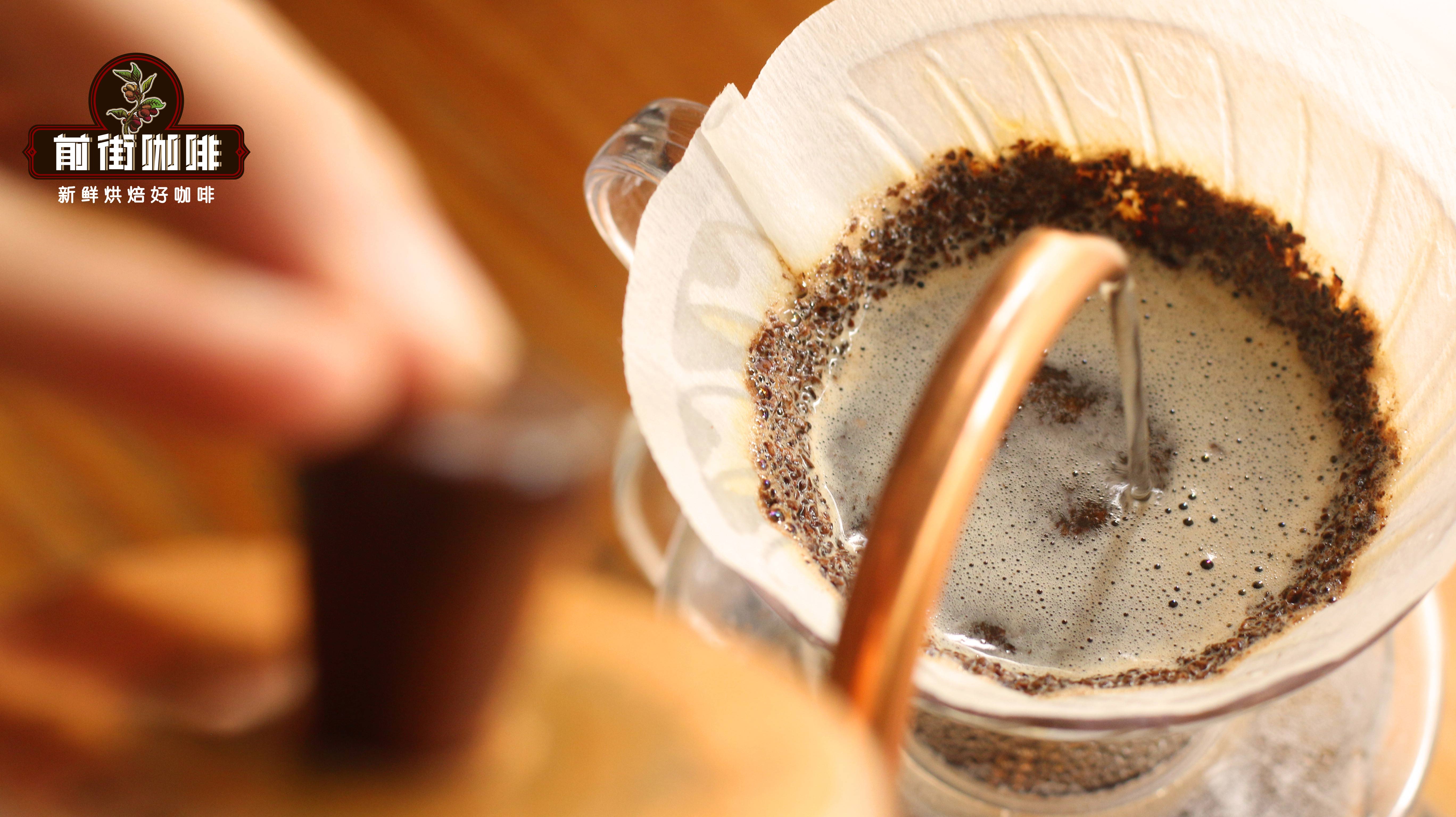
Pour over iced coffee is a masterpiece of Japanese precision extraction. Its core lies in controlling water flow rate and using a low-temperature environment to preserve the coffee’s dynamic layers. The professional method usesa 1:10:5 coffee-to-water-to-ice ratio(i.e., 15 grams of coffee grounds with 150 ml of hot water plus 75 grams of ice), and specifically adjusts the grind size to85% passing through a #20 sieve, finer than regular pour over. For light roasts, use water at 90–93°C, while medium-dark roasts are brewed at 87–89°C. After brewing, stir immediately to promote even cooling from the ice. This technique is particularly well-suited for showcasing Ethiopian Yirgacheffe beans, known for their bright citrus notes, delivering a vibrant acidity without losing body.
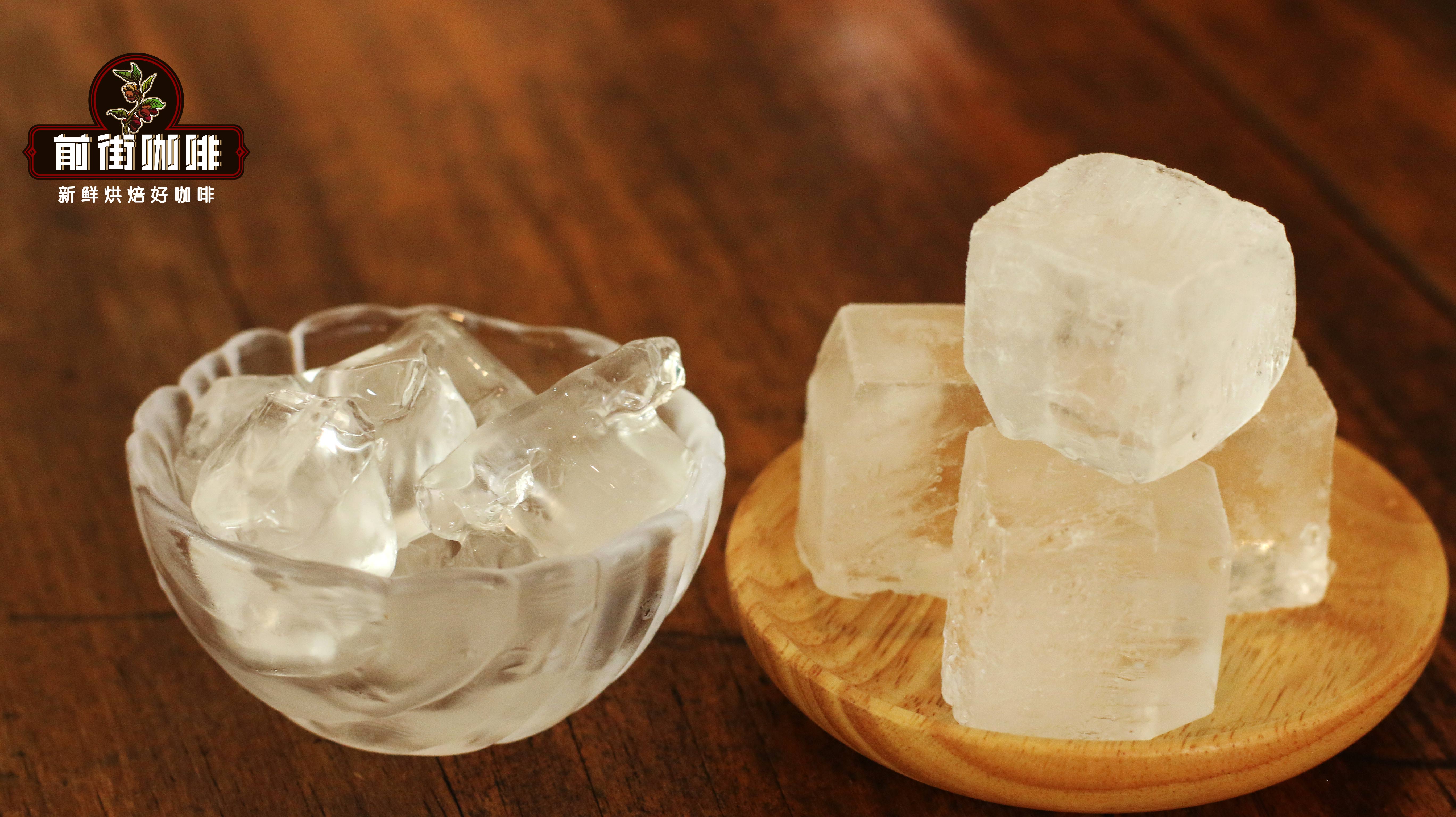
Cold drip coffee is a work of art refined by time. It employsan ultra-high coffee-to-liquid ratio of 1:10(60 grams of coffee grounds to extract 600 ml of final product), combined withprecise flow control at 7 drops per 10 seconds, requiring a total of 6–8 hours. Key equipment includes a three-layer drip filter, withcoffee grounds ground to 85% passing through a #20 sieveplaced in the top layer, and an ice-water mixture (recommended at a 1:1 ratio) in the middle layer. Notably, after extraction, the coffee must undergo a 12-hour refrigeration maturation period, during which lactic acid bacteria gently break down tannins, imparting a unique fermented wine-like finish. Honey-processed beans from Central America can exhibit complex aromas of honey and tropical fruits under this process.
Cold brew coffee is widely loved for its simplicity. The basic recipe usesa generous coffee-to-water ratio of 1:12(50 grams of coffee grounds with 600 grams of an ice-water mixture, including 400 ml of room-temperature water and 200 grams of ice). The grind size remains at85% passing through a standard #20 sievein a coarse state, placed in a sealed container for12–24 hours of refrigerated steeping. It’s recommended to stir every 4 hours during the process to ensure even extraction, and the final product naturally forms a coffee crema layer. Compared to other methods, cold brew has a smoother, rounder mouthfeel, with about 40% less extraction of bitter compounds, making it especially suitable for beans with prominent nutty notes, such as those from Brazil or Colombia.
Iced americano, a classic in coffee shops, relies on the golden ratio of espresso to water for its authentic taste.A 1:6 espresso dilution ratio(30 ml of espresso with 180 ml of ice water) maintains coffee intensity without overly diluting the flavor. A dark roast blend is recommended, where Brazilian beans provide a chocolate base, Sumatran beans contribute a rich body, and Vietnamese Robusta enhances crema stability. When making it, ensure the ice cubes are pre-chilled to 0–4°C to prevent rapid melting that could affect the temperature curve. The finished drink should have a deep, dark chocolate-like color, with a distinct citrus acidity and a brown sugar finish.
When selecting coffee beans, adjust the roast level according to the brewing method: pour over iced is suited tomedium-light roasts (Agtron 65–70)to highlight floral and fruity notes, cold drip and cold brew can opt formedium roasts (Agtron 55–60)to balance sweetness and body, while iced americano requiresdark roasts (Agtron 40–45)to ensure lasting flavor. Regardless of the method, freshly roasted coffee beans (used within 7–21 days of roasting) can significantly enhance flavor performance.
The above content is compiled by CoffeeHunters, a coffee news website.


